Refine
Estimated Years 1960-1969Clear
5,334 results foundRefine Search
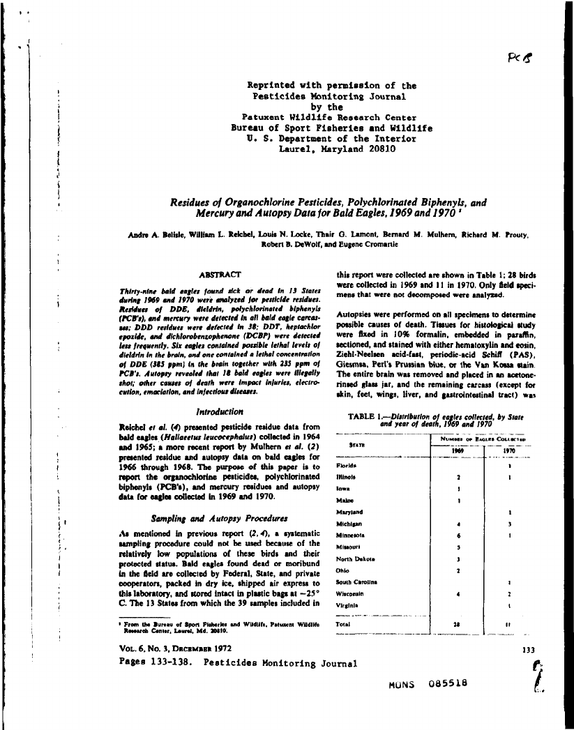
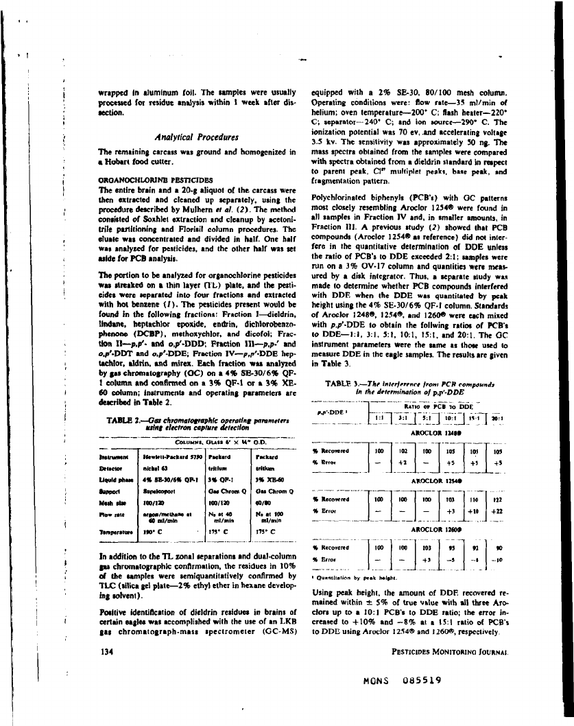
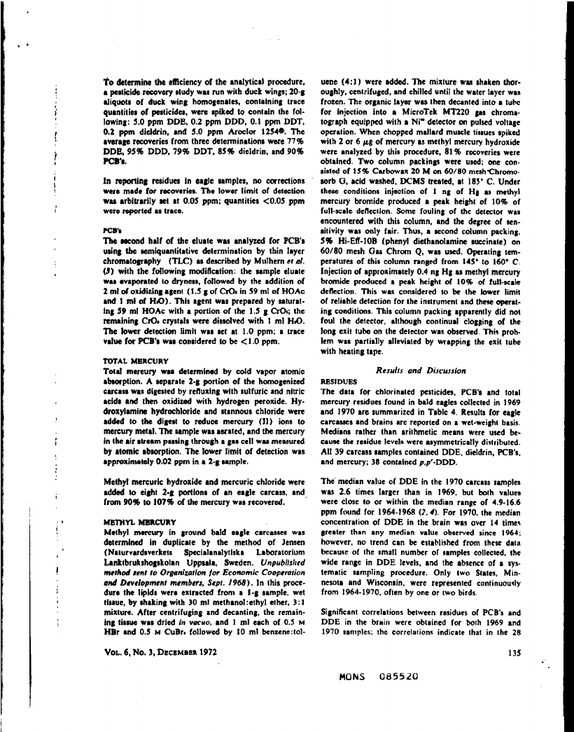
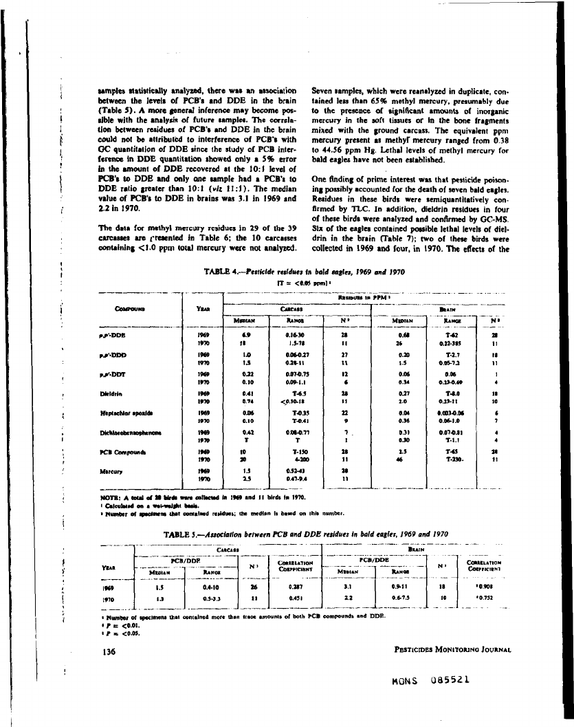
Reprinted with permission of the Pesticides Monitoring Journal by the PAtuxent Wildlife Research Center Bureau of Sport Fisheries and Wildlife l).
refid# aBr34ZxNRoVB6Q1g166YYODGb6 pages
t afp'S:-Of l~y *' ( ktr: ..
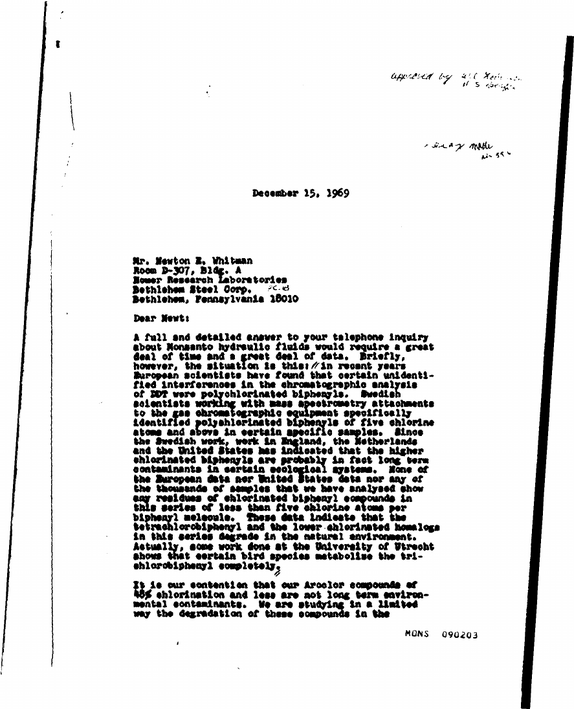
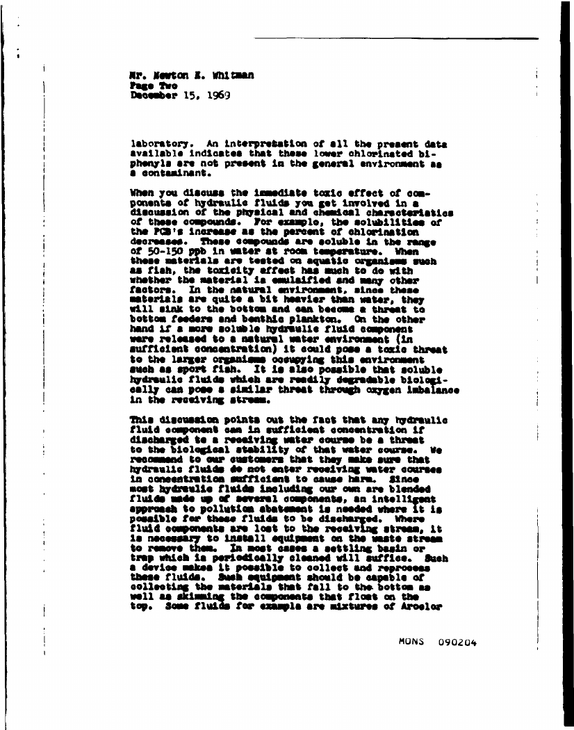
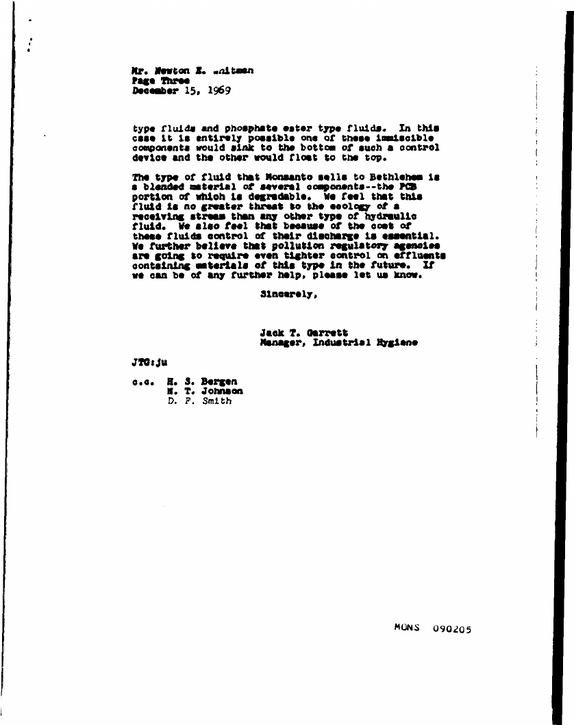
refid# aD17wrrVKYjgQqmRq70nbXBOX3 pages
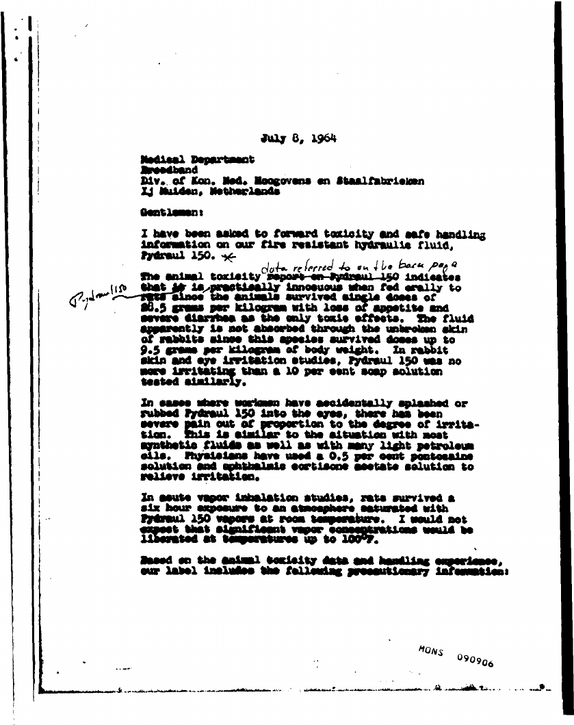
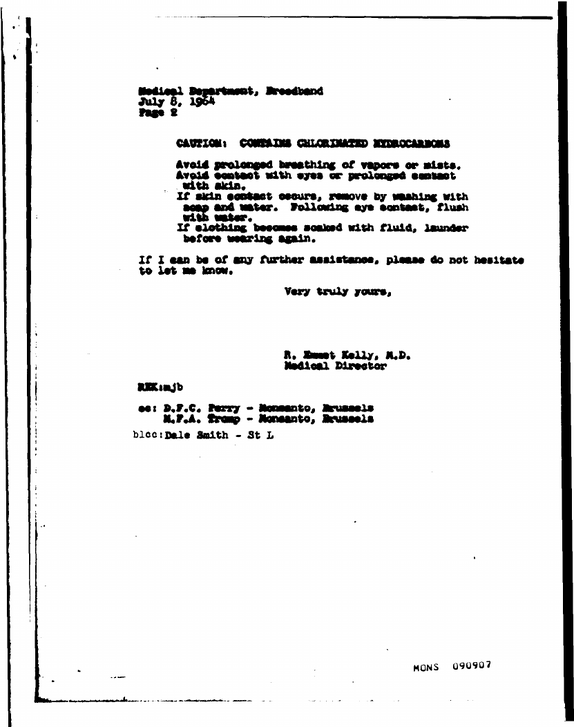
4107 6, 1964 IMlMl MftrtMBt Broadband Mv. of Kon.
refid# K6xpeVErMBBEL2XG0xQMeYd8K2 pages
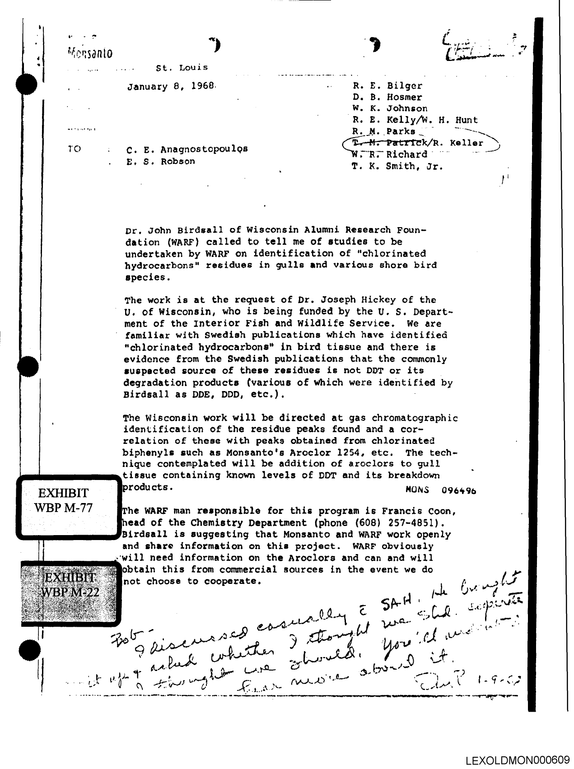
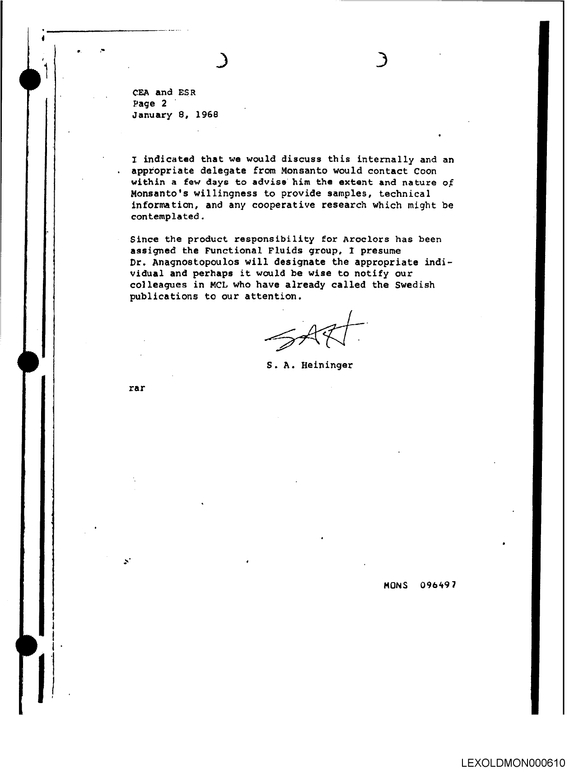
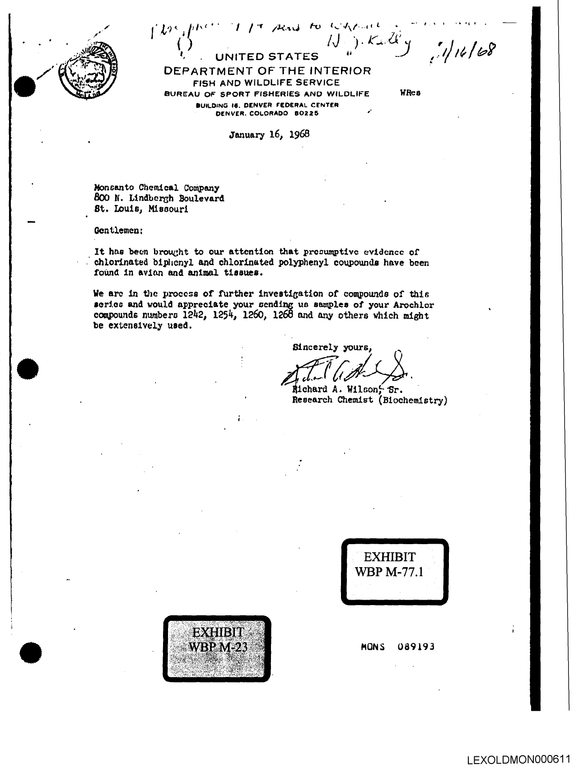
k ^osanio i St.
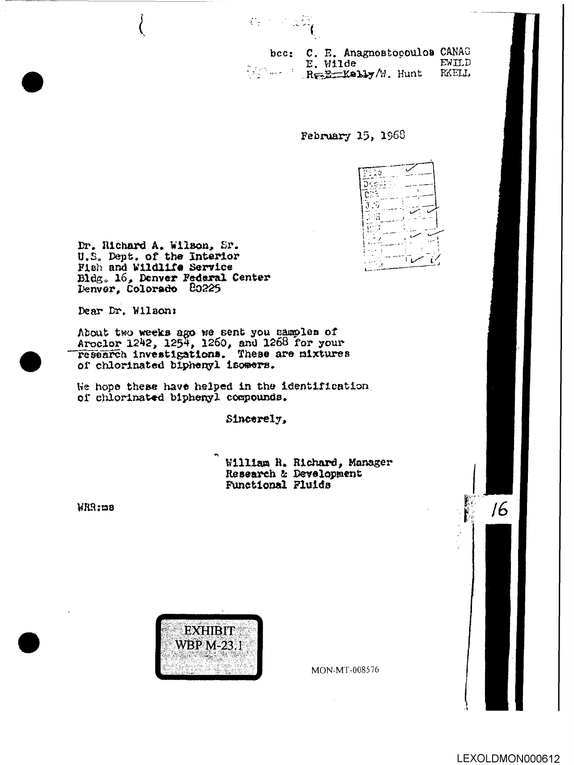
refid# 3bbz4kQD8QbVGVox2K29X0XE30 pages
Monsanto ^ J E.
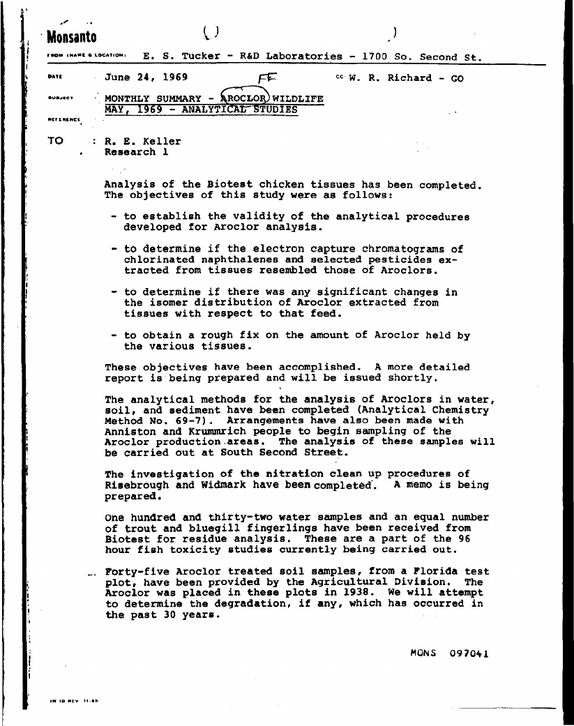
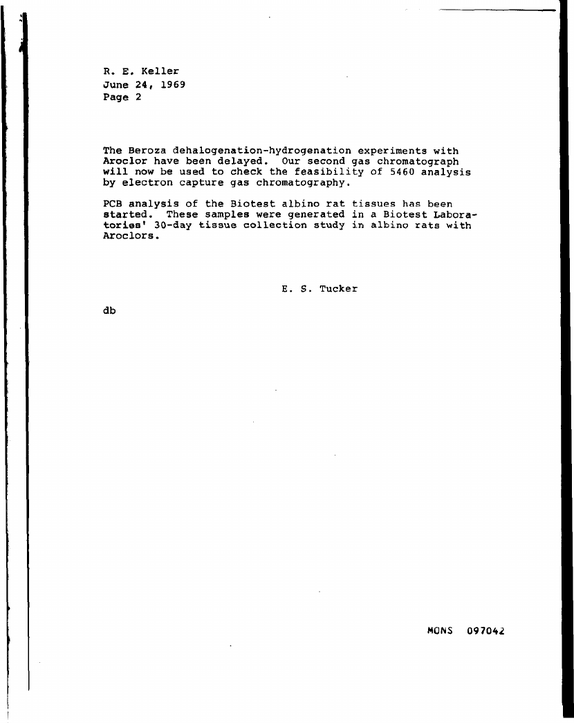
refid# LgGNy0XNj4REM2G54MXBJQ3wg2 pages
MQRSAXTO COMMIT AKHIITOf, ' tiANoos Ofruinc xisttocnon rot aoaou levlaed: July 1964 Coyj He.
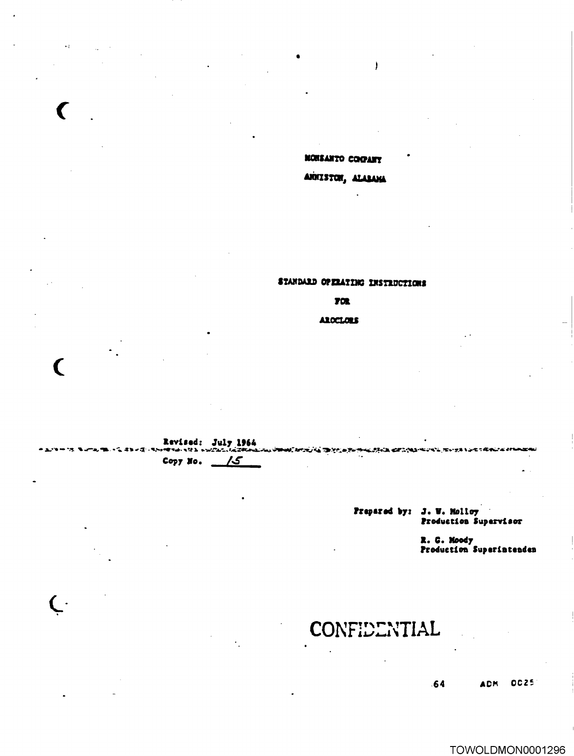
refid# qa7qEbrzXr5ONEvyX6ZyEqokG14 pages
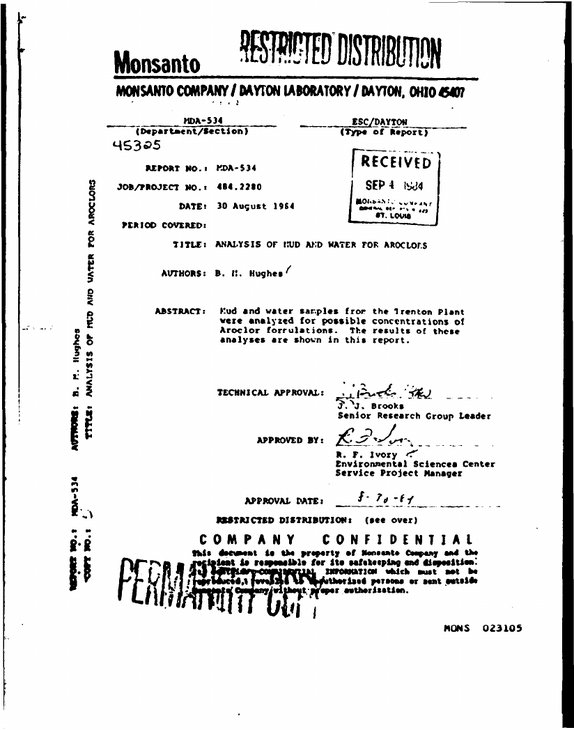
Ir Monsanto MONSANTO COMPANY/ DAYTON LABORATORY / DAYTON, OHIO 6407 :!
refid# emmXwna495qoNKzxqZpegzVg928 pages
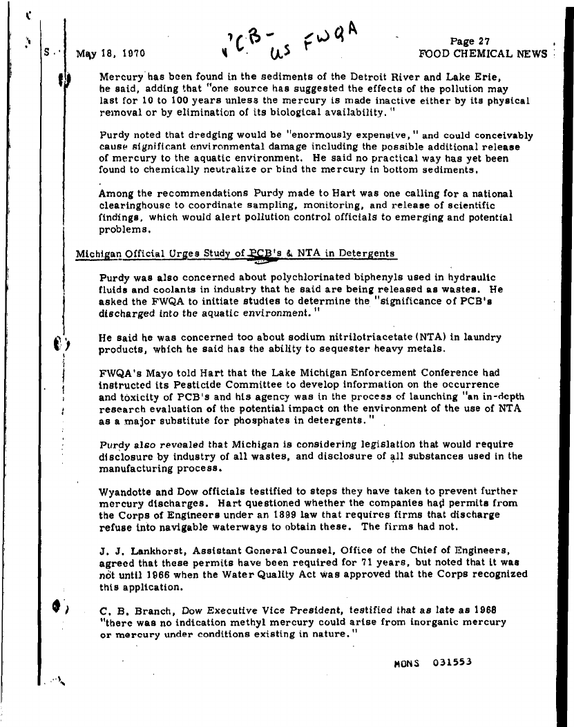
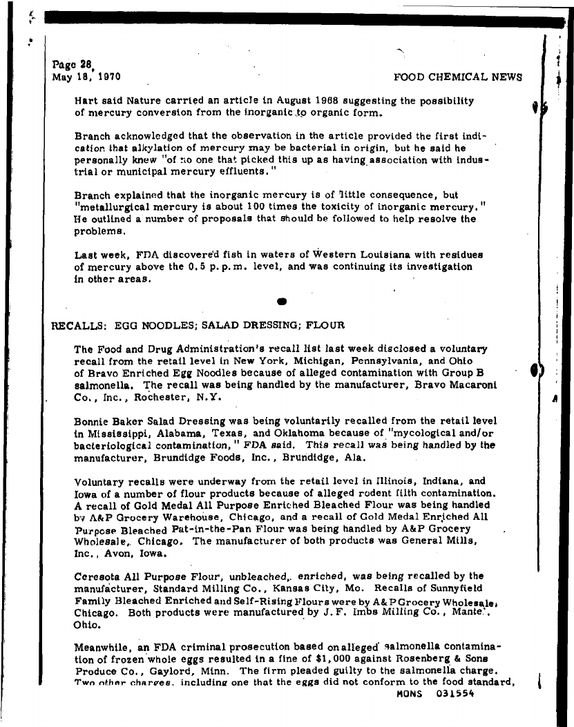
1 f "* C^ ^ ^ Page 27 Mqy 18, 1070 H POOD CHEMICAL NEWS Mercury has been found in the sediments of the Detroit River and Lake Erie, he said, adding that "one source has suggested the effects of the pollution may last for 10 to 100 years unless the mercury is made inactive either by its physical removal or by elimination of its biological availability. " Purdy noted that dredging would be "enormously expensive, " and could conceivably cause significant environmental damage including the possible additional release of mercury to the aquatic environment.
refid# G2kJE2XDe4vy1jqY5dz6zGr42 pages
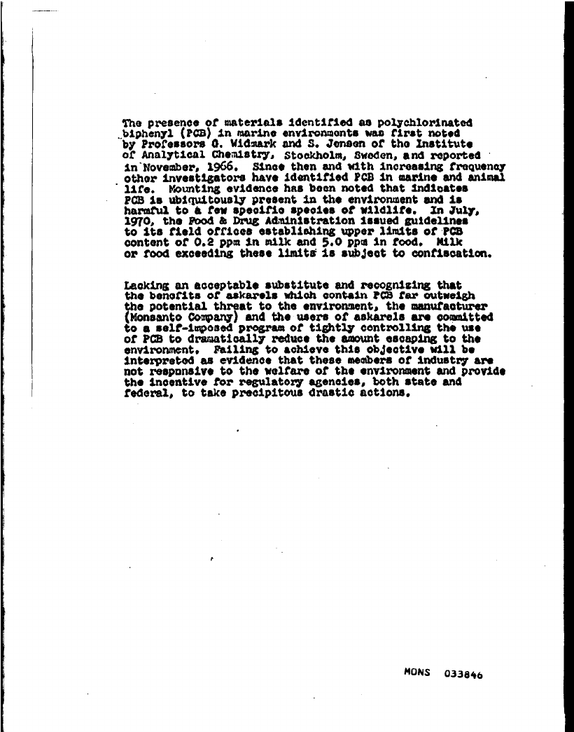
The presence of materials identified aa polychlorinated biphenyl (PCB) in marine environments was first noted by Professors 0.
refid# N2BZk4a5B4ZJJK6mXgZedXn2E1 page
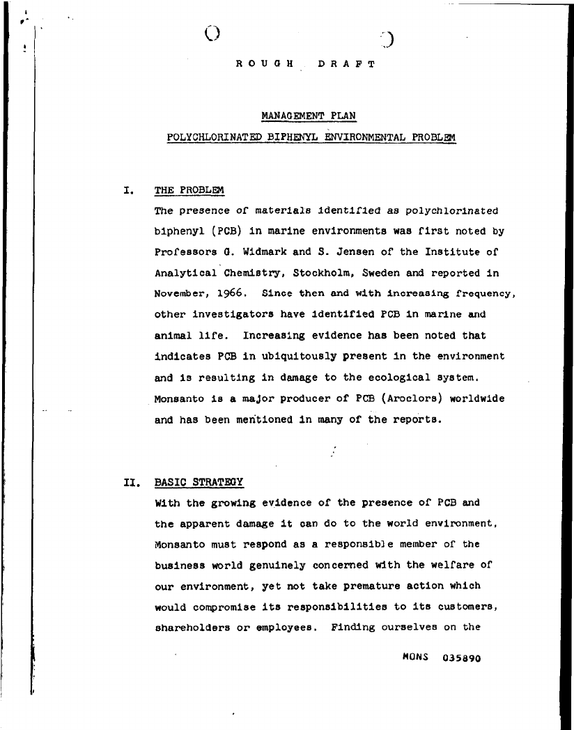
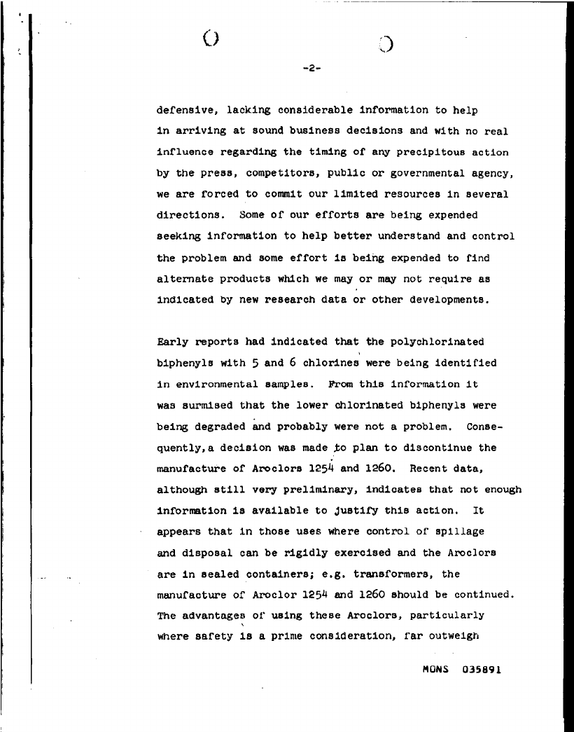
o ROUGH 0 DRAFT MANAGEMENT PLAN POLYCHLORINATED BIPHENYL ENVIRONMENTAL PROBLEM I.
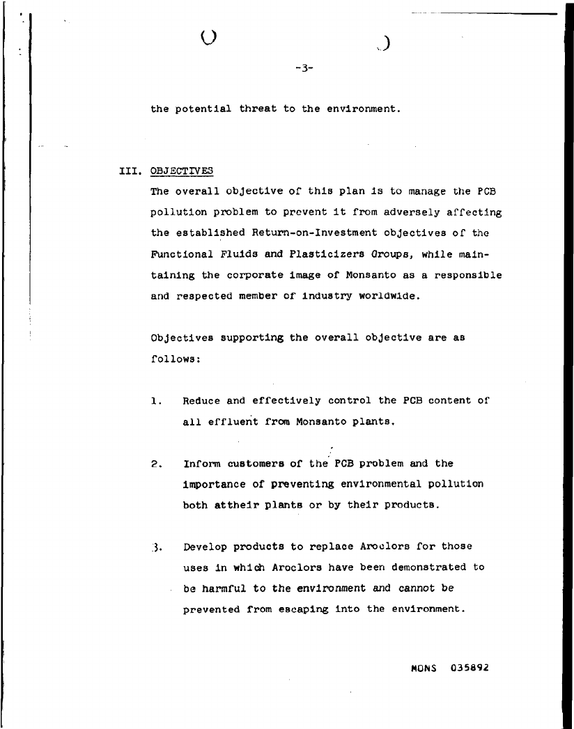
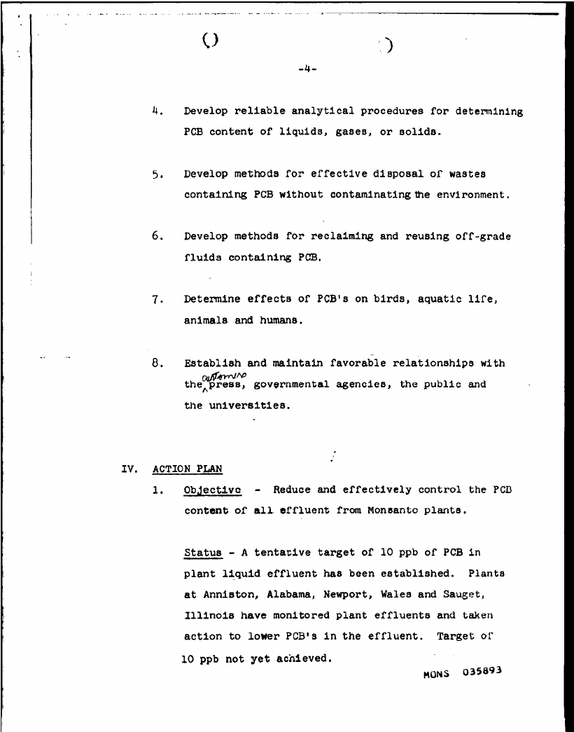
refid# 69gzLM94J207RZd7YVaj79Dg12 pages
Younger Laboratories Biooktmuii ...
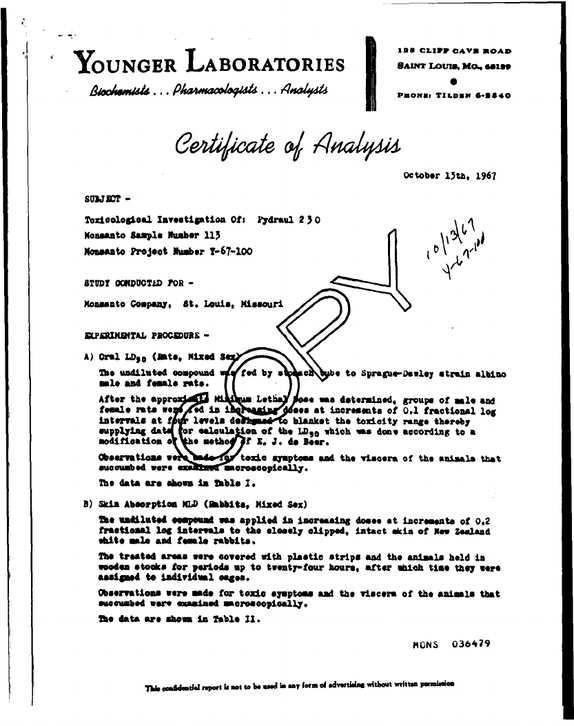
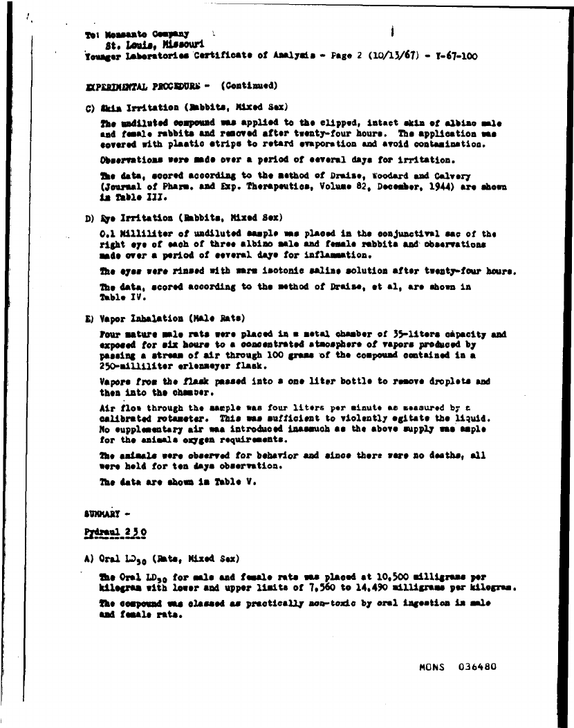
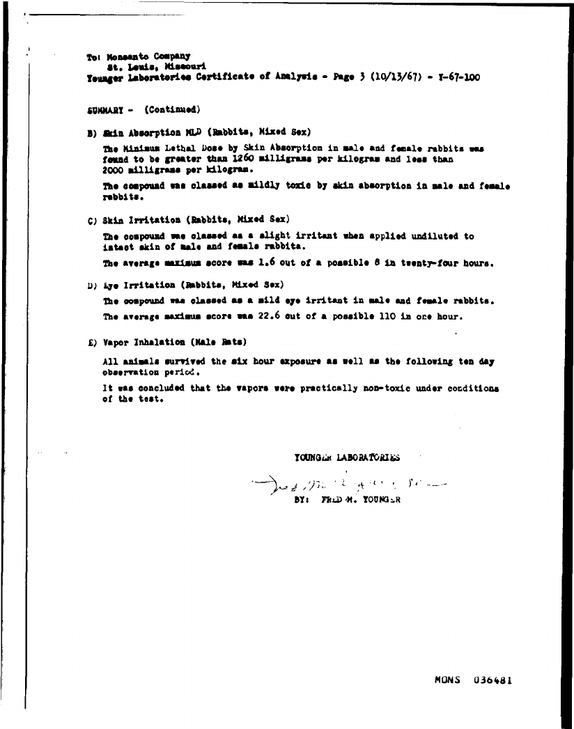
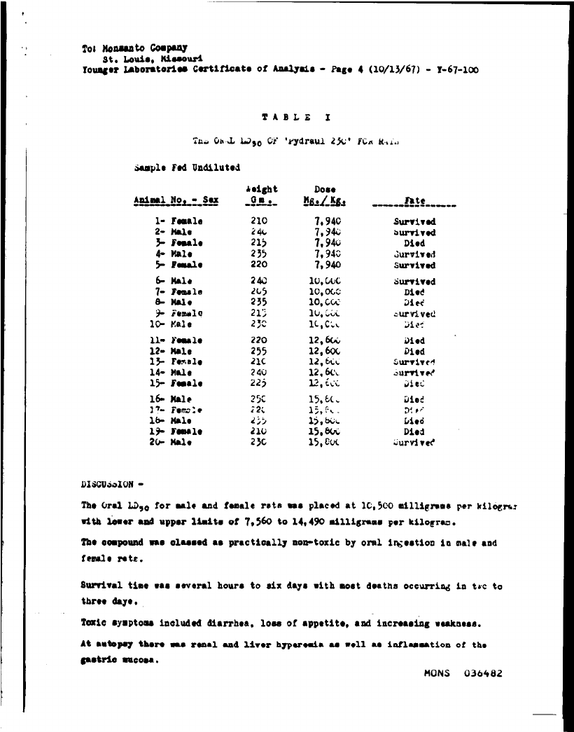
refid# QJMzLZ2Loa66v5YxmbyBoORZv8 pages
Younger Laboratories HiachtmUtA*. ..
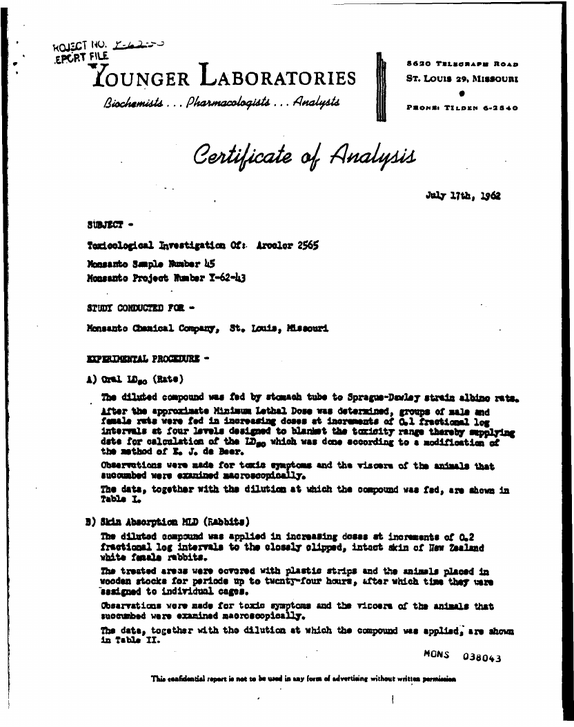
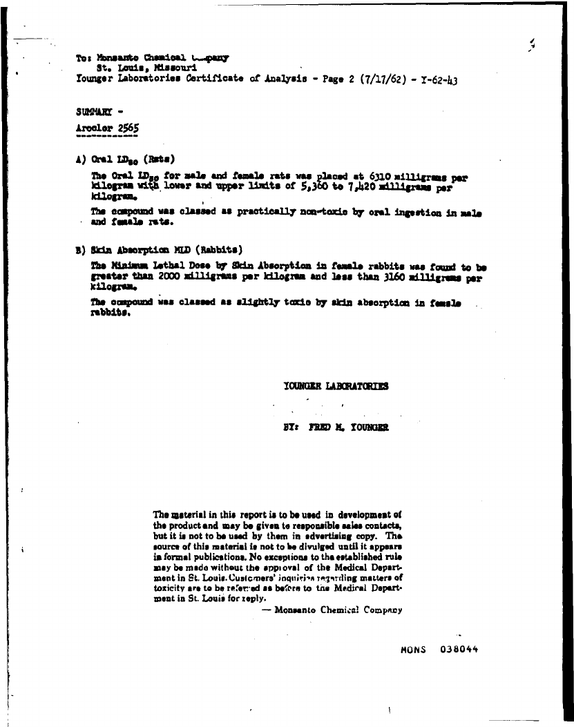
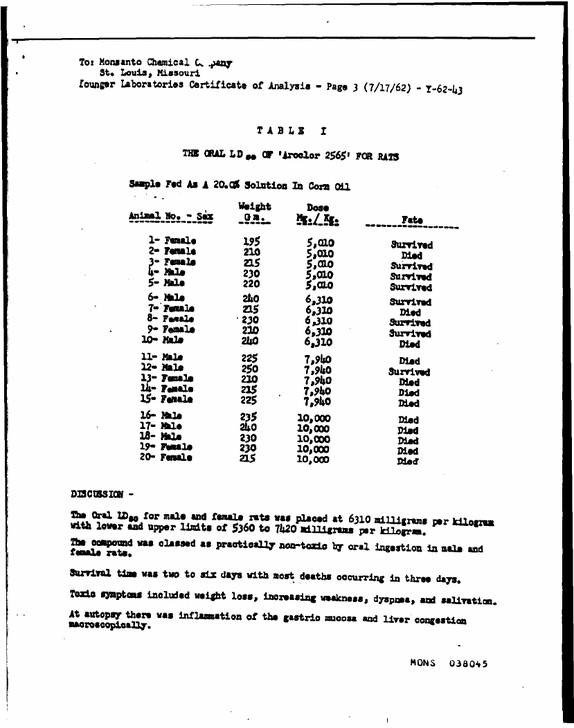
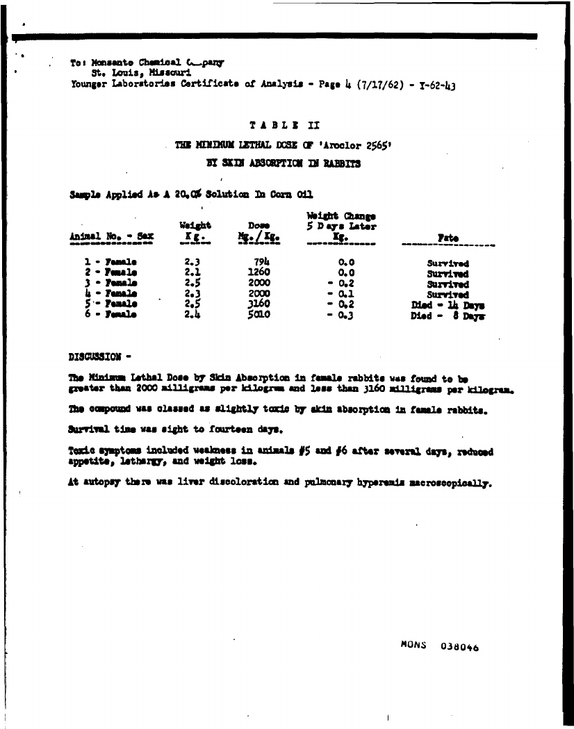
refid# jEoeQk2d4L4dx3Xayd5nbjap4 pages
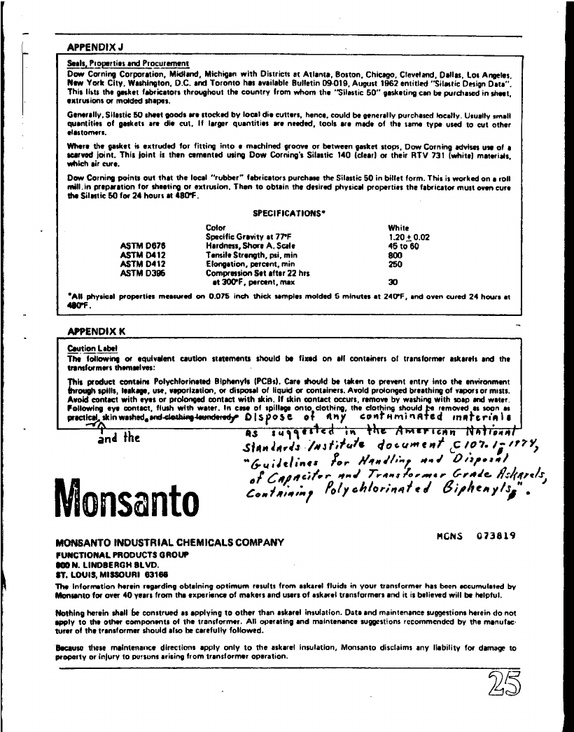
APPENDIX J Seels.
refid# 0qE3op6XBNDoQRNx3YMnm5aRb1 page
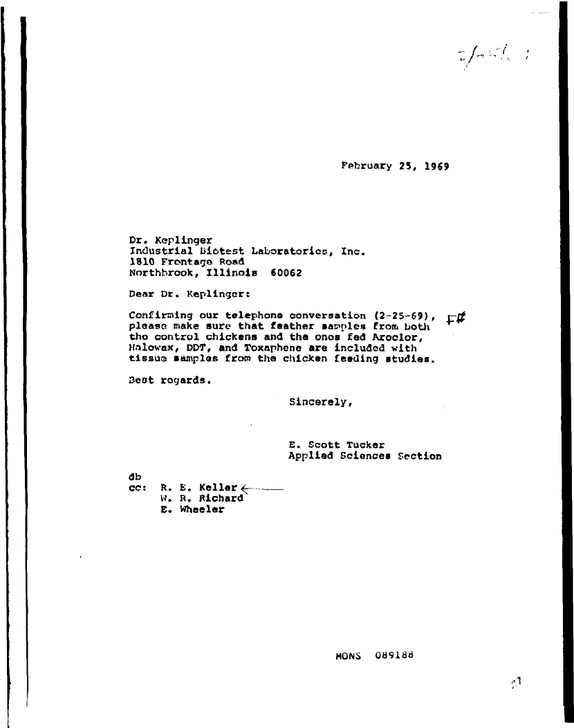
February 25, 1969 Dr.
refid# 9yoZ943z2m1oK9vq76wonBk51 page
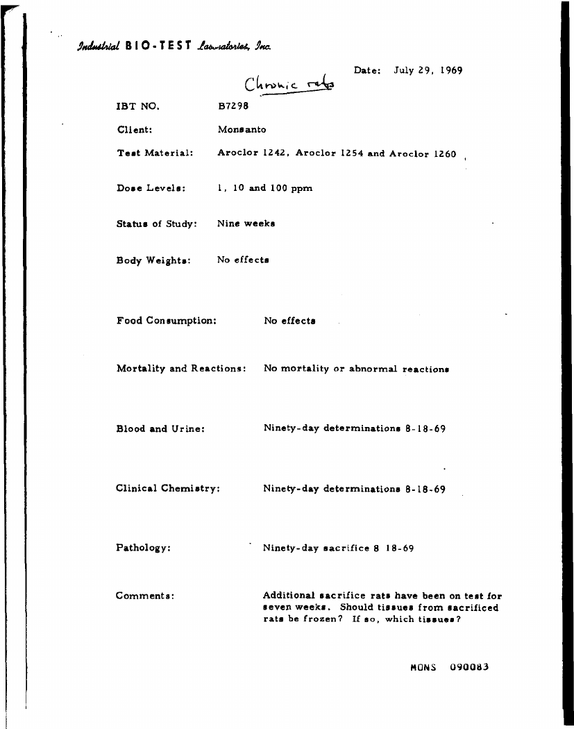
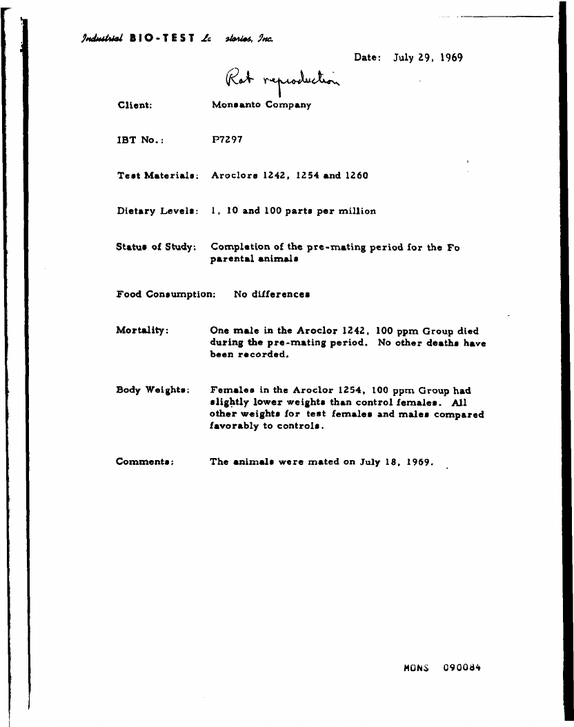
B 1 0 - T E S T lab^uUvU&t, D*tc.
refid# Ozbgq1r9k9mVZ0jJGgxZQgmye2 pages