Refine
Estimated Years 1950-1959Clear
21,856 results foundRefine Search
438 CHAPTER 17 1952 Guide -The year under consideration may then be compared, month by month, with the previous year.
refid# 6B17pboZOZb9QgxQxrN5DKR8m1 page
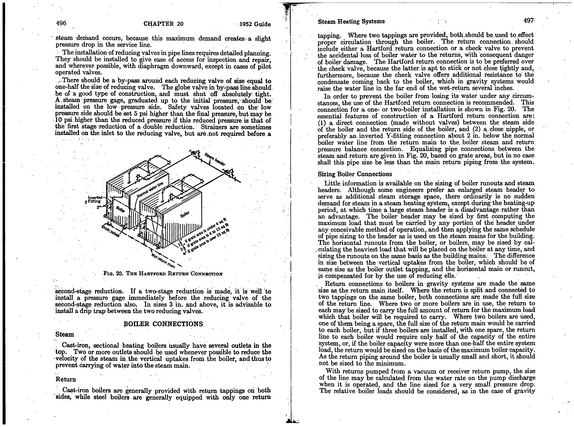
496 CHAPTER 20 1952 Guide steam demand occurs, because this maximum demand creates > a slight pressure drop in the service line.
refid# mm6974V1wBdQZkp4XG6j1KXXb1 page
570 CHAPTER 24 1952 Guide vent opening will produce an objectionable draft.
refid# qdvvjM5JZrk7EG6k7xBakXxJx1 page
572 CHAPTER 25 1952 Guide heating system exactly balanced to load conditions.
refid# k91nNLvOaQ8ayDnk8DyO2e8GD1 page
704 CHAPTER 31 1952 Guide ..
refid# ypdvgrYkNqeEk0K0kmqrQOkaD1 page
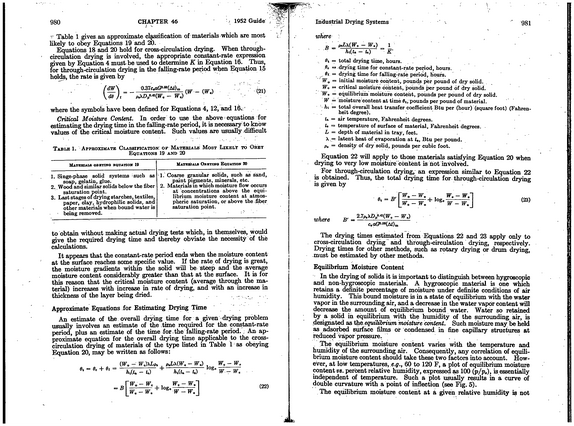
980 CHAPTER 46 1952 Guide / - -r- Table 1 gives an approximate classification of materials-which are most likely to obey Equations 19 and 20.
refid# mBLjRx34xRK3o8O1jXNRkDeyb1 page
258 CHAPTER, 12 1953 Guide mmiEimnt Heating toad 259!
refid# z4Q9rMZ9L78y8BjL01VKN6q71 page
354 CHAPTER 14 1953 Guide y Bituminous Coal Research, Inc.: .
refid# evxX8j6rgz1Gjk2JOJRZY8op91 page
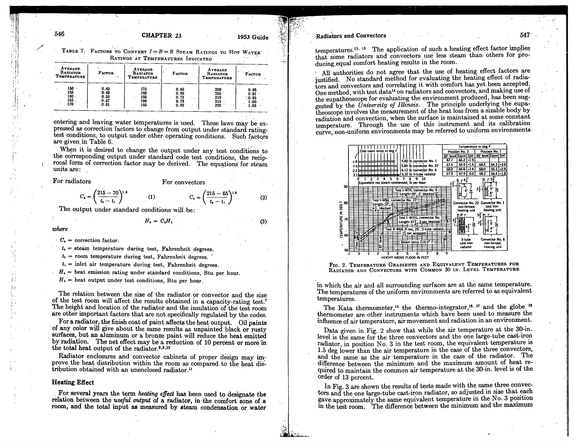
546 CHAPTER 23 1953 Guide Table 7.
refid# EdM3pj9mz9Qedgjj9k9qgo1YN1 page
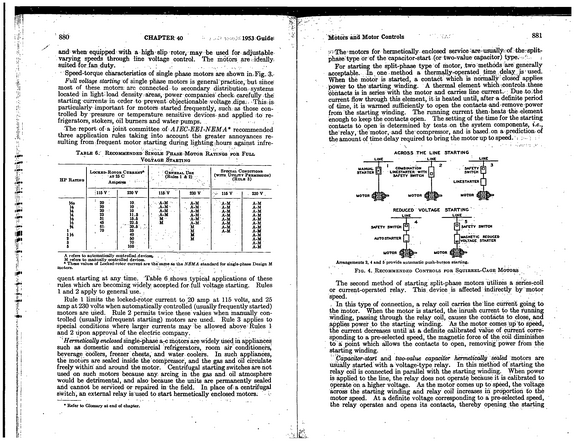
880 CHAPTER 40 1953 Guide'.
refid# 3Q77Mvm728X9NXV6gxp34EpGy1 page
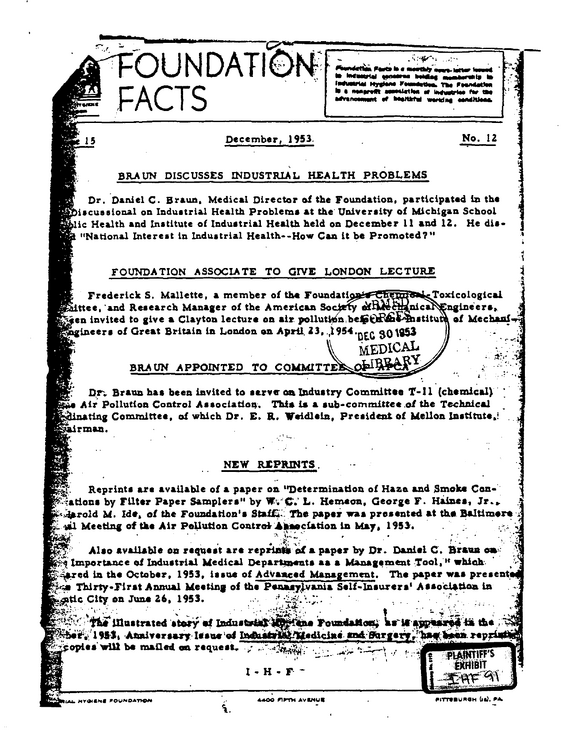
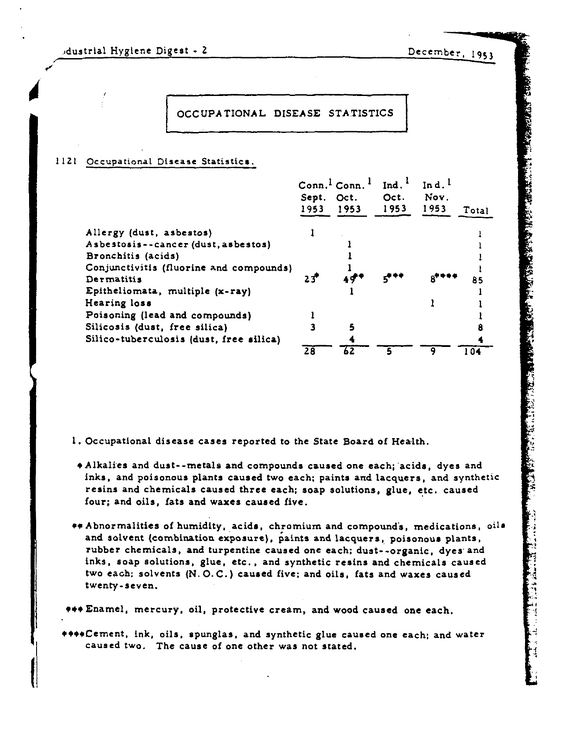
,,r FACTSrm fWttlll taAMrtai MyfeM riwim^ TW PiwMm to BWflW MNlltlM af lniwtolM to imwwrt #f S--Jttfto wand** buSHIm* 15 December, 1953.
refid# NNak5MjZp4vXDRm3OeBeL7Epg4 pages
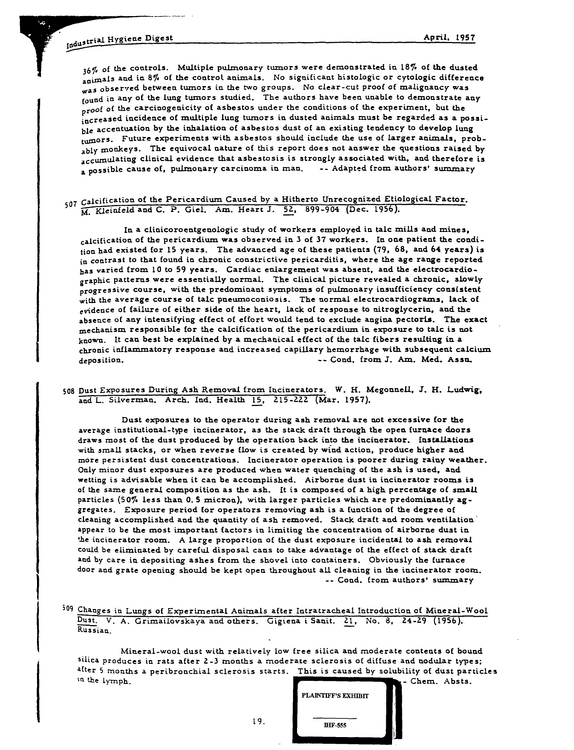
^ial Hygiene Digest April, 1957 36/i of the controls.
refid# 1Qbp4zermq2X36e2ok0rj56aj1 page
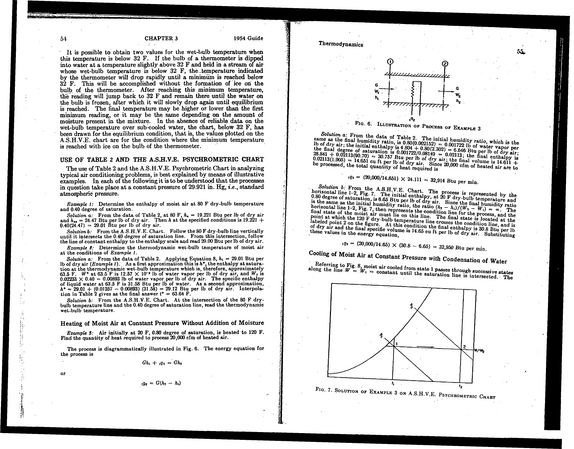
54 CHAPTER 3 1954 Guide ' It is possible to obtain two values for the wet-bulb temperature when this temperature is below 32 F.
refid# om00OjyaNxQo2x3B33jVre7671 page
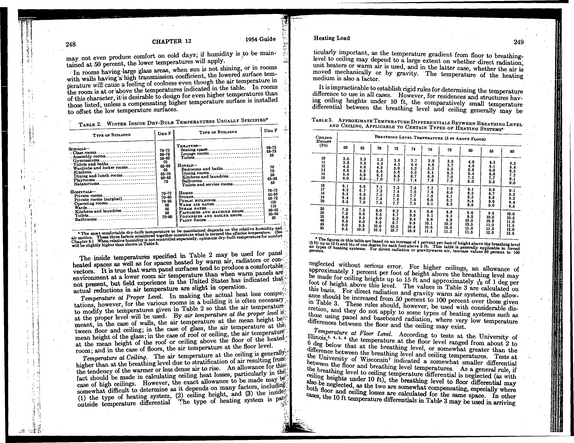
248 CHAPTER 12 1954 Guide may. not even produce comfort on cold days; if humidity is to be main tained at 50 percent, the lower temperatures will apply.
refid# xz1Y6Y7vq2GNnymB7RJDg1MrG1 page
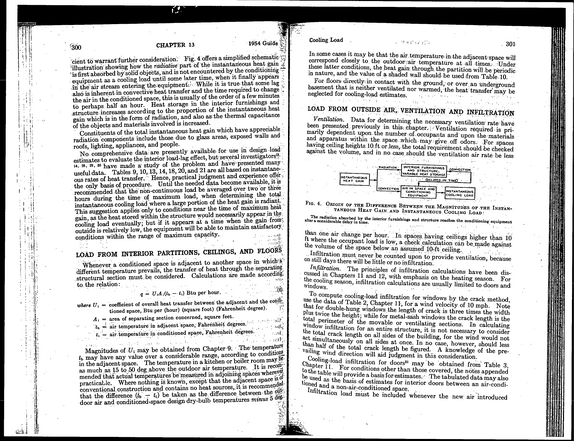
f3do CHAPTER 13 1954 Guide ;ciCnt to warrant farther consideration: Tig. 4 offers a simplified schematic 'illustration'showing how the radiative part of the instantaneous heat gain 'is first absorbed bysolid objects, and is hot encountered by the conditioning & equipment as a cooling load until some later time, when it finally appears * in' the5 air stream entering the-equipinen;i While it is true-that some lag also is inherent in convective heat transfer and the time required to change the air in the conditioned space, this is usually of the order of a few minutes to perhaps half an hour.
refid# kDm2g1ZEyZ51RevBqg1XMN5kE1 page