Refine
Estimated Years 1940-1949Clear
11,527 results foundRefine Search
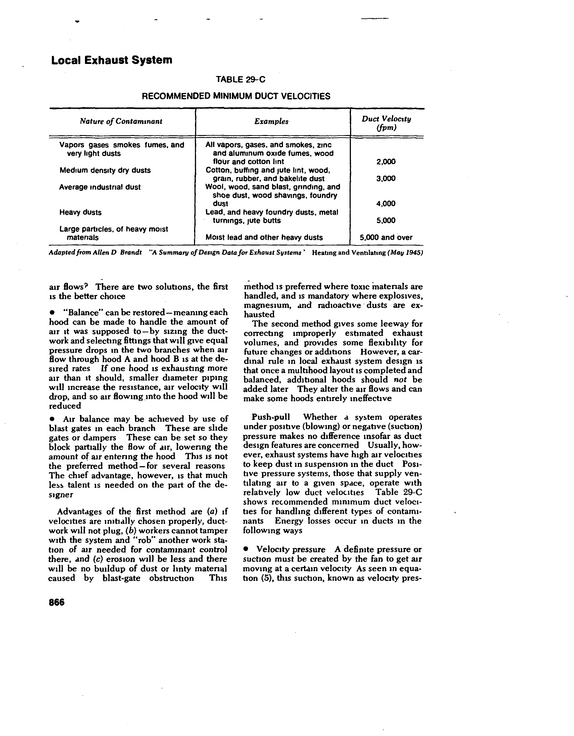
Local Exhaust System TABLE 29-C RECOMMENDED MINIMUM DUCT VELOCITIES Nature of Contaminant Examples Duct Velocity (fpm) Vapors gases smokes fumes, and very light dusts Medium density dry dusts Average industrial dust Heavy dusts Large particles, of heavy moist matenals All vapors, gases, and smokes, zinc and aluminum oxide fumes, wood flour and cotton lint Cotton, buffing and jute lint, wood, grain, rubber, and bakelite dust Wool, wood, sand blast, gnnding, and shoe dust, wood shavings, foundry dust Lead, and heavy foundry dusts, metal turnings, jute butts Moist lead and other heavy dusts 2,000 3,000 4,000 5,000 5.000 and over Adaptedfrom Allen D Brandt "A Summary ofDesign Data for Exhaust Systems ' Heating and Ventilating (May 1945) air flows'* There are two solutions, the first is the better choice "Balance" can be restored--meaning each hood can be made to handle the amount of air it was supposed to--by sizing the duct work and selecting fittings that will give equal pressure drops in the two branches when air flow through hood A and hood B is at the de sired rates If one hood is exhausting more air than it should, smaller diameter piping will increase the resistance, air velocity will drop, and so air flowing into the hood will be reduced Air balance may be achieved by use of blast gates m each branch These are slide gates or dampers These can be set so they block partially the flow of air, lowering the amount of air entering the hood This is not the preferred method --for several reasons The chief advantage, however, is that much less talent is needed on the part of the de signer Advantages of the first method are (a) if velocities are initially chosen properly, duct work will not plug, (b) workers cannot tamper with the system and "rob" another work sta tion of air needed for contaminant control there, and (c) erosion will be less and there will be no buildup of dust or linty material caused by blast-gate obstruction This method is preferred where toxic materials are handled, and is mandatory where explosives, magnesium, and radioactive dusts are ex hausted The second method gives some leeway for correcting improperly estimated exhaust volumes, and provides some flexibility for future changes or additions However, a car dinal rule in local exhaust system design is that once a multihood layout is completed and balanced, additional hoods should not be added later They alter the air flows and can make some hoods entirely ineffective Push-pull Whether a system operates under positive (blowing) or negative (suction) pressure makes no difference insofar as duct design features are concerned Usually, how ever, exhaust systems have high air velocities to keep dust in suspension m the duct Posi tive pressure systems, those that supply ven tilating air to a given space, operate with relabvely low duct velocities Table 29-C shows recommended minimum duct veloci ties for handling different types of contami nants Energy losses occur in ducts m the following ways Velocity pressure A definite pressure or suction must be created by the fan to get air moving at a certain velocity As seen in equa tion (5), this suction, known as velocity pres- 866
refid# omNyVDdwQbZkNLQD4GrXdew1X1 page
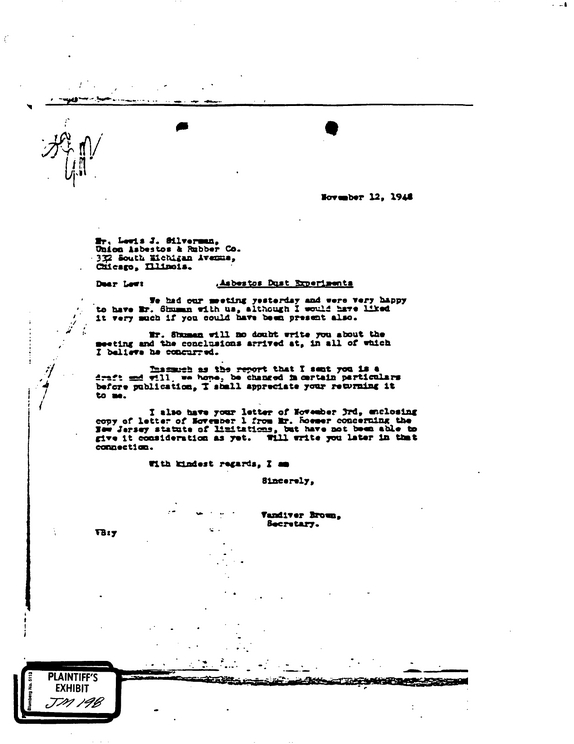
lorabtr 12, 1943 t, Udt J. ftlnrau, Onion Asbestos 4 Rnbber Co. 3 jp South SletvUu Ivtssa, Chicago, mi nolo.
refid# 855adV75moEeXd5vdwE3L6j0Z1 page
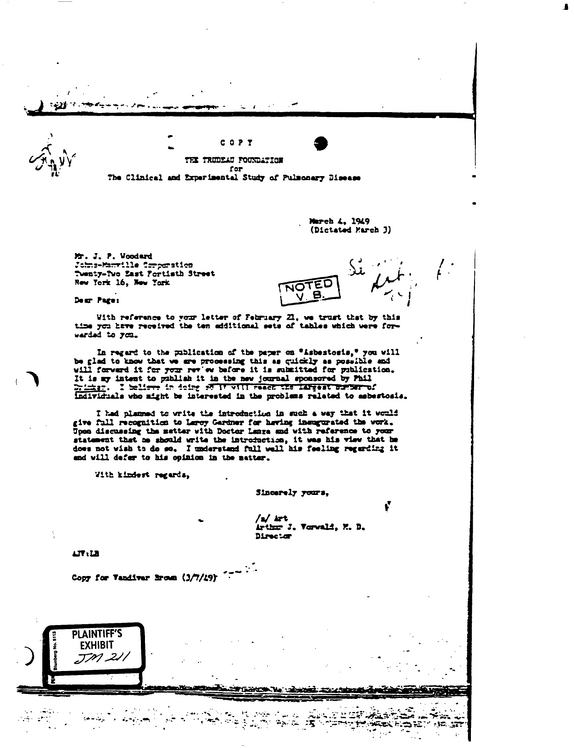
J Ikreh 4, 1949 (Dictated Pareh 3) Kr.
refid# 7MweE05wr68mzKY1v5nj8YdvB1 page
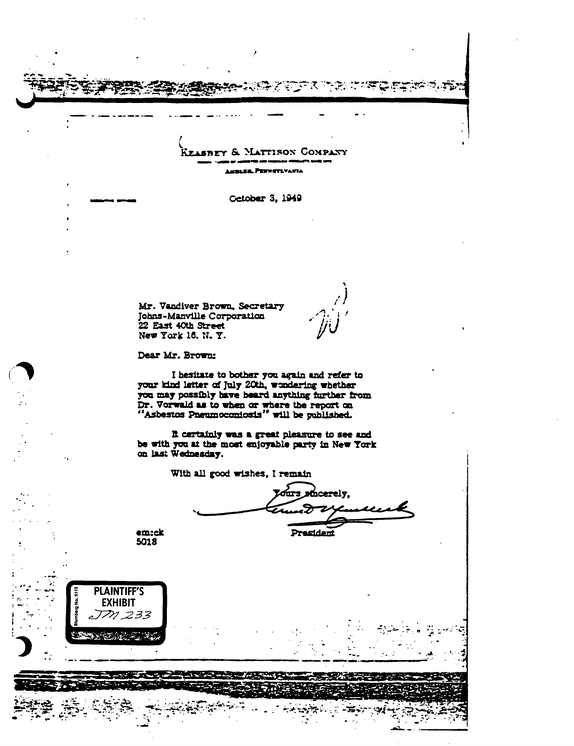
October 3, 1949 Mr.
refid# jmBd0Kzogvrv0oaYrGgbJD60N1 page
.O 42& >.* it r*p BOARD OP lOCMIIie HARFARE ^ 3/i-/)oT WLSHWOTOW.
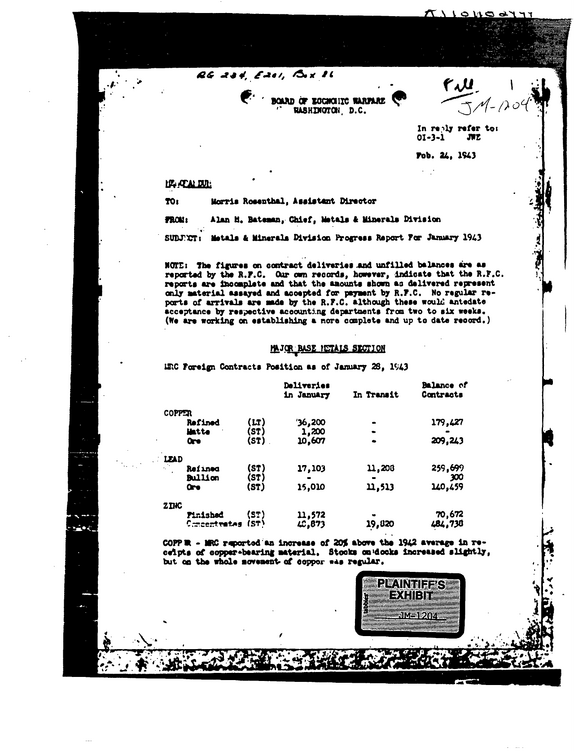
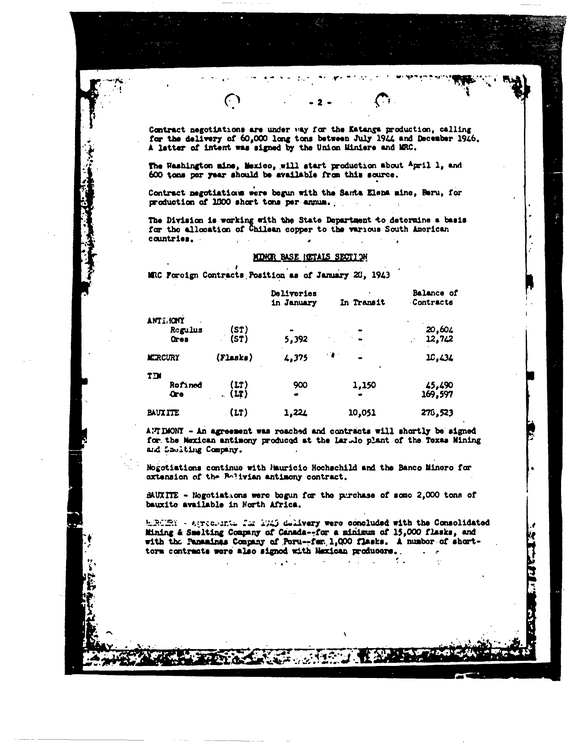
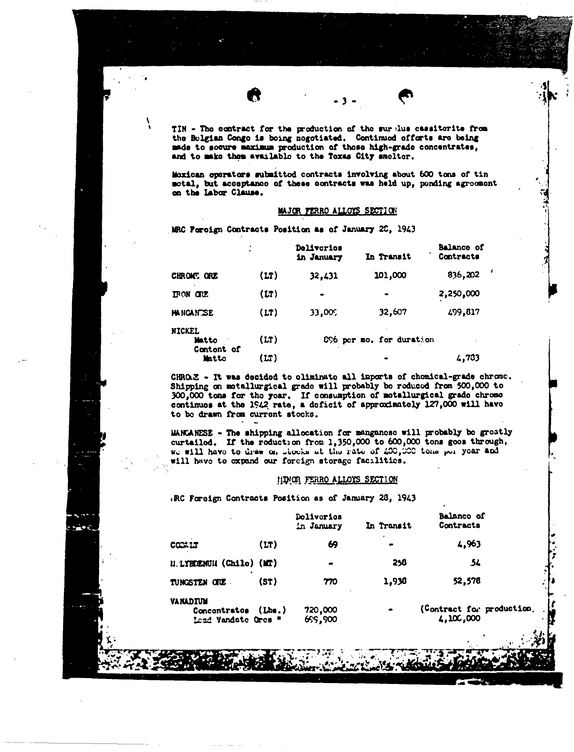
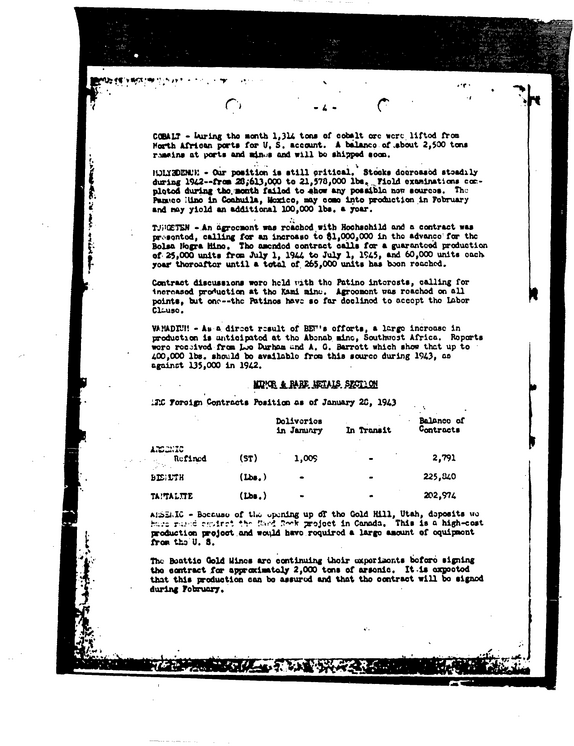
refid# mqQQJe5224Jqb9M4b2BX3OY6g9 pages
Llf4-Al Vauk at tyr flauJfattan <Eaat|iant) NEW YORK.
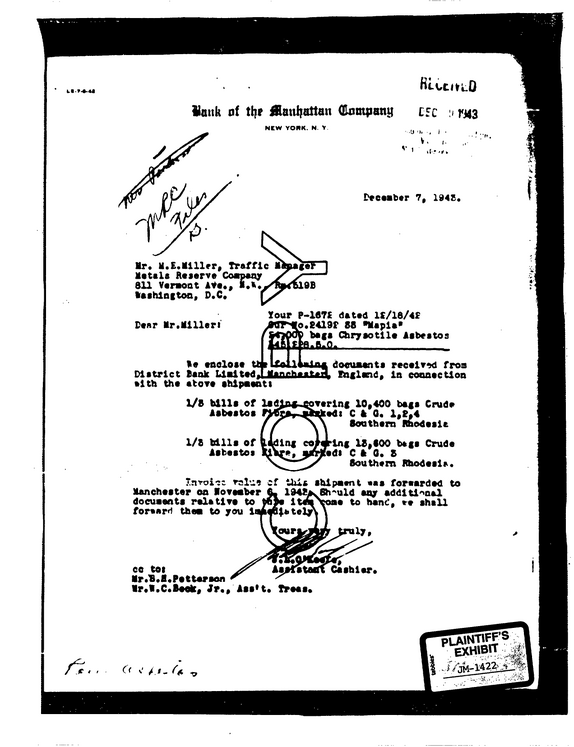
refid# MEYpaYvjL50bo5kQDx8pD2VV1 page
Hank of tyr IHaiUfatton C&ompatm NEW YORK.
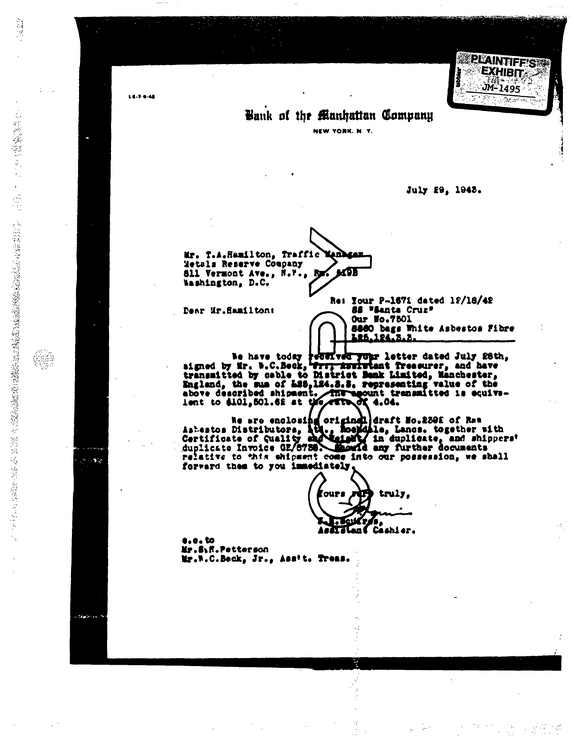
refid# rpry40VVKXgdjp5J6xm1rBDbv1 page
Vault nf tiff fflanljattau (Company N(M VOUK N V hLvrt.iVwU t?
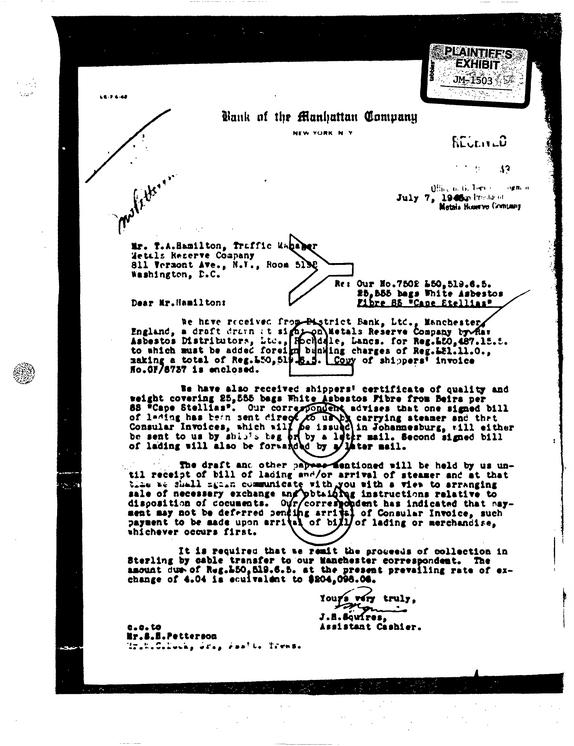
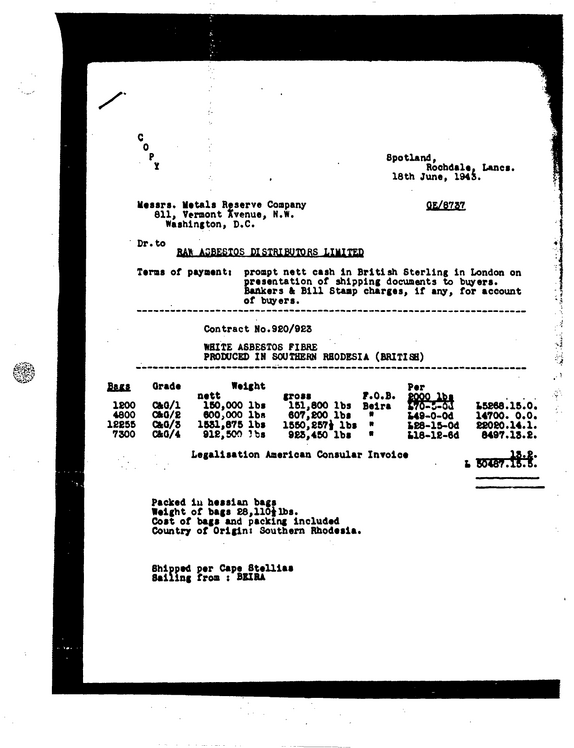
refid# dY81J7xv7LV1RqOpR60vd6w302 pages
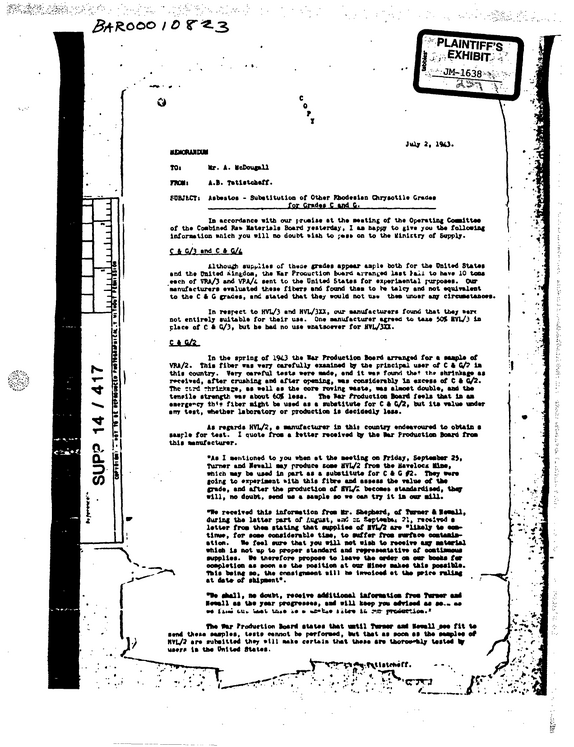
oo ; 0 r^-3 1 5 0.
refid# 3ebajxno9d0QYGokqwGD9nmdx1 page
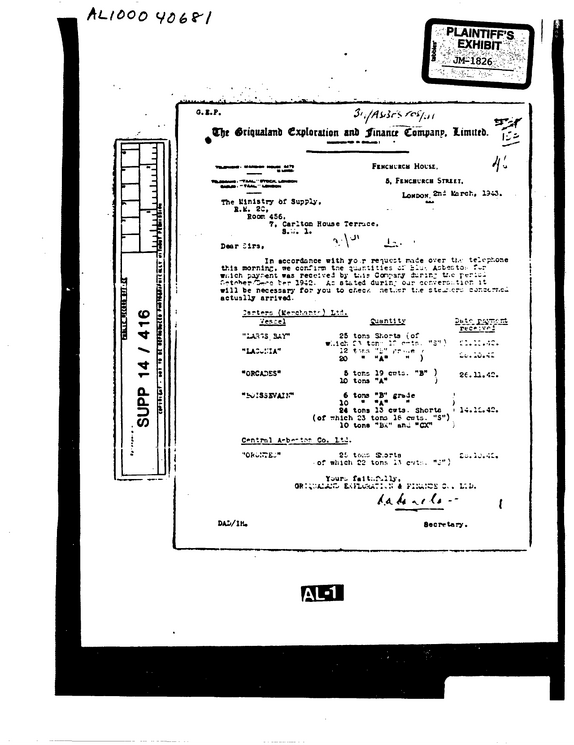
At-tooo yobri 0.1.P.
refid# 3J3VNDop7eYqq8d1vkr7G6Lgn1 page
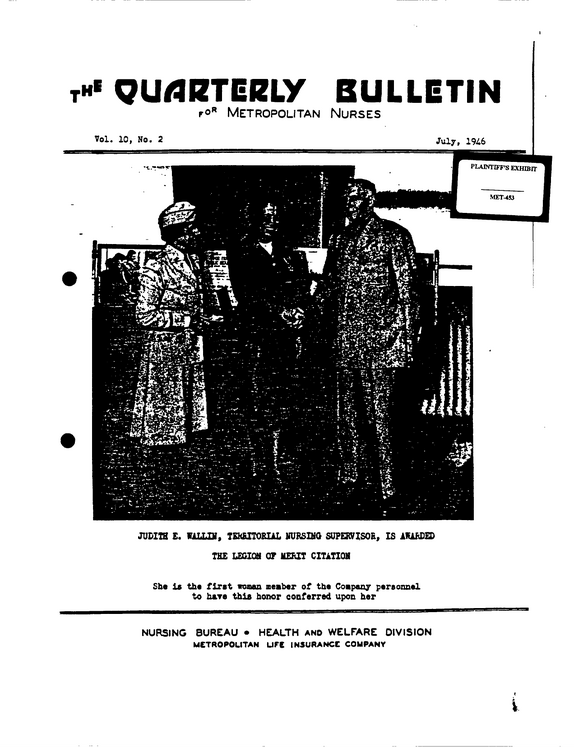
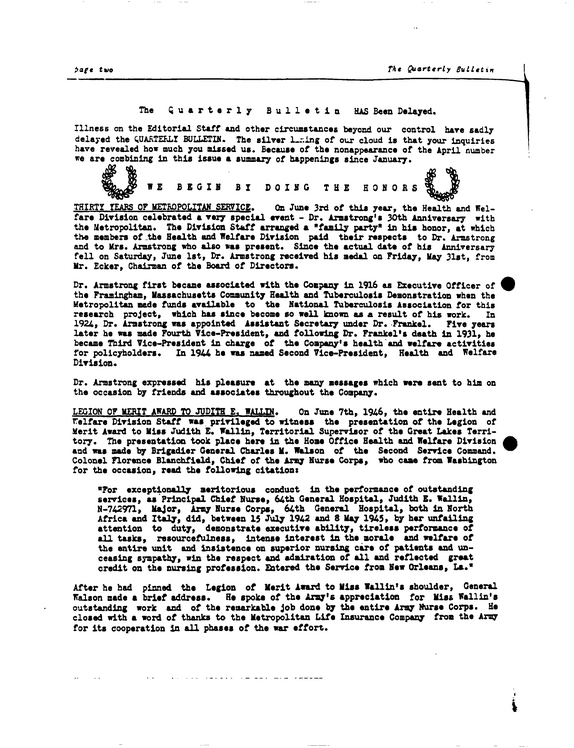
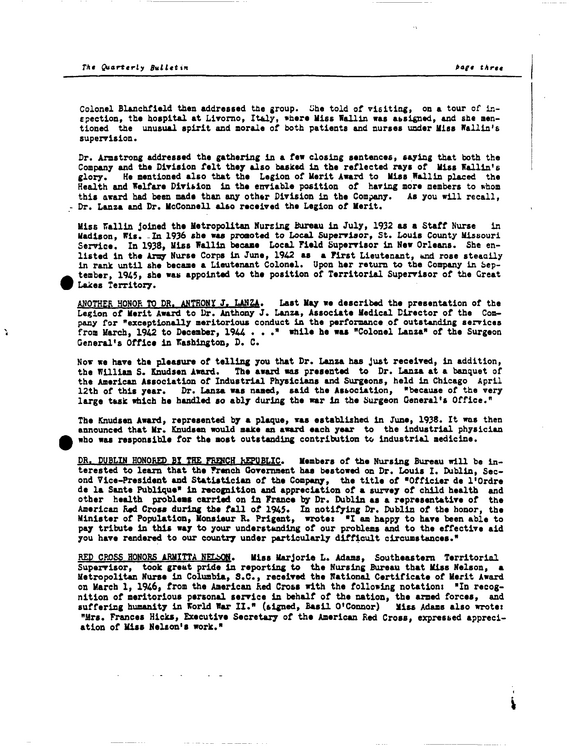
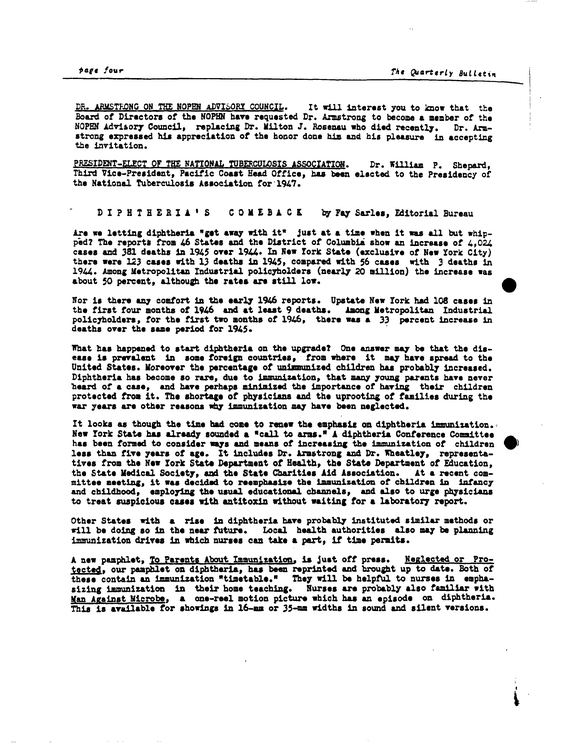
th* quarterly bulletin rR Metropolitan Nurses Vol. 10, No. 2 jul7f 1946 JUDITH E.
refid# 93rvL1rkXBpN54yQpyxyBo2MR12 pages
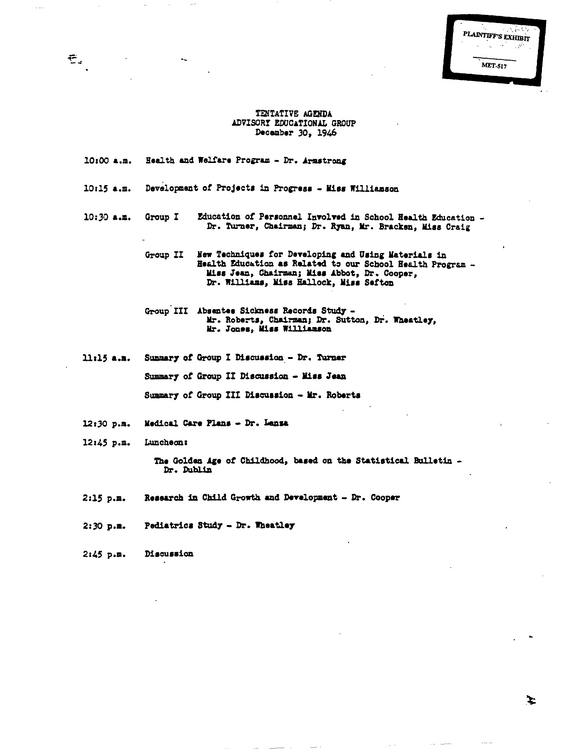
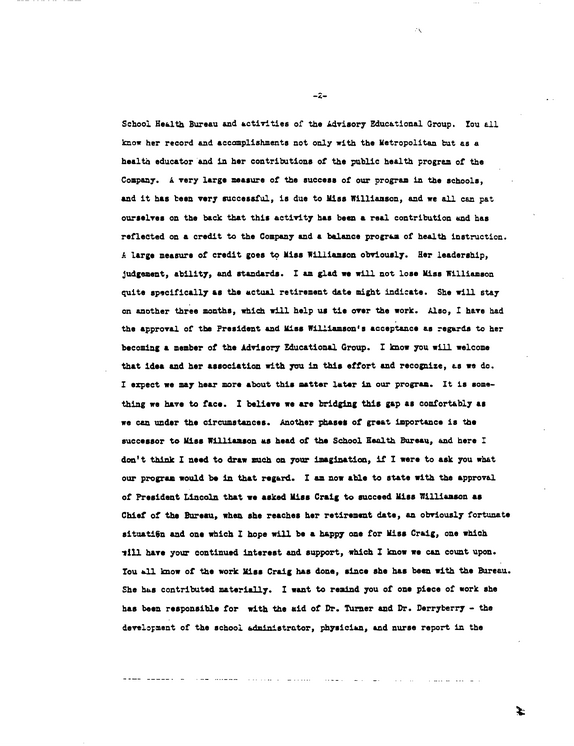
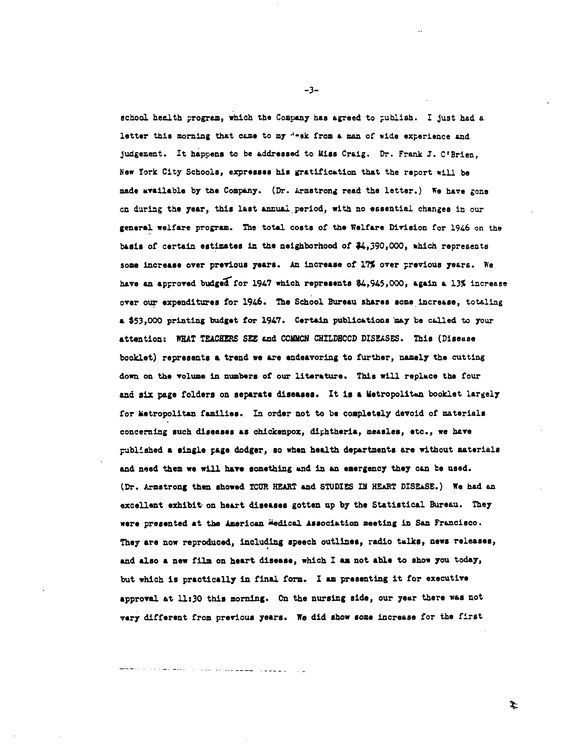
TENTATIVE agenda ADVISOR!
refid# 98rN75yV6z0KGYNL9w5mRbd520 pages
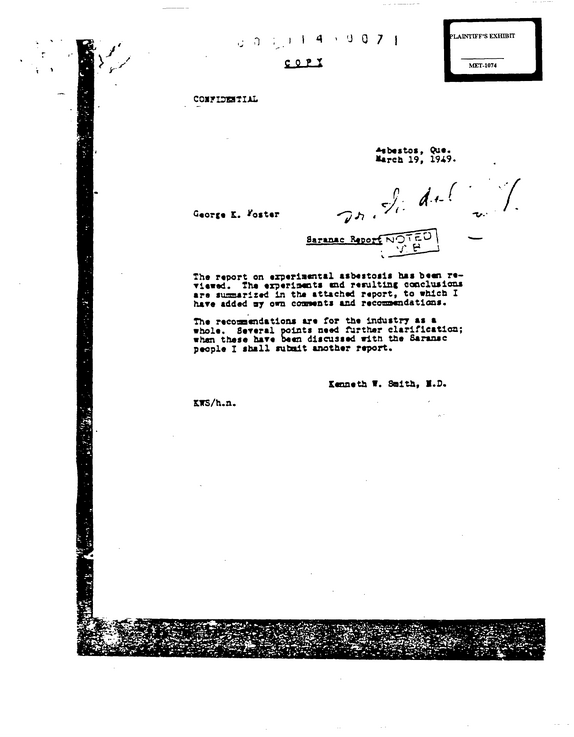
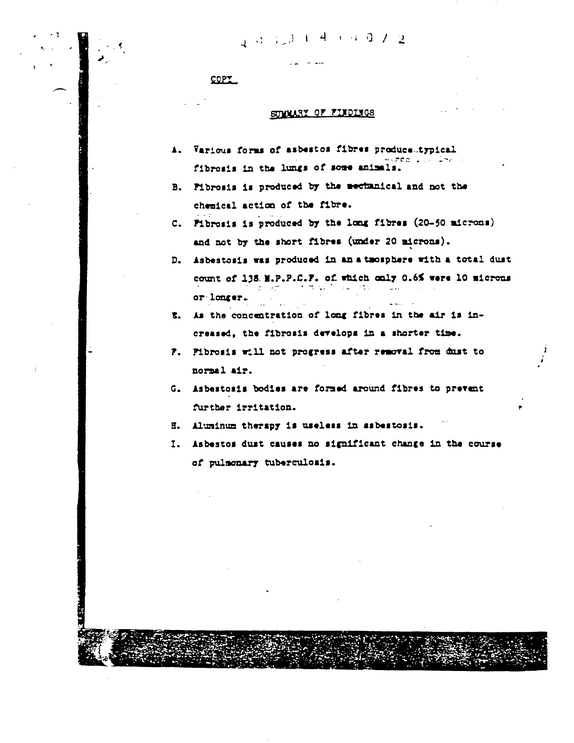
,j n | | 4 ' 'J 0 7 J PLAINTIFF'S EXHI C0IFI3HITIAL Georje K.
refid# NErojL0JjexvXYVMDga2wY0YQ6 pages
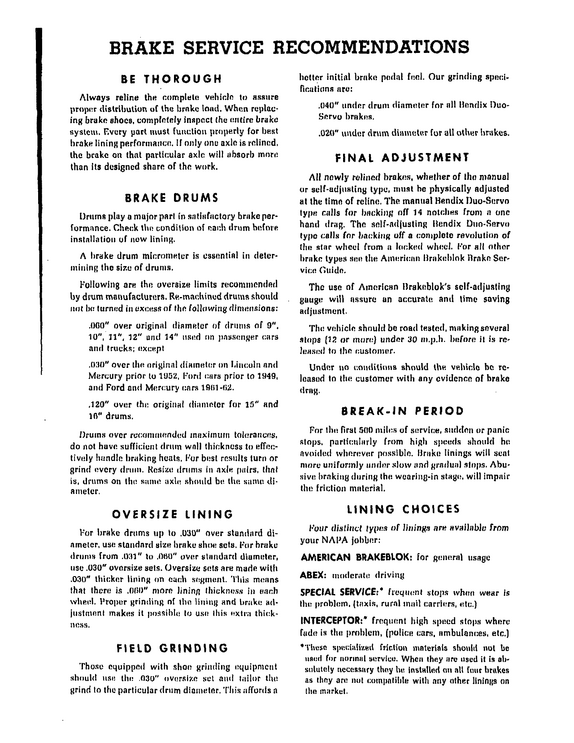
BRAKE SERVICE RECOMMENDATIONS BE THOROUGH Always reline the complete vehicle to assure proper distribution of the brake load.
refid# MM5V0a1za04RXp6RrdO8QG7ra1 page
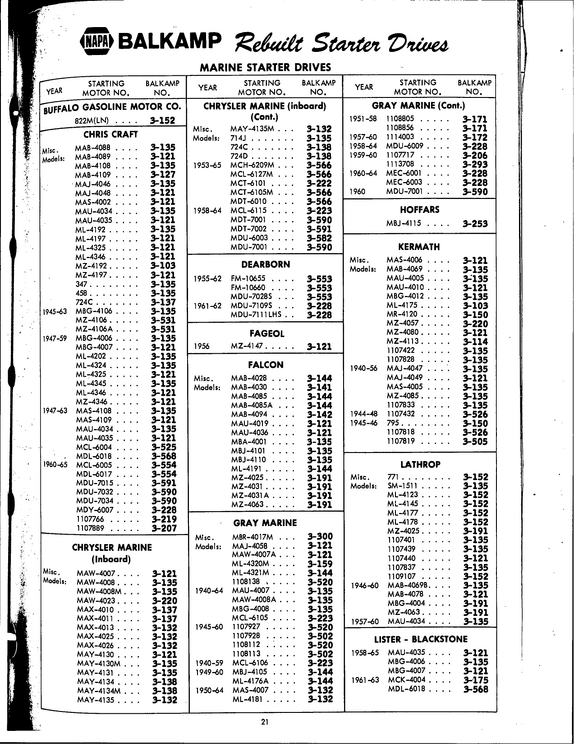
Wto BALKAMP `fce&tciit Sfant&i 'DniveA year STARTING MOTOR NO.
refid# RjEKGpDQQb5z9pgkRBbkxY7RV1 page