Refine
Estimated Years 1930-1939Clear
8,921 results foundRefine Search
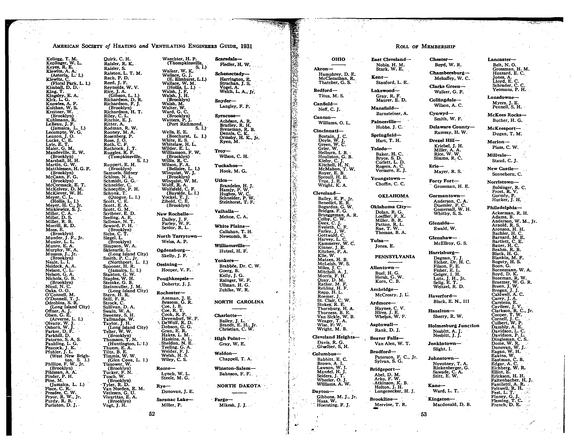
American Society of Heating and Ventilating Engineers Guide, 1931 Kellogg, T.
refid# YGozDRQZBX6RbaJogwnREx2eK1 page
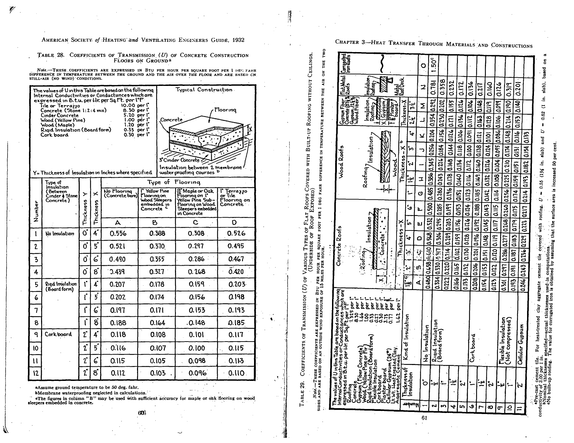
American Society, of Heating' 'and Ventilating Engineers Guide, 1932 Table 28.
refid# Xz0NL1yM2jBw9JVM4dLkYLDng1 page
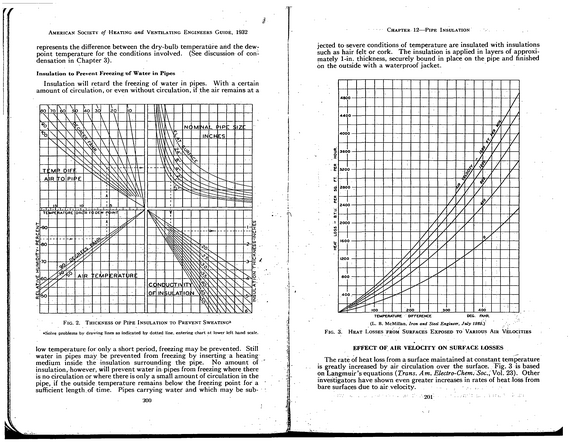
American Society of Heating and Ventilating Engineers Guide, 1932 represents the difference between the dry-bulb temperature arid the dew point temperature for the conditions involved.
refid# qdMRqN2VNavZQ8KjK09GG6q7x1 page
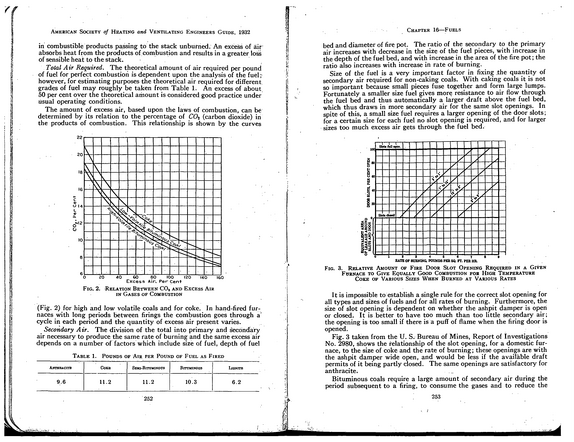
American Society of Heating and Ventilating Engineers Guide, 1932 in combustible products passing to the stack unburned.
refid# n9n9md1GpRJa16deGNGmq7VKw1 page
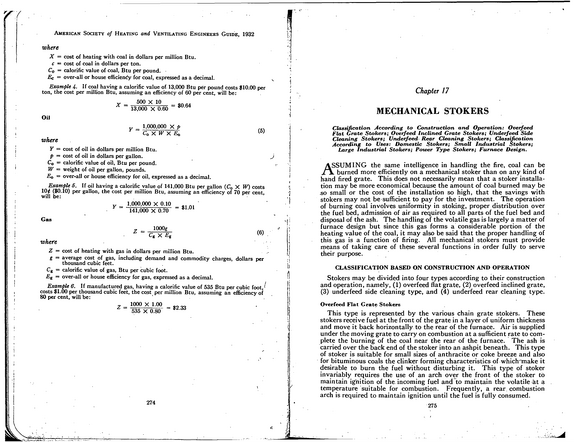
American Society of Heating and Ventilating Engineers Guide, 1932 where X = cost of heating with coal in dollars per million Btu. c = cost of coal in dollars per ton.
refid# VKoD3RZbJKYEoYL9xnBYOeODp1 page
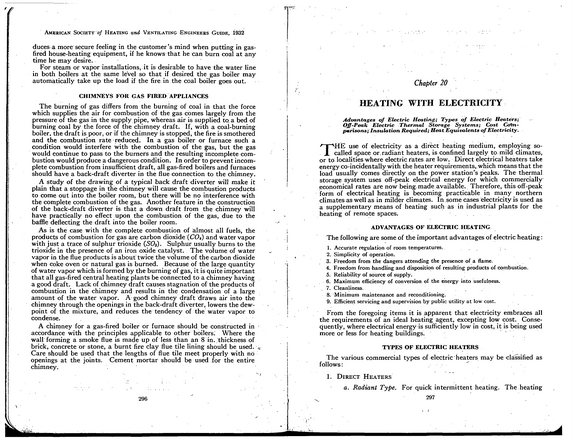
American Society of Heating and Ventilating Engineers Guide, 1932 duces a more secure feeling in the customer's mind when putting in gasfired house-heating equipment, if he knows that he can burn coal at any time he may desire.
refid# 06JY9O1RnxgyxyE9GNpZBRkbJ1 page
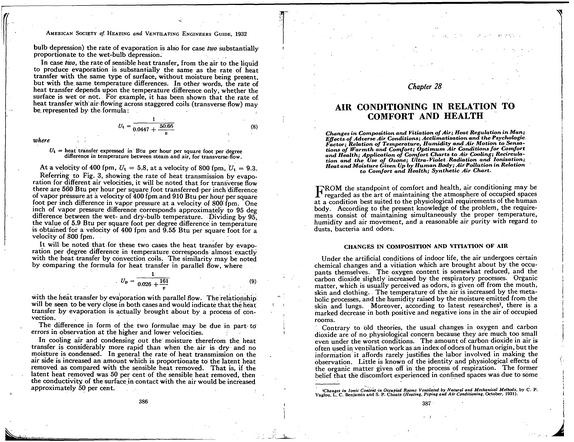
American Society of Heating and Ventilating Engineers Guide, 1932 bulb depression) the rate of evaporation is also for case two substantially proportionate to the wet-bulb depression.
refid# OwxEbKMKB323rd10MzjOraLw1 page
American Society of Heating and Ventilating Engineers Guide, 1932 Vapor Engineering Co. 825 Warren Webster & Co. 826-828 L.
refid# 50pxnK0MOb59M7mv5MVQ8QpBe1 page
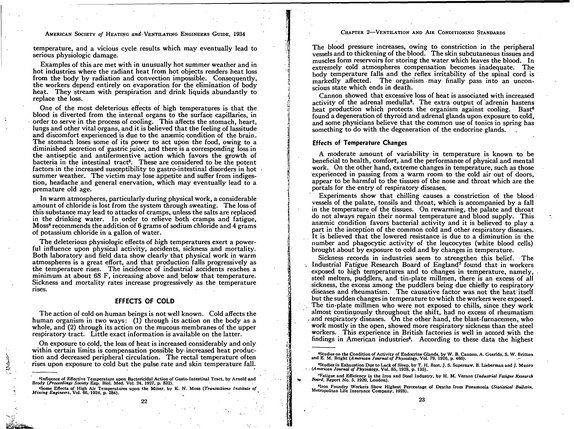
American Society of Heating and Ventilating Engineers Guide, 1934 temperature, and a vicious cycle results which may eventually lead to serious physiologic damage.
refid# ZJezy5OZbDnRjO2bQzVX6bLmV1 page
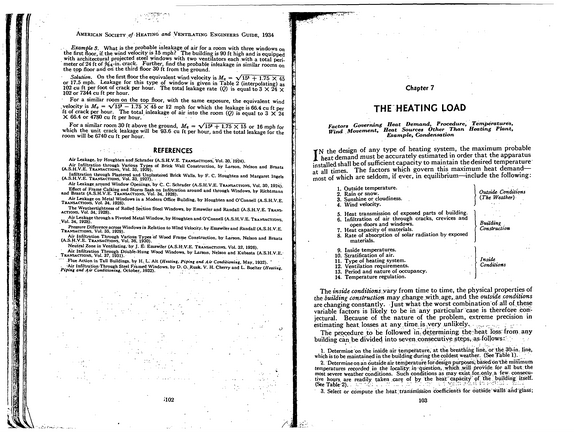
American Society of Heating and Ventilating Engineers Guide, 1934 Example S.
refid# MJE7D86gangL9LN5DV22Xak7x1 page
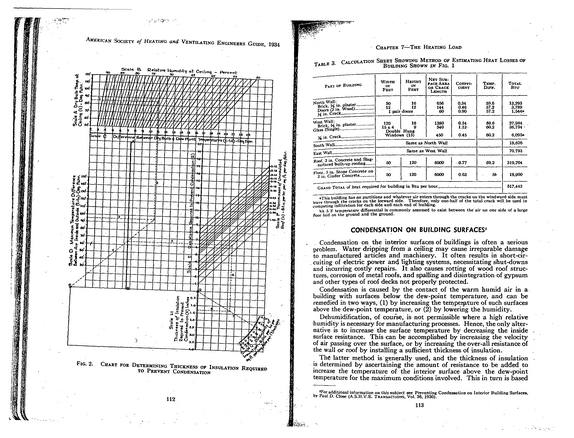
American Society of Heating and Ventilating Engineers Guide, 1934 112 Chapter 7--The Heating Load s Calculation Sheet Showing Method of Estimating Heat Losses of Table o.
refid# XzYmR0Kb6mvyo9xr3roKOp55G1 page
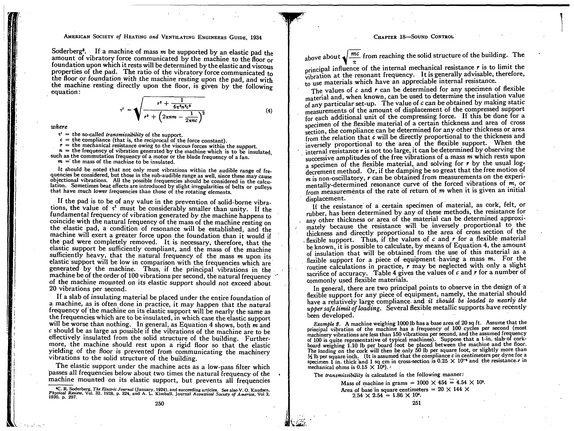
American Society of Heating and Ventilating Engineers Guide, 1934 Soderberg*.
refid# 5LQ5b6KzkKxgzbDB8wwXQVxQD1 page
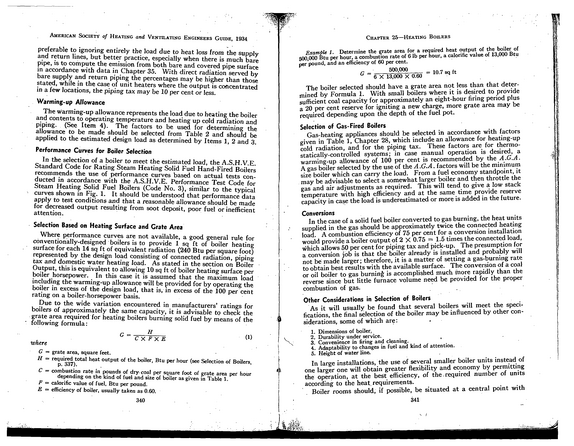
American Society of Heating and Ventilating Engineers Guide, 1934 Chapter 25--Heating Boilers preferable to ignoring entirely the load due to heat loss from the supply and return lines, but better practice, especially when there is much bare pipe, is to compute the emission from both bare and covered pipe surface in accordance with data in Chapter 35.
refid# KJpnv678M6bJkaMDoMYev7YR61 page
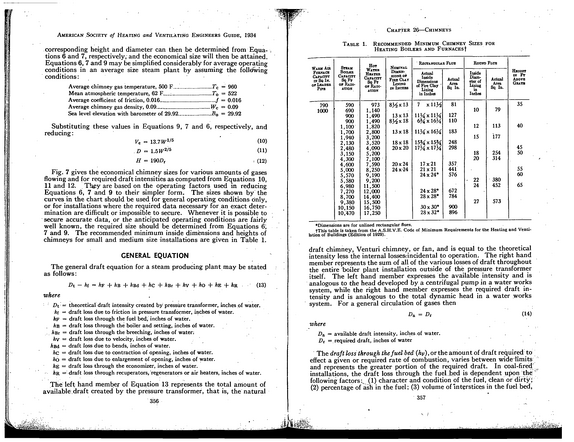
American Society of Heating and Ventilating Engineers Guide, 1934 corresponding height and diameter can then be determined from Equa tions 6 and 7, respectively, and the economical size will then be attained.
refid# Q9KZQDJ9zYKZwY2j424eK1Go1 page
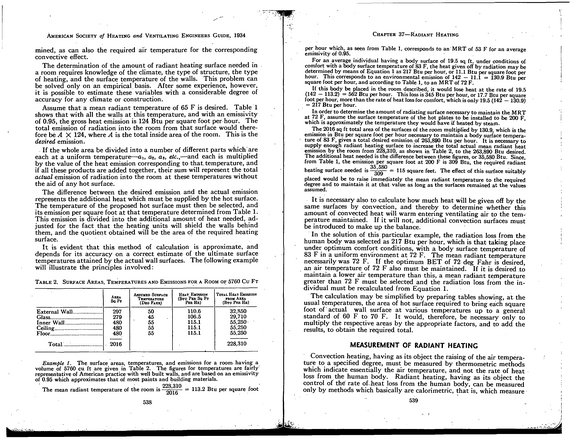
American Society of Heating and Ventilating Engineers Guide, 1934 mined, as can also the required air temperature for the corresponding convective effect.
refid# 5kzE3mBpdp44NX0dZdLakQ2xD1 page