Refine
Estimated Years 1930-1939Clear
8,921 results foundRefine Search
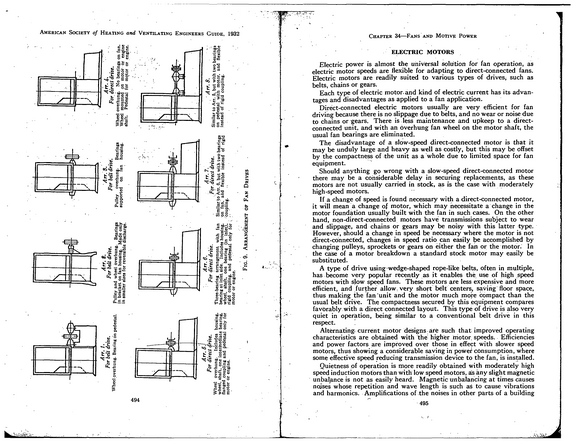
American Society of Heating and Ventilating Engineers Guide, 1932 j I $ 1 Chapter 34--Fans and Motive Power ELECTRIC MOTORS Electric power is almost the universal solution for fan operation, as electric motor speeds are flexible for adapting to direct-connected fans.
refid# re9dk4B2bkX87jGBJ5q96g2Qr1 page
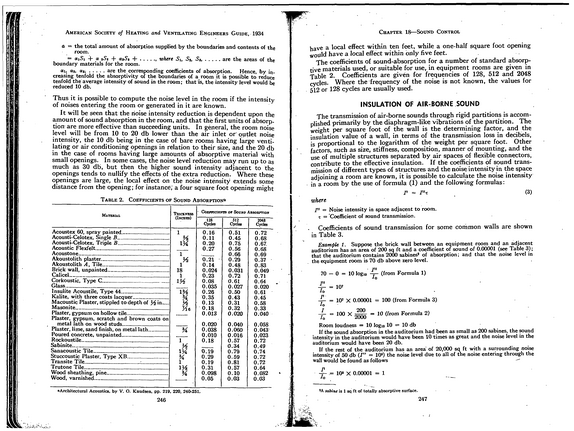
American Society of Heating and Ventilating Engineers Guide, 1934 a = the total amount of absorption supplied by the boundaries and contents of the room. = i5i + a tSt + atSi +.........., where Si, St, St.............are the areas of the boundary materials for the room. i.
refid# jNg49RbGdBN4pEx4mzr1Kyo4N1 page
American Society of Heating and Ventilating Engineers Guide, 1934 3.
refid# GzVOvn7d86jeyDDZvzmmd9Xvm1 page
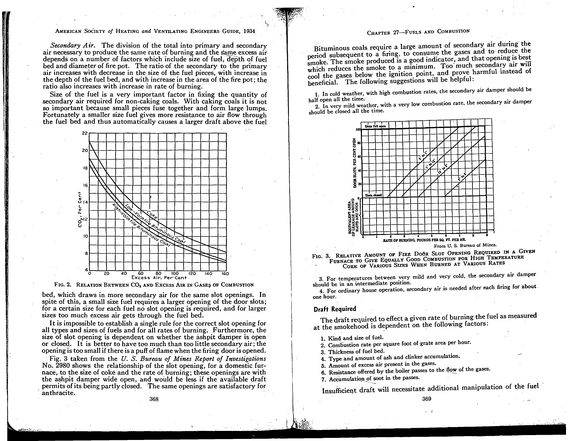
American Society of Heating and Ventilating Engineers Guide, 1934 s Secondary Air.
refid# V3zgKQknZ7GZg4rgvLbj9rGd81 page
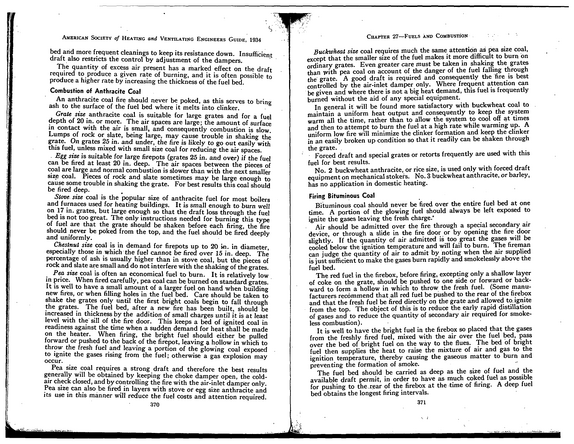
s: American Society of Heating and Ventilating Engineers Guide, 1934 bed and more frequent cleanings to keep its resistance down.
refid# a4aRg4oxmL24XgBx81L475MRb1 page
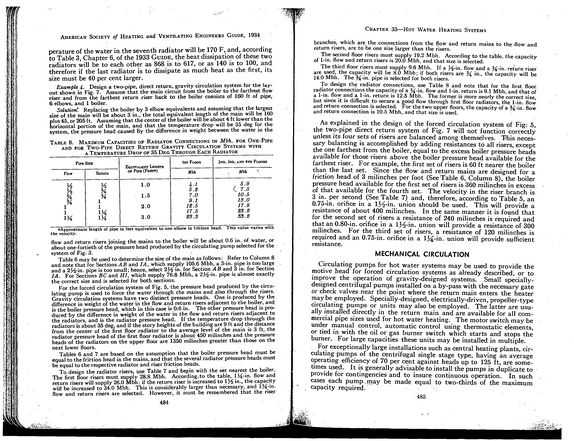
American Society of Heating and Ventilating Engineers Guide, 1934 perature of the water in the seventh radiator will be 170 F, and, according to Table 3, Chapter 6, of the 1933 Guide, the heat dissipation of these two radiators will be to each other as 868 is to 617, or as 140 is to TOO, and therefore if the last radiator is to dissipate as much heat as the first, its size must be 40 per cent larger.
refid# LKeJJpKaOZvyZqLMLD7NdEZx51 page
American Society o/ Heating, and Ventilating Engineers Guide, 1934.
refid# EvEXvvR5pb4q8ZR4q8Bz0Dbzn1 page
American Society of Heating and Ventilating Engineers Guide, 1935 I" Note.
refid# 8RbKgdbJQXobzGj7gdG50gdem1 page
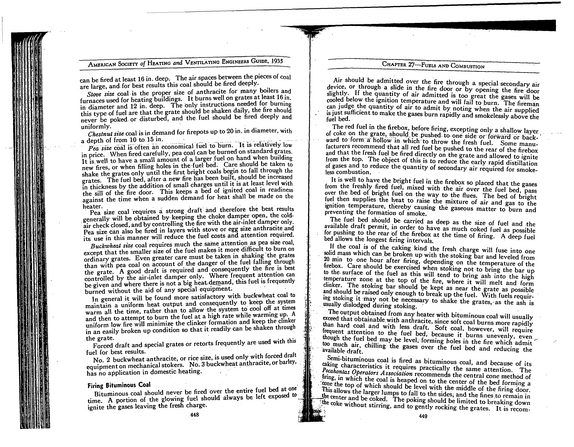
American Society of Heating and Ventilating Engineers Guide, 1935~ can be fired at least 16 in. deep.
refid# DMZawryoZDOOpq0RNJBeEQ73B1 page
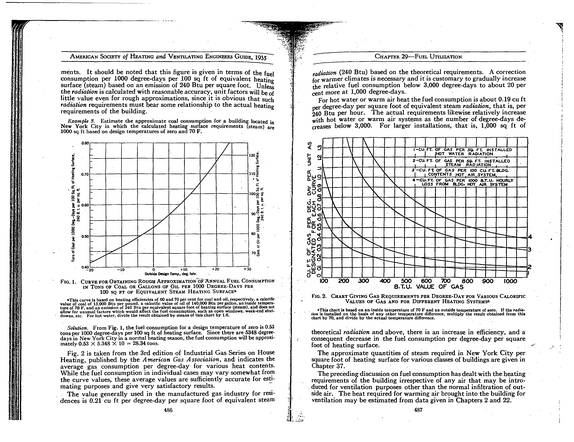
American Society of Heating and Ventilating Engineers Guide, 1935 ments.
refid# 6w7rNNZbnVyEeeyp1OdG2ok6o1 page
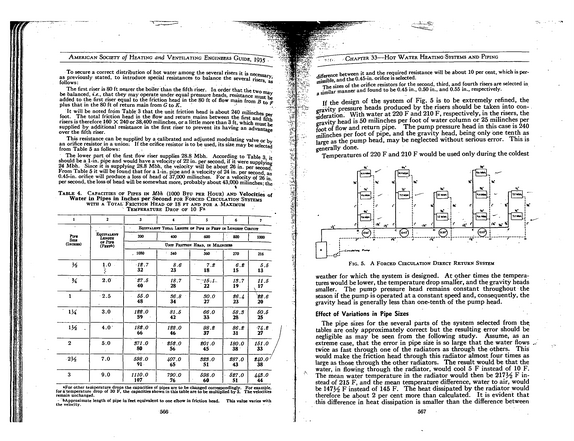
American Society of Heating and Ventilating Engineers Guide, "1935 To secure a correct distribution of hot water among the several risers it is necessa as p. reviously stated, to introduce special resistances to balance the several riser?
refid# rerKvJKRegaD5DLVoxxegxQbv1 page
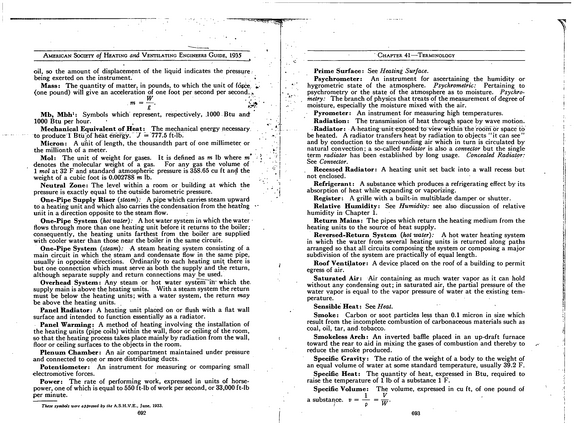
American Society of Heating and Ventilating Engineers Guide, 1935 oil, so the amount of displacement of the liquid indicates the pressure.
refid# bOxJqZJ2r9VaOd7ORxDNY26o11 page
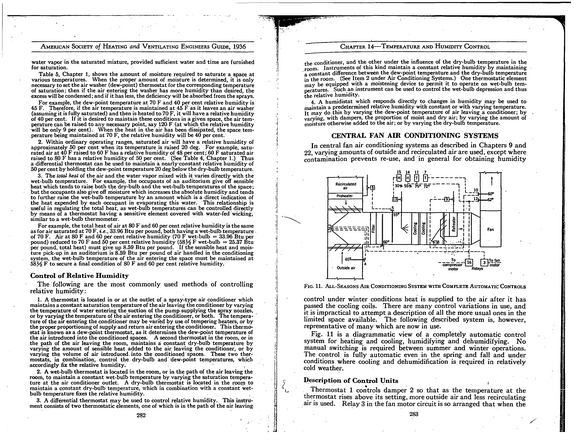
American Society of Heating and Ventilating Engineers Guide, 1936 water vapor in the saturated mixture, provided sufficient water and time are furnished for saturation.
refid# 1QezXr4pK3DjzMoqL4Qgd14ME1 page
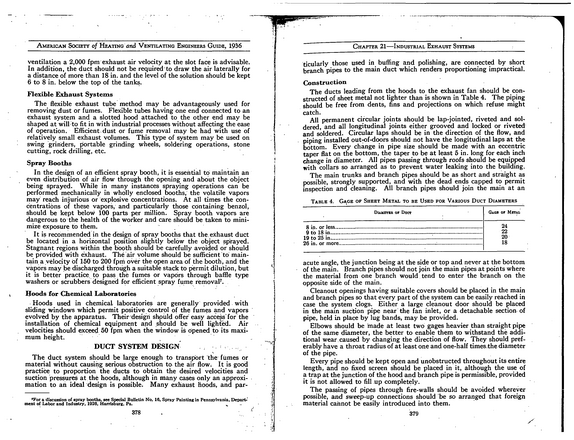
American Society of Heating and Ventilating Engineers Guide, 1936 ventilation a 2,000 fpm exhaust air velocity at the slot face is advisable.
refid# npOEw0Z2q7O5B821gV2mYwpO11 page
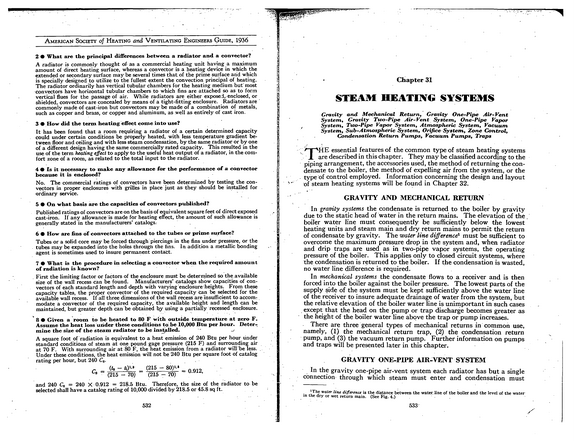
American Society of Heating and Ventilating Engineers Guide, 1936 2 What are the principal differences between a radiator and a convector?
refid# zQOx1kjpvDROXrd9aR65GgGZB1 page