Refine
Estimated Years 1930-1939Clear
8,921 results foundRefine Search
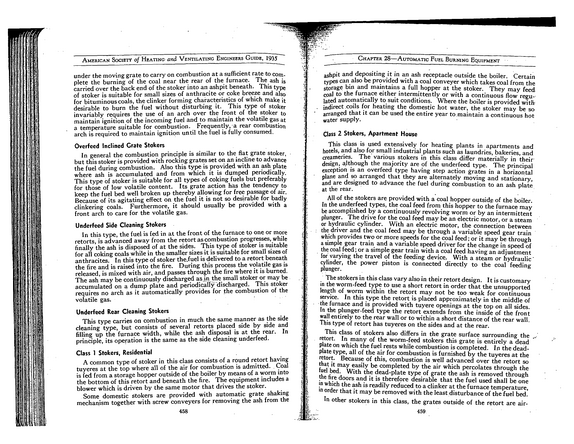
American Society of Heating and Ventilating Engineers Guide, 1935 under the moving grate to carry on combustion at a sufficient rate to com plete the burning of the coal near the rear of the furnace.
refid# v68YaDEL859oY9DBpn1OK8mNm1 page
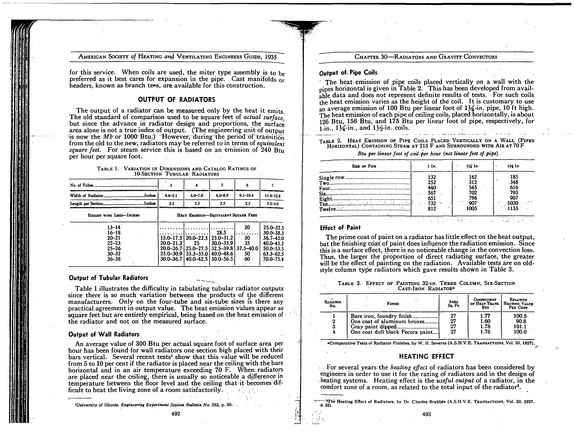
American Society of Heating and Ventilating Engineers Guide, 1935 for this service.
refid# v6aJMaQ7gyrkpJr7o2mk5J1RR1 page
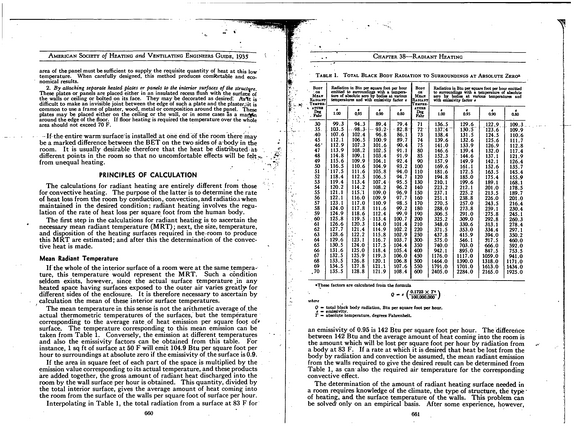
of andAmerican Society Heating Ventilating Engineers Guide, 1935 area of the panel must be sufficient to supply the requisite quantity of heat at this low temperature.
refid# 6M96vkKLoZYojGrpnGV4Ea4R1 page
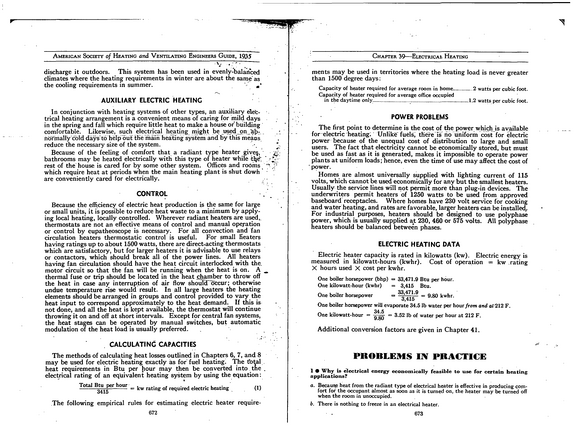
American Society of Heating and Ventilating Engineers Guide, 1935 discharge it outdoors.
refid# k9jYxZ03kv6V5D4b4r5JMXrnD1 page
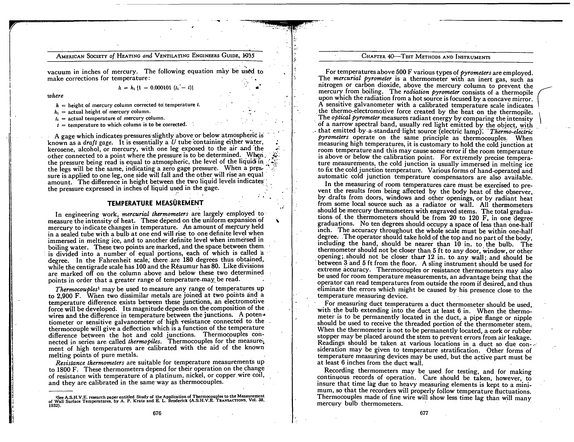
of and 1935American Society Heating Ventilating Engineers Guide, vacuum in inches of mercury.
refid# V3V8gYGqqDddjX59qbK2moVVg1 page
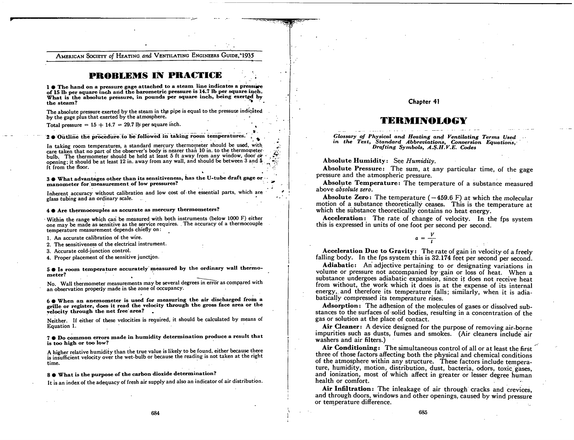
American Society of Heating and Ventilating Engineers Guide,"1935 PROBLEMS IN PRACTICE 1 The hand on a pressure gage attached to a steam line indicates a pressure of 15 lb per square inch arid the barometric pressure is 14.7 lb per square inch.
refid# RJE4vxqpGpXEZ48kLg77YOmek1 page
nr American Society of Heating and Ventilating Engineers Guide, 1935 PACKING, Asbestos Johns-Manville, 854-855 PANELS, Insulated Insuiite Co., The, 852 PANELS, Structural Insuiite Co., The, 852 PIPE, Asbestos Johns-Manville, 854-855 PLASTER BASE, Insulating Celotex Co., The, 846-847 Certain-teed Products Corp., 848-849 Insuiite Co., The, 852 International Fibre Board, Ltd., 853 Johns-Manville, 854-855 Reynolds Metals Co..
refid# mqMYe3BzGVyXwaVaJQZ0qYDgB1 page
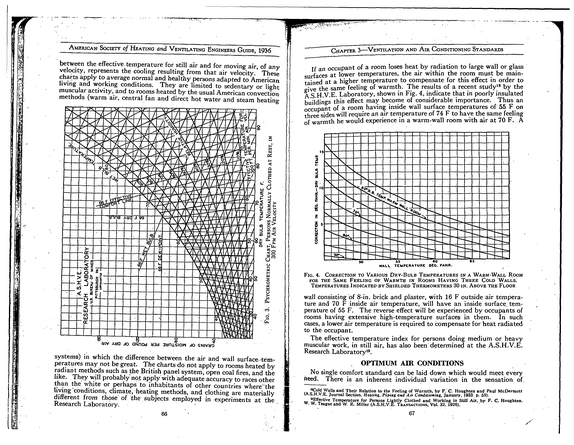
American Society of Heating and Ventilating Engineers Guide, 1936 between the effective.temperature for still air and for moving air, of any velocity, represents the cooling resulting from that air velocity.
refid# 3N2zX6pgKBk73Y4N4VQDV9Xx61 page
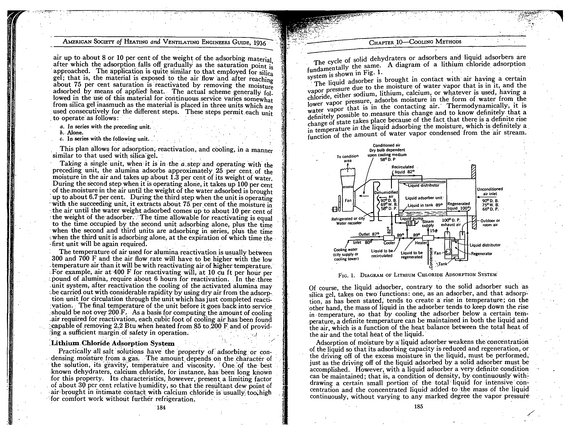
American Society of Heating and Ventilating Engineers Guide, 1936 i air up to about 8 or 10 per cent of the weight of the adsorbing material after which the adsorption falls off gradually as the saturation point is approached.
refid# zd0BvdKrGzeGyEX5vVoe3EOL71 page
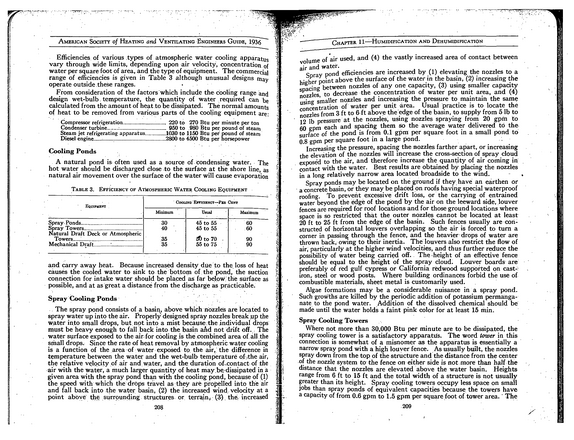
i American Society of Heating and Ventilating Engineers Guide, 1936 Efficiencies of various types of atmospheric water cooling apparatus vary through wide limits, depending upon air velocity, concentration of water per square foot of area, and the type of equipment.
refid# qk3GQXJp1DxY1va06dqZgrrwx1 page
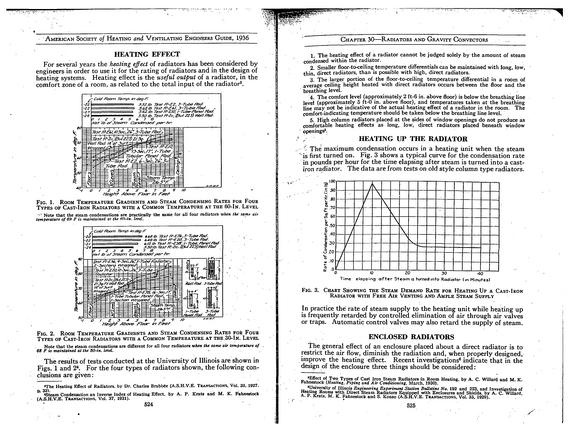
American Society of Heating and Ventilating Engineers Guide, 1936 HEATING EFFECT For several years the heating effect of radiators has been considered by engineers in order to use it for the rating of radiators and in the design of heating systems.
refid# nbkp0xDqJpG770O1yy66D8jz1 page
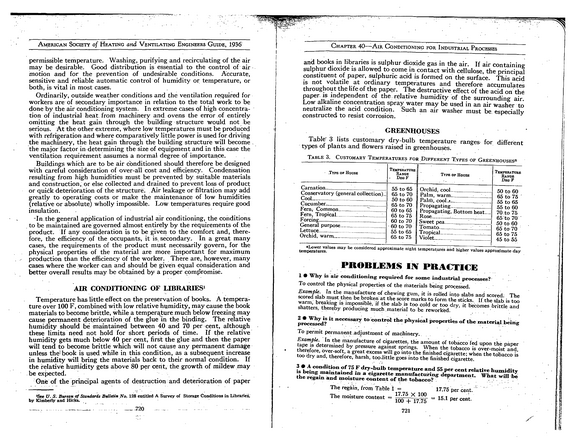
American Society of Heating and Ventilating Engineers Guide, 1936 permissible temperature.
refid# 5LGv14kNEa5ngZpEqkzj7n1281 page
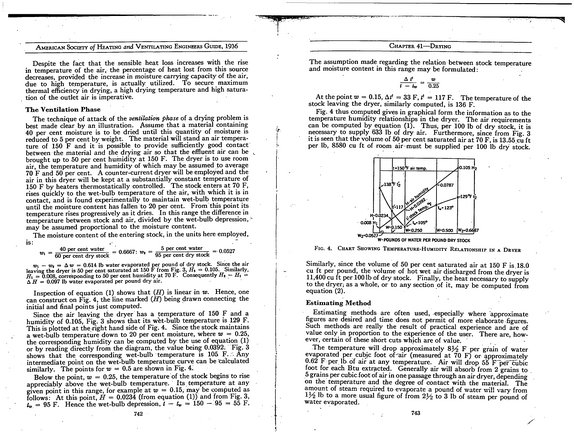
American Society of Heating and Ventilating Engineers Guide, 1936 Despite the fact that the sensible heat loss increases with the rise in temperature of the air, the percentage of heat lost from this source decreases, provided the increase in moisture carrying capacity of the air, due to high temperature, is actually utilized.
refid# 4knrMoeR0LJZMBm6a23oYZrN1 page
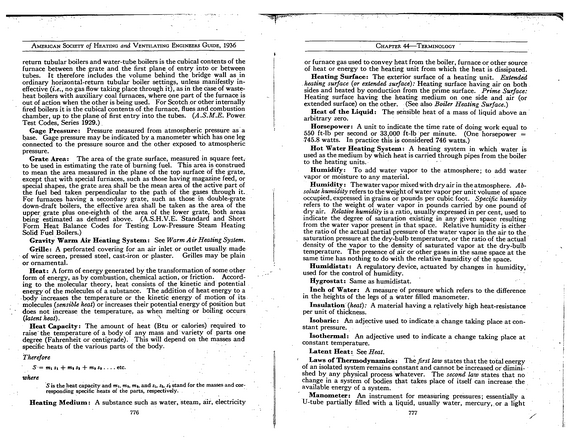
American Society of Heating and Ventilating Engineers Guide, 1936 return tubular boilers and water-tube boilers is the cubical contents of the furnace between the grate and the first plane of entry into or between tubes.
refid# qgBNzbV50jDbBRbRqxwbnYJj1 page
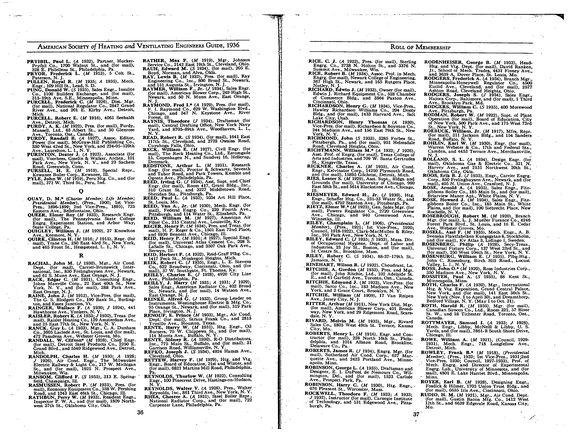
American Society of Heating and Ventilating Engineers Guide, 1936 PRYIBIL, Paul L.
refid# yYQVMyRxeLXgwrqy015VN0En1 page