Refine
Estimated Years 1930-1939Clear
8,921 results foundRefine Search
American Society of Heating and Ventilating Engineers Guide, 1930 ___ Table 1.
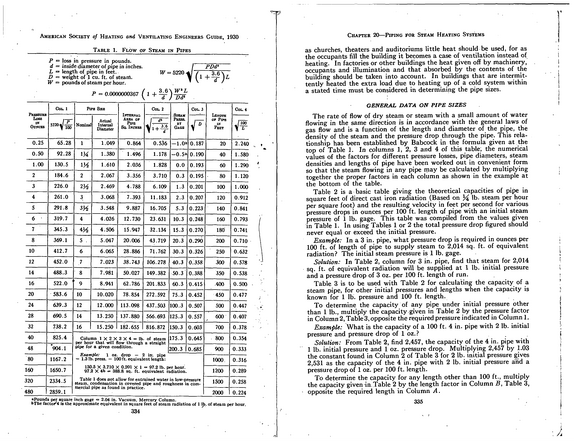
refid# np90jq9J1aE07o0wZ5OgJ2zG11 page
American Society of Heating and Ventilating Engineers Guide, 1930 Table 16.
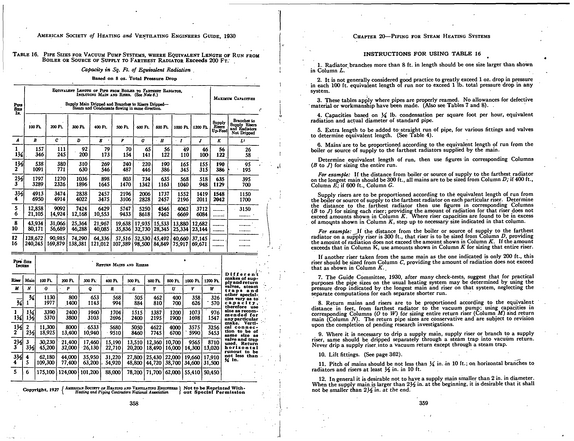
refid# evY9j9NJmJ2Zq841JNQkqkxNm1 page
American Society of Heating and Ventilating Engineers Guide, 1930 BJERKEN, Maurice H.
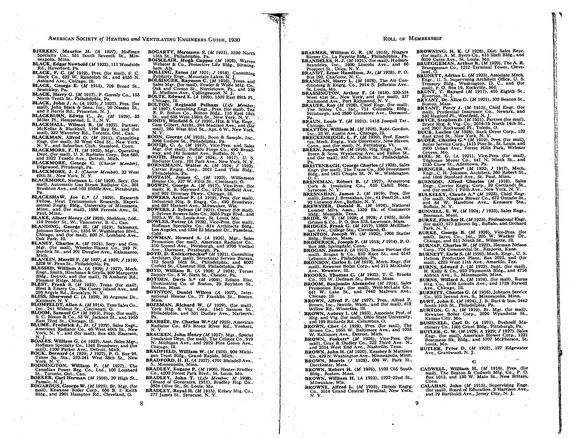
refid# d01zvkzqabm9geBvovY6b2w61 page
H.rr American Society of Heating and Ventilating Engineers Guide, 1931 plus the linear feet of sash section in contact with"steel work (at a different leakage rate) at mullions.
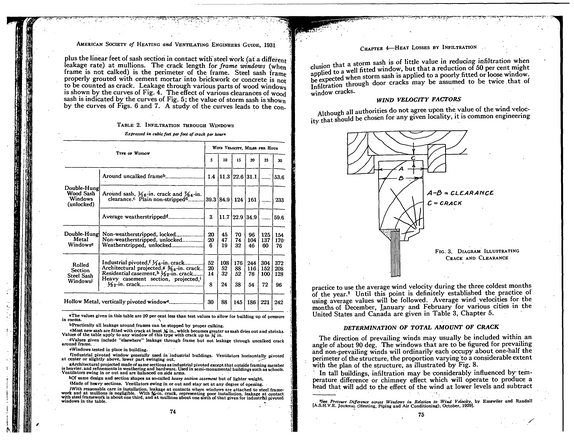
refid# o2p5By5oL7xBnpqXKn8Z2rKg1 page
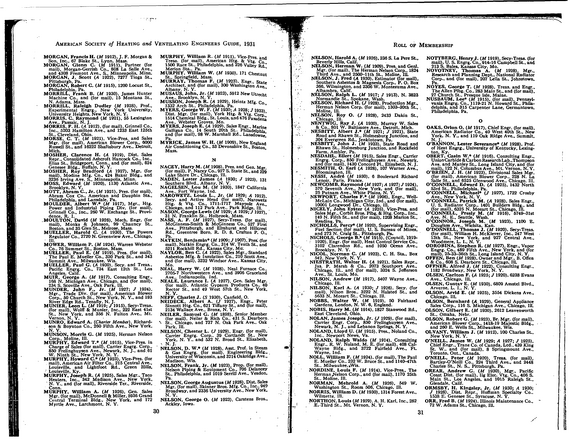
American Society of Heating and Ventilating Engineers Guide, 1931 MORGAN.
refid# 3eQoxJOgZ65qjpBBO7n0Q0ag31 page
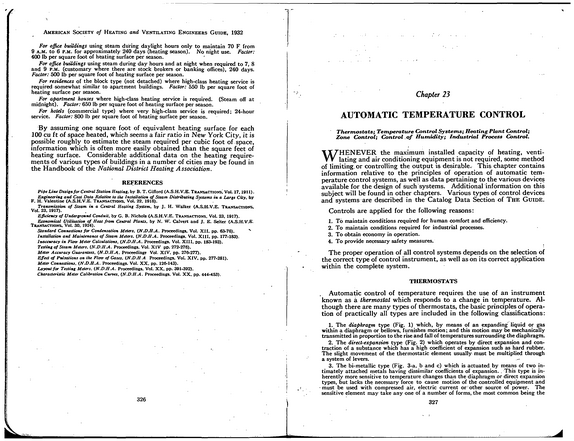
American Society of Heating and Ventilating Engineers Guide, 1932 For office buildings using steam during daylight hours only to maintain 70 F from 9 a.m. to 6 p.m. for approximately 240 days (heating season).
refid# 3Qdy6oV1mgmdEV0aex65OmLXD1 page
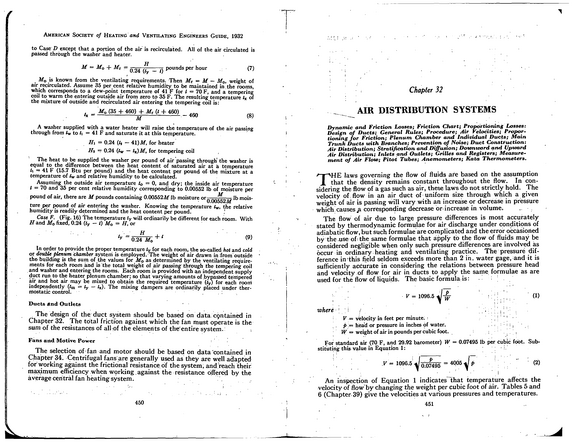
American Society of Heating and Ventilating Engineers Guide, 1932 to Case D except that a portion of the air is recirculated.
refid# MGKng2RwQp7Xdze4dz6n8jRnz1 page
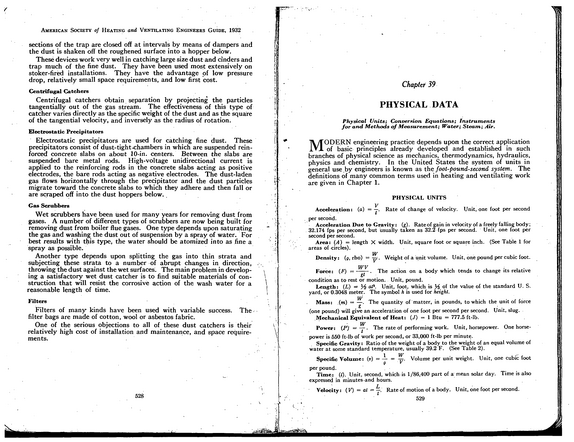
American Society of Heating and Ventilating Engineers Guide, 1932 sections of the trap are closed off at intervals by means of dampers and the dust is shaken off the roughened surface into a hopper below.
refid# mqbvz2JJ9a8Jd6799ddd02ko41 page
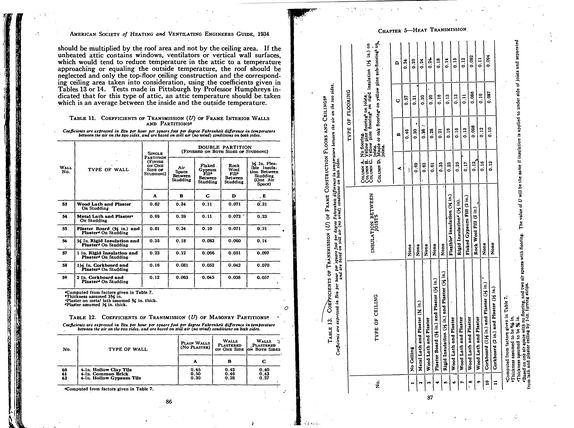
American Society of Heating and Ventilating Engineers Guide, 1934 should be multiplied by the roof area and not by the ceiling area.
refid# 6RExLy0Mdjddo27yY68zp6R891 page
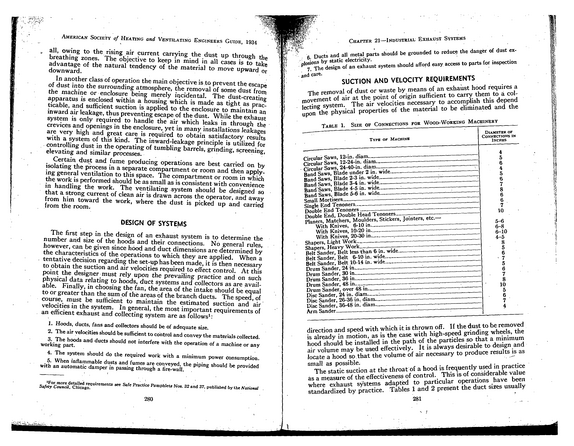
American Society of Heating and Ventilating Engineers Guide, 1934 , all, owing to the rising air current carrying the dust up through the breathing zones.
refid# gDam753K84pZK5KZRqVXNBay31 page
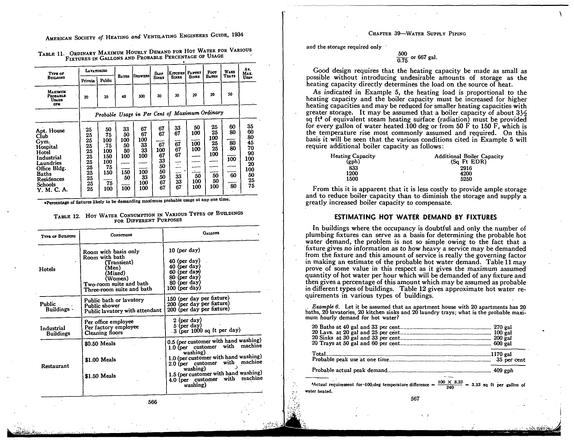
American Society of.
refid# re9exbZp0pwBXd1mRMD983LXv1 page
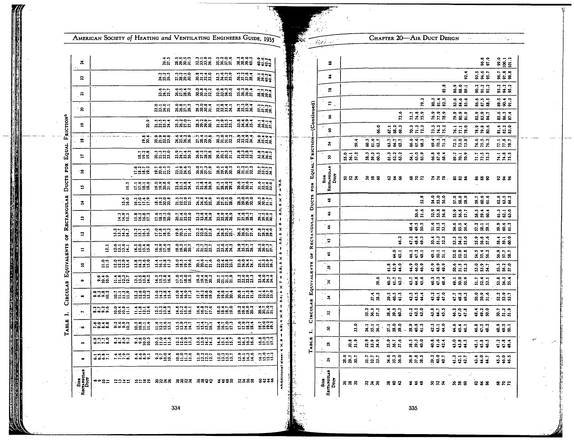
T able 1.
refid# evBgM9YaDanNy3yreB70X7QGe1 page
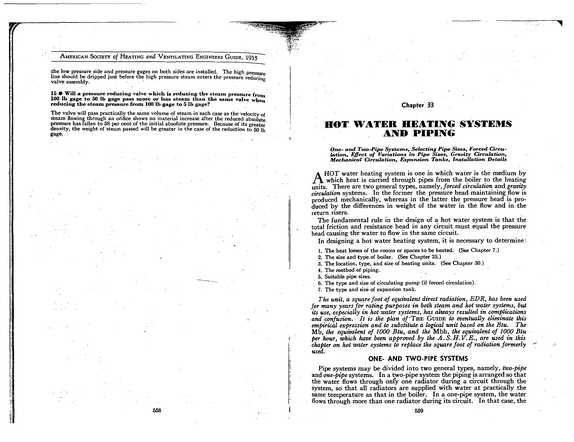
American Society of Heating and Ventilating Engineers Guide, 1935 the low pressure side and pressure gages on both sides are installed.
refid# 8Vq2Q3BmQ8kd4jbD20QbMwMZe1 page
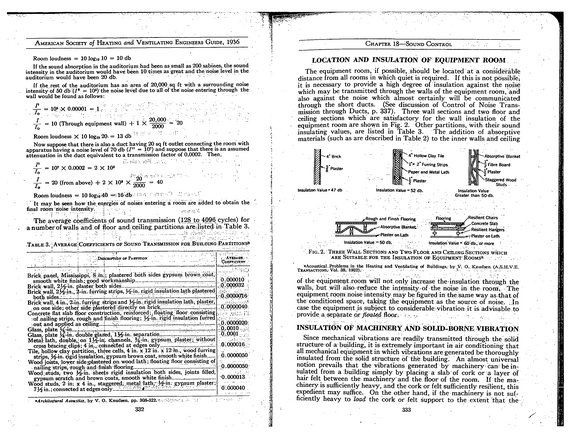
American Society of Heating and Ventilating Engineers Guide, 1936 Room loudness = 10 logic 10 = 10 db If the sound absorption in the auditorium had been as small as 200 sabines, the sound intensity in the auditorium would have been 10 times as great and the noise level in the auditorium would have been 20 db.
refid# eNRddGQvro91MxVnZj0mye3m1 page
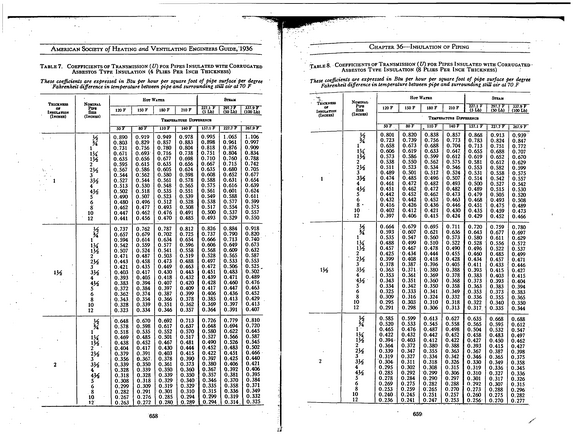
American Society of Heating and Ventilating Engineers Guide,'1936 Table 7.
refid# 6BDEyVO5y71a9M0G3NwmpE3Ng1 page