Refine
Estimated Years 1930-1939Clear
14,210 results foundRefine Search
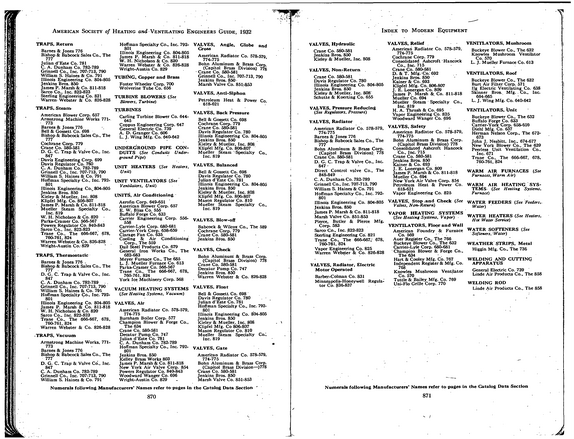
American Society of Heating and Ventilating Engineers Guide, 1932 TRAPS, Return Barnes & Jones 776 Bishop & Babcock Sales Co., The 777 Julian d'Este Co. 781 C.
refid# k9ag7JwZ3BLmkzNEadgrL261E1 page
iff?
refid# gbObNXrD3dY8oVyDmMQY54XaN1 page
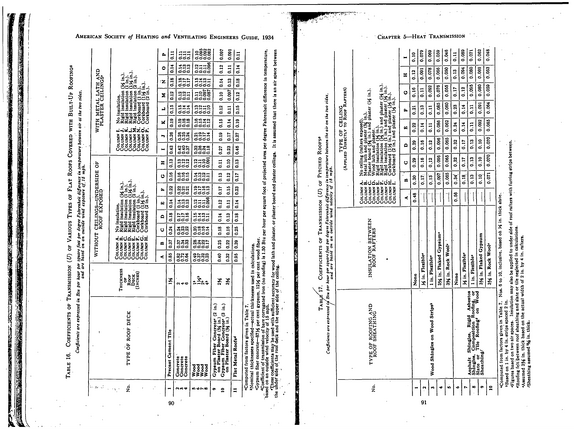
American Society of Heating and Ventilating Engineers Guide, 1934 Chapter 5--Heat Transmission C E IL IN G to R oof R afters) TYPE OF (A pplied D irectly /Sheathing assumed % in., thick. 91
refid# pmwz7BZ41REJQeNNJ0z8zLdp61 page
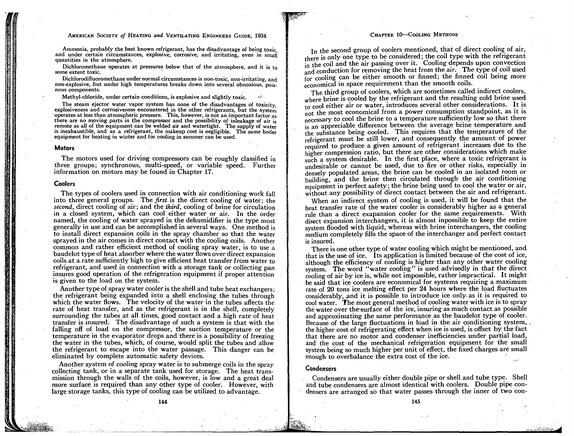
American Society of Heating and Ventilating Engineers Guide, 1934 Ammonia, probably the best known refrigerant, has the disadvantage of being toxic, and under certain circumstances, explosive, corrosive, and irritating, even in smali quantities in the atmosphere.
refid# jmnQkjDaBegKbnv5eLmRJz3NZ1 page
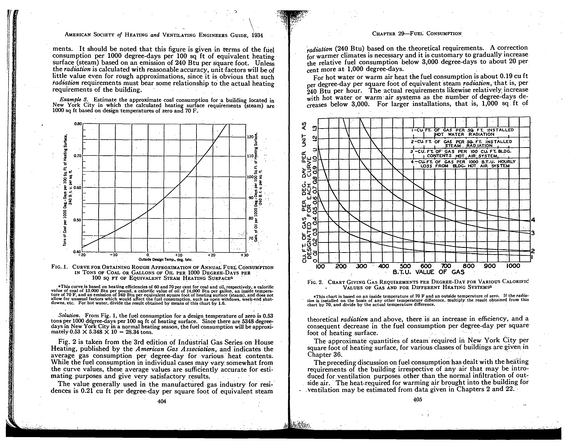
American Society of Heating and Ventilating Engineers Guide, 1934 ments.
refid# 5DM7E0Em9rkBZwV5aEVK35jzN1 page
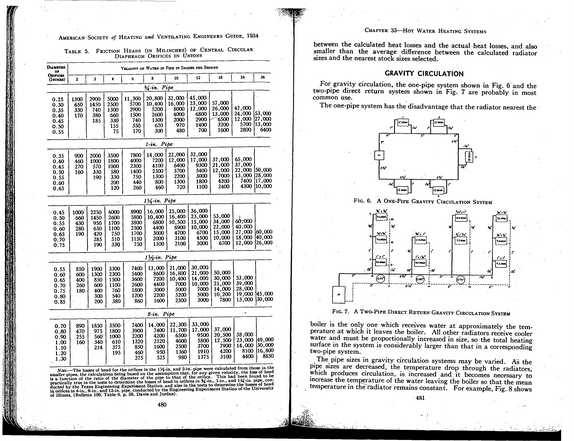
American Society of Heating and Ventilating Engineers Guide, 1934 Table 5.
refid# zQ9K7xXqwoJQZgyGyb7M2GkLg1 page
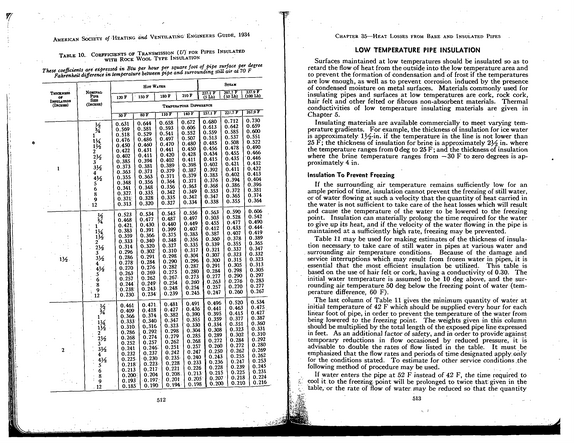
American Society of Heating and Ventilating Engineers Guide, 1934 Table 10.
refid# GmvVYzwj1Xx86VgJb8bQyYjrr1 page
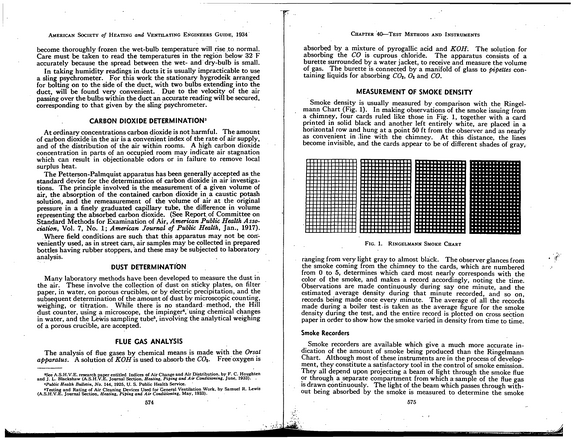
American Society of Heating and Ventilating Engineers Guide, 1934 become thoroughly frozen the wet-bulb temperature will rise .to normal.
refid# NGE9wD3awVdxYoMaz4KQ5p7Yb1 page
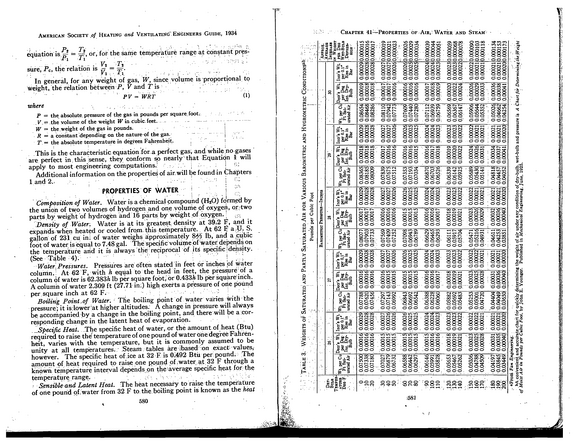
American Society .of Heating and Ventilating'Engineers Guide, 1934 eqiiatiOn is.'
refid# gbk8m92Jd67j2xjnVrmYg5LB31 page
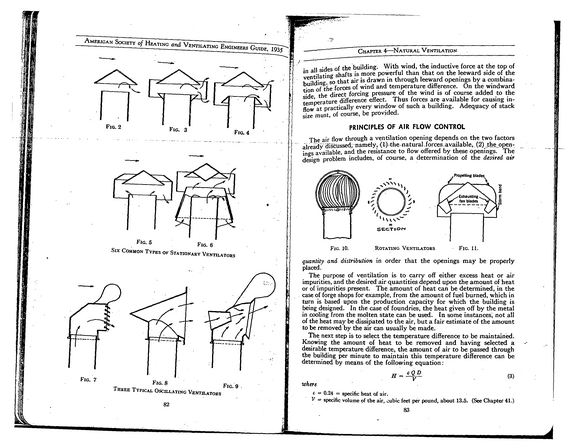
American Society of Heating and Ventilating Engineers Guide, 1935 Chapter 4--Natural Ventilation in al!
refid# 8ORqKJ755xR1eRYJrOyDxYMve1 page
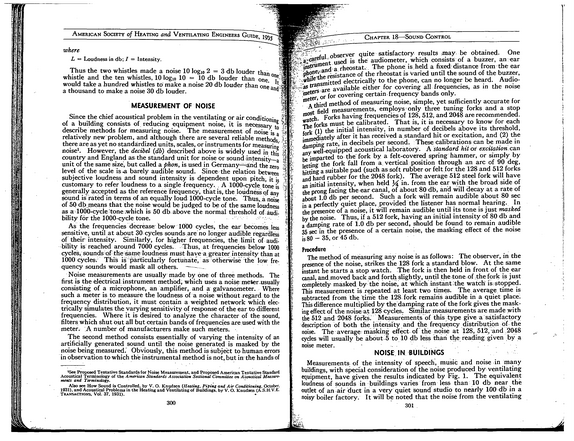
of andAmerican Society Heating Ventilating Engineers Guide~7935 where L -- Loudness in db; / = Intensity.
refid# rx29OK72EqMpDe3dLO2OMZjBa1 page
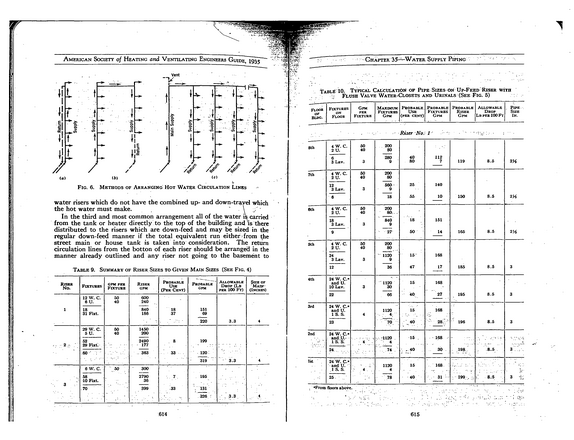
American Society of Heating and Ventilating Engineers Guide, 1935 V. i --1 t 1 . jf \ Q. >, . . >> ">% Q. a. > Q.
refid# p22KJLGxr40npq6Q7dYdp1EJk1 page
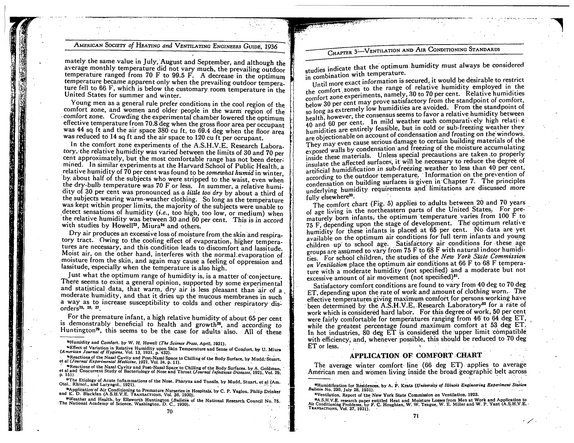
of and 1936American Society Heating Ventilating Engineers Guide, mately the same value in July, August and September, and although the average monthly temperature did not vary much, the prevailing outdoor temperature ranged from 70 F to 99.5 F.
refid# 2JK02q4pZQ32wBXwYy06pMvDg1 page
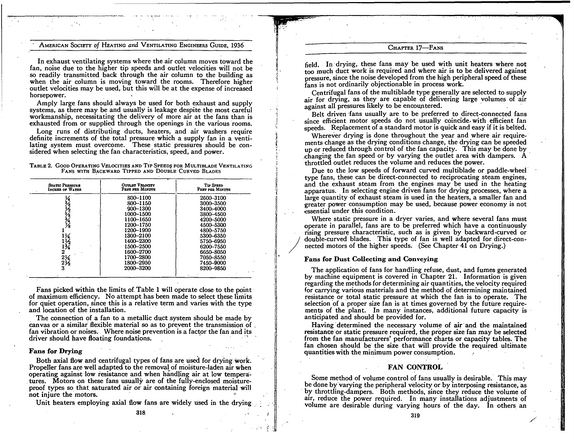
' American Society of Heating and Ventilating Engineers Guide, 1936 In exhaust ventilating systems where the air column moves toward the fan, noise due to the higher tip speeds and outlet velocities will not be so readily transmitted back through the air column to the building as when the air column is moving toward the rooms.
refid# omo4qpDpr5vbyz2pn5Qz0pkr1 page
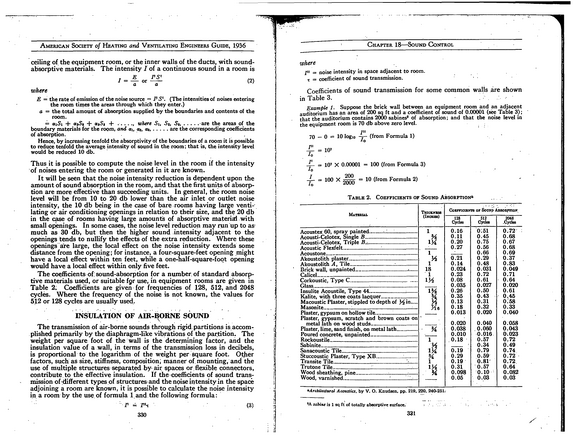
American Society of Heating and Ventilating Engineers Guide, 1936 ceiling of the equipment room, or the inner walls of the ducts, with sound- absorptive materials.
refid# L05DM8KOvYpMZvMLd5eQG5gb1 page