Refine
Estimated Years 1930-1939Clear
8,921 results foundRefine Search
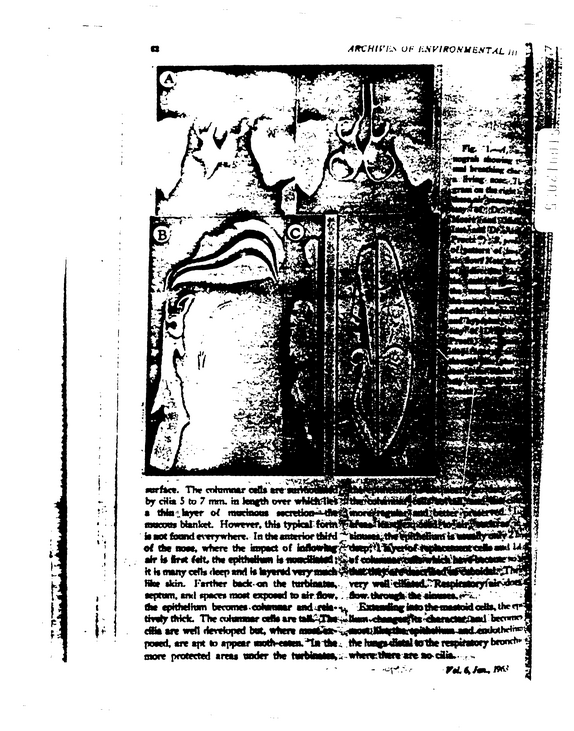
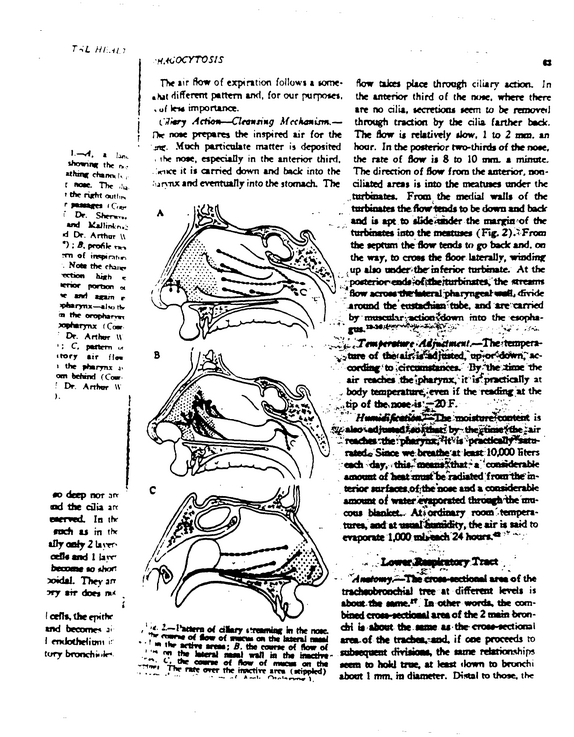
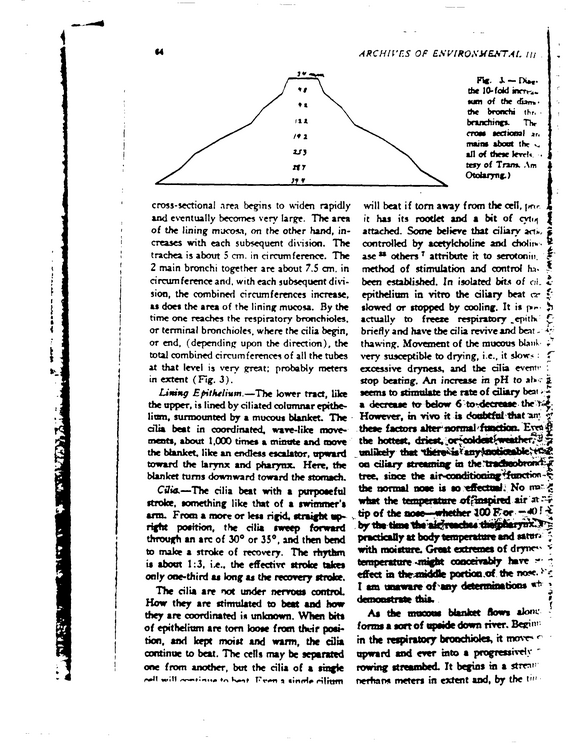
' hagocytosis, Mucous Flow, and iv Oft |iliary Action "t t>(C.
refid# ZRwkZ7dEpJLv96yB1QnY03ad13 pages
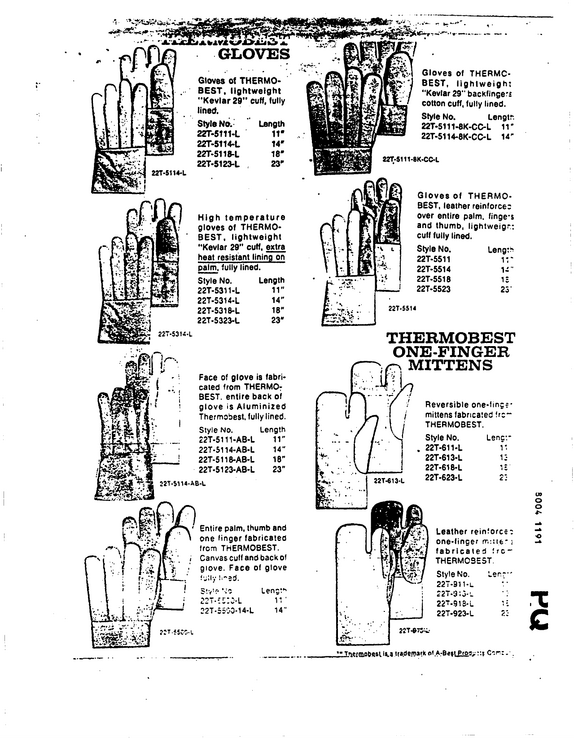
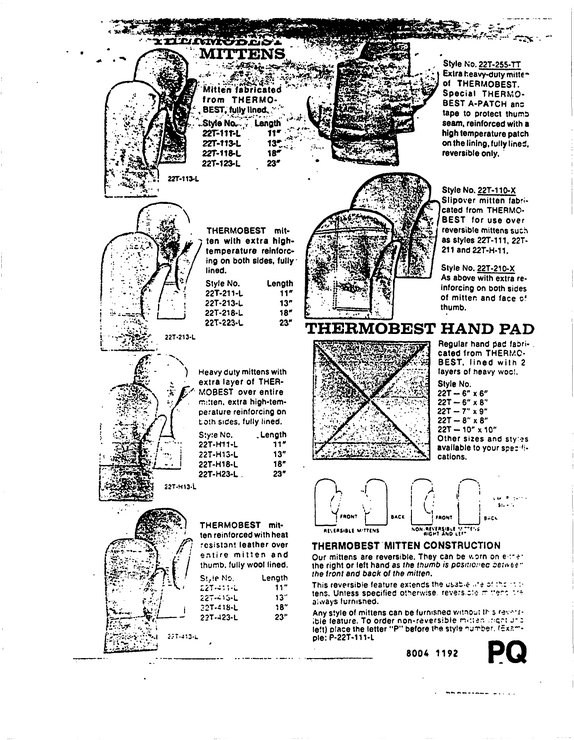
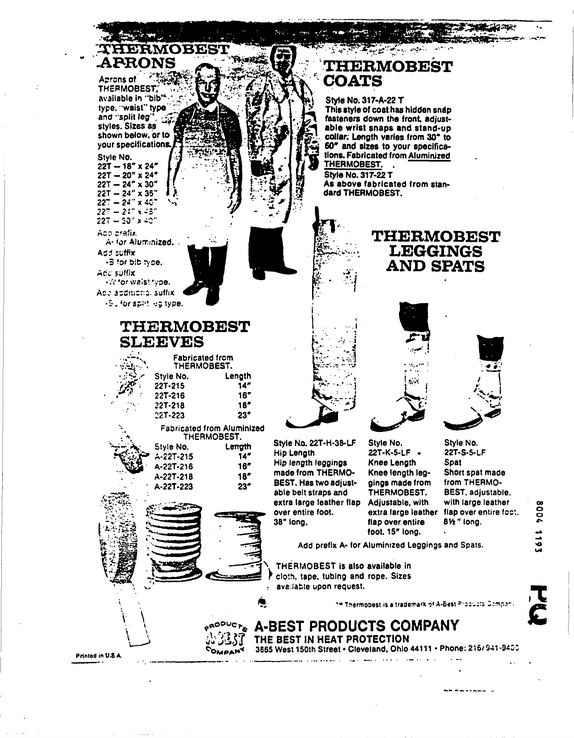
A-BEST PRODUCTS C01EPA77J NONASBESTOS SAFETY PRODUCTS PLAINTIFF'S EXHIBIT FD-1077 Heat resistant ..

refid# zz7d3NqXYvw46ZYRgba9Q3odn4 pages
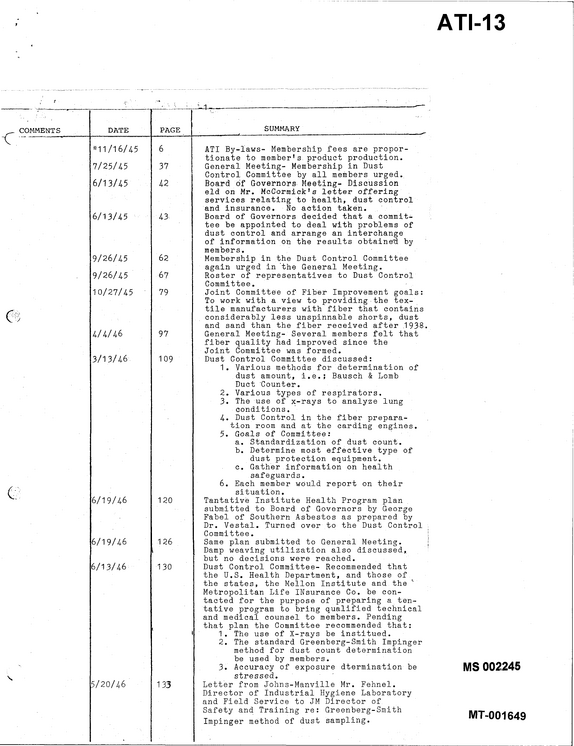
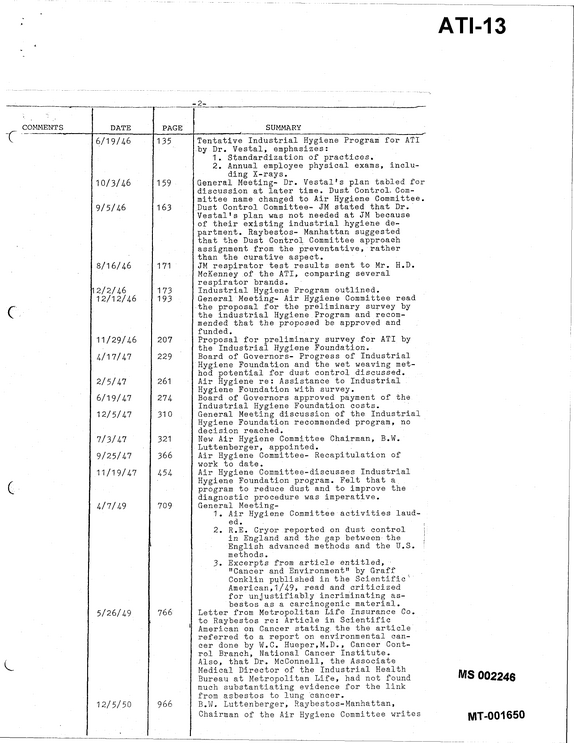
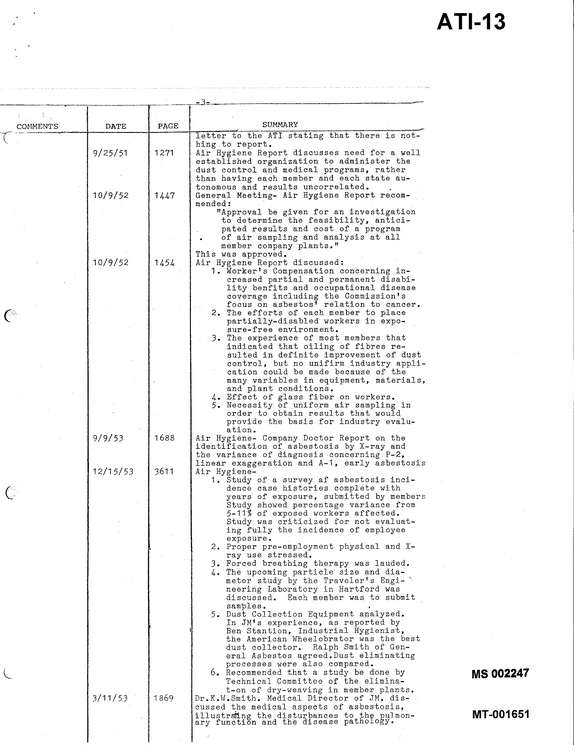
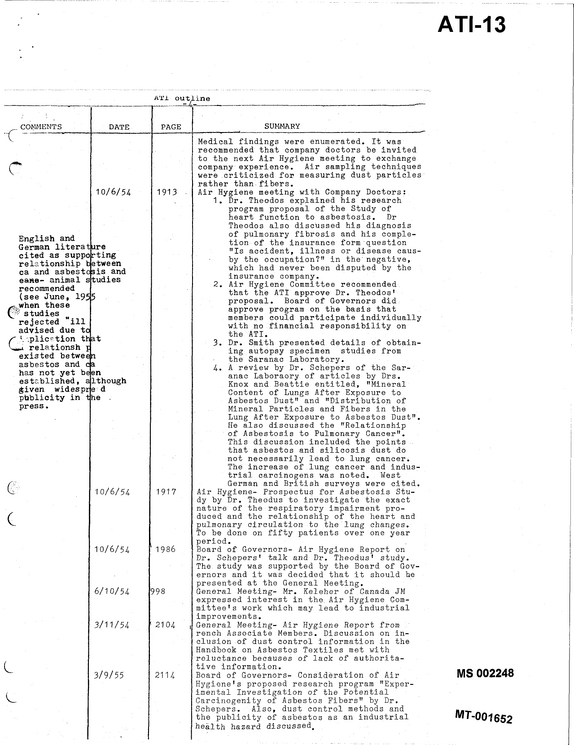
ATI-13 COMMENTS m t: S 1-4- DATE PAGE SUMMARY *11/16/45 7/25/45 6/13/45 6 37 42 6/13/45 43 9/26/45 9/26/45 10/27/45 62 67 79 4/4/46 3/13/46 97 109 6/19/46 120 6/19/46 6/13/46 126 130 ' 5/20/46 133 ATI By-laws- Membership fees are propor tionate to member1s product production.
refid# NOw6Z9NkMEYL6YZ0vXnOkXLw27 pages
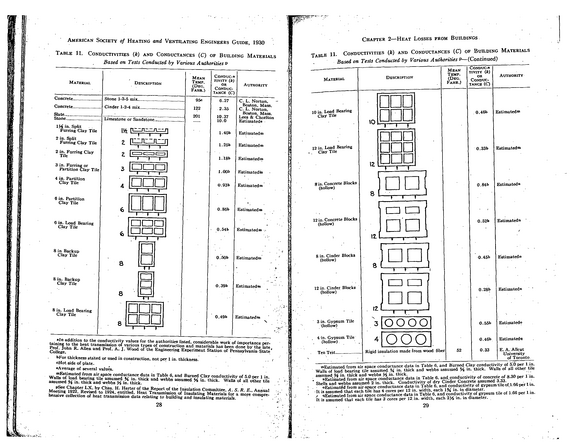
1930American Society of Heating and Ventilating Engineers Guide, 11.Table Conductivities (k) and Conductances (C) op Building Materials Based on Tests Conducted by Various Authorities P Material Description Concrete........................_ Stone 1-2-5 Concrete.................... .
refid# r4zvEm6dQwvr93rG91G2jZ071 page
American Society of Heating and Ventilating Engineers Guide, 1930 temperature is to be removed, horizontal or floor connections are required.
refid# ga6XkjKK1NDx0vKmXrMkqn3re1 page
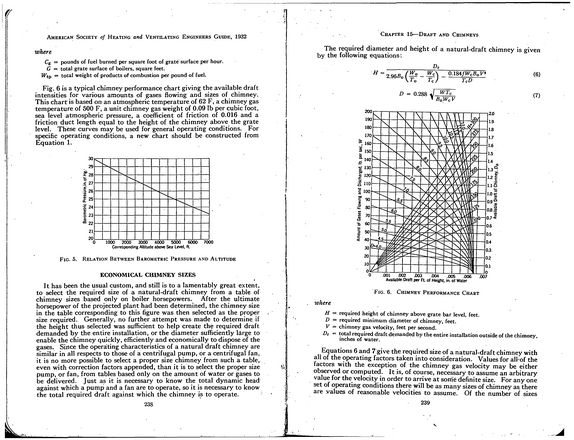
American Society of Heating and Ventilating Engineers Guide, 1932 where Cg = pounds of fuel burned per square foot of grate surface per hour.
refid# 3e581pm8RzBMn5rvEonzrz9QO1 page
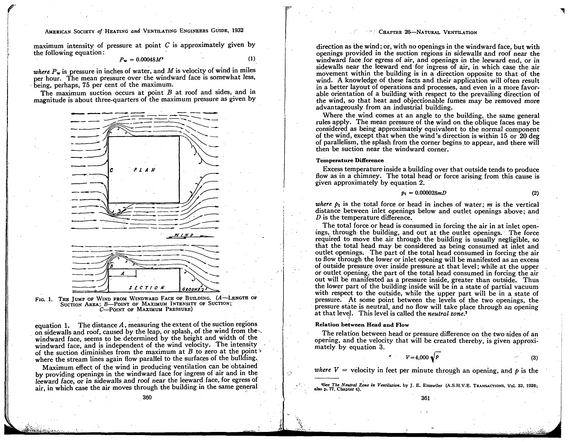
American Society of Heating and Ventilating Engineers Guide, 1932 maximum intensity of pressure at point C is approximately given by the following equation: Pw = 0.00048Af3 (1) where Pw is pressure in inches of water, and M is velocity of wind in miles per hour.
refid# JNmagmQK1Rj229DNk0LDD00MZ1 page
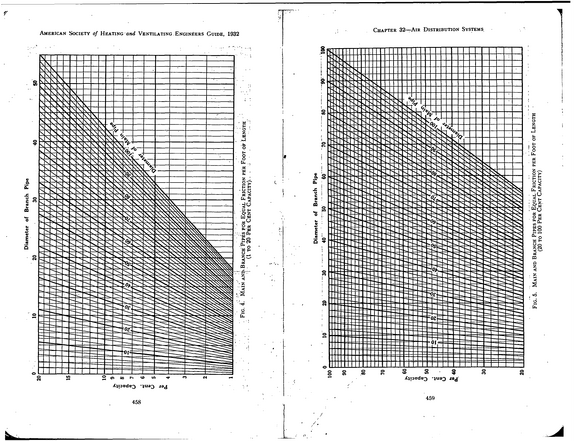
.American Society of Heating and Ventilating Engineers Guide, 1932 aO N U (A X4I38dB3 '1U33 J3J 458 ^ fO O D iam eter o f B ranch Pipe F ig . 4.
refid# aJmxXmzr7BaaaRGmvgnxD7o2Y1 page
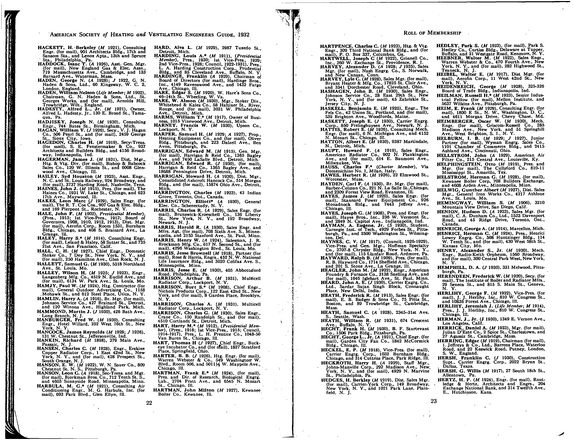
American Society of Heating and Ventilating Engineers Guide, 1932 HACKETT, H.
refid# kmvO6bJYR55e8Yp9NYJNEbBDn1 page
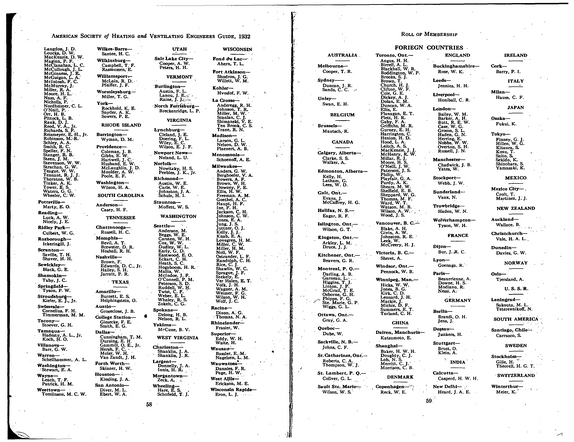
of andAmerican Society Heating Ventilating Engineers Guide, 1932 Langdon, J.
refid# 2Nq731nLvXeg56q80EgDm9mJ51 page
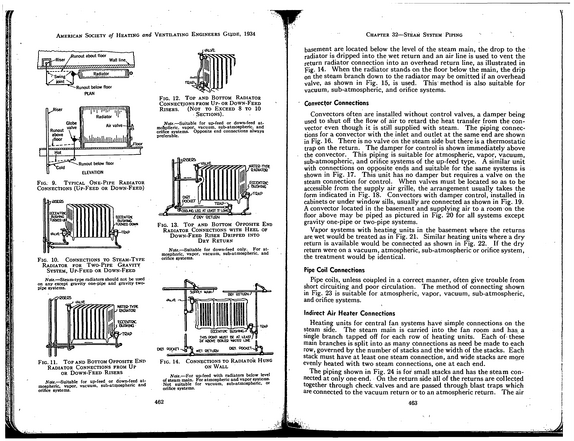
American Society of Heating and Ventilating Engineers Guide, 1934 /R!
refid# YjxdGwXDZMLw6N11vJ6w12MBV1 page
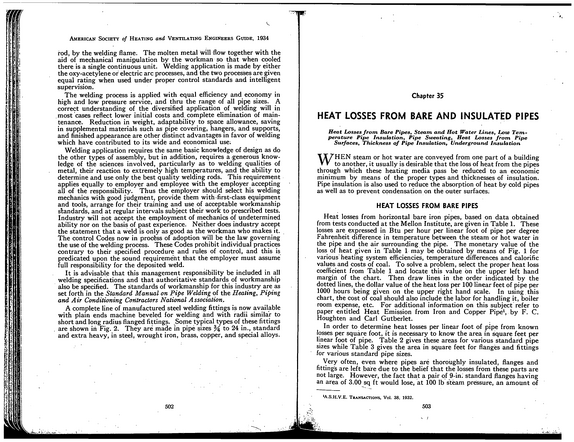
American Society of Heating and Ventilating Engineers Guide, 1934 rod, by the welding flame.
refid# 919ejymKJm1YoGBXz6bnZ9QK61 page
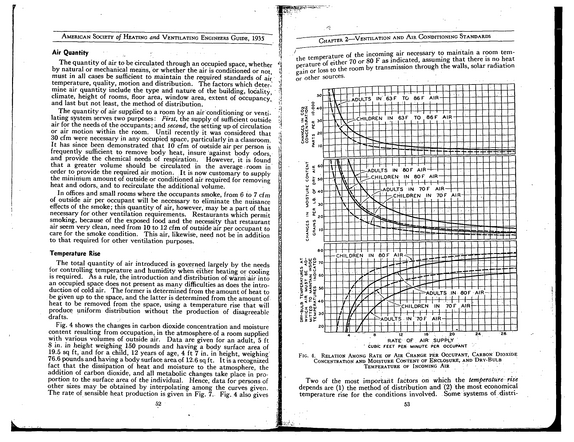
American Society of Heating and Ventilating Engineers Guide, 1935 Air Quantity The quantity of air to be circulated through an occupied space, whether 4| by natural or mechanical means, or whether the air is conditioned or not, 3 must in all cases be sufficient to maintain the required standards of air j temperature, quality, motion and distribution.
refid# YGR2o9mnYp51z1dXkMg0Lp0mN1 page
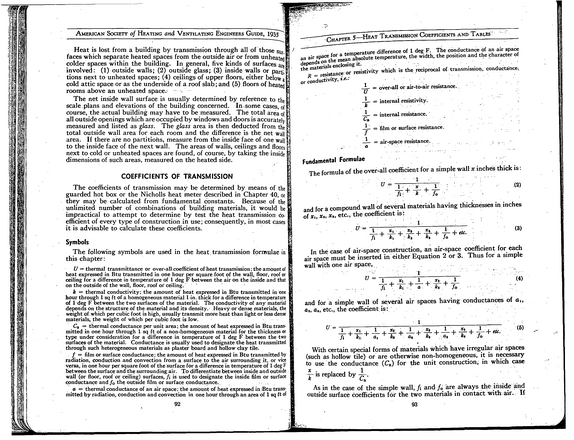
American Society of Heating and Ventilating Engineers Guide, 1935 Heat is lost from a building by transmission through all of those sur. faces which separate heated spaces from the outside air or from unheated colder spaces within the building.
refid# a1ZOzmeObBNEz51E8kjpex9vN1 page
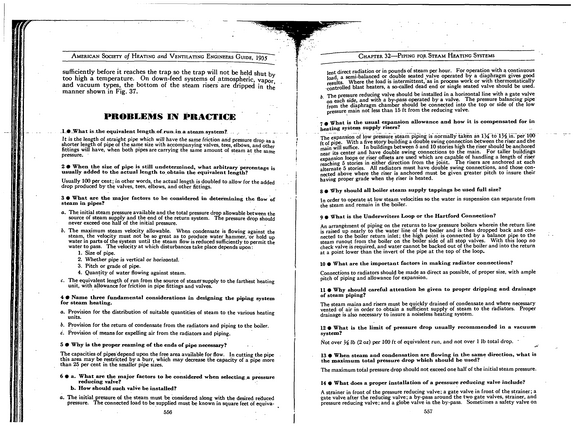
American Society of Heating and Ventilating Engineers Guide, 1935 sufficiently before it reaches the trap so the trap will not be held shut bv too high a temperature.
refid# dkJQ0wQO3rKv5zdO3qyRngQq1 page