Refine
Estimated Years 1930-1939Clear
8,921 results foundRefine Search
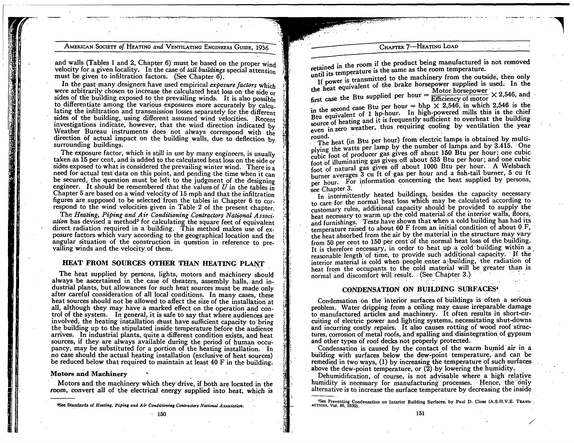
American Society of Heating and Ventilating Engineers Guide, 1936 and walls (Tables 1 and 2, Chapter 6) must be based on the proper wind velocity for a given locality.
refid# XOE1dj0pjzn62VZMkwq7KNEbg1 page
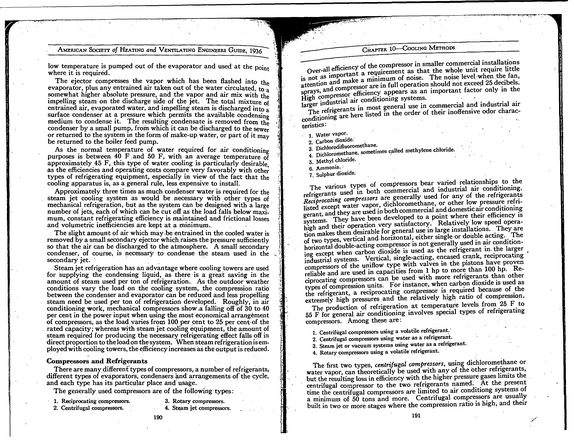
American Society of Heating and Ventilating Engineers Guide, 1936 low temperature is pumped out of the evaporator and used at the point where it is required.
refid# r2oLV4kqbav2rXGykYDE5Oq71 page
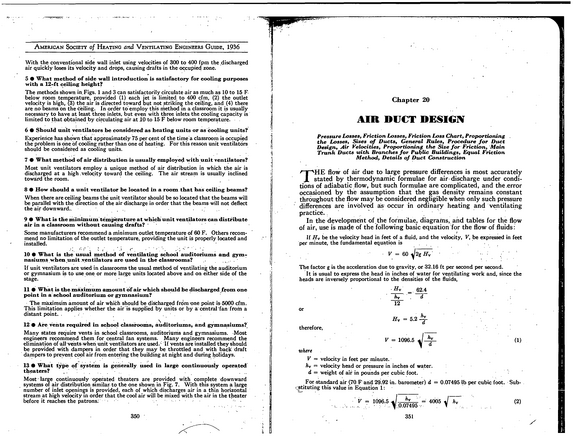
American Society of Heating and Ventilating Engineers Guide, 1936 With the conventional side wall inlet using velocities of 300 to 400 fpm the discharged air quickly loses its velocity and drops, causing drafts in the occupied zone. 5 What method of side wall introduction is satisfactory for cooling purposes with a 12-ft ceiling height?
refid# ypm6DNwVgg4k56L6erbjjVZ1d1 page
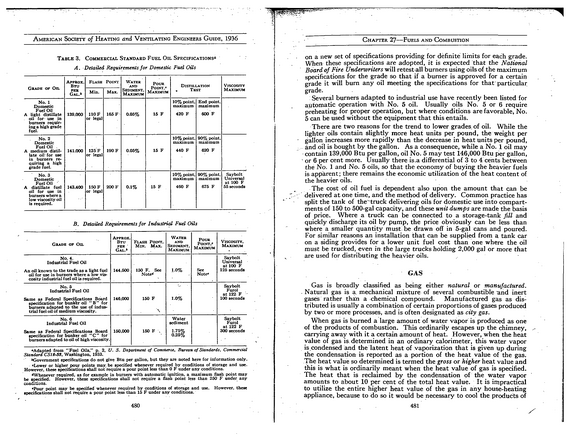
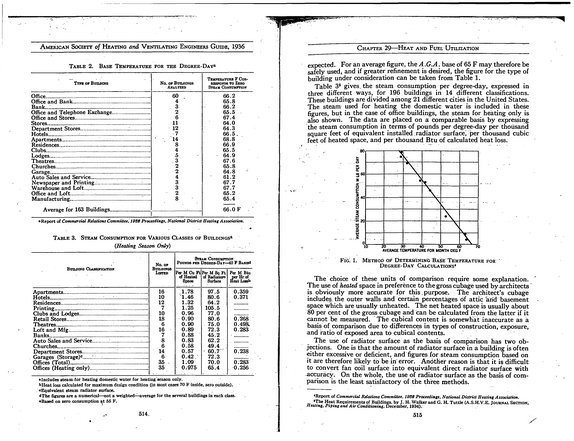
American Society of Heating and Ventilating Engineers Guide, 1936 Table 3.
refid# x5mqqZzjxng22jgQngxELKLjQ1 page
of and 1936American Society Heating Ventilating Engineers Guide, Table 2.
refid# ZxoL7ZEaqBvZe68x6EO6dggV1 page
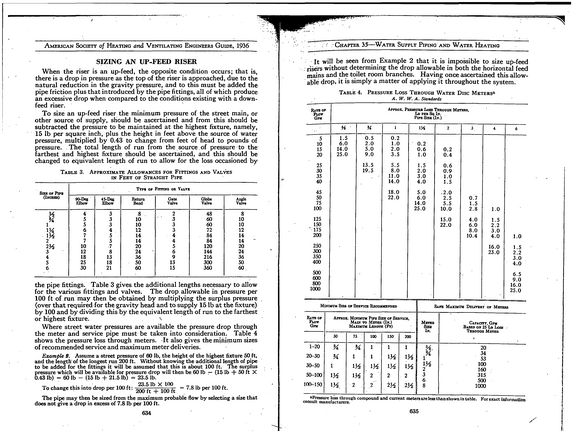
American Society of Heating and Ventilating Engineers Guide, 1936 SIZING AN UP-FEED RISER When the riser is an up-feed, the opposite condition occurs; that is, there is a drop in pressure as the top of the riser is approached, due to the natural reduction in the gravity pressure, and to this must be added the pipe friction plus that introduced by the pipe fittings, all of which produce an excessive drop when compared to the conditions existing with a downfeed riser.
refid# Znz5QReNrL9pOENzd84yxnyR71 page
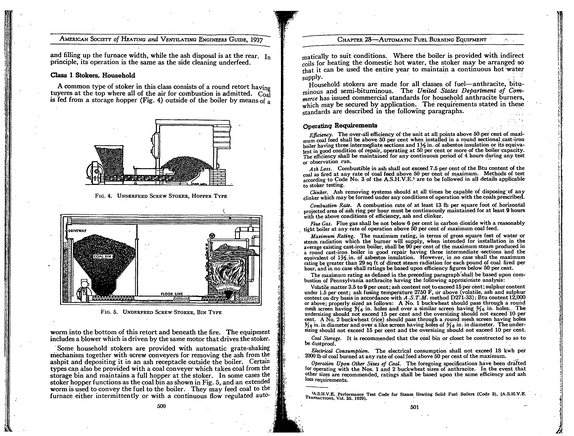
American Society of Heating and Ventilating Engineers Guide, 1937 and filling up the furnace width, while the ash disposal is at the rear.
refid# rxwzNd4KYMzXRMR8a1wGQyNJV1 page
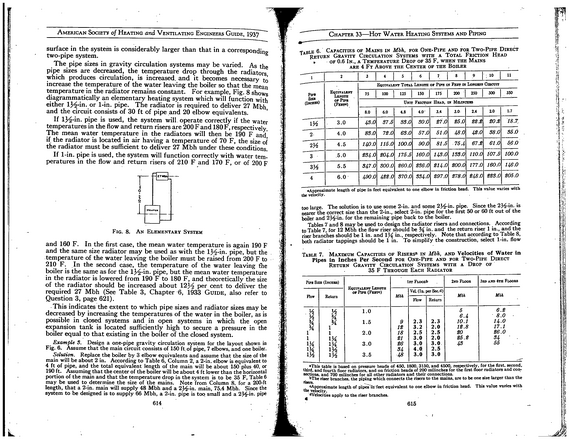
American Society of Heating and Ventilating Engineers Guide, 1937 surface in the system is considerably larger than that in a corresponding two-pipe system. 8 The pipe sizes in gravity circulation systems may be varied.
refid# 2qVVYpdKM39Gp8nmB0EGZ29Rb1 page
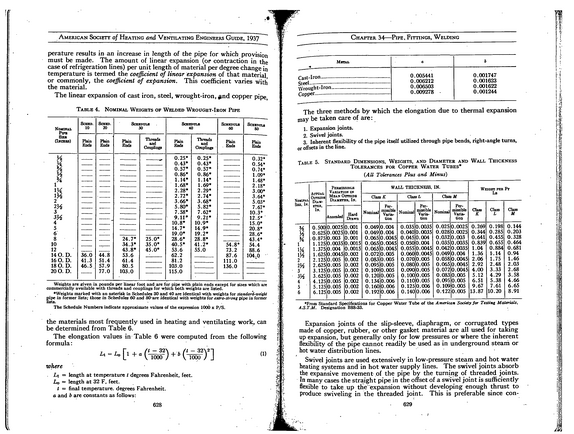
American Society of Heating and Ventilating Engineers Guide, 1937 Chapter 34--Pipe, Fittings, Welding perature results in an increase in length of the pipe for which provision must be made.
refid# ypykB2a90EByQVpo3pwNNbpj31 page
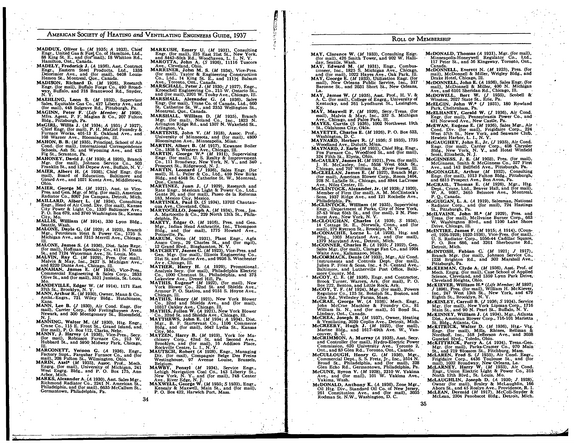
American Society of Heating and Ventilating Engineers Guide, 1937 MADDUX, Oliver L.
refid# DYME5gvjjoKnvDL8OOyRYErd1 page
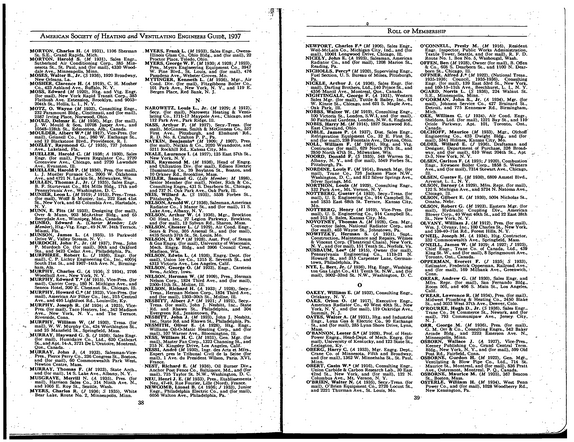
American Society of Heating and Ventilating Engineers Guide, 1937 MORTON, Charles H.
refid# pBXD0KYq57Gd3NxDQ4Dv9vnD1 page
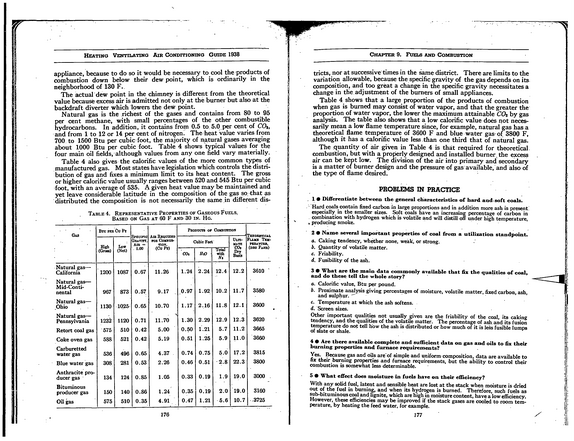
Heating VentiixAting Air Conditioning Guide 1938 appliance, because to do so it would be necessary to cool the products of combustion down below their dew point, which is ordinarily in the neighborhood of 130 F..
refid# mnZ0Q8DQZ111b83R4OVxwDE41 page
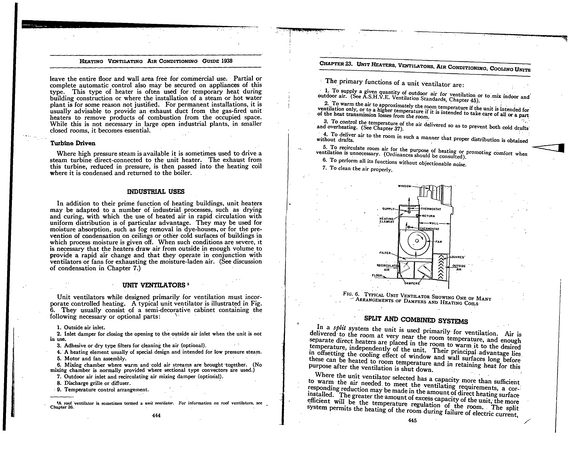
Heating Ventilating Air Conditioning Guide 1938 leave the entire floor and wall area free for commercial use.
refid# byN1k6bzV1kDX7B9rEd1qj6b01 page
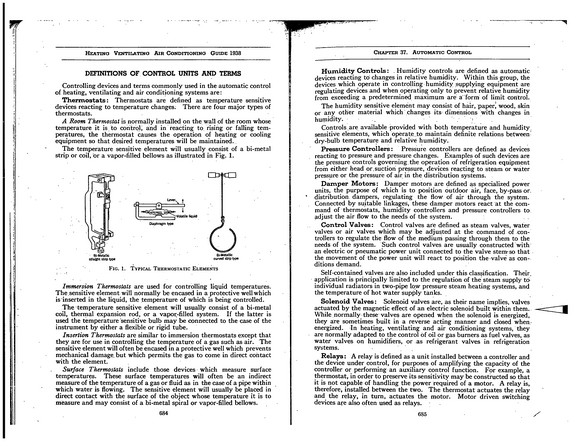
Heating Ventilating Air Conditioning Guide 1938 DEFINITIONS OF CONTROL UNITS AND TERMS Controlling devices and terms commonly used in the automatic control of heating, ventilating and air conditioning systems are: Thermostats: Thermostats are defined as temperature sensitive devices reacting to temperature changes.
refid# K6NL7pj43KonK3b4DaKQK1xmQ1 page
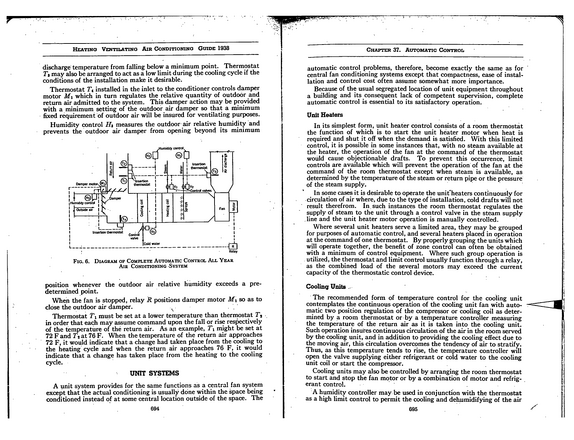
Heating Ventilating Air Conditioning Guide 1938 discharge temperature from falling below a minimum point.
refid# 1KexMryLeROjpkzj7J2Ez24j1 page