Refine
Estimated Years 1930-1939Clear
14,210 results foundRefine Search
HERE'S A I LAI PAINT FINE ...
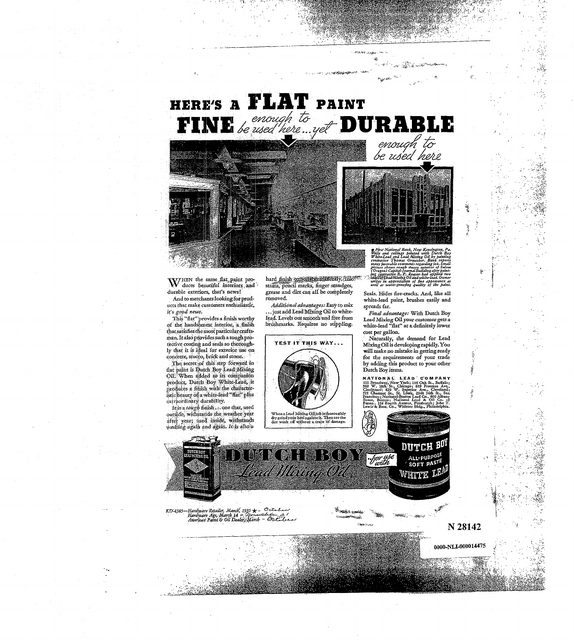
refid# ka4yKyqgDg137ZmnwE95BqL601 page
IF YOU saw your home or any ofyour farm buildingsin danger, of being damaged you'd push '.to protea iihem.
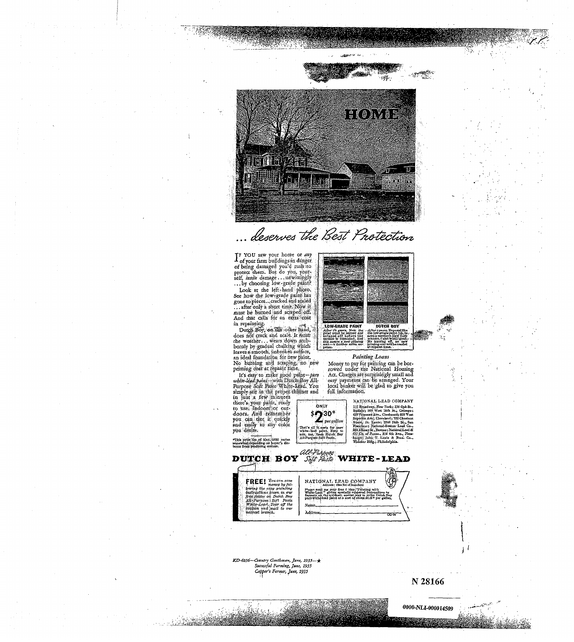
refid# 3JKNVZ4KDYa71we0kNe9oKMdy1 page
Their eimilaritifmightfool onyon.
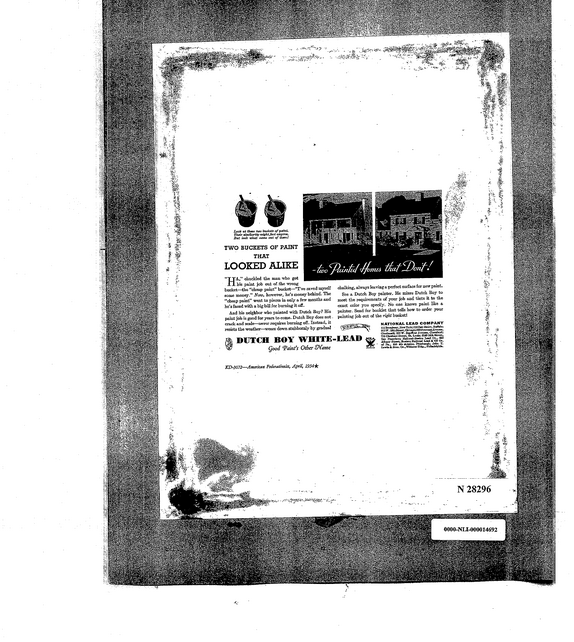
refid# pBL323pY9XX8JykYQpOEmq78k1 page
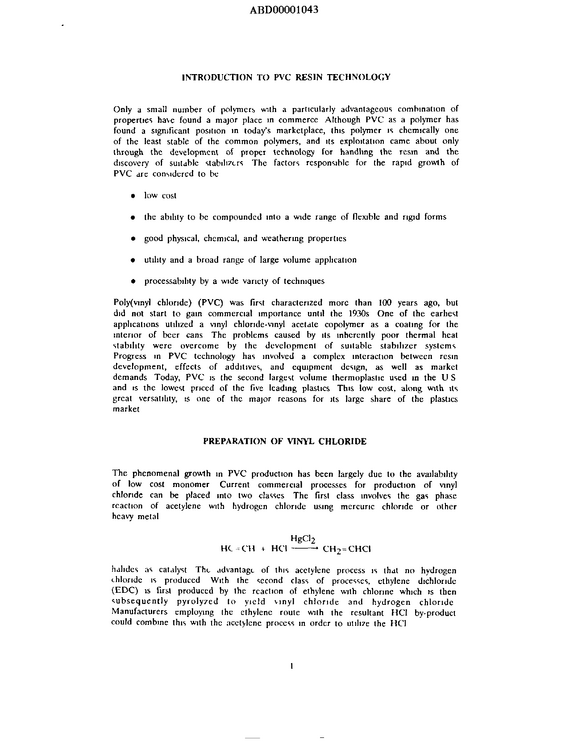
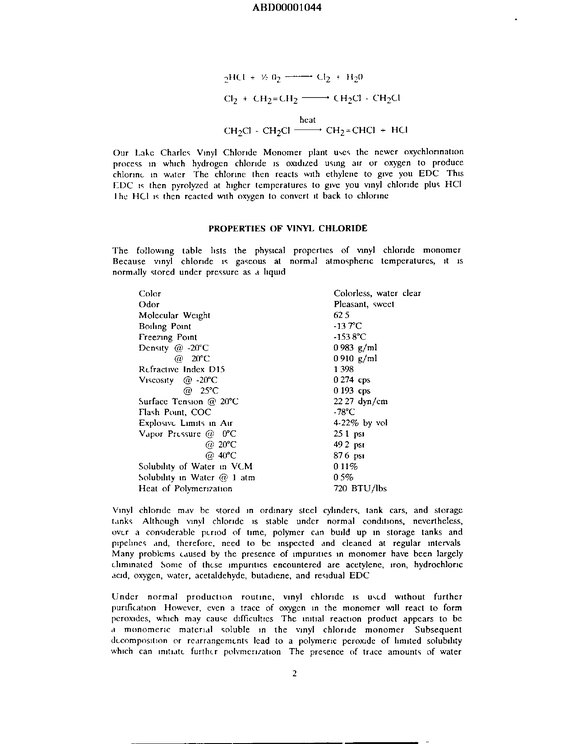
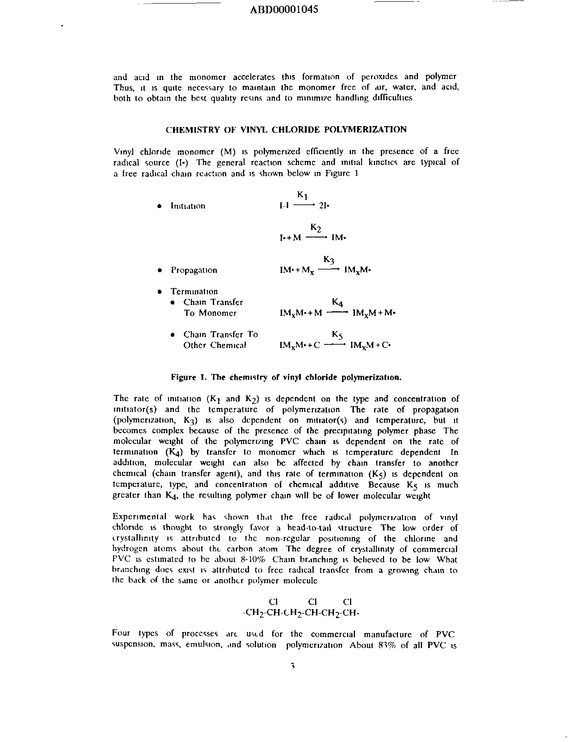
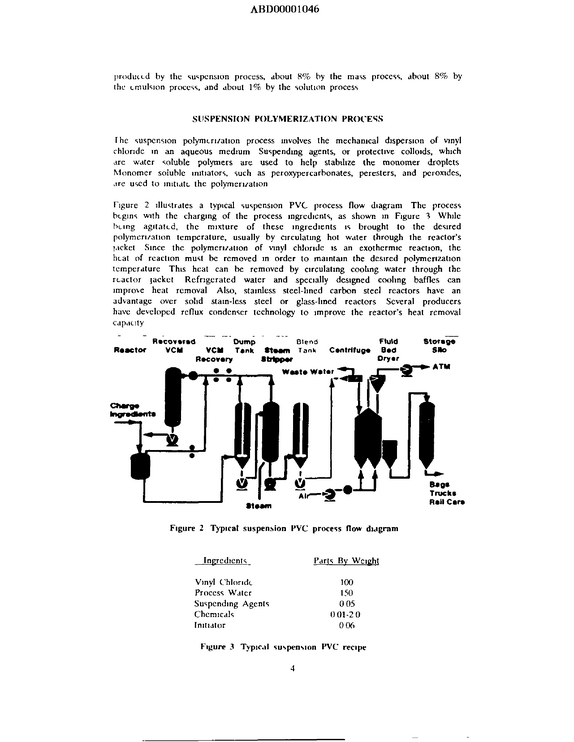
ABD00001043 INTRODUCTION TO PVC RESIN TECHNOLOGY Only a small number of polymers with a particularly advantageous combination of properties have found a major place in commerce Although PVC as a polymer has found a significant position in today's marketplace, this polymer is chemically one of the least stable of the common polymers, and its exploitation came about only through the development of proper technology for handling the resin and the discovery of suitable stabilizers The factors responsible for the rapid growth of PVC are considered to be low cost the ability to be compounded into a wide range of flexible and rigid forms good physical, chemical, and weathering properties utility and a broad range of large volume application processability by a wide variety of techniques Poly(vmyl chloride) (PVC) was first characterized more than 100 years ago, but did not start to gain commercial importance until the 1930s One of the earliest applications utilized a vinyl chloride-vinyl acetate copolymer as a coating for the interior of beer cans The problems caused by its inherently poor thermal heat stability were overcome by the development of suitable stabilizer systems Progress in PVC technology has involved a complex interaction between resin development, effects of additives, and equipment design, as well as market demands Today, PVC is the second largest volume thermoplastic used in the U S and is the lowest priced of the five leading plastics This low cost, along with Us great versatility, is one of the major reasons for its large share of the plastics market PREPARATION OF VINYL CHLORIDE The phenomenal growth in PVC production has been largely due to the availability of low cost monomer Current commercial processes for production of vinyl chloride can be placed into two classes The first class involves the gas phase reaction of acetylene with hydrogen chloride using mercuric chloride or other heavy metal HgCl2 HC--CH + HC1 --------- CH2 = CHCI halides as catalyst The advantage of this acetylene process is that no hydrogen chloride is produced With the second class of processes, ethylene dichloridc (EDC) is first produced by the reaction of ethylene with chlorine which is then subsequently pyrolyzed to yield vinyl chloride and hydrogen chloride Manufacturers employing the ethylene route with the resultant HC1 by-product could combine this with the acetylene process in order to utilize the HC1 1 ABD00001044 2HCl + '/: 02 ---------- * U2 n20 Cl2 + ch2=ui2 ---------> CH2C1 - CH2C1 heat CH2C1 - CH2C1 ---------' CH2 = CHC1 + HC1 Our Lake Charles Vinyl Chloride Monomer plant uses the newer oxychlorination process in which hydrogen chloride is oxidized using air or oxygen to produce chlorine in water The chlorine then reacts with ethylene to give you EDC This EDC is then pyrolyzed at higher temperatures to give you vinyl chloride plus HC1 1 he HC1 is then reacted with oxygen to convert it back to chlorine PROPERTIES OF VINYL CHLORIDE The following table lists the physical properties of vinyl chloride monomer Because vinyl chloride is gaseous at normal atmospheric temperatures, it is normally stored under pressure as a liquid Color Odor Molecular Weight Boiling Point Freezing Point Density @ -20C @ 20C Refractive Index D15 Viscosity @ -20C @ 25C Surface Tension @ 20C Hash Point, COC Explosive Limits in Air Vapor Pressure @ 0C @ 20C @ 40C Solubility of Water in VCM Solubility in Water @ 1 atm Heat of Polymerization Colorless, water clear Pleasant, sweet 62 5 -13 rc -153 8C 0 983 g/ml 0 910 g/ml 1 398 0 274 cps 0193 cps 22 27 dyn/cm -78C 4-22% by vol 25 1 psi 49 2 psi 87 6 psi 0 11% 0 5% 720 BTU/lbs Vinyl chloride mav be stored in ordinary steel cylinders, tank cars, and storage tanks Although vinyl chloride is stable under normal conditions, nevertheless, over a considerable period of time, polymer can build up in storage tanks and pipelines and, therefore, need to be inspected and cleaned at regular intervals Many problems caused by the presence of impurities in monomer have been largely eliminated Some of these impurities encountered are acetylene, iron, hydrochloric acid, oxygen, water, acetaldehyde, butadiene, and residual EDC Under normal production routine, vinyl chloride is used without further purification However, even a trace of oxygen m the monomer will react to form peroxides, which may cause difficulties The initial reaction product appears to be <i monomeric material soluble in the vinyl chloride monomer Subsequent decomposition or rearrangements lead to a polymeric peroxide of limited solubility which can initiate further polvmcri/alion The presence of trace amounts of water 2 ABD00001045 and acid in the monomer accelerates this formation of peroxides and polymer Thus, it is quite necessary to maintain the monomer free of air, water, and acid, both to obtain the best quality resins and to minimize handling difficulties CHEMISTRY OF VINYL CHLORIDE POLYMERIZATION Vinyl chloride monomer (M) is polymerized efficiently in the presence of a free radical source (I*) The general reaction scheme and initial kinetics are typical of a free radical chain reaction and is shown below in Figure 1 Initiation *1 I-I --------* 21* k2 !
refid# ga17OvaLN7na34RwM3LJLEv2Q21 pages
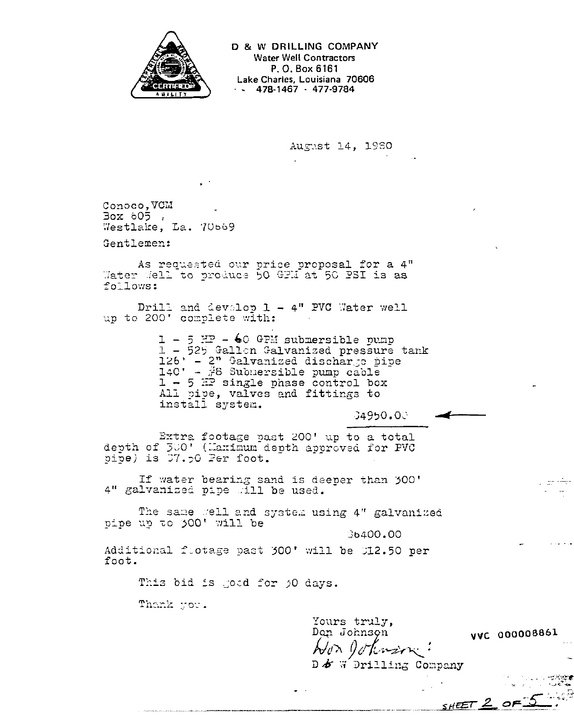
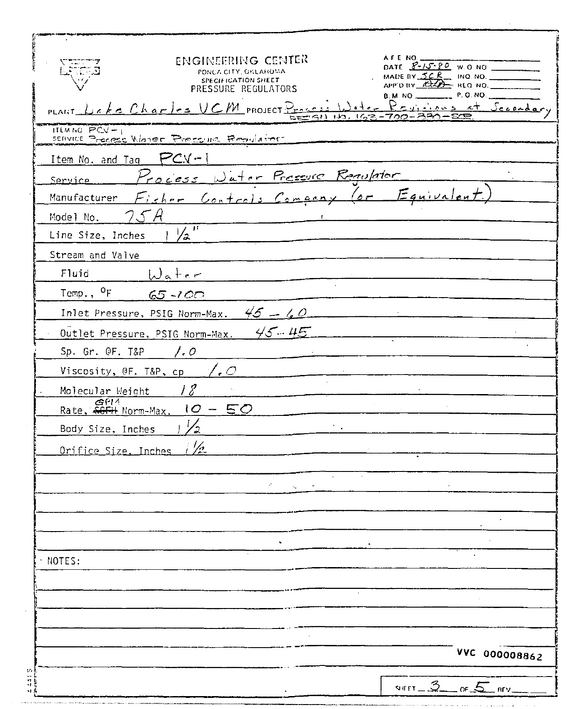
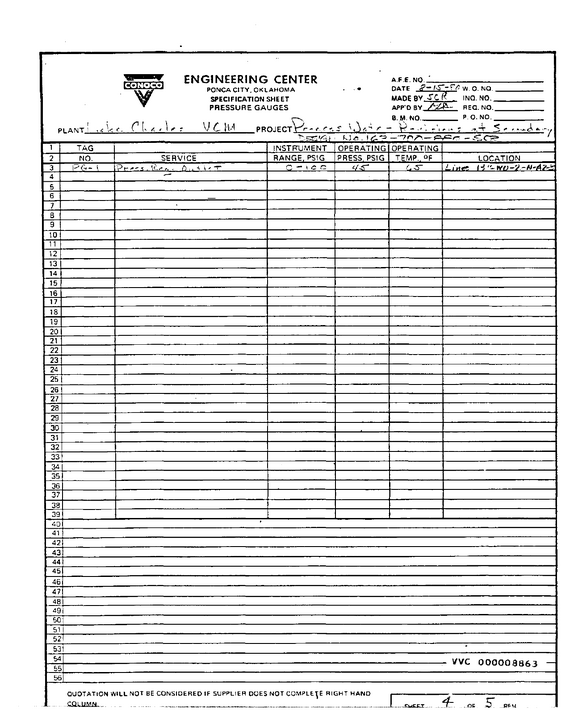
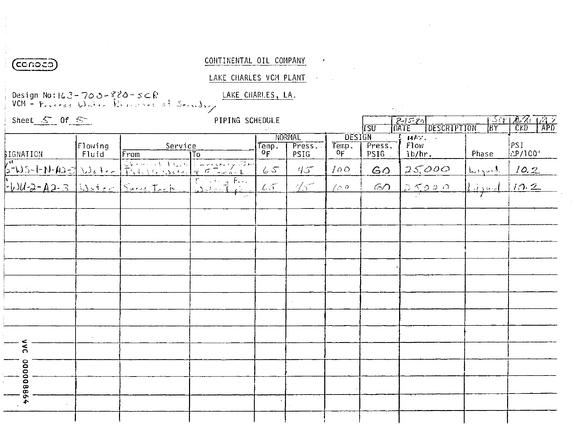
D & W DRILLING COMPANY Water Well Contractors P.O.Box 6161 Lake Charles, Louisiana 70606 - 478-1467 - 477-9784 August 14, 1930 Conoco, VCIu 3ox 605 r Westlake, La. 7Ubb9 Gentlemen: As requested our price proposal for a 4" Water Well to produce 5Q 0311 at 50 P3I i3 as f ollov/s: Drill and develop 1 - 4" PVC Water well up to 200T couplete with: 1-5 HP - 40 GPU submersible pump 1 - 525 Gallon Galvanised pressure tank 126' - 2" Galvanised discharge pipe 140* - yS Submersible pump cable 1 - 5 H?
refid# MJnknb4bjzxLKarRZKkXO7g8L11 pages
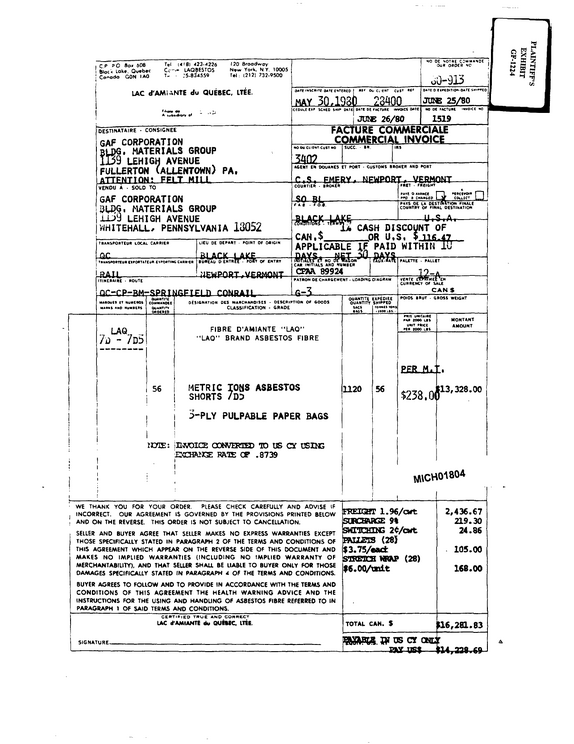
PLAINTIFF'S EXHIBIT GF-1224 !
refid# 6wpKD5No6KkDkG7mNVNpj4k311 page
^y<TE OF NORTH DAKOTA COUNTY OF BURLEIGH Ruben Biech Kristi Kresge Oscar Kroll Luverne Wedwick IN DISTRICT COURT SOUTH CENTRAL JUDICIAL DISTRICT Civil No. 95-C-2162 95-C-2325 9S-C-21 66 95-C-2327 DEFENDANT 8QRG-WARNER CORPORATION'S ANSWERS TO PLAINTIFFS' INTERROGATORIES AND REQUEST FOR PRODUCTION OF DOCUMENTS TO DEFENDANT (SET 11 % TO: ABOVE-NAMED PLAINTIFFS AND THEIR ATTORNEY, JEANETTE T.
refid# ykOZXBRVK4nJ0RBqOz4eBdXDn1 page
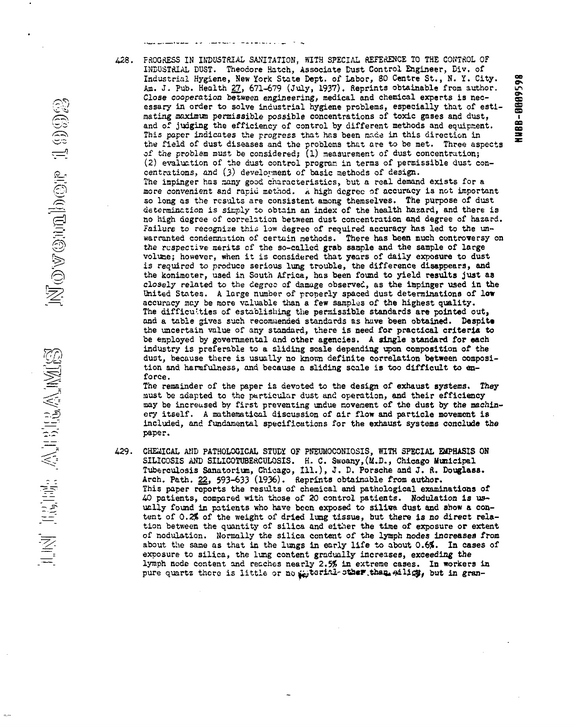
w^itoialisxow ;iifipii.D HU8B-0009595 > c\ / AIR HYGIENE FOUNDATION OF AMERICA, INC., 4400 Fifth Avenue, Pittsburgh, Pa., Sect. 1, 1937.
refid# Y0o79YBekJXkbQkQw746EJzK15 pages
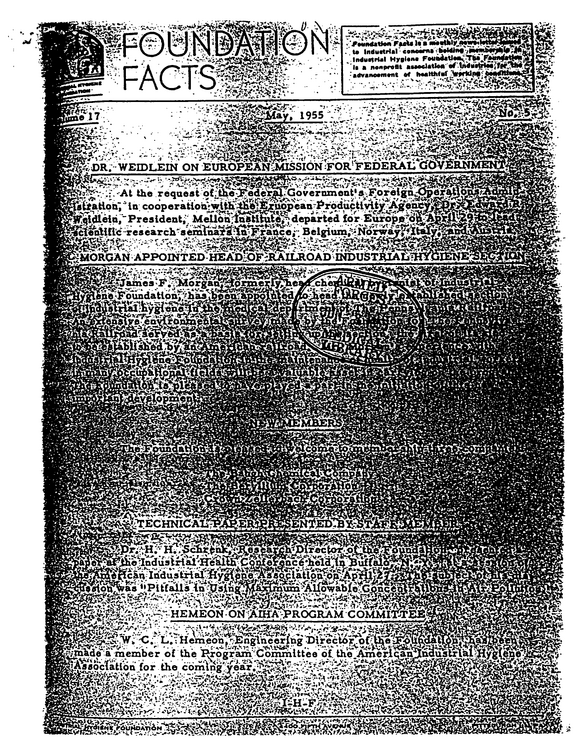
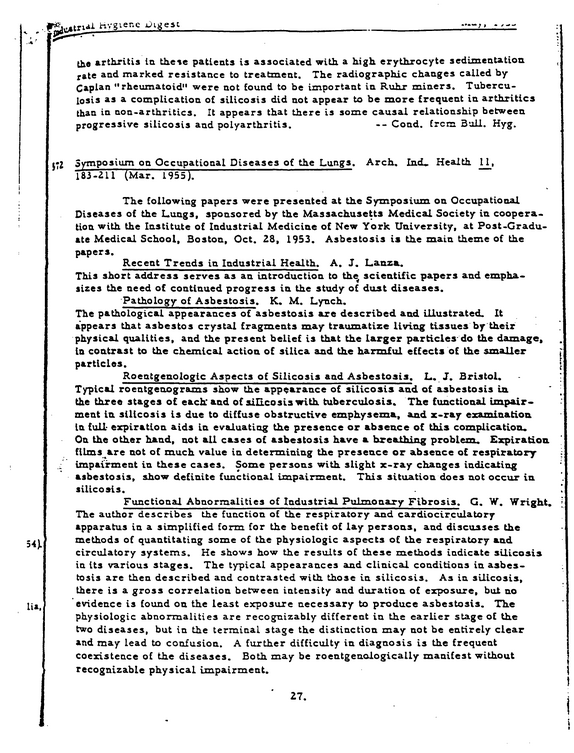
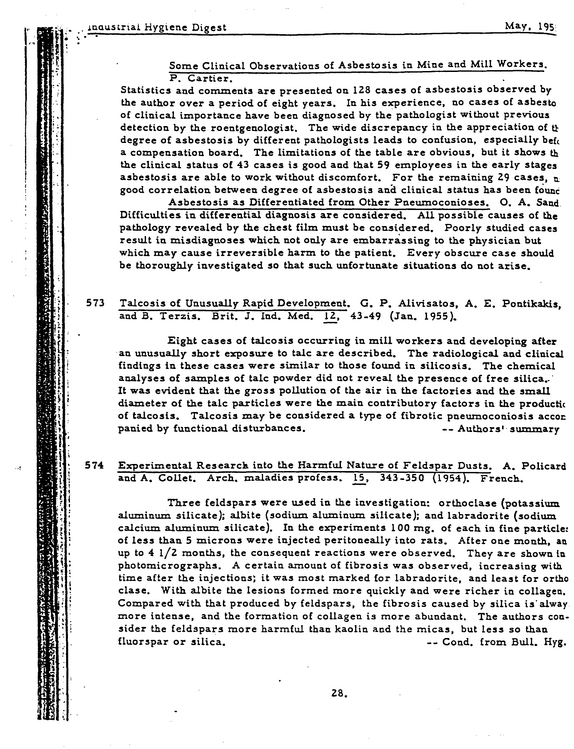
Industrial Hygiene Digest INDUSTRIAL HEALTH NEWS LITERATURE ABSTRACTS MEDICAL MAY, 1935 (VoL 19.

refid# ZJmM0nRXzNkXzELNOvwRnGMB74 pages
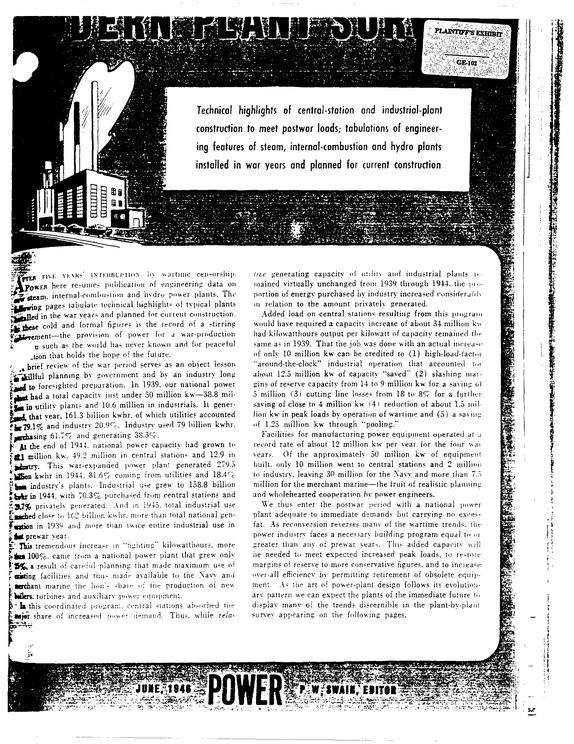
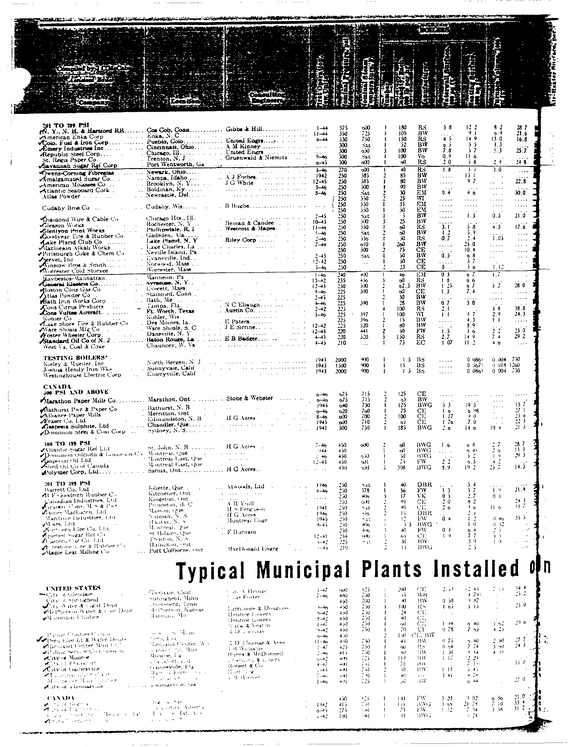
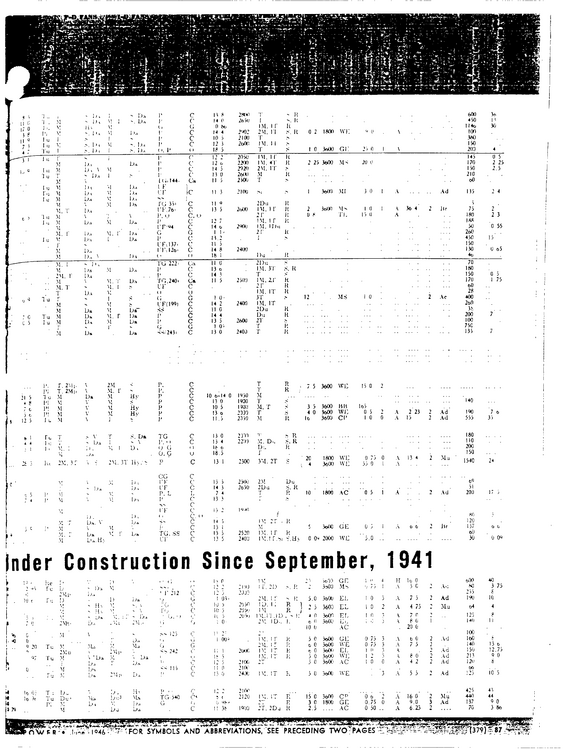
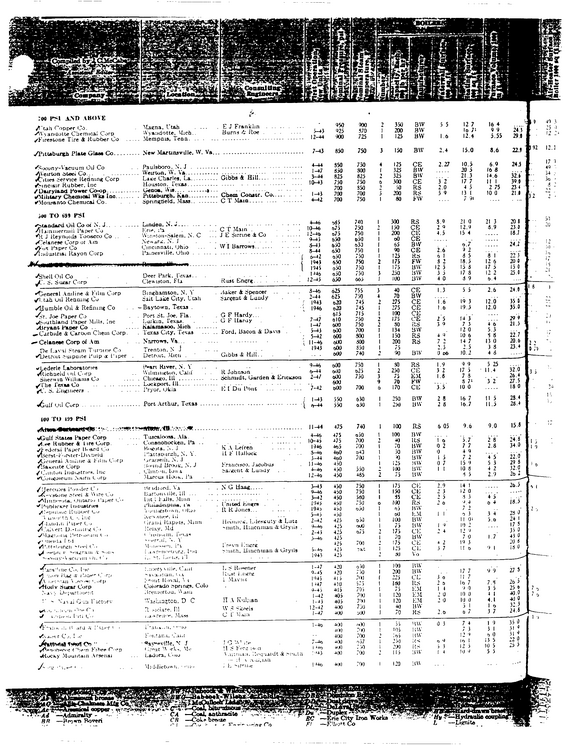
PLAINTIFF'S EXHIBIT GE-XOI Technical highlights of central-station and industrial-plant construction to meet postwar loads; tabulations of engineer ing features of steam, internal-combustion and hydro plants installed in war years and planned for current construction Si FINE vK\Hs' in miRur'TioN 1>> wartime cen-orship.
refid# 7Rp9OZeYa8NVN7dZxZeRDR7Oo7 pages
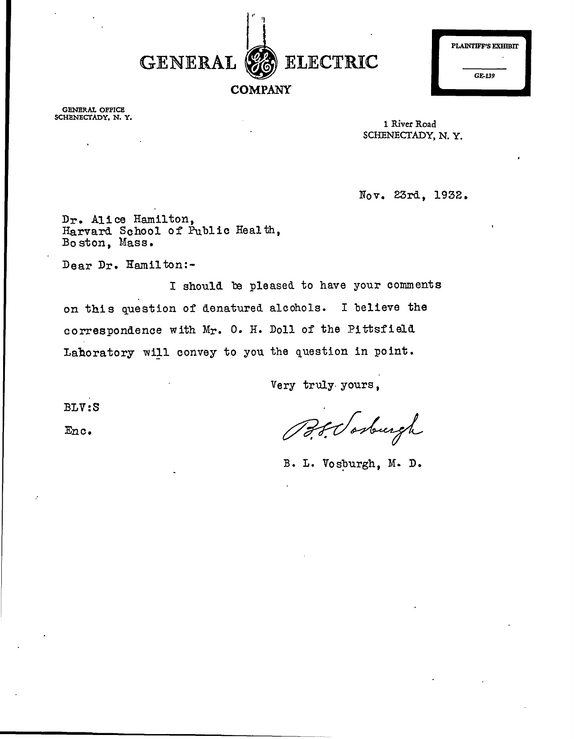
I GENERAL W ELECTRIC GENERAL OFFICE SCHENECTADY.
refid# 5DmqYEgREL75D7yrgx0vqjb4R1 page
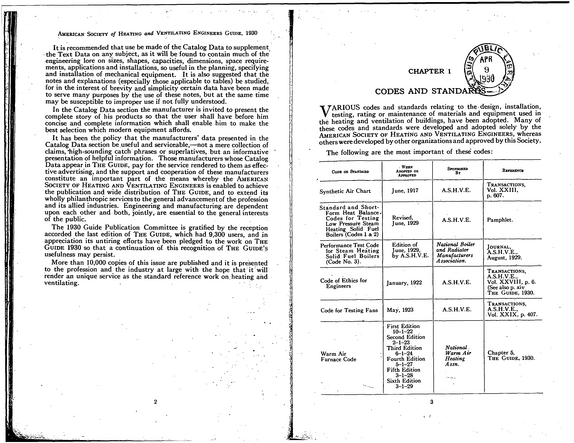
American Society of Heating and Ventilating Engineers Guide, 1930 It is recommended that use be made of the Catalog Data to supplement the Text Data on any subject, as it will be found to contain much of the' engineering lore on sizes, shapes, capacities, dimensions, space require ments, applications and installations, so useful in the planning, specifying and installation of mechanical equipment.
refid# kDb314mvnLQVmnpZQQda4oEOn1 page
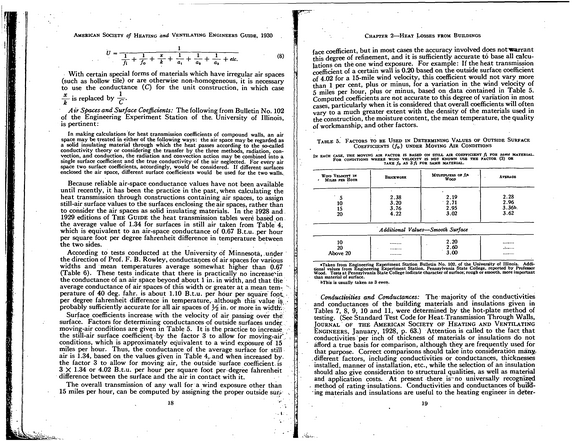
American Society of Heating and.
refid# 6B2wQ6GMk36zj2QvDKkJJe4E1 page
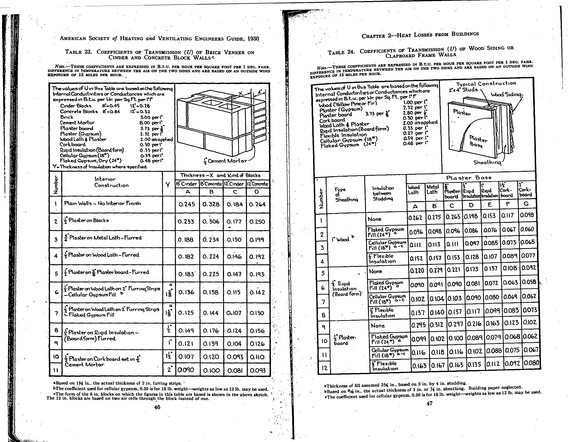
American Society of Heating and Ventilating Engineers Guide, 1930 Table 23.
refid# 0qyrq7o9yKQJngvrE9rybOB2d1 page
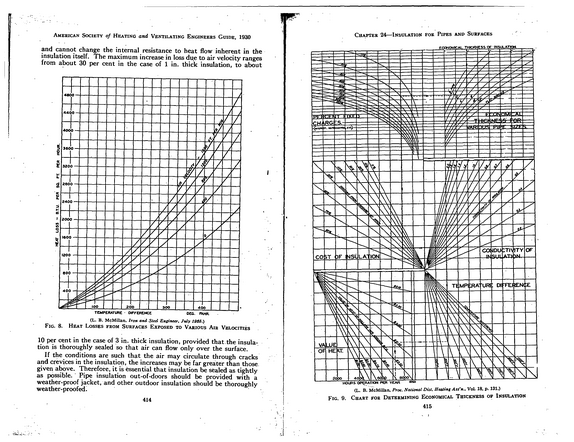
American Society of Heating and Ventilating Engineers Guide, 1930 and cannot change the internal resistance to heat flow inherent in the insulation itself.
refid# omaQ5qeNgXYyMOorZk3yGYJar1 page