Refine
Estimated Years 1930-1939Clear
4,625 results foundRefine Search
The fibrosis is widespread, mainly basal and subpleural in distribution, and leads ultimately to such extensive destruction of the parenchyma that the most serious functional disability results.
refid# zd2K0Nr3r4K1keq08Z98x622z12 pages
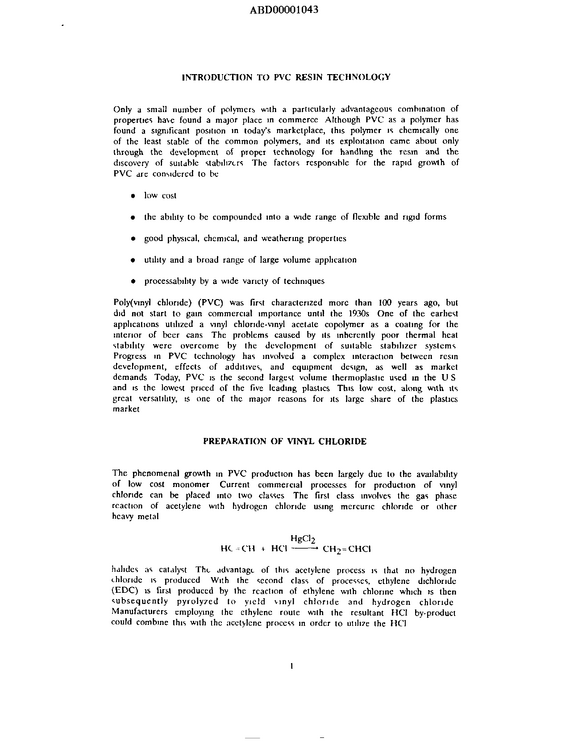
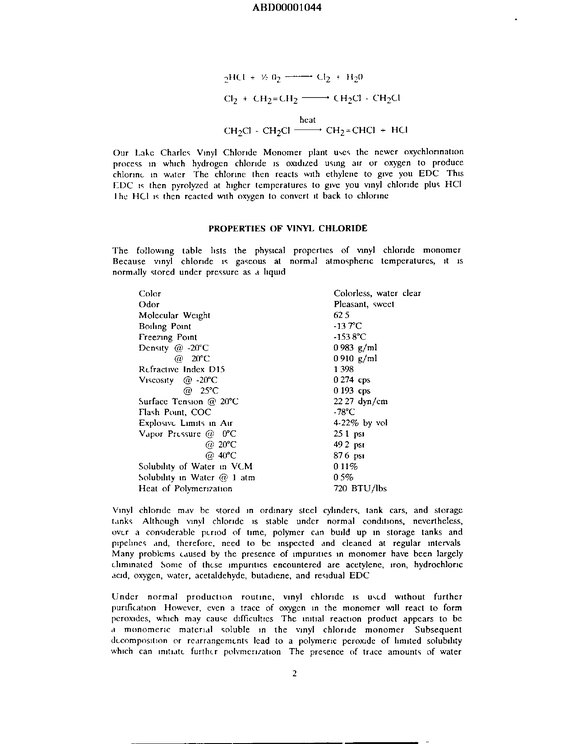
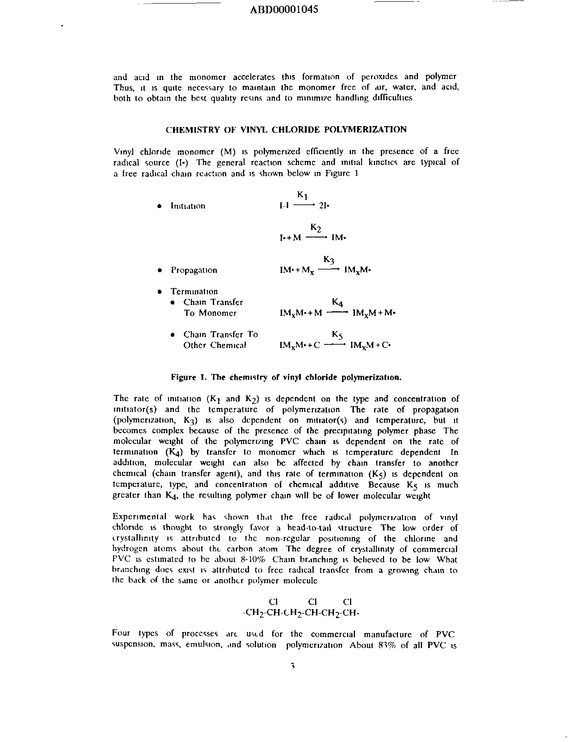
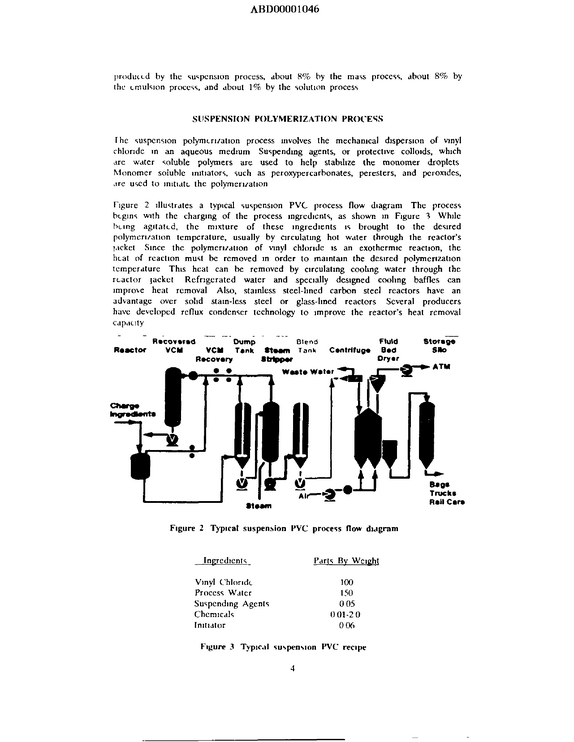
ABD00001043 INTRODUCTION TO PVC RESIN TECHNOLOGY Only a small number of polymers with a particularly advantageous combination of properties have found a major place in commerce Although PVC as a polymer has found a significant position in today's marketplace, this polymer is chemically one of the least stable of the common polymers, and its exploitation came about only through the development of proper technology for handling the resin and the discovery of suitable stabilizers The factors responsible for the rapid growth of PVC are considered to be low cost the ability to be compounded into a wide range of flexible and rigid forms good physical, chemical, and weathering properties utility and a broad range of large volume application processability by a wide variety of techniques Poly(vmyl chloride) (PVC) was first characterized more than 100 years ago, but did not start to gain commercial importance until the 1930s One of the earliest applications utilized a vinyl chloride-vinyl acetate copolymer as a coating for the interior of beer cans The problems caused by its inherently poor thermal heat stability were overcome by the development of suitable stabilizer systems Progress in PVC technology has involved a complex interaction between resin development, effects of additives, and equipment design, as well as market demands Today, PVC is the second largest volume thermoplastic used in the U S and is the lowest priced of the five leading plastics This low cost, along with Us great versatility, is one of the major reasons for its large share of the plastics market PREPARATION OF VINYL CHLORIDE The phenomenal growth in PVC production has been largely due to the availability of low cost monomer Current commercial processes for production of vinyl chloride can be placed into two classes The first class involves the gas phase reaction of acetylene with hydrogen chloride using mercuric chloride or other heavy metal HgCl2 HC--CH + HC1 --------- CH2 = CHCI halides as catalyst The advantage of this acetylene process is that no hydrogen chloride is produced With the second class of processes, ethylene dichloridc (EDC) is first produced by the reaction of ethylene with chlorine which is then subsequently pyrolyzed to yield vinyl chloride and hydrogen chloride Manufacturers employing the ethylene route with the resultant HC1 by-product could combine this with the acetylene process in order to utilize the HC1 1 ABD00001044 2HCl + '/: 02 ---------- * U2 n20 Cl2 + ch2=ui2 ---------> CH2C1 - CH2C1 heat CH2C1 - CH2C1 ---------' CH2 = CHC1 + HC1 Our Lake Charles Vinyl Chloride Monomer plant uses the newer oxychlorination process in which hydrogen chloride is oxidized using air or oxygen to produce chlorine in water The chlorine then reacts with ethylene to give you EDC This EDC is then pyrolyzed at higher temperatures to give you vinyl chloride plus HC1 1 he HC1 is then reacted with oxygen to convert it back to chlorine PROPERTIES OF VINYL CHLORIDE The following table lists the physical properties of vinyl chloride monomer Because vinyl chloride is gaseous at normal atmospheric temperatures, it is normally stored under pressure as a liquid Color Odor Molecular Weight Boiling Point Freezing Point Density @ -20C @ 20C Refractive Index D15 Viscosity @ -20C @ 25C Surface Tension @ 20C Hash Point, COC Explosive Limits in Air Vapor Pressure @ 0C @ 20C @ 40C Solubility of Water in VCM Solubility in Water @ 1 atm Heat of Polymerization Colorless, water clear Pleasant, sweet 62 5 -13 rc -153 8C 0 983 g/ml 0 910 g/ml 1 398 0 274 cps 0193 cps 22 27 dyn/cm -78C 4-22% by vol 25 1 psi 49 2 psi 87 6 psi 0 11% 0 5% 720 BTU/lbs Vinyl chloride mav be stored in ordinary steel cylinders, tank cars, and storage tanks Although vinyl chloride is stable under normal conditions, nevertheless, over a considerable period of time, polymer can build up in storage tanks and pipelines and, therefore, need to be inspected and cleaned at regular intervals Many problems caused by the presence of impurities in monomer have been largely eliminated Some of these impurities encountered are acetylene, iron, hydrochloric acid, oxygen, water, acetaldehyde, butadiene, and residual EDC Under normal production routine, vinyl chloride is used without further purification However, even a trace of oxygen m the monomer will react to form peroxides, which may cause difficulties The initial reaction product appears to be <i monomeric material soluble in the vinyl chloride monomer Subsequent decomposition or rearrangements lead to a polymeric peroxide of limited solubility which can initiate further polvmcri/alion The presence of trace amounts of water 2 ABD00001045 and acid in the monomer accelerates this formation of peroxides and polymer Thus, it is quite necessary to maintain the monomer free of air, water, and acid, both to obtain the best quality resins and to minimize handling difficulties CHEMISTRY OF VINYL CHLORIDE POLYMERIZATION Vinyl chloride monomer (M) is polymerized efficiently in the presence of a free radical source (I*) The general reaction scheme and initial kinetics are typical of a free radical chain reaction and is shown below in Figure 1 Initiation *1 I-I --------* 21* k2 !
refid# ga17OvaLN7na34RwM3LJLEv2Q21 pages
Our attempts to simplify nature's processes by creaung highly artificial conditions sometimes lead us astray but at others they provide the means of forging a link in a chain of evidence. .
refid# npRnny1EyBxG9RKjaprK8QXY222 pages
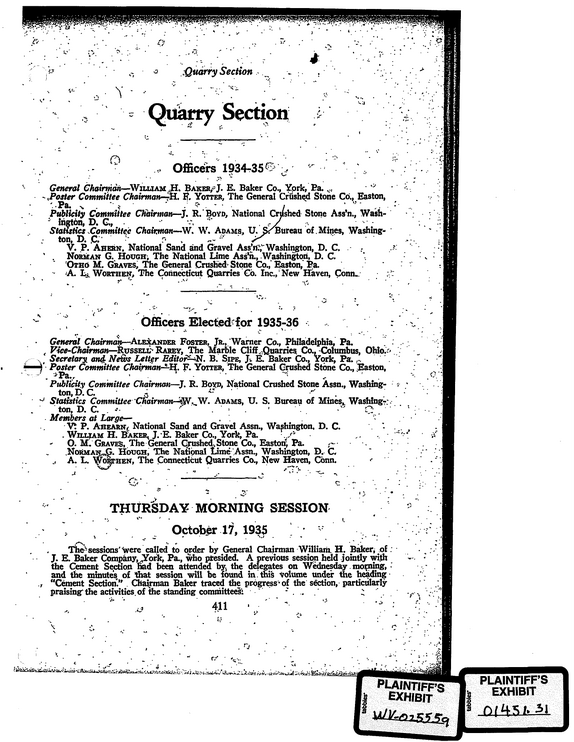
o Officers 1934-35^ General Chairman--William ,H.
refid# m3zN9MXv2Qyzjb13YVNaVe8411 pages
!
refid# aJv0BLzE7aNBGN1V5jGr0d5Xy20 pages
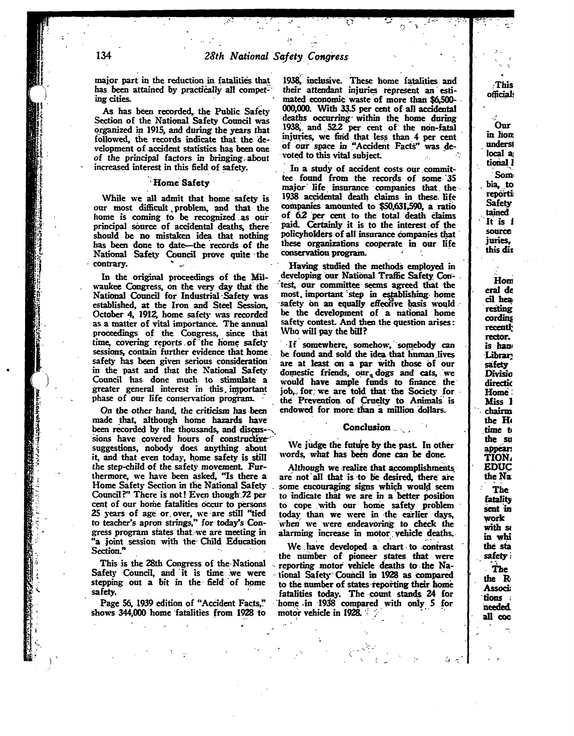
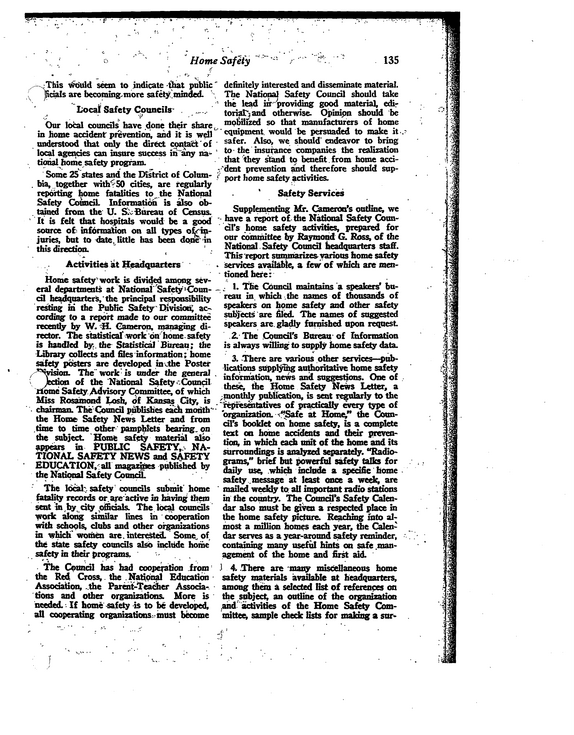
the lead in ^providing good material, edi torial; and otherwise.
refid# G6rbRZE6ZQbMoXVOa8x4KRb6V10 pages
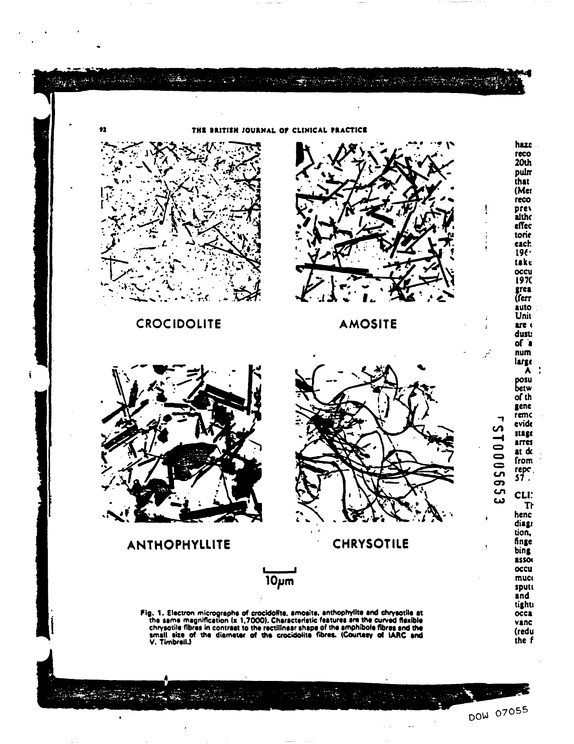
PLAINTIFFS EXHIBIT ..DQW-353 v. 11 T/l j** l(T?
refid# Rj68DBxLNrN7xd4vyOykwYbpv12 pages
FILE NAME State of the Art Literature SAL DATE 1937 June DOC SAL025 DOCUMENT DESCRIPTION Proceedings of the 17th Annual Meeting of the Medical and Surgical Section - Assoc of American Railroads eeat y aVerts2, a om tA > oman mew de ed tee re PROCEEDINGS . 3ee '- SEVENTEENTH ANNUAL MEETING OF THE MEDICAL AND SURGICAL SECTION 4 t eys ve zsae aby ne cr ATLANTIC : .
refid# x14VbJa1pgoEGxGBxZLDNjyzG13 pages
1934 TRANSACTIONS National Safety Council Incorporated TWENTY-THIRD ANNUM SAFETY CONGRESS Cleveland, Ohio October 1 to October 5, 1934 The Cleveland, Carter and Scatter Hotels CofcynVir.
refid# qdo3dZBy0Gnba6rxebxenzDQx385 pages
1934 TRANSACTIONS National Safety Council Incorporated TWENTY-THIRD ANNUM SAFETY CONGRESS Cleveland, Ohio October 1 to October 5, 1934 The Cleveland, Carter and Scatter Hotels CofcynVir.
refid# 3oexrMq4G4xn7KK8MJm91mzE385 pages
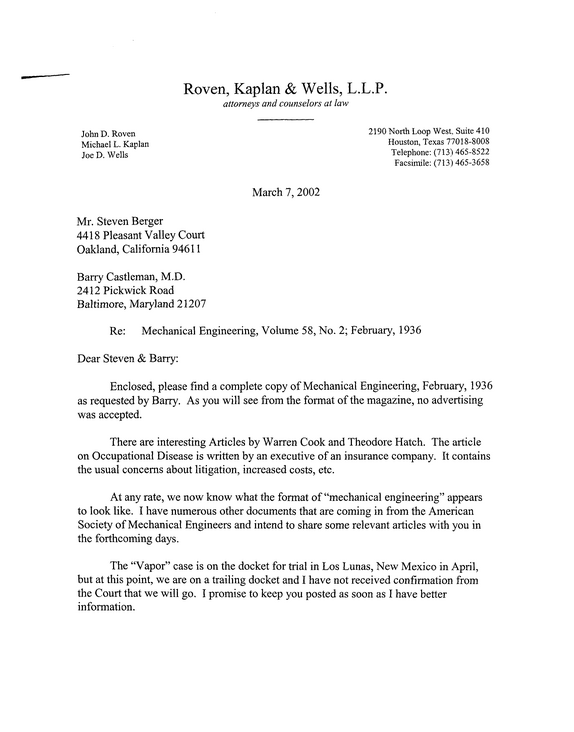
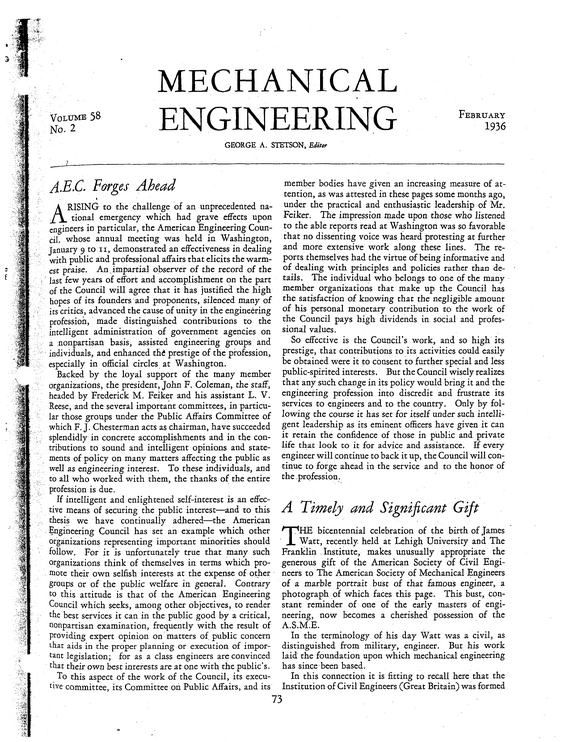
FILE NAME: Trade Publications (TR) DATE: 1936 Feb DOC#: TR012 DOCUMENT DESCRIPTION: Trade Journal - Mechanical Engineering John D.
refid# RpG0RRznea0wznkxm9Vegb3jB71 pages
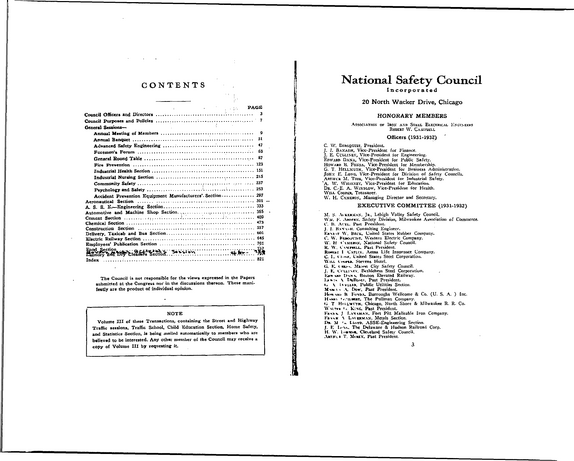
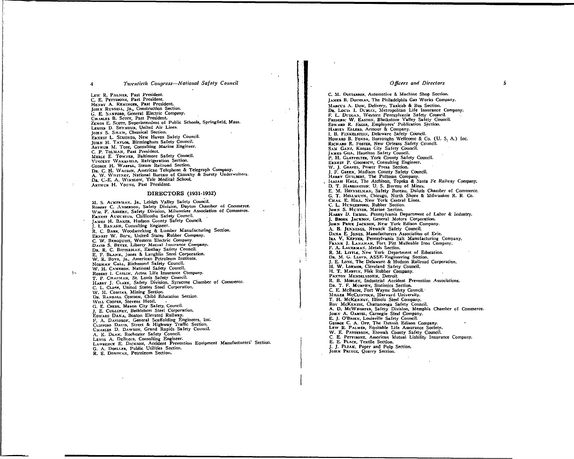
*93* TRANSACTIONS National Safety Council Incorporated TWENTIETH ANNUAL SAFETY CONGRESS Chicago October ta to October 16, 1931 The Hotel Stevens Copyright, 1932, National Safety Council, Inc.
refid# njaEYMdr1amBL81Q3nXYwe6X424 pages
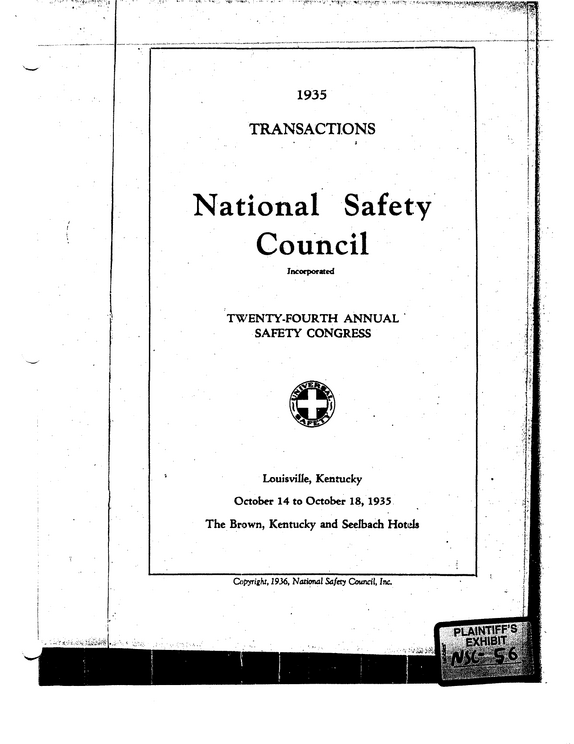
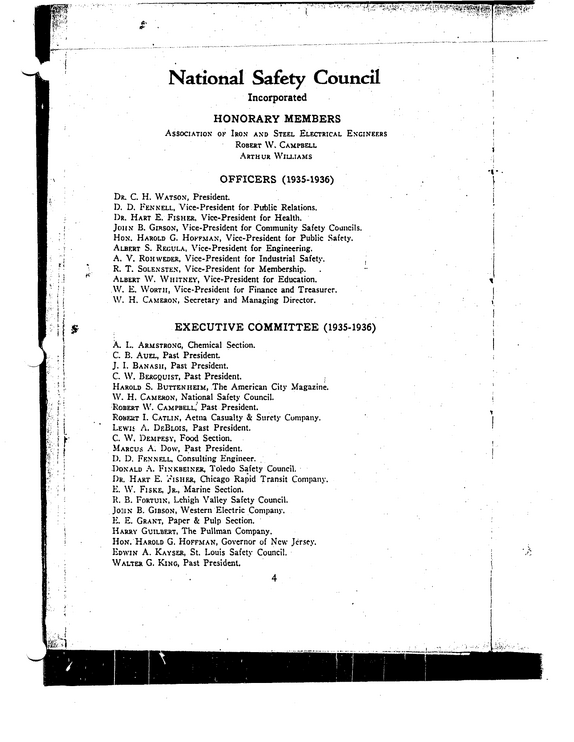
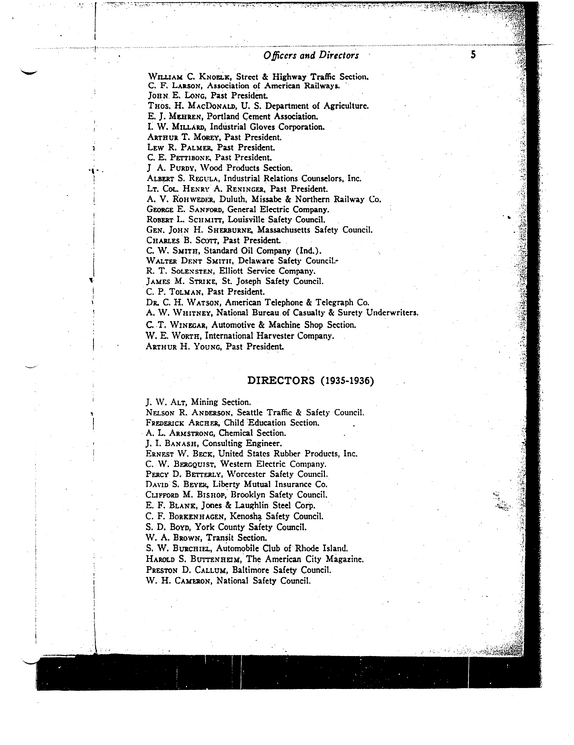
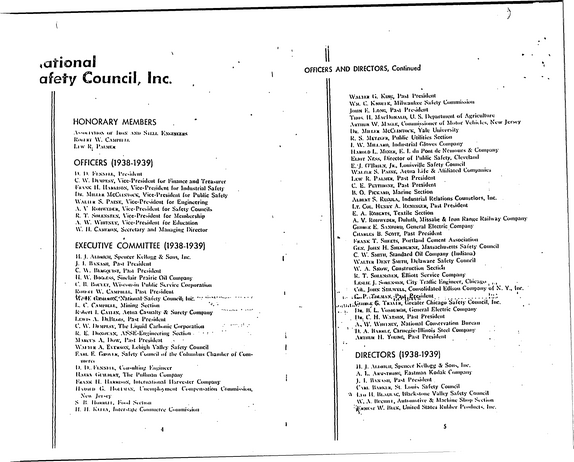
FILE NAME: National Safety Council (NSC) DATE: 1935 Oct DOC#: NSC060 DOCUMENT DESCRIPTION: Transactions of the NSC - 24th Annual Safety Congress . < v v . - "|i7rry>' *V' 1935 TRANSACTIONS s National Safety Council Incorporated TWENTY-FOURTH ANNUAL SAFETY CONGRESS * * $ N ational Safety Council Incorporated HONORARY MEMBERS A ssociation ok I ron and Steel E lectrical E ngineers R obert \V.
refid# ykE7ExKQb7zGrY1rDLkqo4r6r29 pages
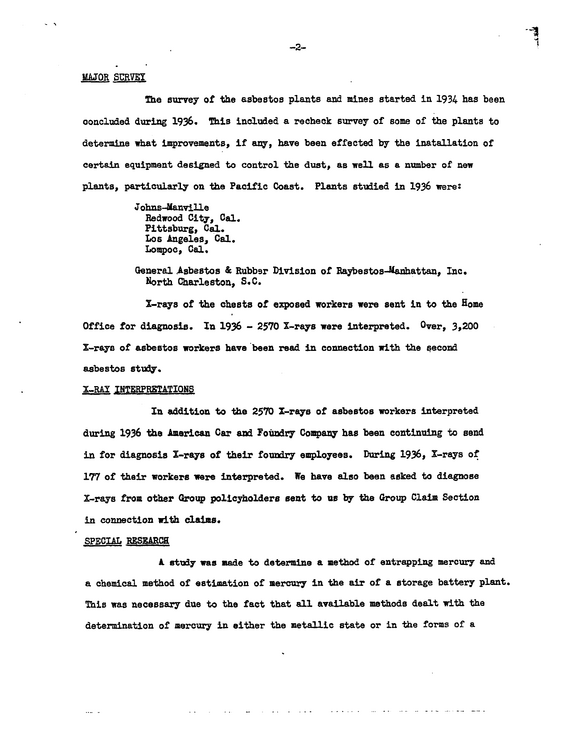
The classes of materials analyzed mere* silica and silicates metals (lead, zinc, copper, tin, mercury, etc.) fumes (lead, zinc, mercury, solvents such as amyl acetate, methyl alcohol, dichlorbenzine, tricresylphosphate, etc.) gases (carbon monoxide, sulphur dioxide, nitrous fumes, etc.)

refid# KGNXJ7wbJ2x0x3Vg9Z8edLKn295 pages
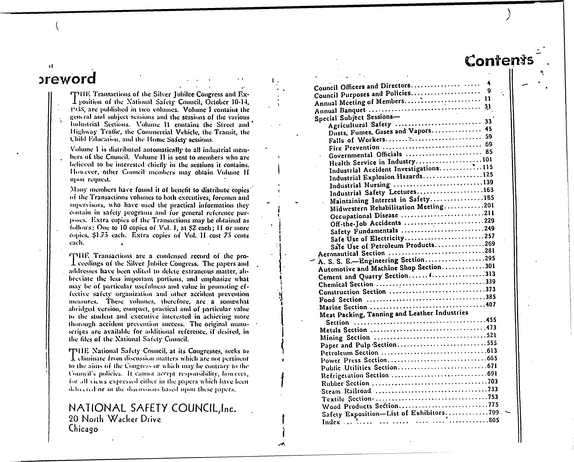
PLAINTIFF'S EXHIBIT isrsc-7 - CHICAGO OCTOBER 10-14a < 1933 NATIONAL SAFETY COUNCIL, ,NC 4rrisM, 193i, Nlioft*l Safety Courcil.
refid# Bvdbe8L22ndma8jD5Bxy39vkX17 pages