Refine
Estimated Years 1930-1939Clear
8,921 results foundRefine Search
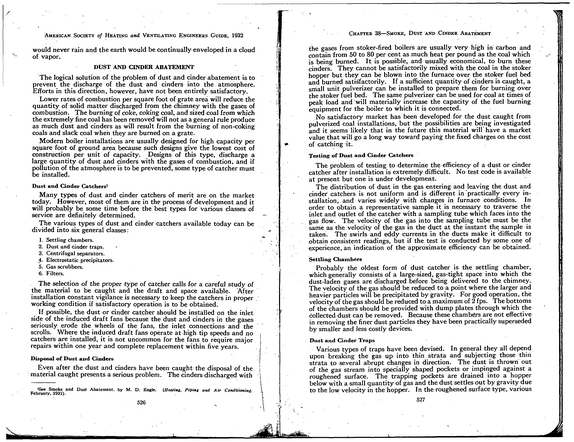
American Society of Heating and Ventilating Engineers Guide, 1932 would never rain and the earth would be continually enveloped in a cloud of vapor.
refid# vBXwV1ev44yjVNx34Odo4MMMm1 page
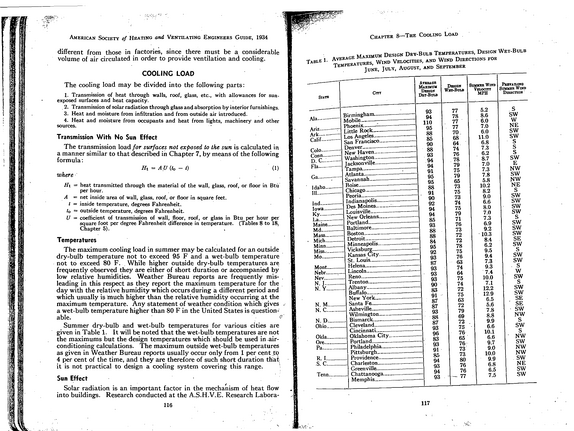
American Society of Heating and Ventilating Engineers Guide, 1934 different from those in factories, since there must be a considerable volume of air circulated in order to provide ventilation and cooling.
refid# MJL0x5OYvGZdq6XxGpZGnJvDL1 page
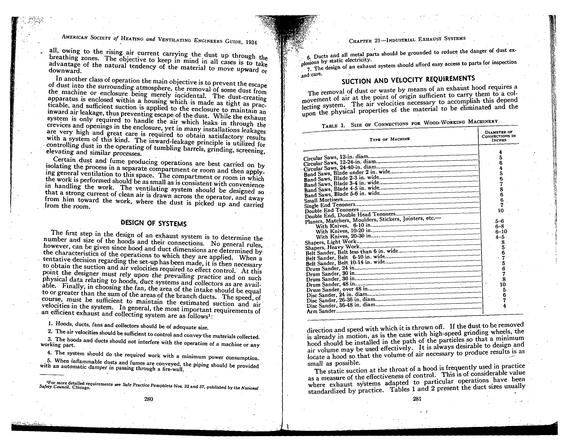
American Society of Heating and Ventilating Engineers Guide, 1934 , all, owing to the rising air current carrying the dust up through the breathing zones.
refid# gDam753K84pZK5KZRqVXNBay31 page
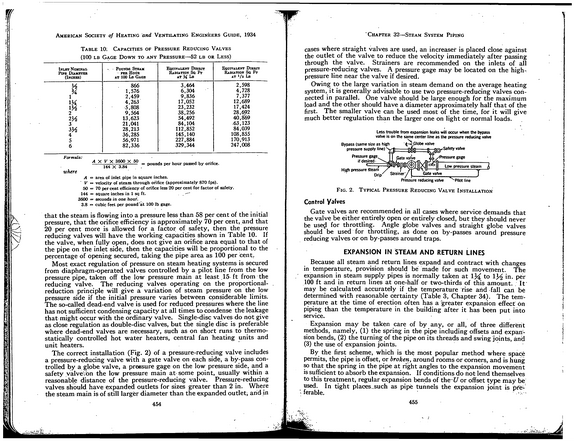
American Society of Heating and Ventilating Engineers Guide, 1934 Table 10; Capacities of Pressure Reducing Valves (100 lb Gage Down to any Pressure--52 lb or Less) Inlet Nominal Pipe Diameter (Inches) X X l IX IX 2 IX 3 3X 4 5 6 - Pounds Steam per Hour at 100 Lb Gage 866 1,576 2,459 4,263 5,808 9,564 13,623 21,041 28,213 36,285 56,971 82,336 Equivalent Direct SRadiation q Ft at K Lb 3,464 6,304 9,836 17,052 23,232 38,256 54,492 84,104 112,852 145,140 227,884 329,344 Equivalent Direct SRadiation q Ft at 1/s Lb 2,598 4,728 7,377 12,689 17,424 28,692 40,869 .63,123 84,039 108,855 170,913 247,008 Formula: A X V X 3600 X 50 144 X 3.84 pounds per hour passed by orifice.
refid# RjpG1mdpQJBpZe2R7vVEM9we71 page
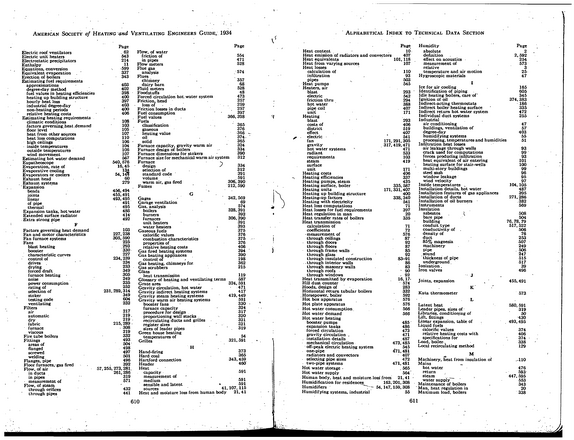
American Society of Heating and Ventilating Engineers Guide, 1934 Page Electric roof ventilators Electric unit heaters Electrostatic precipitators Enthalpy Equations, conversion Equivalent evaporation Erection of boilers Estimating fuel requirements approximations degree-day method fuel values in heating efficiencies heating up building structure hourly heat loss industrial degree-day non-heating periods relative heating costs Estimating heating requirements climatic conditions factors governing, heat .demand floor level ' heat from other sources heat loss computations high ceilings inside temperatures outside temperatures wind movement Estimating hot water demand Eu patheoscope Evaporation, rate of Evaporative cooling Evaporators or coolers Exhaust head Exhaust systems ' Expansion bends joints linear of pipe thermal Expansion tanks, hot'water Extended surface radiator Extra strong pipe . 62 543 214 11 599 337 343 403 402 398 400 397 403 400 406 108 103 105 107 110 106 106 107 567 540. 676 16,45 54.1& 60 279 456.494 455,491 493.495 491 495 486 414 492 F Factors governing heat demand Fan and motor characteristics Fan furnace systems Fans blast heating booster . characteristic curves control of drives drying forced draft furnace heating noise power consumption rating of selection of stoker testing code ventilating Filters air automatic ' furnace viscous Fire tube boilers Fittings areas of flanged screwed welding Flanges, pipe Floor furnaces,-gas fired Flow, of air in ducts in pipes measurement of Flow, of steam through orifices through pipes 103 227,238 305, 590 225 293 330 227 234, 239 234 233 349 305 249 235 252 231,289,314 349 604 232 217 219. 219 215, 289 - 308 219 332 493 504 498 497 501 496 392 57.255, 273,281. 261. 286 319 571 432 441 Page Flow, of water friction of in pipes 554 471 Flow meters 528 Flue gas analysis .574 Flues .
refid# 3Jz08801KB1j1BvbQ4oxBJEzO1 page
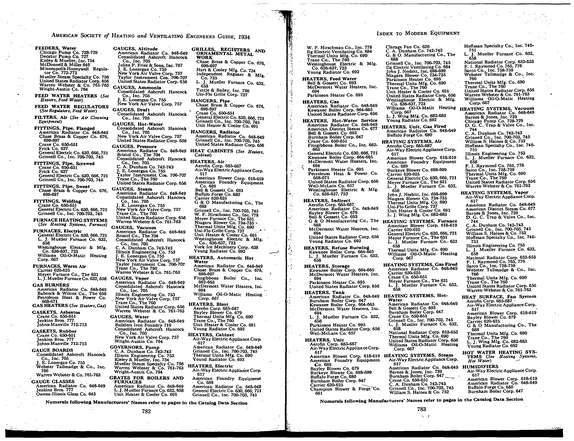
American Society of Heating and Ventilating Engineers Guide, 1934 FEEDERS, Water Chicago Pump Co. 728-729 .
refid# LKvV7javKK6xzRG65dZL4BDKX1 page
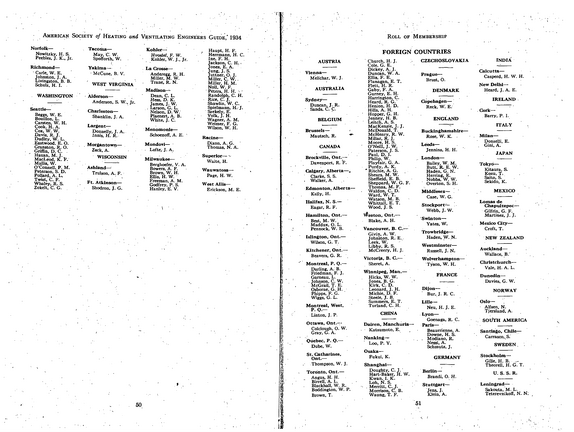
American Society of Heating and Ventilating Engineers Guide,' 1934 Norfolk-- Nowitzky, H.
refid# 9ynQnn2K6MOaoYGVgqZ79E6e1 page
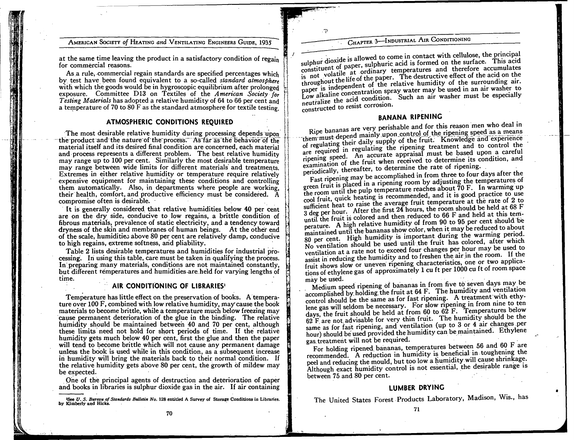
American Society of Heating and Ventilating Engineers Guide, 1935 at the same time leaving the product in a satisfactory condition of regain for commercial reasons.
refid# 7qg3Gyqn4ojG6E4pmwY0beYe1 page
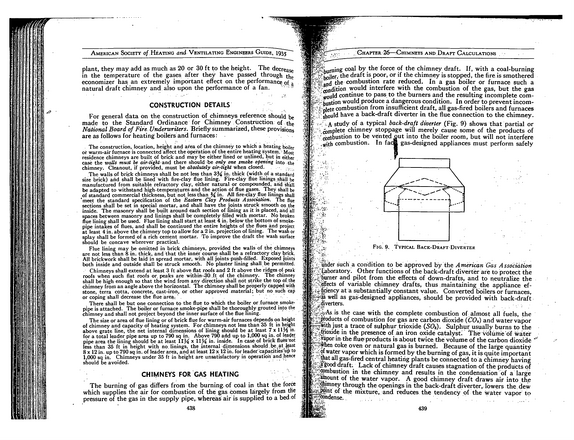
American Society of Heating and Ventilating Engineers Guide, 1935 plant, they may add as much as 20 or 30 ft to the height.
refid# kaEDQdo2520Odr1k48X3eOZMb1 page
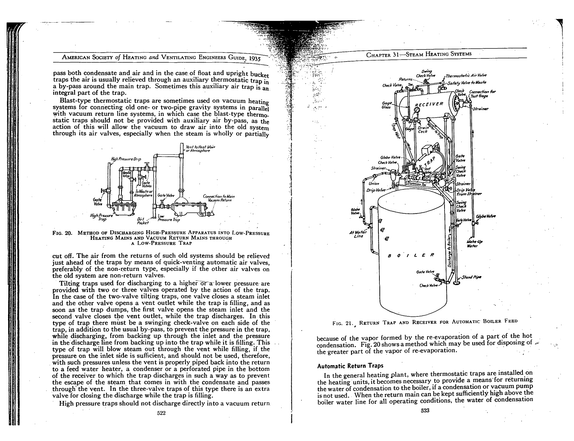
American Society of Heating and Ventilating Engineers Guide, 1935 pass both condensate and air and in the case of float and upright bucket traps the air is usually relieved through an auxiliary thermostatic trap in a by-pass around the main trap.
refid# B5BYVr8KdL3j2YJJeDXayNqw81 page
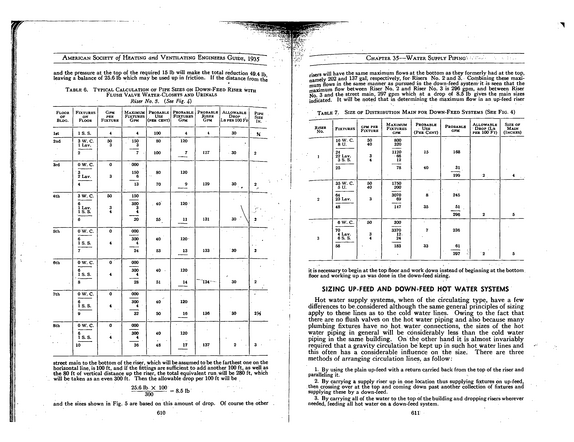
American Society of Heating arid Ventilating Engineers Guide, 1935 and the pressure at the top of the required 15 lb will make the total reduction 49.4 n, leaving a balance of 25.6 lb which may be used up in friction.
refid# wr9mLwpp3XE6eDQ9kVQowLzZ61 page
American Society of Heating and Ventilating Engineers Guide, 1935 TARR.
refid# LYZeNE4307ZDox2ERjBpa6p71 page
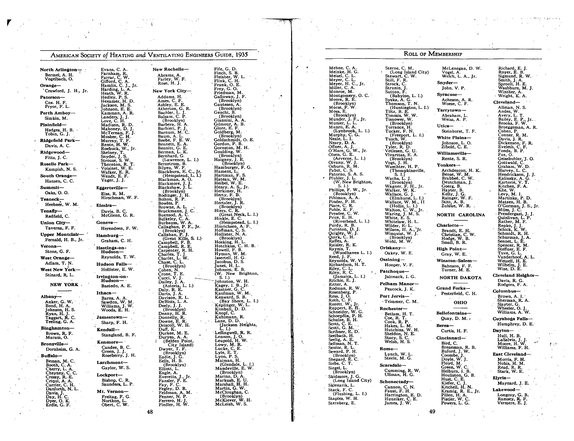
American Society of Heating and Ventilating Engineers Guide, 1935 North Arlington--r : Bermel, A.
refid# by9xMB6ZpaebD8aNy3Mx8yYVO1 page
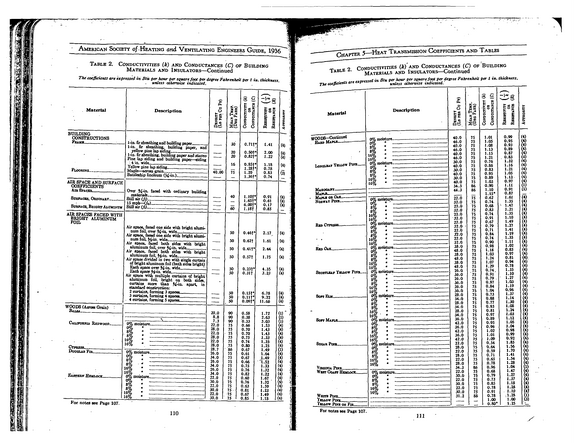
American Society o/ Heating and Ventilating Engineers Guide, 1936'" ' Table 2.
refid# RaD457xoLrNY5EJrKkpBGZdwE1 page
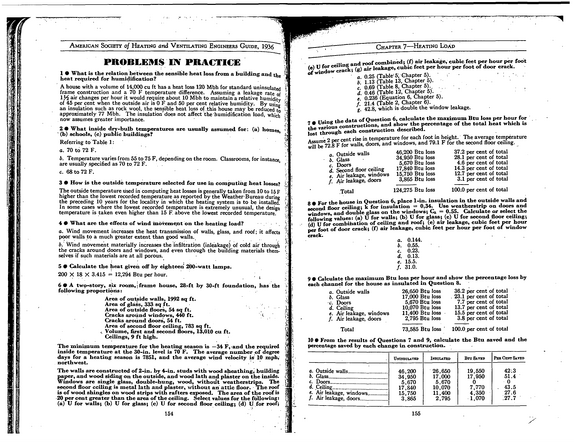
American Society of Heating and Ventilating Engineers Guide, 1935 PROBLEMS IN PRACTICE 1 9 What is the relation between the sensible heat loss from a building and the heat required for humidification?
refid# QXJBzRnKweoRVNQN9mg6R2wx81 page