Refine
Estimated Years 1930-1939Clear
8,921 results foundRefine Search
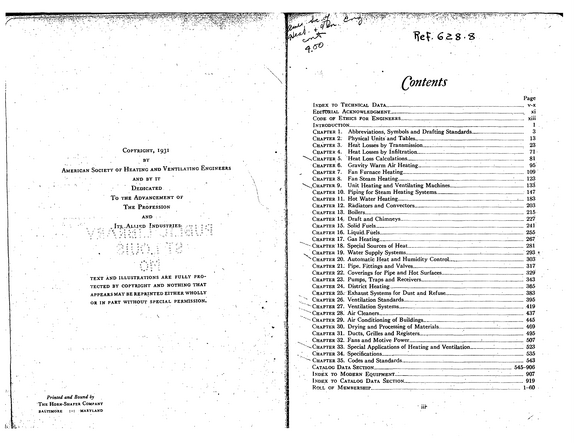
Copyright, 1931 BY American Society of Heating and Ventilating Engineers AND BY IT Dedicated .
refid# NR2mLb52jX9Y2xk5YaBDe2Vg1 page
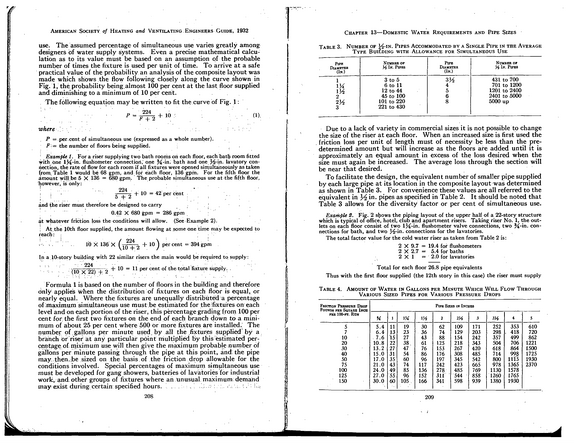
American Society of Heating and Ventilating Engineers Guide, 1932 use.
refid# 4vQ7pnM2Qo1D2MKoExYmg1yNQ1 page
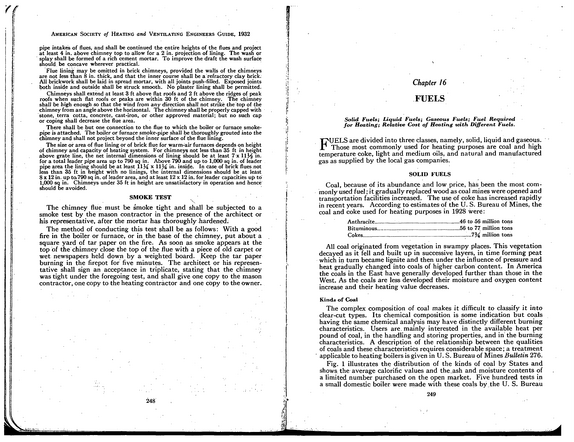
American Society of Heating and Ventilating Engineers Guide, 1932 pipe intakes of flues, and shall be continued the entire heights of the flues and project at least 4 in. above chimney top to allow for a 2 in. projection of lining.
refid# MJ3MbV6n7vkmaDEDN90NV58Rj1 page
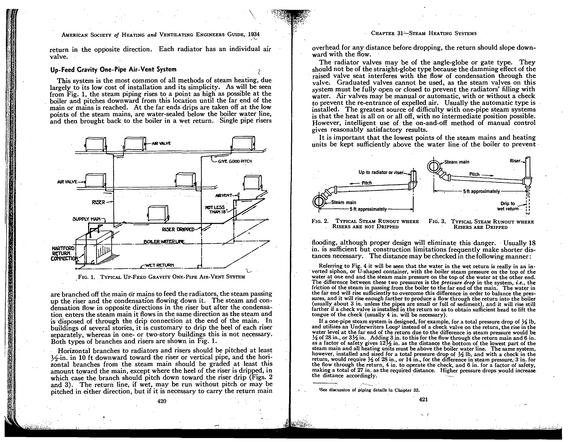
American Society of Heating and Ventilating Engineers Guide, .1934 return in the opposite direction.
refid# yrkO8yy1jon6xBGbnywrKjOOr1 page
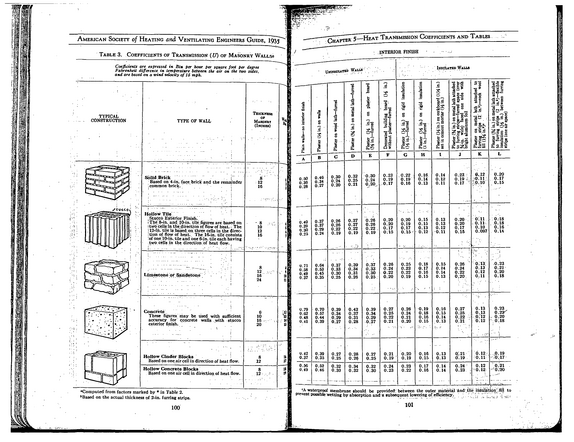
strips (one air space) in.) between fumng American Society of Heating and Ventilating Engineers Guide, 1935 Table 3.
refid# Y95X7MXVmRqrqVyEqB1KBpERn1 page
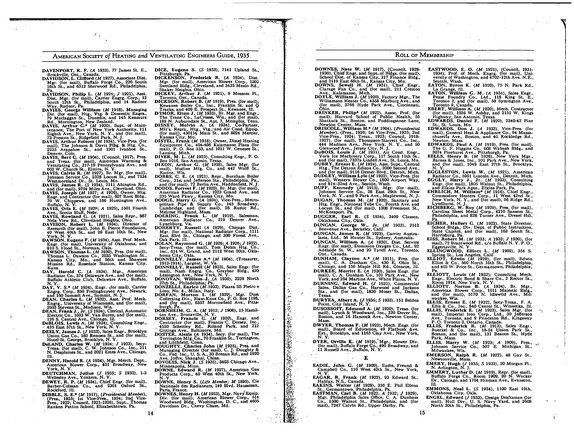
/ American Society of Heating and Ventilating Engineers Guide, 1935 DAVENPORT, R.
refid# VJYowgoDm4ODpKggjYXv1XDZo1 page
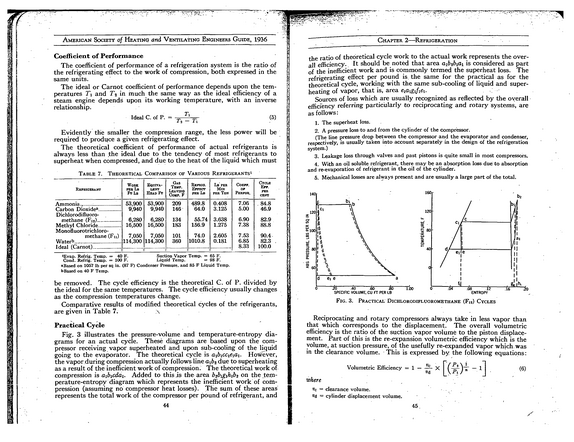
American Society of Heating and Ventilating Engineers Guide, 1936 Coefficient of Performance The coefficient of performance of a refrigeration system is the ratio of the refrigerating effect to the work of compression, both expressed in the same units.
refid# XRd83Dox42rv5Na81oEJL1qXB1 page
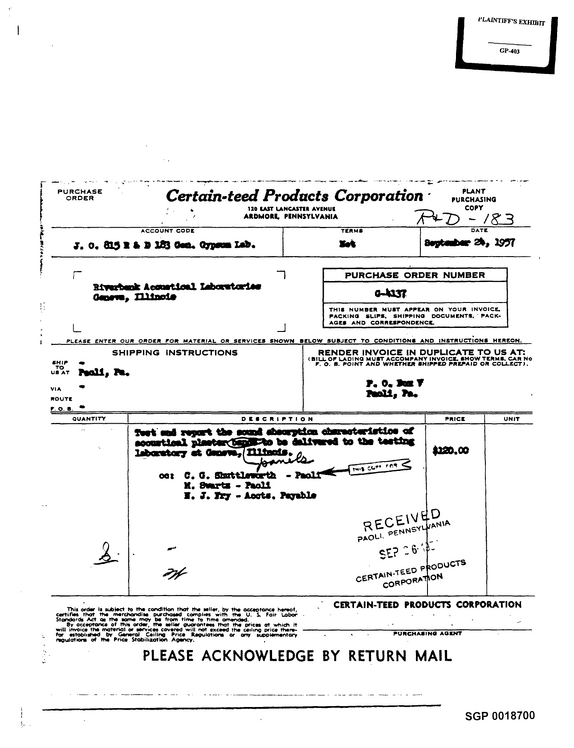
PURCHASE OROER Certain-teed Products Corporation* UO LAST LANCASTM AVINUI ARDMORE, PENNSYLVANIA PLANT PURCHASING COPY ACCOUNT CODE jr.
refid# pe9LJdD0n9J3MoY0jLwRmVr8a1 page
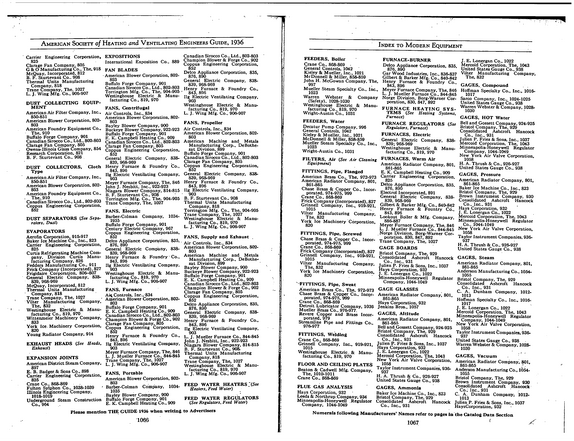
American Society of Heating and Ventilating Engineers Guide, 1936 Carrier Engineering Corporation, 825 Clarage Fan Company, 805 G & O Manufacturing Co., The, 918 McQuay, Incorporated, 812 B.
refid# NENYD0JeXzXbdE8gXYpdDzoob1 page
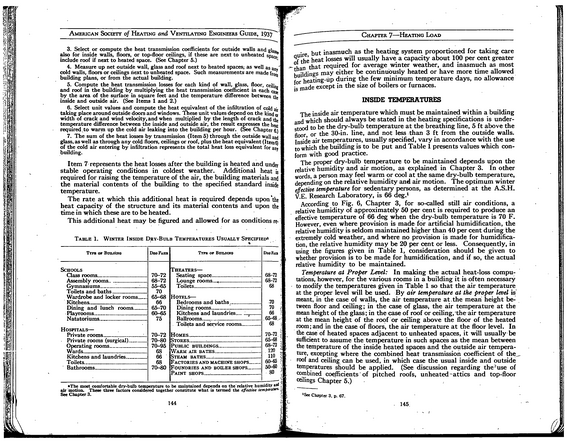
r American Society of Heating and Ventilating Engineers Guide, 1937 s 7Chapter --Heating Load 3.
refid# V3ob0VkaaEzbx0993Nz8novyN1 page
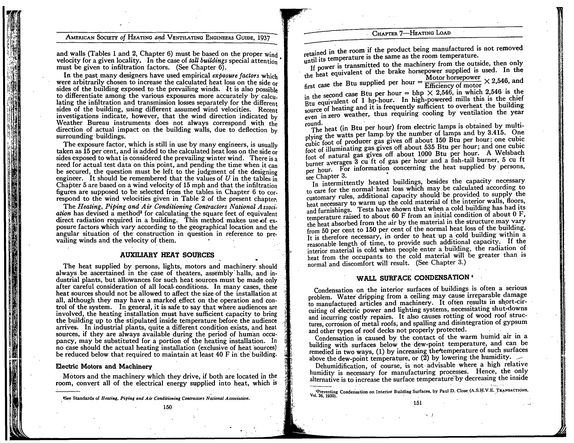
American Society of Heating and Ventilating Engineers Guide, 1937 and walls (Tables 1 and 2, Chapter 6) must be based on the proper wind velocity for a given locality.
refid# Qkb0xyexL64k3LZb1Dxj1G8No1 page
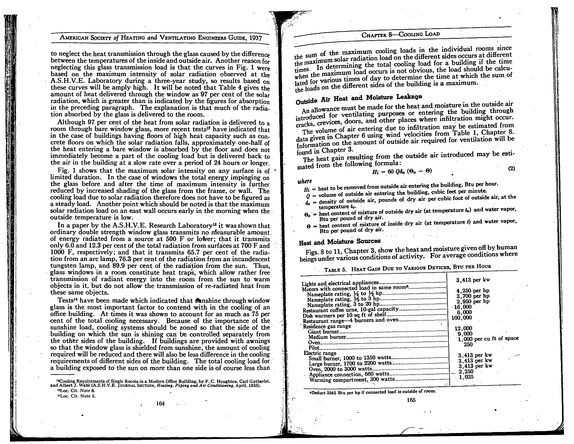
American Society of Heating and Ventilating Engineers Guide, 1937 to neglect the heat transmission through the glass caused by the difference between the temperatures of the inside and outside air.
refid# aDB4eQvGdb9VxXo9R1Vdn9Xpb1 page
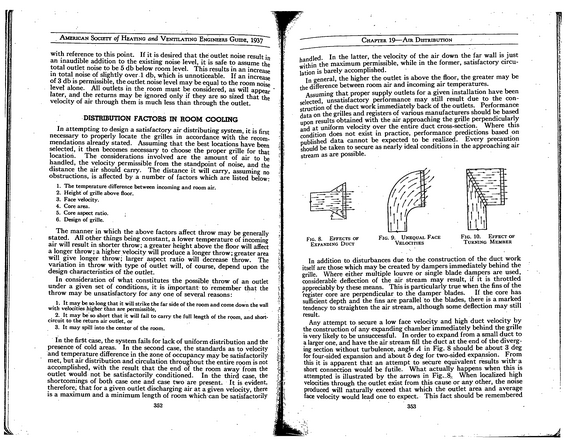
American Society of Heating and Ventilating Engineers Guide, 1937 with reference to this point.
refid# KQRjDNrg5g5NzxDv4omweRzQ1 page
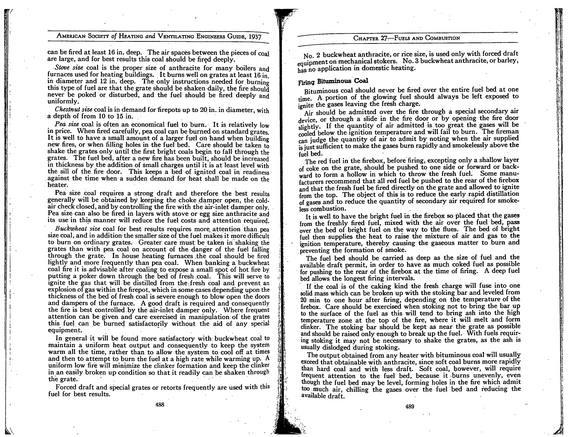
American Society of Heating and Ventilating Engineers Guide, 1937 can be fired at least 16 in. deep.
refid# re3D2wKEXXM5mr2wRwOj6LZM01 page
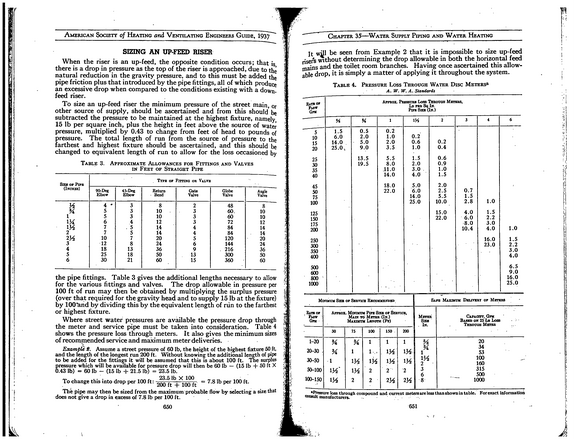
American Society of Heating and Ventilating Engineers Guide, 1937 SIZING AN UP-FEED RISER When the riser is an up-feed, the opposite condition occurs; that is there is a drop in pressure as the top of the riser is approached, due to the natural reduction in the gravity pressure, and to this must be added the pipe friction plus that introduced by the pipe fittings, all of which produce an excessive drop when compared to the conditions existing with a downfeed riser.
refid# 2RGqR3V60obBMBNbgOzXxVj1N1 page