Refine
Estimated Years 1930-1939Clear
8,921 results foundRefine Search
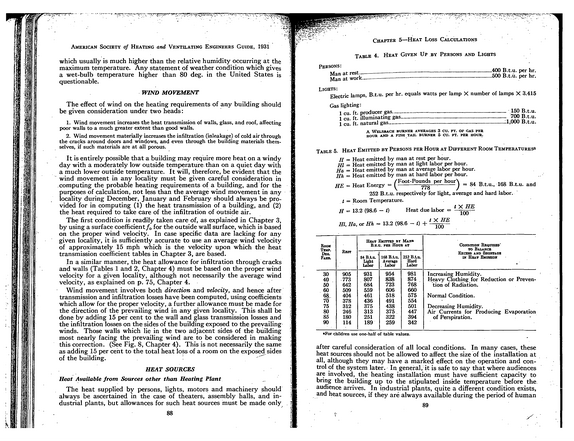
American Society of Heating and Ventilating Engineers Guide, 1931 which usually is much higher than the relative humidity occurring at the maximum temperature.
refid# 6RY82ebejMjr36Zr4rpq8K9Lo1 page
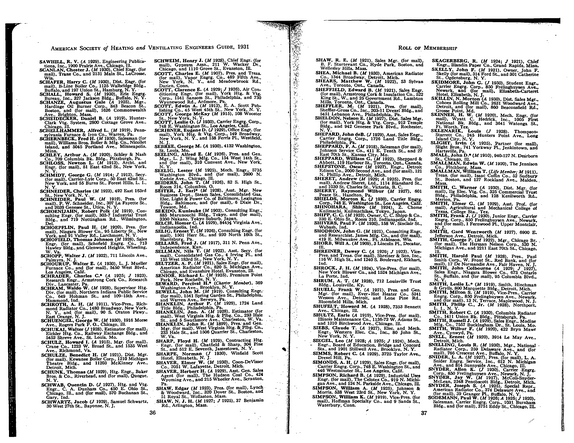
American Society of Heating and Ventilating Engineers Guide, 1931 SAWHILL, R.
refid# 2JRZBqKDB2g72rNr28XLjmop61 page
!
refid# pO1yrm4Lx7r57r30G7dBaQok1 page
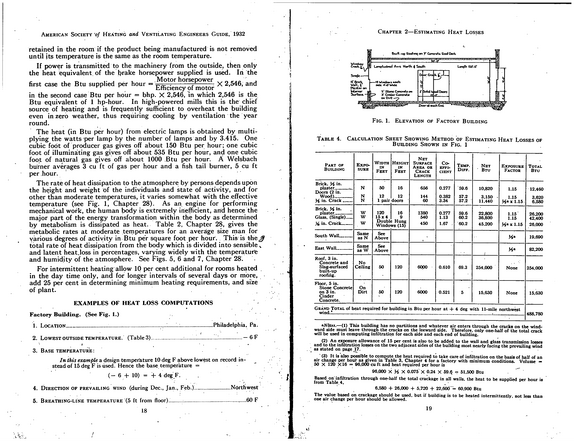
American Society `of Heating and Ventilating Engineers Guide, 1932 retained in the room if the product being manufactured is not removed until its temperature is the same as the room temperature.
refid# byXYy8rX31pwX64zKOMQy7Oo1 page
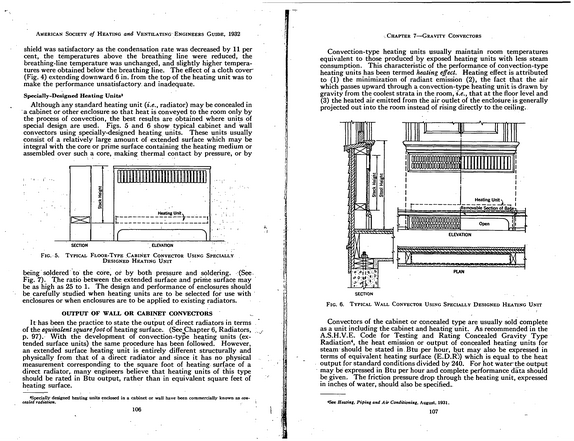
American Society of Heating and Ventilating Engineers Guide, 1932 shield was satisfactory as the condensation rate was decreased by 11 per cent, the temperatures above the breathing line were reduced, the breathing-line temperature was unchanged, and slightly higher tempera tures were obtained below the breathing line.
refid# mBO4rNOvGMaOLnn48jGD233641 page
/ !
refid# RJJVGarQpdwr0erOJLJ8OjJZn1 page
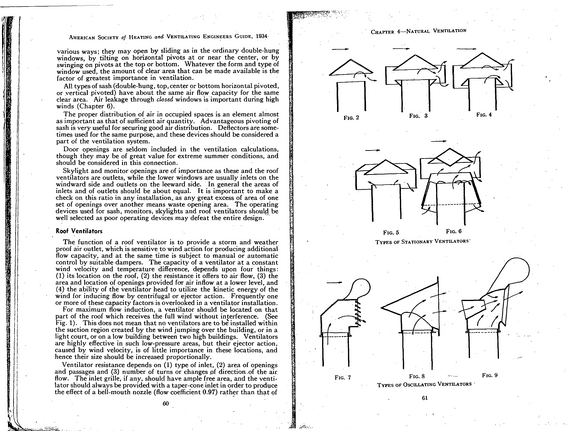
American Society of Heating and Ventilating Engineers Guide, 1934' various ways; they may open by sliding as in the ordinary double-hung windows, by tilting on horizontal pivots at or near the center, or by swinging on pivots at the top or bottom.
refid# OzXdoGKeeOJLo5RYapXwDvzqe1 page
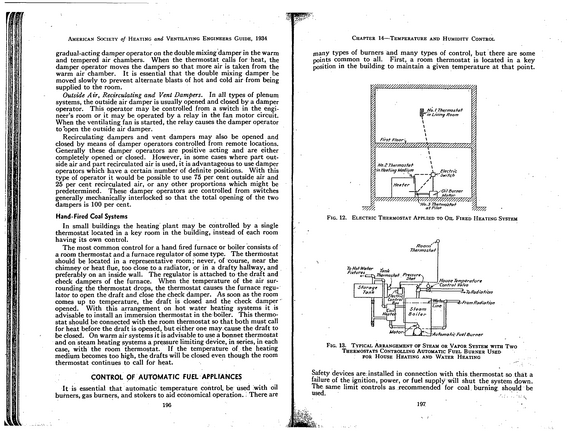
American Society of Heating and Ventilating Engineers Guide, 1934 gradual-acting damper operator on the double mixing damper in the warm and tempered air chambers.
refid# QvxgyEkQ6N9y0L5p9wre5jk1 page
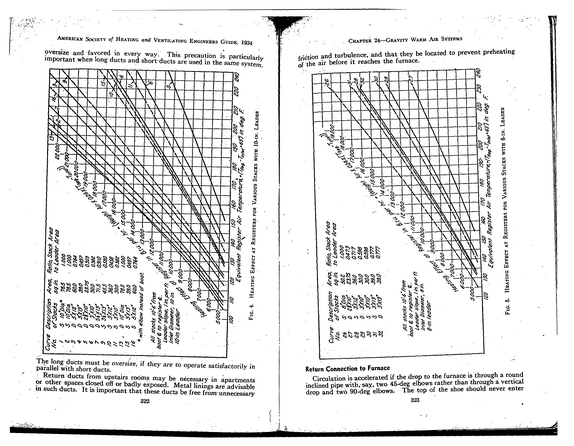
American Society of Heating and Ventilating Engineers Guide, 1934 oversize and favored in every way.
refid# k6R3O84EVNRMJ49o18K7418Zb1 page
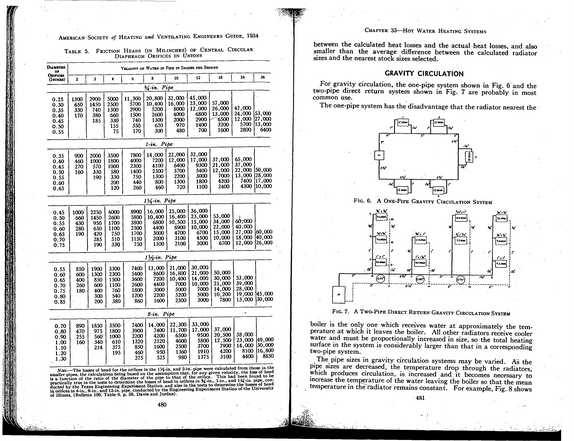
American Society of Heating and Ventilating Engineers Guide, 1934 Table 5.
refid# zQ9K7xXqwoJQZgyGyb7M2GkLg1 page
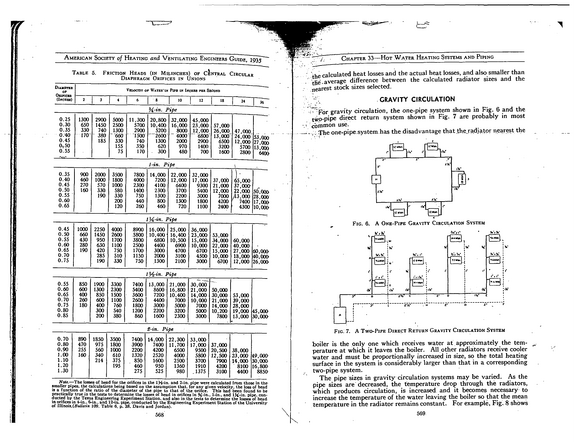
American Society of Heating and Ventilating Engineers Guide, 1935 Table 5.
refid# 2JXvO0nkgO46O45G7XpeaVobN1 page
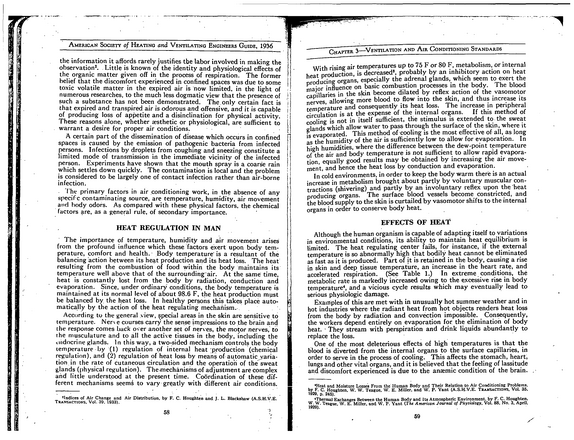
i American Society of Heating and Ventilating Engineers Guide, 1936 Chapter 3--Ventilation and Air Conditioning Standards the information it affords rarely justifies the labor involved in making the observation2.
refid# wXEgjDD6YOkDN0XXDdDjnemD1 page
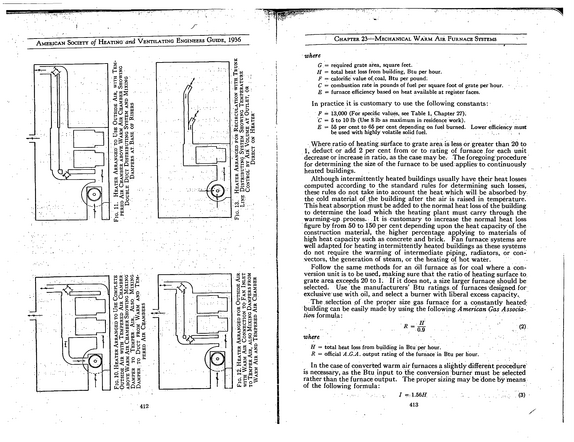
Iy American Society of Heating and Ventilating Engineers Guide, 1936 412 Chapter 23--Mechanical Warm Air Furnace Systems where G = required grate area, square feet, H = total heat loss from building, Btu per hour, F = calorific value of.coal, Btu per pound: C = combustion rate in pounds of fuel per square foot of grate per hour, E = furnace efficiency based on heat available at register faces.
refid# JvmoBv1ma3q5br58RO24wqNrB1 page
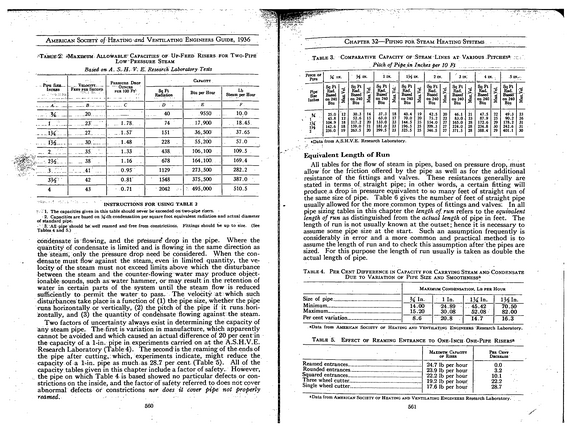
American Society 0/ Heating and Ventilating Engineers Guide, 1936 Table 2' ^Maximum Allowable5 Capacities' of Up-Feed Risers for Two-Pipe Low'"Pressure Steam Based on A.
refid# xdaOjXr1rEk56g99BxJM9BJqE1 page
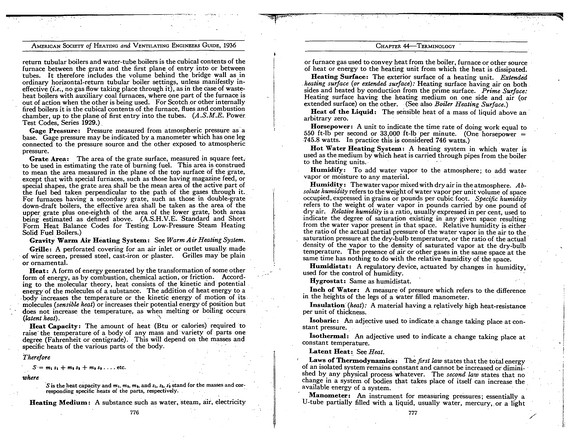
American Society of Heating and Ventilating Engineers Guide, 1936 return tubular boilers and water-tube boilers is the cubical contents of the furnace between the grate and the first plane of entry into or between tubes.
refid# qgBNzbV50jDbBRbRqxwbnYJj1 page