Refine
Estimated Years 1920-1929Clear
2,678 results foundRefine Search
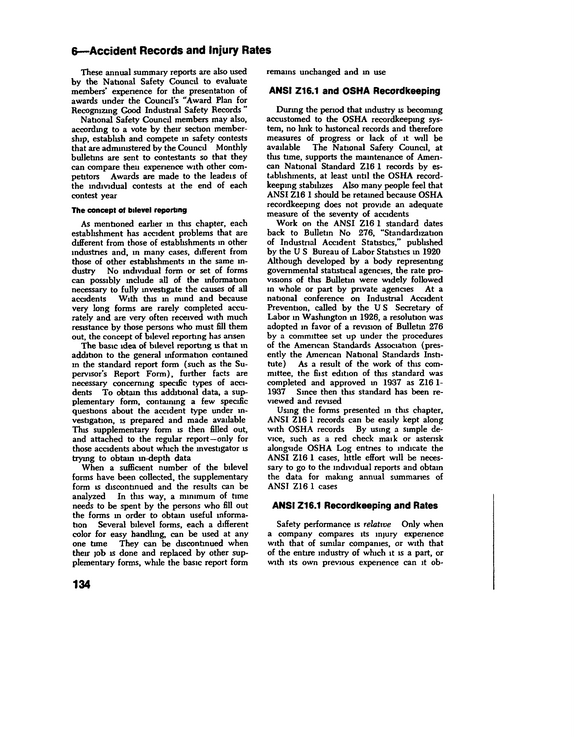
6--Accident Records and injury Rates These annual summary reports are also used by the National Safety Council to evaluate members' experience for the presentation of awards under the Councils "Award Plan for Recognizing Good Industrial Safety Records " National Safety Council members may also, according to a vote by their section member ship, establish and compete in safety contests that are administered by the Council Monthly bulletins are sent to contestants so that they can compare then experience with other com petitors Awards are made to the leadeis of the individual contests at the end of each contest year The concept of bilevel reporting As mentioned earlier in this chapter, each establishment has accident problems that are different from those of establishments in other industries and, m many cases, different from those of other establishments m the same in dustry No individual form or set of forms can possibly include all of the information necessary to fully investigate the causes of all accidents With this in mind and because very long forms are rarely completed accu rately and are very often received with much resistance by those persons who must fill them out, the concept of bilevel reporting has arisen The basic idea of bilevel reporting is that in addition to the general information contained m the standard report form (such as the Su pervisor's Report Form), further facts are necessary concerning specific types of acci dents To obtain this additional data, a sup plementary form, containing a few specific questions about the accident type under in vestigation, is prepared and made available This supplementary form is then filled out, and attached to the regular report--only for those accidents about which the investigator is trying to obtain in-depth data When a sufficient number of the bilevel forms have been collected, the supplementary form is discontinued and the results can be analyzed In this way, a minimum of time needs to be spent by the persons who fill out the forms in order to obtam useful informa tion Several bilevel forms, each a different color for easy handling, can be used at any one time They can be discontinued when their job is done and replaced by other sup plementary forms, while the basic report form remains unchanged and in use ANSI Z16.1 and OSHA Recordkeeping During the period that industry is becoming accustomed to the OSHA recordkeeping sys tem, no link to historical records and therefore measures of progress or lack of it will be available The National Safety Council, at this time, supports the maintenance of Ameri can National Standard Z16 1 records by es tablishments, at least until the OSHA record keeping stabilizes Also many people feel that ANSI Z16 1 should be retamed because OSHA recordkeeping does not provide an adequate measure of the seventy of accidents Work on the ANSI Z16 1 standard dates back to Bulletin No 276, "Standardization of Industrial Accident Statistics," published by the U S Bureau of Labor Statistics in 1920 Although developed by a body representing governmental statistical agencies, the rate pro visions of this Bulletin were widely followed m whole or part by pnvate agencies At a national conference on Industrial Accident Prevention, called by the U S Secretary of Labor in Washington in 1926, a resolution was adopted m favor of a revision of Bulletin 276 by a committee set up under the procedures of the American Standards Association (pres ently the American National Standards Insti tute) As a result of the work of this com mittee, the fiist edition of this standard was completed and approved in 1937 as Z16 11937 Since then this standard has been re viewed and revised Using the forms presented m this chapter, ANSI Z16 1 records can be easily kept along with OSHA records By using a simple de vice, such as a red check maik or asterisk alongside OSHA Log entries to indicate the ANSI Z16 1 cases, little effort will be neces sary to go to the individual reports and obtain the data for making annual summaries of ANSI Z16 1 cases ANSI Z16.1 Recordkeeping and Rates Safety performance is relative Only when a company compares its injury experience with that of similar companies, or with that of the entire industry of which it is a part, or with its own previous experience can it ob- 134
refid# re47ekExzBq0eDv3DnXYaLq7E1 page
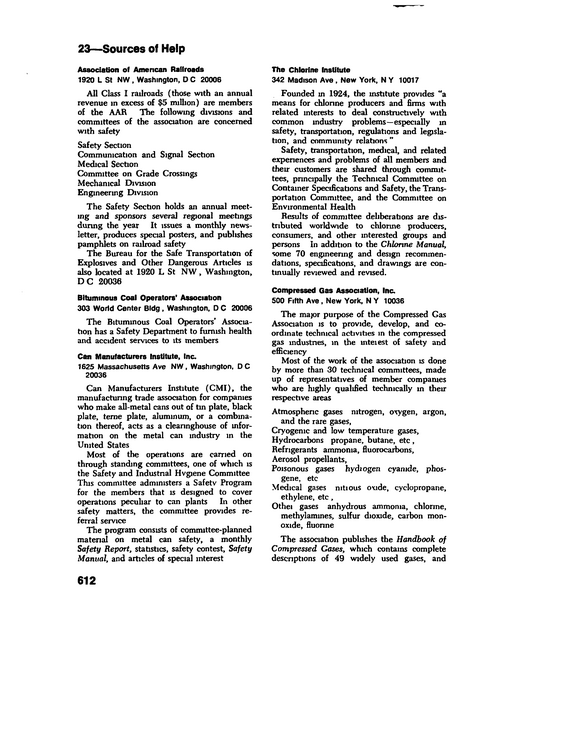
23--Sources of Help Association of American Railroads 1920 L St NW , Washington, O C 20006 All Class I railroads (those with an annual revenue m excess of $5 million) are members of the AAR The following divisions and committees of the association are concerned with safety Safety Section Communication and Signal Section Medical Section Committee on Grade Crossings Mechanical Division Engineering Division The Safety Section holds an annual meet ing and sponsors several regional meetings during the year It issues a monthly news letter, produces special posters, and publishes pamphlets on railroad safety The Bureau for the Safe Transportation of Explosives and Other Dangerous Articles is also located at 1920 L St NW, Washington, DC 20036 Bituminous Coal Operators' Association 303 World Center Bldg, Washington, D C 20006 The Bituminous Coal Operators' Associa tion has a Safety Department to furnish health and accident services to its members Can Manufacturers Institute, Inc. 1625 Massachusetts Ave NW , Washington, D C 20036 Can Manufacturers Institute (CMI), the manufacturing trade association for companies who make all-metal cans out of tin plate, black plate, terne plate, aluminum, or a combina tion thereof, acts as a clearinghouse of infor mation on the metal can industry m the United States Most of the operations are carried on through standing committees, one of which is the Safety and Industrial Hvgiene Committee This committee administers a Safetv Program for the members that is designed to cover operations peculiar to can plants In other safety matters, the committee provides re ferral service The program consists of committee-planned material on metal can safety, a monthly Safety Report, statistics, safety contest.
refid# pe91Vo49ZGovpaqBxb6YRn6Rj1 page
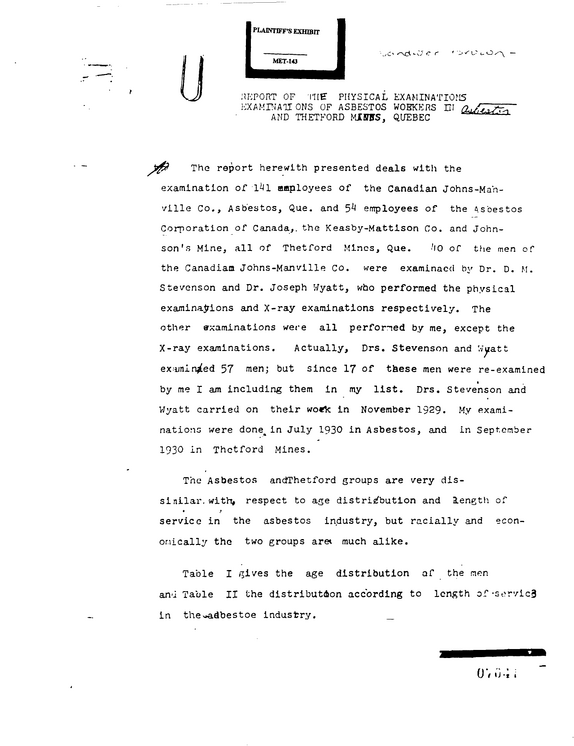
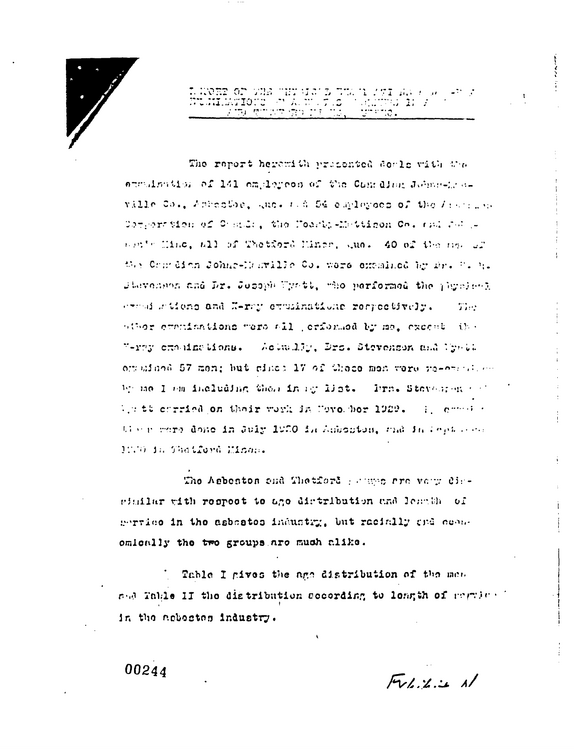
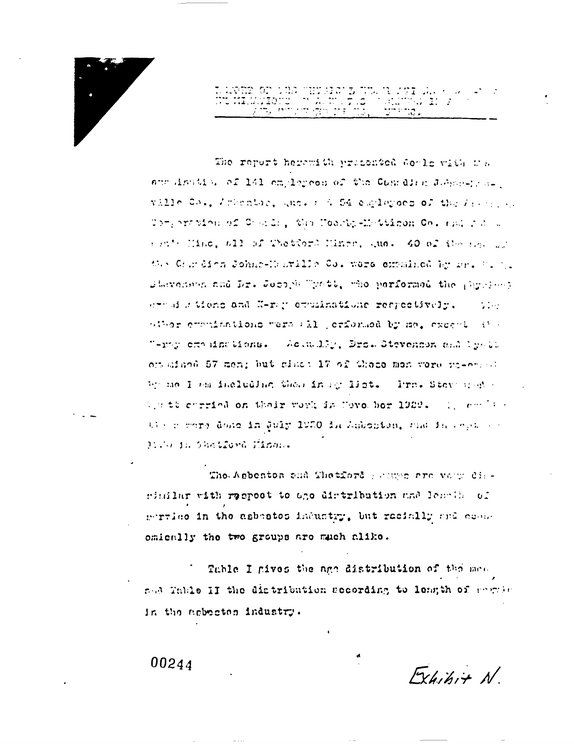
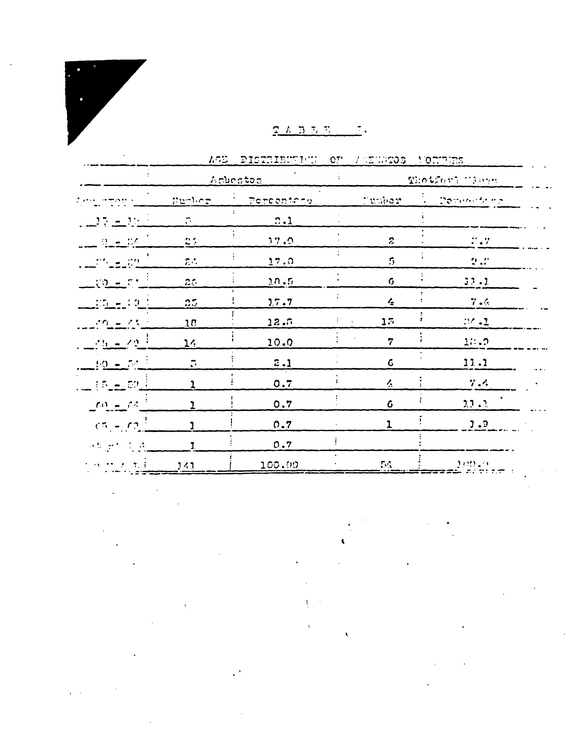
PLAINTIFF'S EXHIBIT O C r ' 'j s \J> t- O -- REPORT OF THE PHYSICAL EXAMINATIONS EXAMINATI ONS OF ASBESTOS WORKERS PI Oj/7.Z/t^ AND THETFORD MINFS, QUEBEC P The report herewith presented deals with the examination of 1^1 aaployees of the Canadian Johns-Ma'nville Co., Asbestos, Que. and 5^ employees of the Asbestos Corporation of Canada,, the Keasby-Mattlson Co. and John son's Mine, all of Thetford Mines, Que. -10 of the men of the Canadian Johns-Manville Co. were examinaed by Dr.
refid# 0NXRxkMNyMKQBm0jzLgzj3xR17 pages
2.
refid# bXGJG5OgKqo5b88O2zQaZzmk1 page
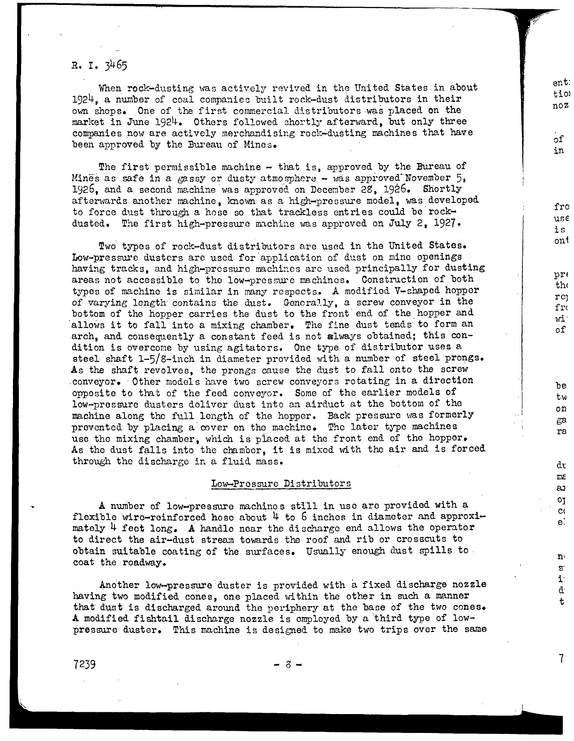
TUMORS OF THE SKIN 249 the hope that by that time probably all of the early cases of professional roentgen-dermatitis had developed into malignancies and that for this reason this type of occupational neoplasia would cease to exist.
refid# ykYE6QDe7ExKzNrb41GnNMVwX1 page
OJ(M?
refid# JqVjMxVEGrqmqYvwQO2wxJ4K1 page
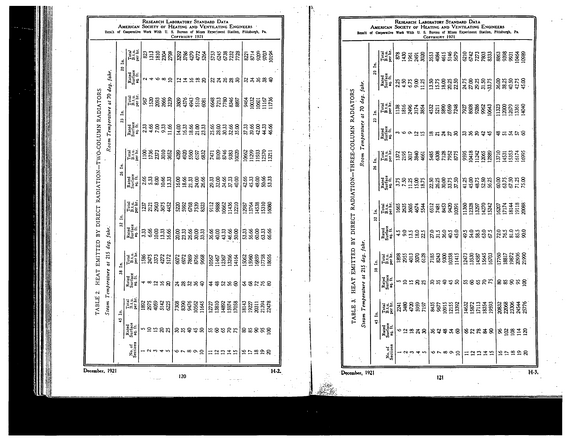
120 Research Laboratory Standard Data American Society of Heating and Ventilating Engineers Result of Cooperative Work With U.
refid# k9pdEbdRJ9kze6GR83kD99pBq1 page
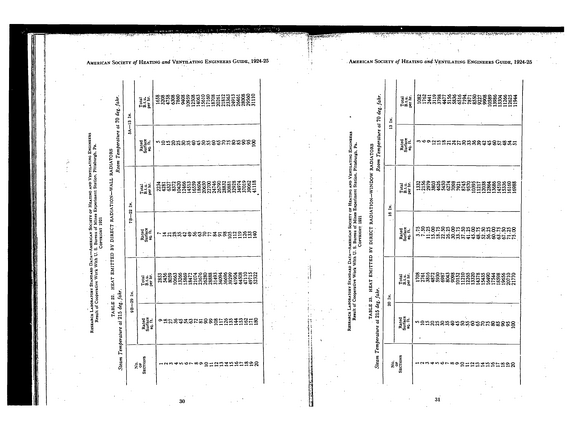
Research L abo rato ry Sta n d a r d D a t a -- A m e r ic a n So c ie t y o f H e a t in o a n d V e n t il a t in g E n g in eer s Result of Cooperative W ork W ith U.
refid# qkB8DwnrVd1wN7Og5OkeZxn0R1 page
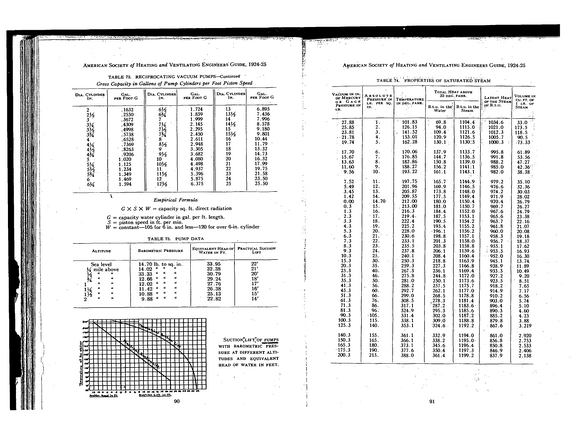
American Society of Heating and Ventilating Engineers Guide, 1924-25 TABLE 72.
refid# xzKvLqGJJMV7ovGyN7MDyQzQJ1 page
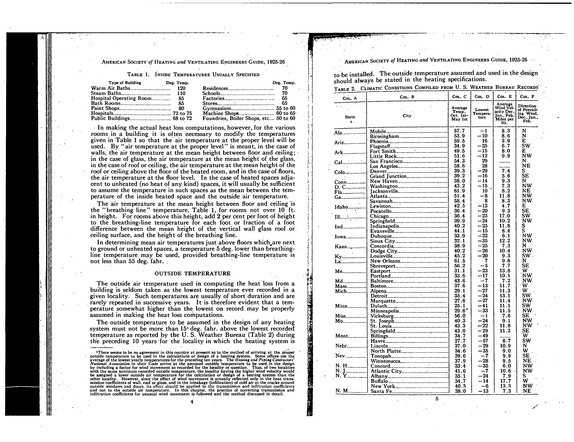
American Society'o/ Heating and Ventilating Engineers Guide, 1925-26 Table 1.
refid# jy150Xy73qVD624MoYRGazxKZ1 page
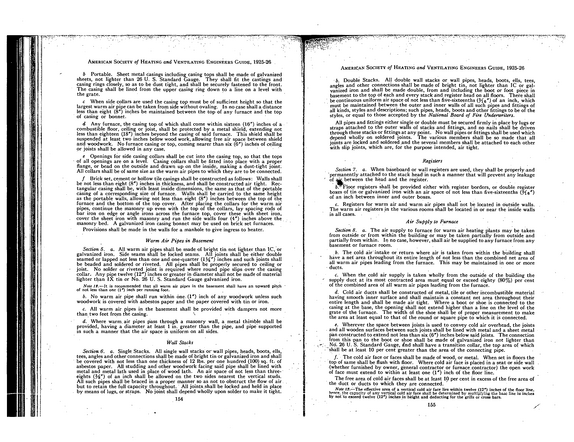
American Society of Heating and Ventilating Engineers Guide, 1925-26 b Portable.
refid# ka40Kgmn1y1e7dzdoJnn1ORnJ1 page
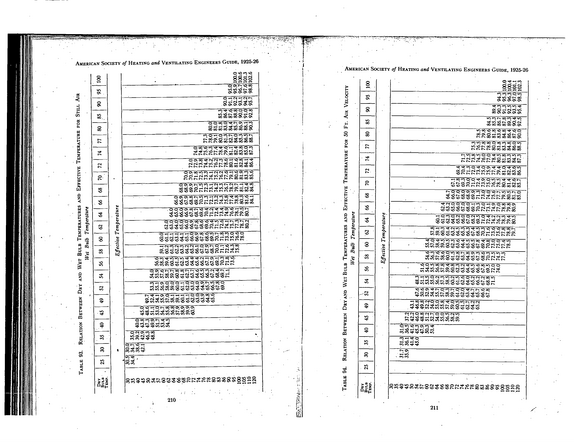
T a b le 93.
refid# VJDXmdn63GJ92K989ka2KgN41 page
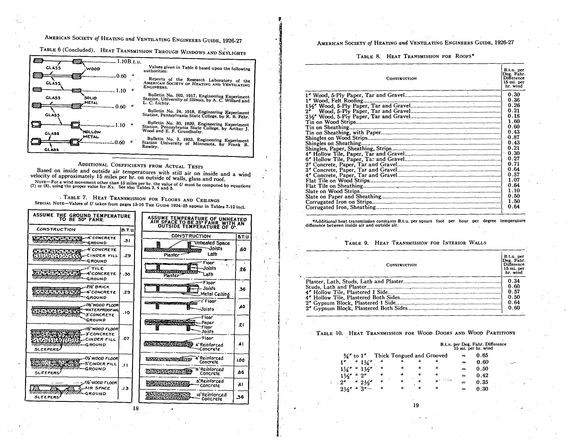
American Society of Heating and Ventilating Engineers Guide, 1926-27 Table 6 (Concluded).
refid# grQxNx3mGjk4pLw7da1xp58L1 page
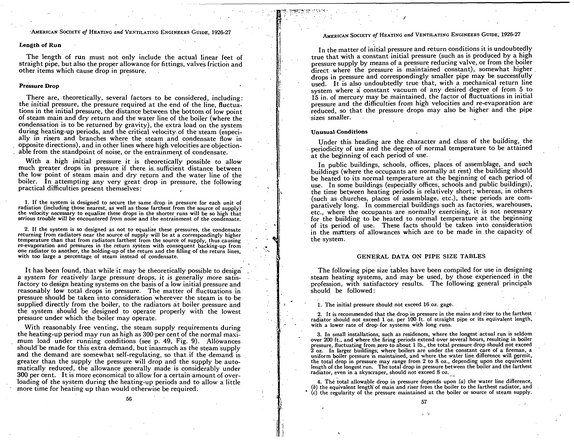
American Society of Heating and Ventilating Engineers Guide, 1926-27 Length of Run The length of run must not only include the actual linear feet of straight pipe, but also the proper allowance for fittings, valves friction and other items which cause drop in pressure.
refid# zz7jb0oODnkvjrbOnx0MG0oB31 page
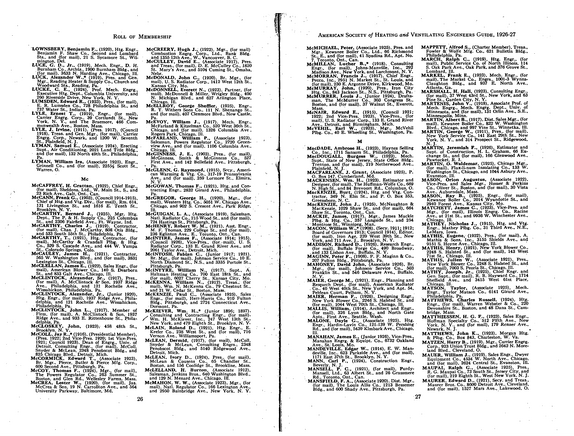
Roll of Membership LOWNSBERY, Benjamin F., (1920), Htg.
refid# MMjKdDzaZvYmvqQ08bkNK5ZR91 page