Refine
Estimated Years 1920-1929Clear
5,061 results foundRefine Search
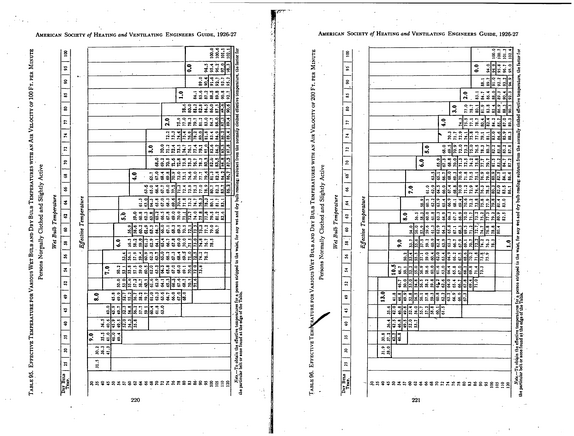
American Society of Heating and Ventilating Engineers Guide, 1926-27 ss 8 S to ot o o* o o 8 a > W .
refid# qmXx3pGvrqVgkR58Gd0a4mgaq1 page
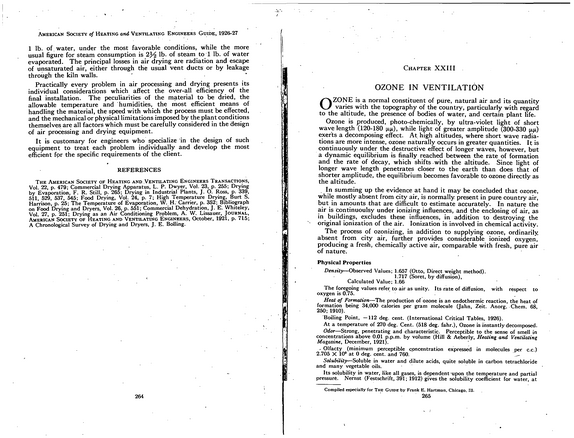
American Society of Heating and Ventilating Engineers Guide, 1926-27 1 lb. of. water, under the most favorable conditions, while the more usual figure for steam consumption is 2}^ lb. of steam to 1 lb. of water evaporated.
refid# eXnORMokEaK8v6wNm4Zxj5rG1 page
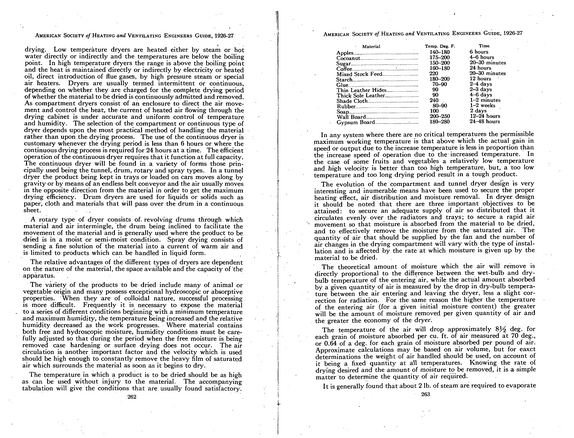
American Society of Heating and Ventilating Engineers Guide, 1926-27 drying.
refid# yp1m8bNVBRMVMMGL2gk4M7Lkr1 page
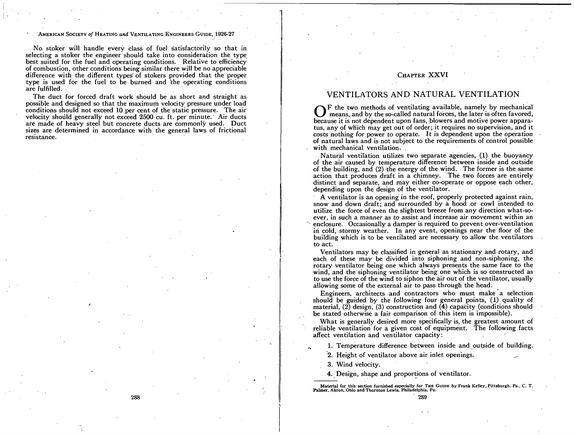
American Society of Heating and Ventilating Engineers Guide, 1926-27 No stoker will handle every class of fuel satisfactorily so that in selecting a stoker the engineer should take into consideration the type best suited for the fuel and operating conditions.
refid# 4d8jEJE4k1E0X72YGV449Gx11 page
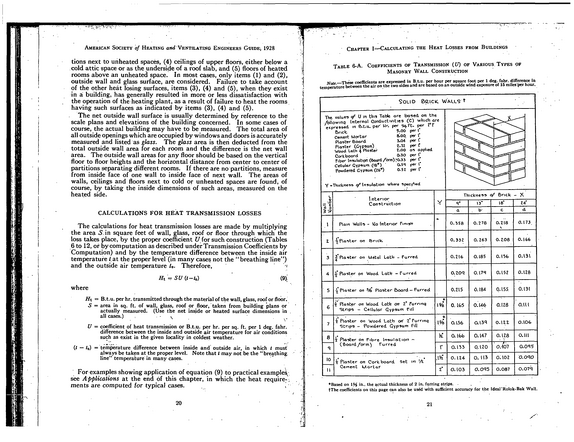
American Society of Heating and Ventilating Engineers Guide, 1928 tions next to unheated spaces, (4) ceilings of upper floors, either below a cold attic space or as the underside of a roof slab, and (5) floors of heated rooms above an unheated space.
refid# ZnZJKKB37Q08GonzbG4D5e1mJ1 page
American Society of Heating and Ventilating Engineers Guide, 1928 ft ill !
refid# rwLJ5LzgaM3G7kJVm6w03Bnr1 page
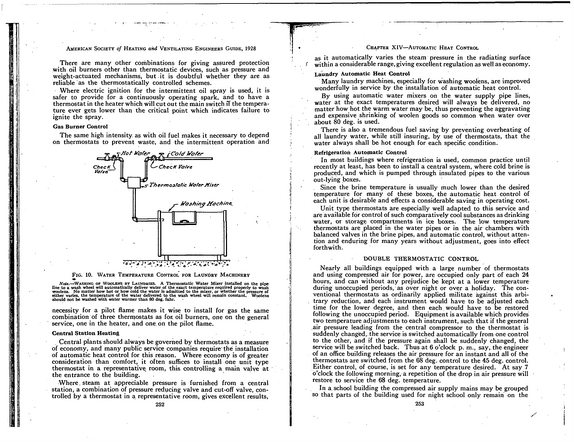
American Society of Heating and Ventilating Engineers Guide, 1928 There are many other combinations for giving assured protection with oil burners other than thermostatic devices, such as pressure and weight-actuated mechanisms, but. it is doubtful whether they are as reliable as the thermostatically controlled schemes.
refid# 91jBLg0Le7BMe4vrLa9M3n1M71 page
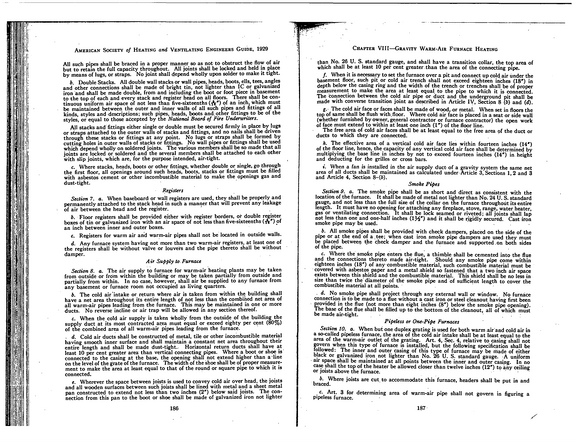
American Society of Heating and Ventilating Engineers Guide, 1929 All such pipes shall be braced in a proper manner so as not to obstruct the flow of air but to retain the full capacity throughout.
refid# gDry3bKD7DOd3reZO3Yo1KB0G1 page
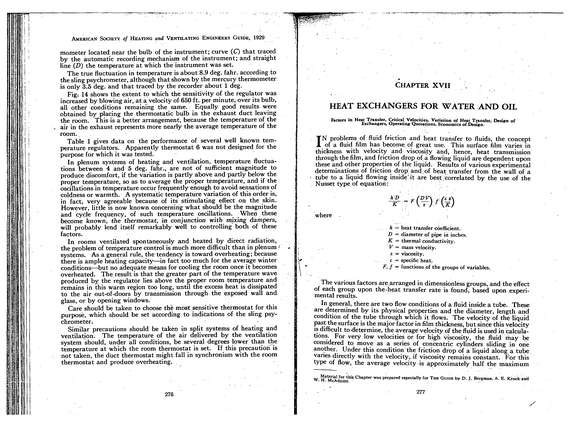
American Society of Heating and Ventilating Engineers Guide, 1929 mometer located near the bulb of the instrument; curve (C) that traced by the automatic recording mechanism of the instrument; and straight line (D) the temperature at which the instrument was set.
refid# DG4g4bBj87poZnD99kXL565Zn1 page
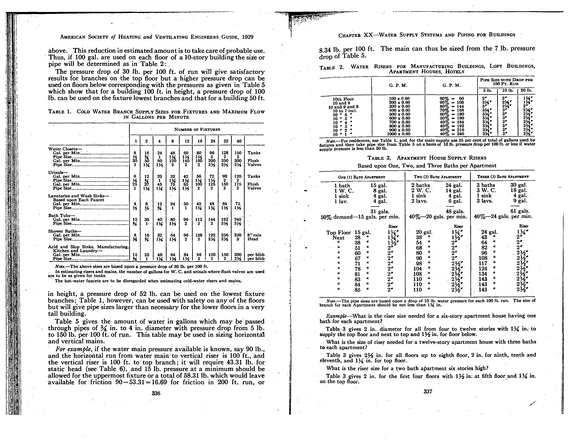
American Society of Heating and Ventilating Engineers Guide, 1929 above.
refid# r6DJXrbGgQnpwnY3Myezzvmbr1 page
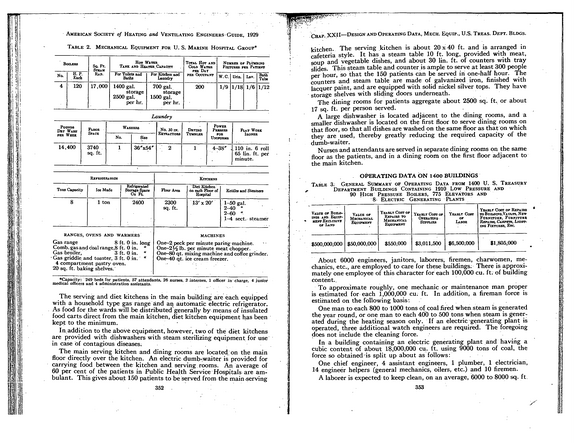
American Society of Heating and Ventilating Engineers-Guide, 1929 Table 2.
refid# KL7JbpEB3x5Qxd4VNkLy2mzQ1 page
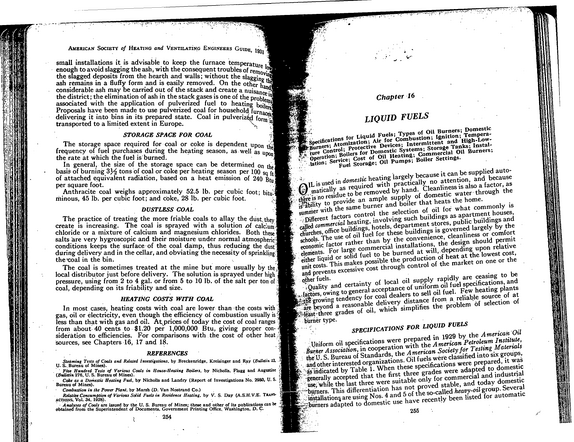
American Society of Heating and Ventilating Engineers Guide, small installations it is advisable to keep the furnace temperature enough to avoid slagging the ash, with the consequent troubles of reiuo the slagged deposits from the hearth and walls; without the slaggin,, ash remains in a fluffy form and is easily removed.
refid# qYkNL0yML7odzQ7aEjzGG54q1 page
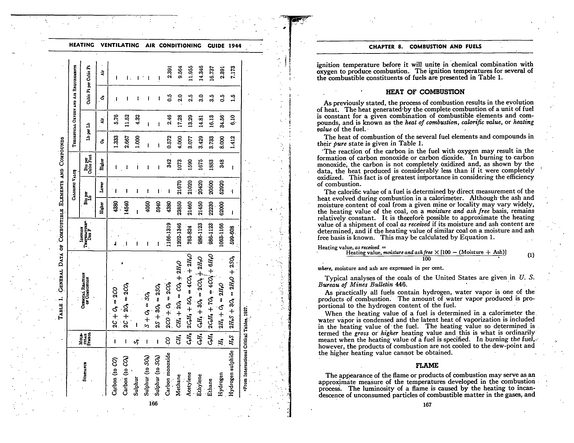
T able 1.
refid# dvyKQNOp5xKzyyLYMDVoEoo91 page
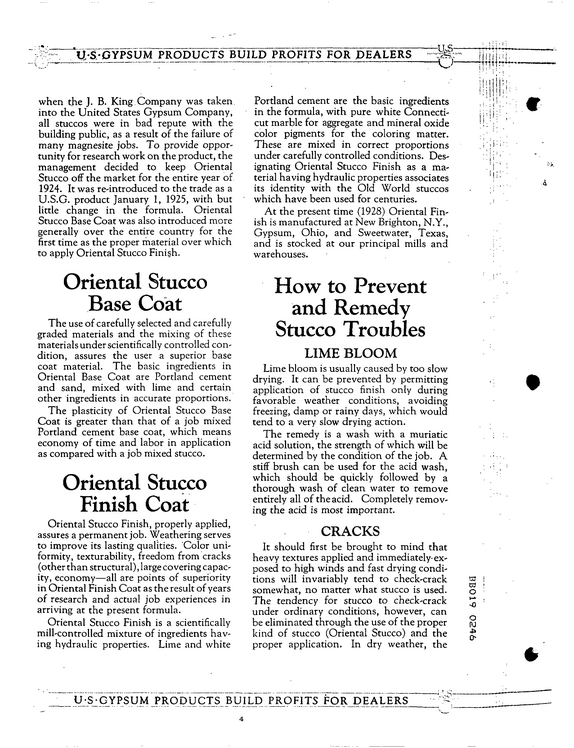
U S-GYPSUM PRODUCTS BUILD PROFITS FOR DEALERS L_b ORIENTAL STUCC FOR EXTERIOR SURFACE "Stucco" is a word that has been applied to any kind of plastering, interior or exterior; modern building phraseology confines its use to a cementitious exterior material.
refid# oDoaYQqjkR5g76z1vae6vkgoo6 pages
Products Division ever manufactured, sold, designed, supplied, marketed, distributed, relabeled, and/or resold any respiratory protection product.
refid# KGGKKnK17zVzzrvrD4a5v4Gro1 page