Refine
Estimated Years 1920-1929Clear
2,678 results foundRefine Search
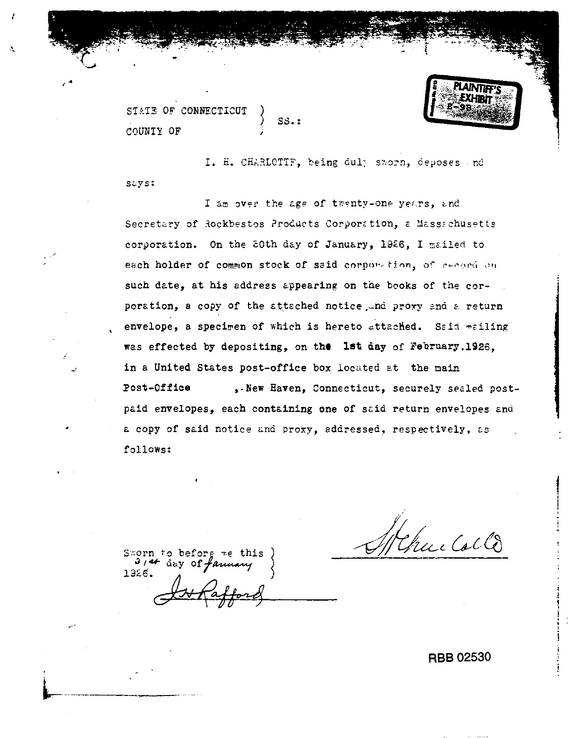
says : I am over the age of twenty-one years, and Secretary of dockbestos Products Corporation, a Mass-ehusetts corporation.
refid# 4EB4pjNo0pgkEnb3ZwKmEXdj3 pages
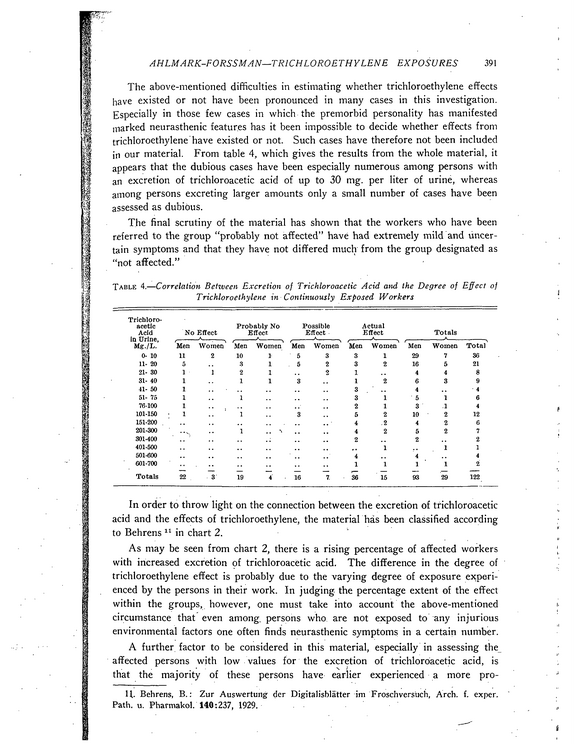
AHLMARK-FORSSMAN--TRICHLOROETHYLENE EXPOSURES 391 The above-mentioned difficulties in estimating whether trichloroethylene effects have existed or not have been pronounced in many cases in this investigation.
refid# QJZYYwG3ae76xxEMOr2XRXbg71 page
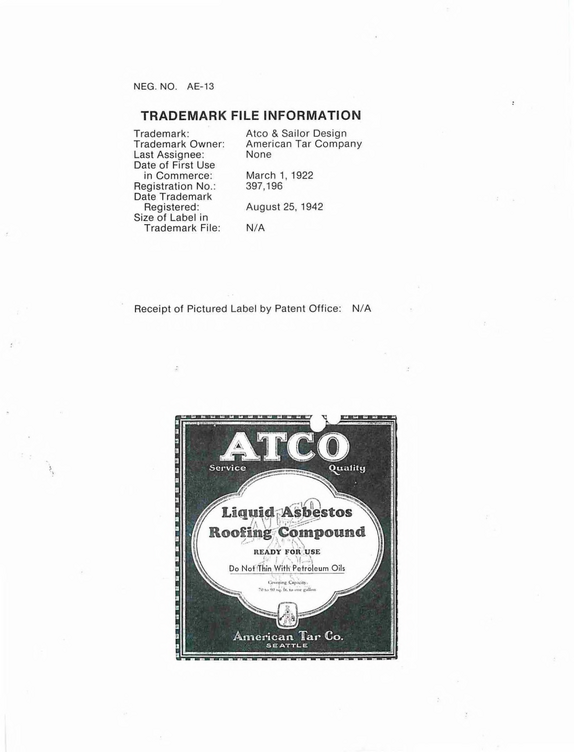
NEG.
refid# 5DNZj1mJYbXMdzDq70JDwNpee1 page
NEG.
refid# rpBKaEGKk3bnLdB79JLOLKkZG1 page
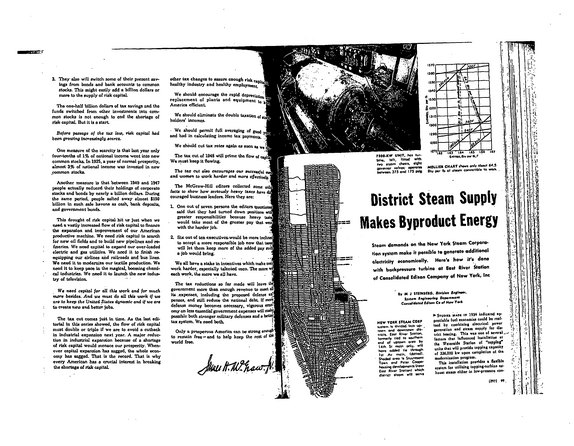
3.
refid# e7ykM3bDGMw2J1R1w6V4ybLvG1 page
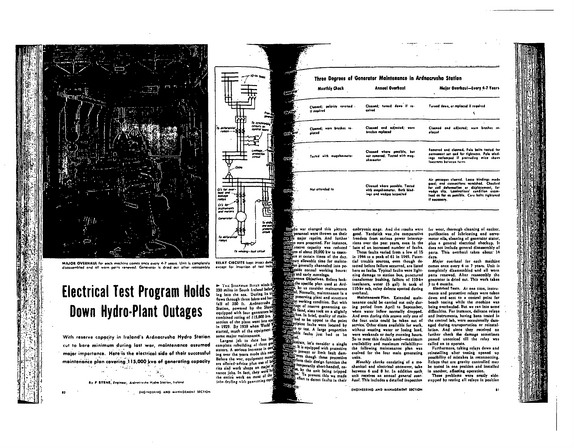
Three Degrees of Generator Maintenance In Ardnscruiha Station Monthly Check Attsool Overhool Major Overhaul--Ivery.4-7 Years raSwj* Cteoacd; polarity reversed ii reetfisd Cleaned; turaed down if re quired Turned down, or replaced if required PSKlar , CUeasd; worn brushes # placed Cleaned and edjested; worn brashes replaced Cleoeed oed adjusted; worn brushes re placed m Tested with megohrnmeter Cteaeed where possible, but not removed.
refid# rBZy7vOGb4DJnK5rNqwYwBzv71 page
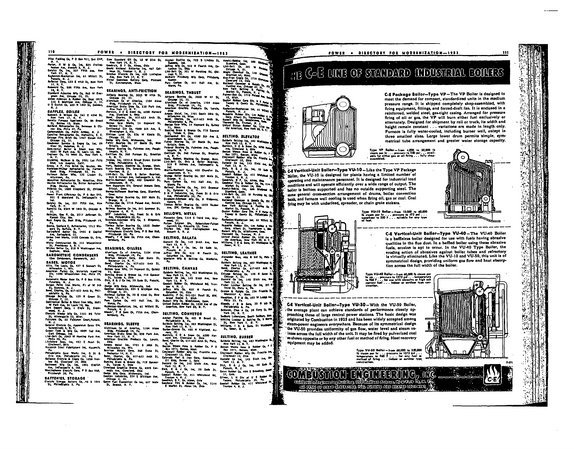
DIRECTORY FOR MODIRNIZATION --I f 51 Mot Focktag Ct,0Bal)l, $<1 CHS, ft.
refid# Y9ggJXaOmyB9L4wxzD51V8pV1 page
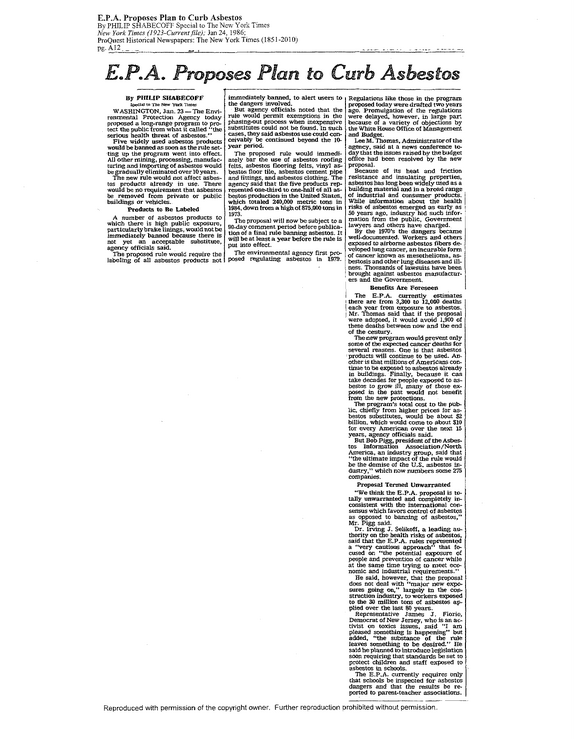
E.P.A.
refid# jm0eE9BdmBk7jbORy7Gezg0491 page
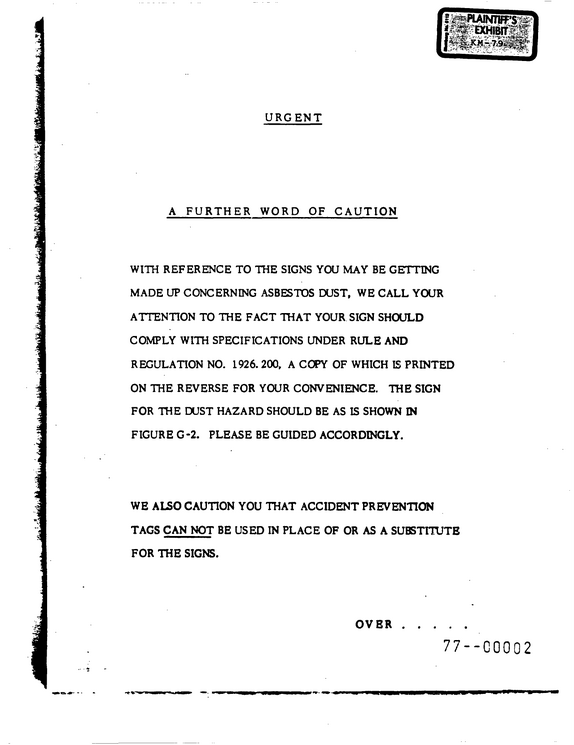
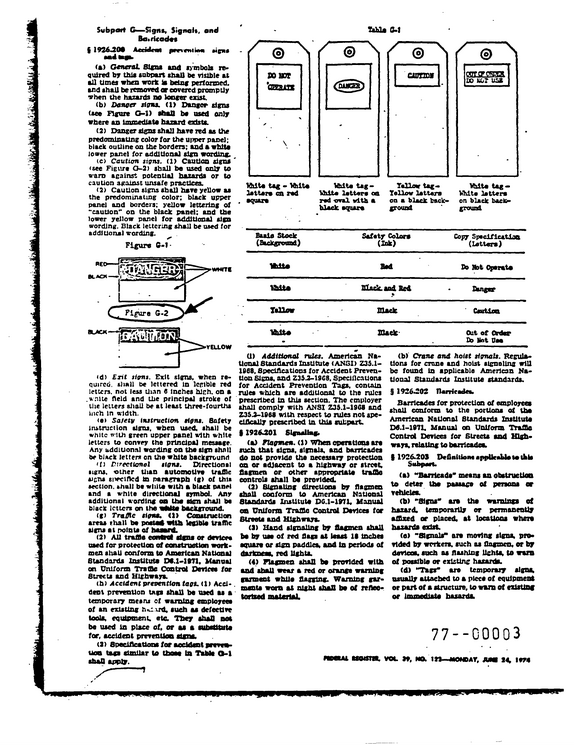
URGENT A FURTHER WORD OF CAUTION WITH REFERENCE TO THE SIGNS YOU MAY BE GETTING MADE UP CONCERNING ASBESTOS DUST, WE CALL YOUR ATTENTION TO THE FACT THAT YOUR SIGN SHOULD COMPLY WITH SPECIFICATIONS UNDER RULE AND REGULATION NO. 1926.200, A COPY OF WHICH IS PRINTED ON THE REVERSE FOR YOUR CONVENIENCE.
refid# 2jR19OgoKdXNraNYZqemNwJz64 pages
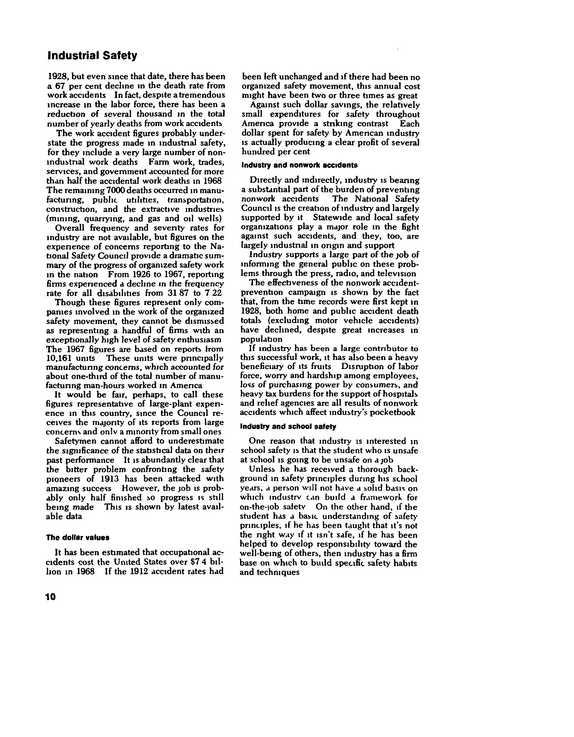
Industrial Safety 1928, but even since that date, there has been a 67 per cent decline in the death rate from work accidents In fact, despite a tremendous increase m the labor force, there has been a reduction of several thousand in the total number of yearly deaths from work accidents The work accident figures probably under state the progress made in industrial safety, for they include a very large number of nonmdustnal work deaths Farm work, trades, services, and government accounted for more than half the accidental work deaths m 1968 The remaining 7000 deaths occurred in manu facturing, public utilities, transportation, construction, and the extractive industries (mining, quarrying, and gas and oil wells) Overall frequency and seventy rates for industry are not available, but figures on the expenence of concerns reporting to the Na tional Safety Council provide a dramatic sum mary of the progress of organized safety work in the nation From 1926 to 1967, reporting firms experienced a decline m the frequency rate for all disabilities from 31 87 to 7 22 Though these figures represent only com panies involved m the work of the organized safety movement, they cannot be dismissed as representing a handful of firms with an exceptionally high level of safety enthusiasm The 1967 figures are based on reports from 10,161 units These units were principally manufacturing concerns, which accounted for about one-third of the total number of manu facturing man-hours worked m America It would be fair, perhaps, to call these figures representative of large-plant expen ence in this country, since the Council re ceives the majority of its reports from large concerns and onlv a minority from small ones Safetymen cannot afford to underestimate the significance of the statistical data on their past performance It is abundantly clear that the bitter problem confronting the safety pioneers of 1913 has been attacked with amazing success However, the job is prob ably only half finished so progress is still being made This is shown by latest avail able data The dollar values It has been estimated that occupational ac cidents cost the United States over $7 4 bil lion m 1968 If the 1912 accident rates had been left unchanged and if there had been no organized safety movement, this annual cost might have been two or three times as great Against such dollar savings, the relatively small expenditures for safety throughout America provide a striking contrast Each dollar spent for safety by American industry is actually producing a clear profit of several hundred per cent Industry and nonwork accidents Directly and indirectly, industry is bearing a substantial part of the burden of preventing nonwork accidents The National Safety Council is the creation of industry and largely supported by it Statewide and local safety organizations play a major role m the fight against such accidents, and they, too, are largely industrial in origin and support Industry supports a large part of the job of informing the general public on these prob lems through the press, radio, and television The effectiveness of the nonwork accidentprevention campaign is shown by the fact that, from the time records were first kept in 1928, both home and public accident death totals (excluding motor vehicle accidents) have declined, despite great increases in population If industry has been a large contributor to this successful work, it has also been a heavy beneficiary of its fruits Disruption of labor force, worry and hardship among employees, loss of purchasing power by consumers, and heavy tax burdens for the support of hospitals and relief agencies are all results of nonwork accidents which affect industry's pocketbook Industry and school safety One reason that industry is interested in school safety is that the student who is unsafe at school is going to be unsafe on a job Unless he has received a thorough back ground in safety principles during his school years, a person will not have a solid basis on which industry can build a framework for on-the-iob safety On the other hand, if the student has a basic understanding of safety principles, if he has been taught that it's not the right way if it isn't safe, if he has been helped to develop responsibility toward the well-being of others, then industry has a firm base on which to build specific safety habits and techniques 10
refid# kmrONNMDzo1q2kJQZq5gRq2n01 page
\ c\ 4 4 2 V 3 r po.
refid# Ok9oL0OqOaXoNo3xMagLmYGQ2 pages
X v .\ \ .i A prr>up of inmv>`'.
refid# 1QK0KaOLx0xLek8JON6VVwM7j3 pages
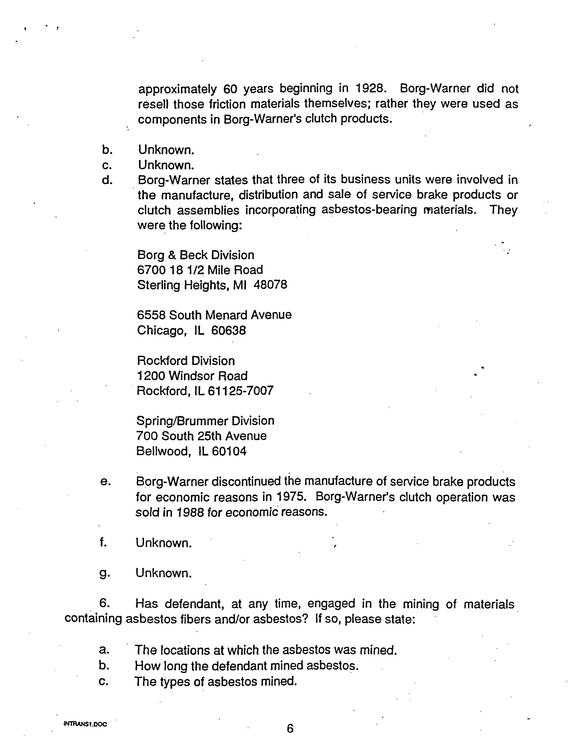
approximately 60 years beginning in 1928.
refid# zzMEY73a9kpRZpVJjzb7bEQwR1 page
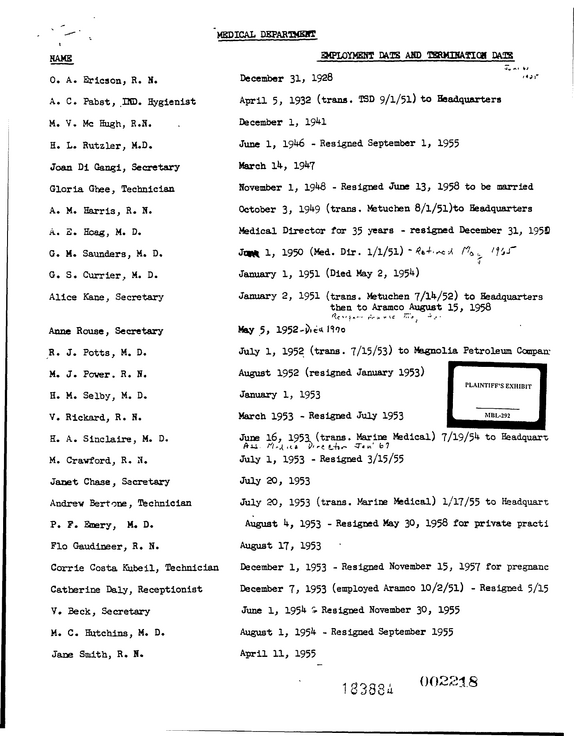
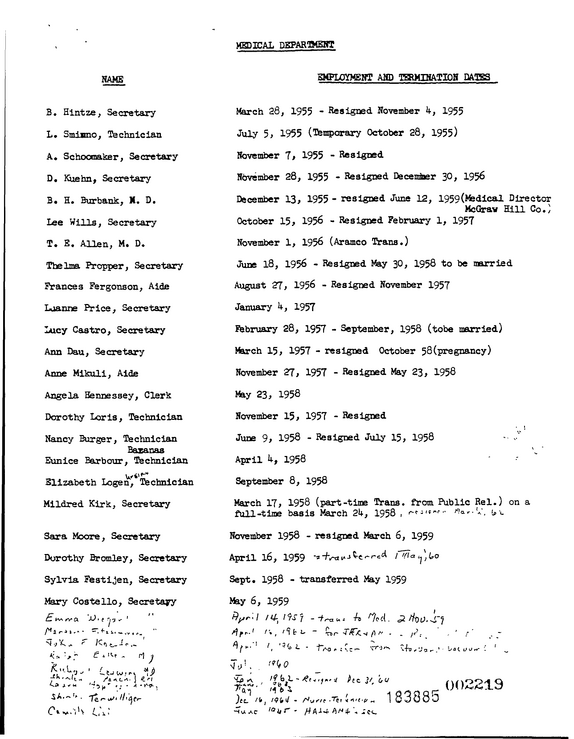
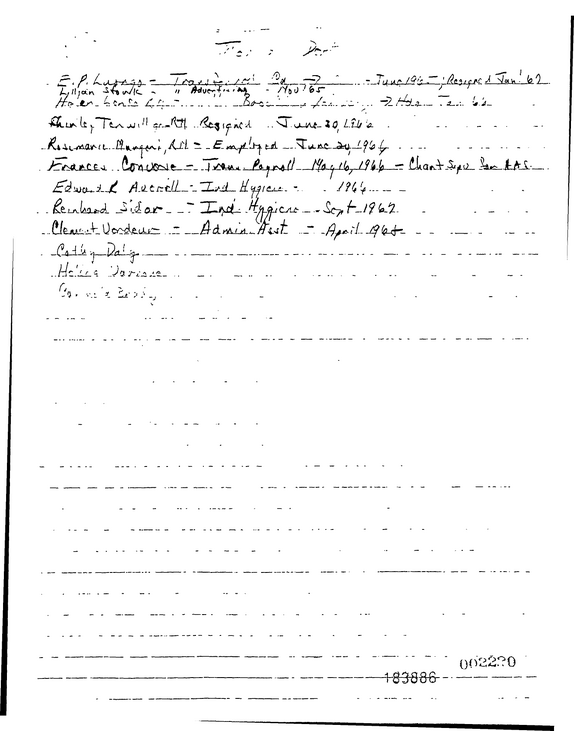
MEDICAL DEPARTMENT HAMS O.
refid# R26nyzE0wRzDbB02EZ2kZ7JZ73 pages
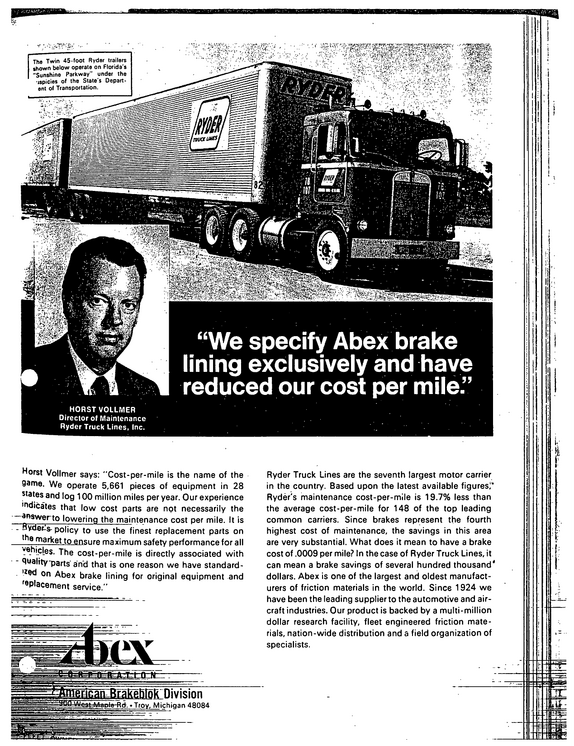
The Twin 45-foot Ryder trailers shown below operate on Florida's "Sunshine Parkway" under the ispicies of the State's Depart ed of Transportation
refid# ELNmdXJwaBE1NkBKVkedOa7g1 page