Refine
Estimated Years 1900-1909Clear
4 results foundRefine Search
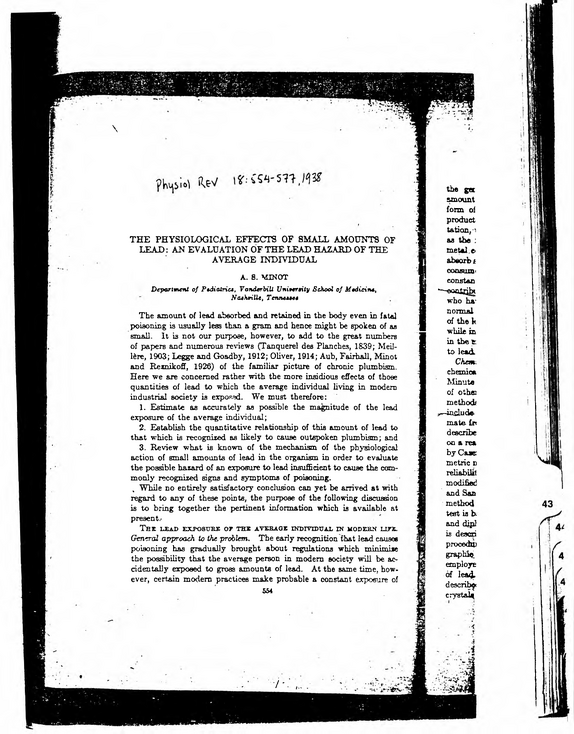
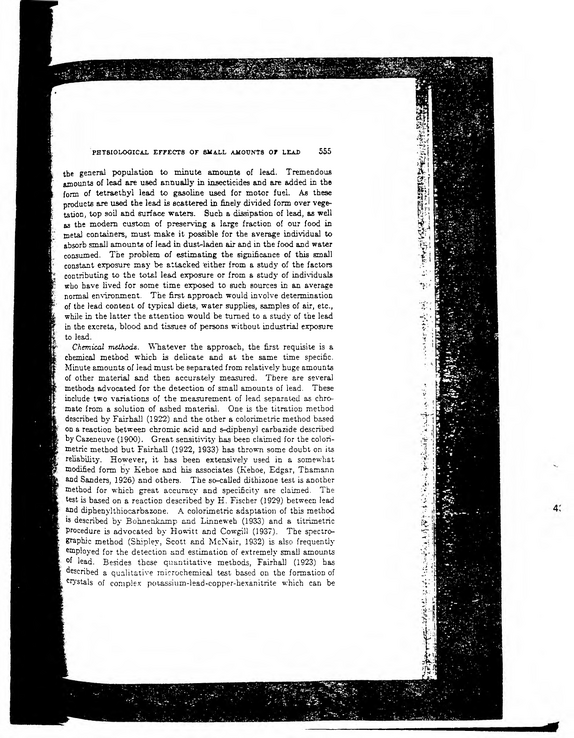
Tremendous amounts of lead are used annually in insecticides and are added in the form of tetraethyl lead to gasoline used for motor fuel.
refid# emLxxXyE60RJ1GzQ8bNgYg9bm24 pages
As early as 1913, Alice Hamilton wrote that "the total prohibition for lead paint for use in interior work would do more than anything else to improve conditions in the painting trade."21 By the early 1930s, a consensus developed among specialists that lead paint posed a hazard to children.22 27 Robert Kehoe, medical director for the Ethyl Gasoline Corpo ration and director of the Kettering Laborato ries of the University of Cincinnati, perhaps the nation's leading expert on lead poisoning, concluded that "strenuous efforts must be devoted to eliminating lead from [children's] environment,"28 especially since safer alterna tives to lead, specifically titanium- and zincbased paints, existed throughout the late 19th and early 20th centuries.


refid# 2JDoqZDOqMYa3Nke21Em6Gx3b11 pages
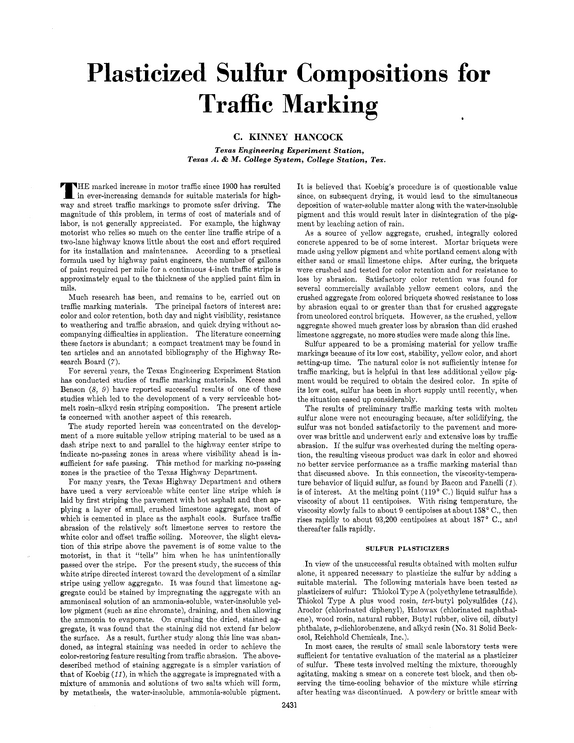
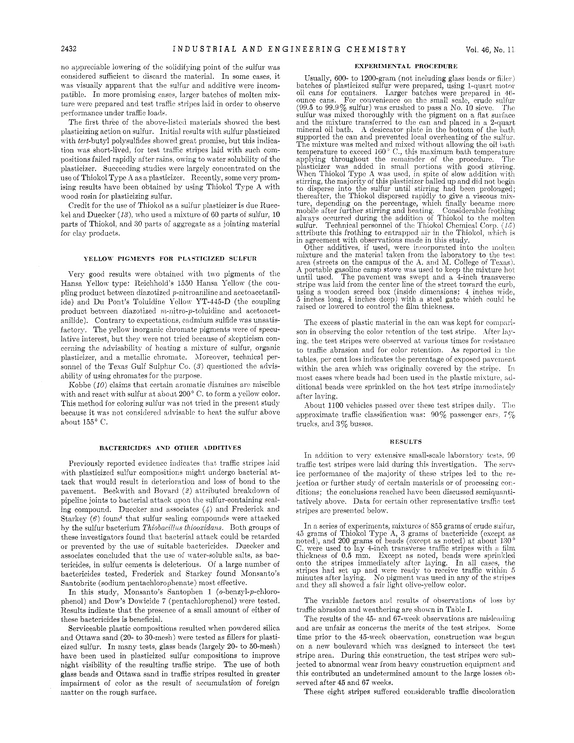
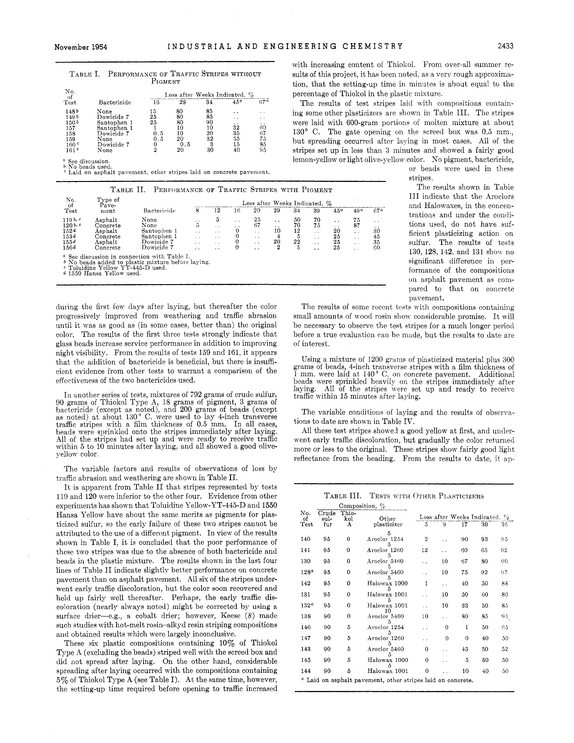
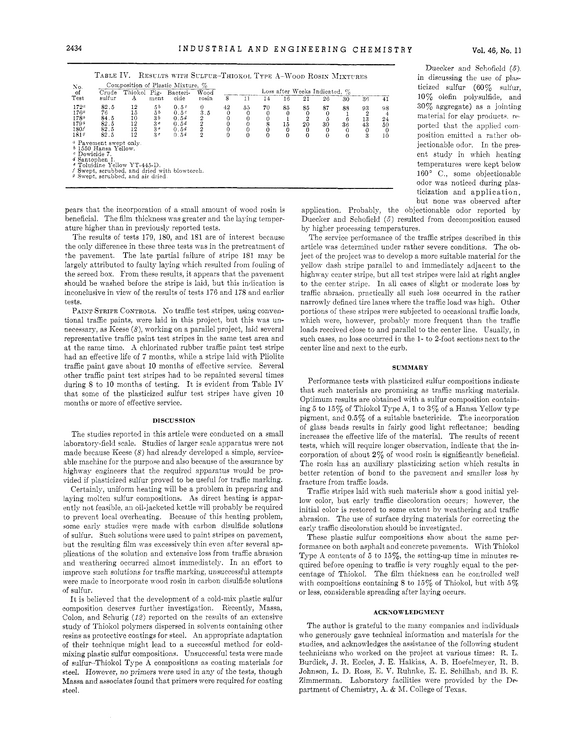
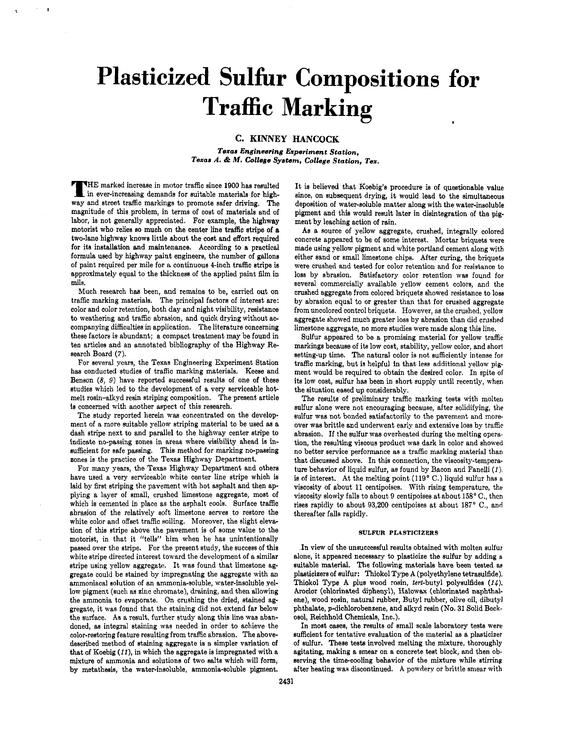
THE marked increase in motor traffic since 1900 has resulted It is believed that Koebig's procedure is of questionable value in ever-increasing demands for suitable materials for high since, on subsequent drying, it w7ould lead to the simultaneous way and street traffic markings to promote safer driving.
refid# peN8dg55kxxVxRqrXvyDoxOdd5 pages
THE marked increase in motor traffic since 1900 has resulted It is believed that Koebig's procedure is of questionable value in ever-increasing demands for suitable materials for high since, on subsequent drying, it would lead to the simultaneous way and street traffic markings to promote safer driving.
refid# vBzwyv3jNKzngkwdeBggD34x95 pages