Refine
Estimated Years 1900-1909Clear
1,222 results foundRefine Search
- * i> ;s '
refid# 0JVm6d90oX1nddom8zaVxeO2R3 pages
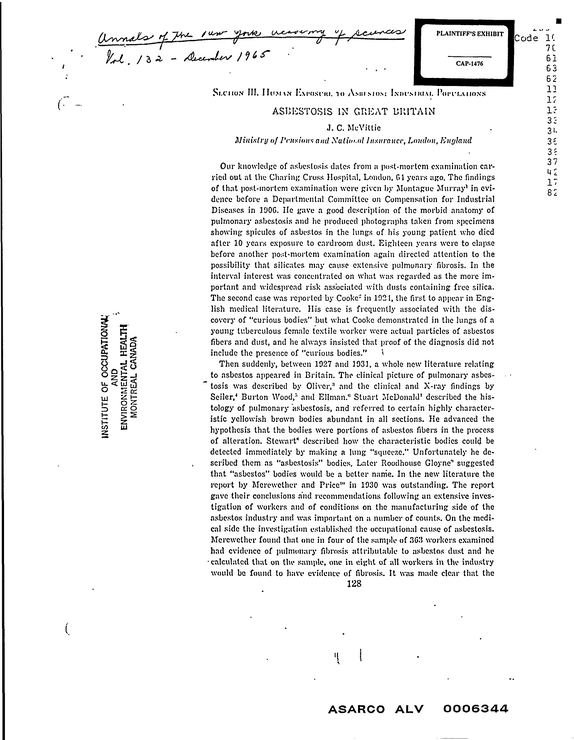
INSTITUTE OF OCCUPATIONAL' AND : ENVIRONMENTAL HEALTH MONTREAL CANADA CO H H CDH ku.
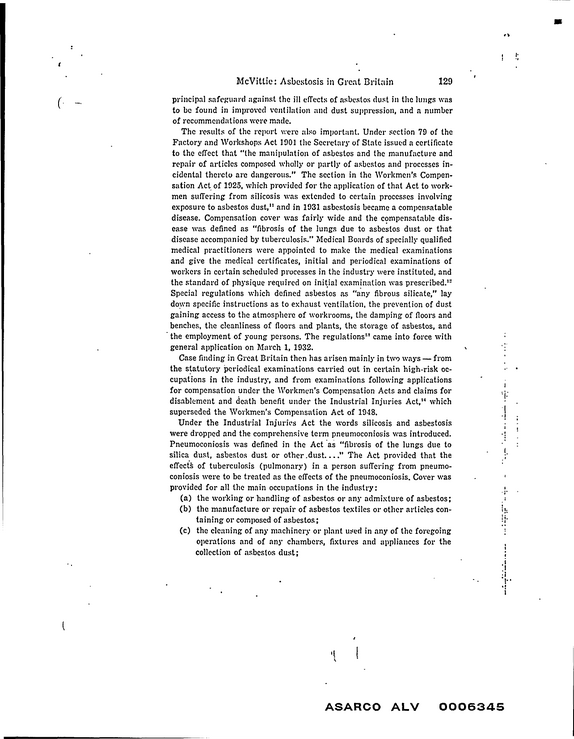
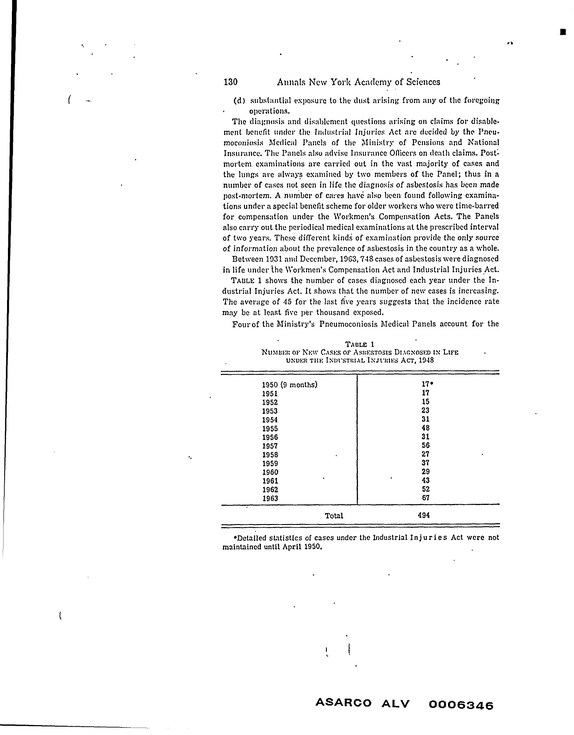
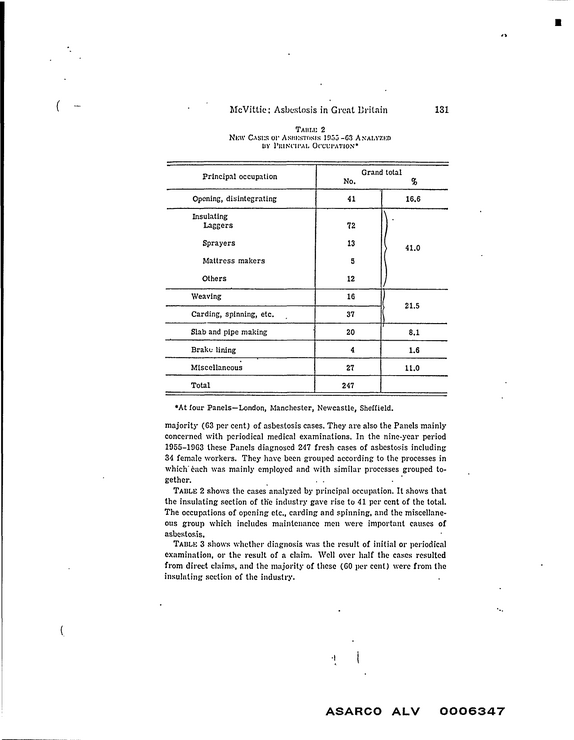
refid# KGojrvMgwGEOQ7V4pbxX6v9rQ11 pages
gajfottt-Newport l&tum James end Water Street Newport.
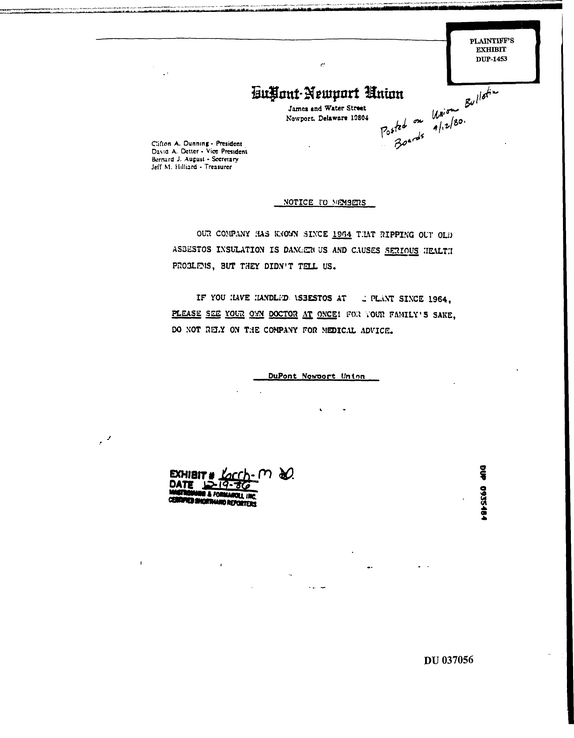
refid# DEjqkyjKbbnv5vvzrDd7NpJ51 page
pQot--(y d.
refid# 4QYqJmwJvGzxx4OL9QDonBb8a4 pages
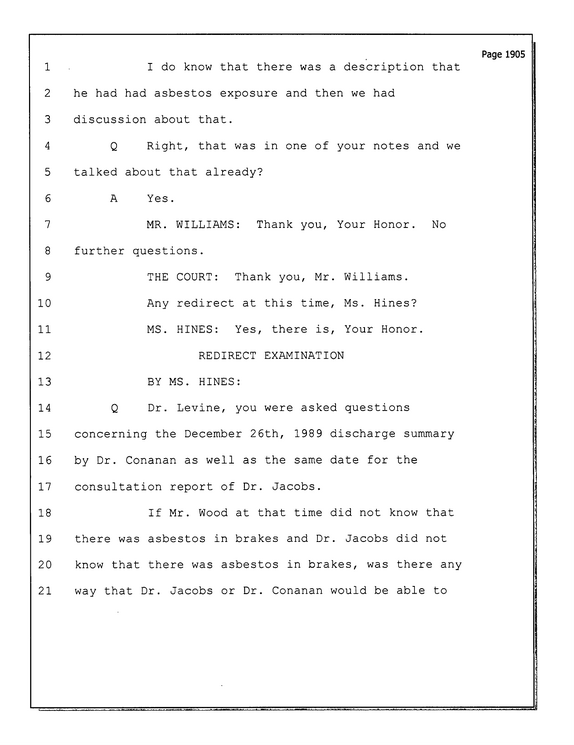
Page 1905 1 I do know that there was a description that 2 he had had asbestos exposure and then we had 3 discussion about that. 4 Q Right, that was in one of your notes and we 5 talked about that already?
refid# ybQYD4kzvOvayx8oY91gJ1RLE1 page
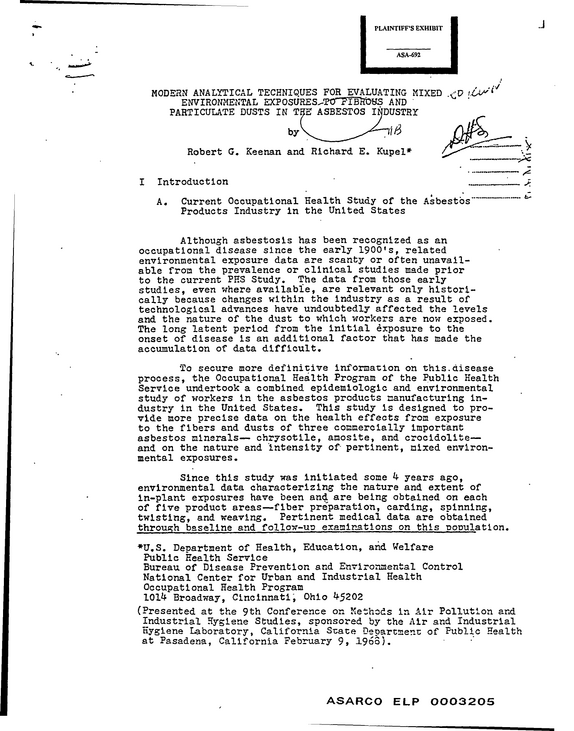
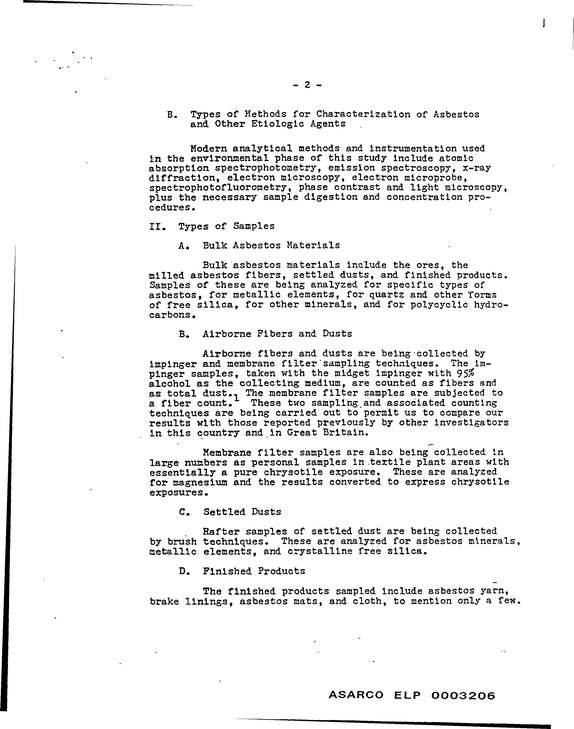
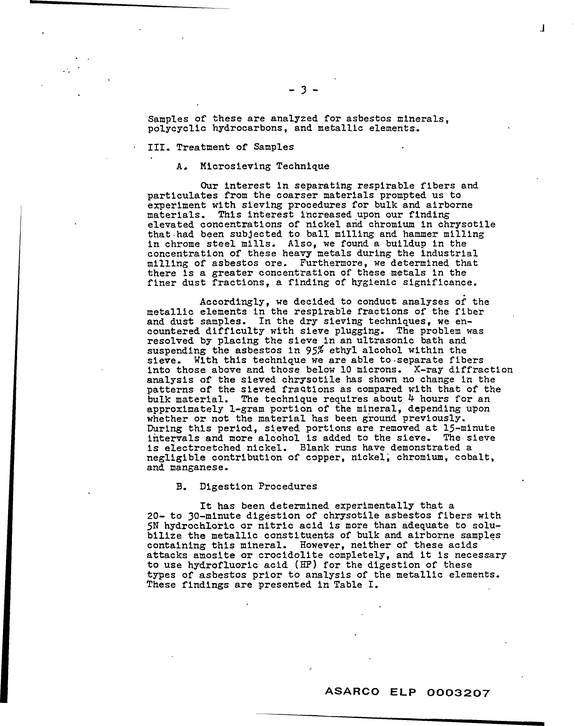
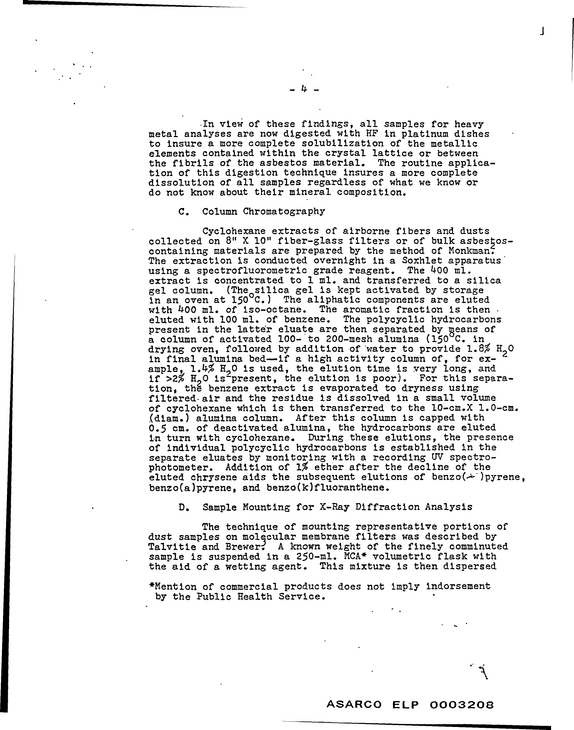
PLAINTIFF'S EXHIBIT ASA-692 J MODERN ANALYTICAL TECHNIQUES FOR EVALUATING MIXED v-D ENVIRONMENTAL EXFOSURES^TtrrTISOHS AND ' PARTICULATE DUSTS IN T$E ASBESTOS INDUSTRY byV Robert G.
refid# 85vM3674jBNYX86zD9j9Yy8yd11 pages
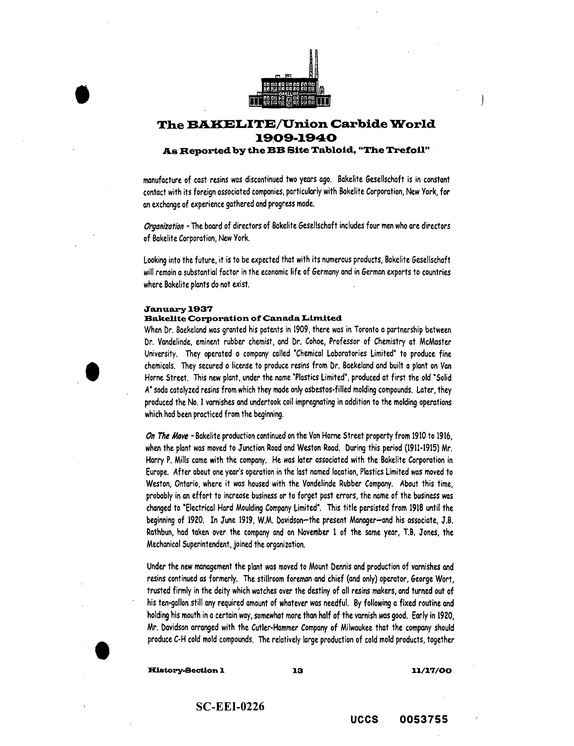
The BAKELITEAJnion Carbide World 1909-1940 As Reported, by the BB Site Tabloid, "The Trefoil" manufacture of cast resins was discontinued two years ago.
refid# MeezmR4K0ZKM7zVzEY7m7MLM1 page
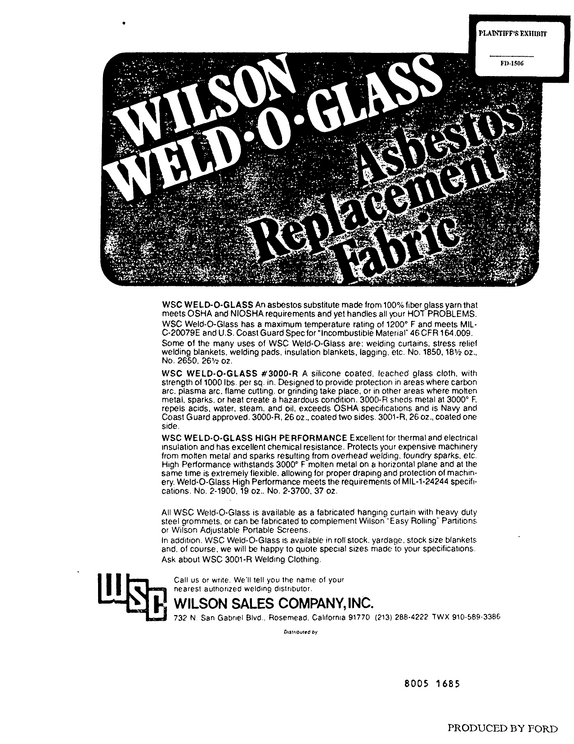
WSC WELD-O-GLASS An asbestos substitute made from 100% fiber glass yarn that meets OSHA and NIOSHA requirements and yet handles all your HOT PROBLEMS.
refid# nk1NV8577wQRyYB07rd4r0v4w1 page
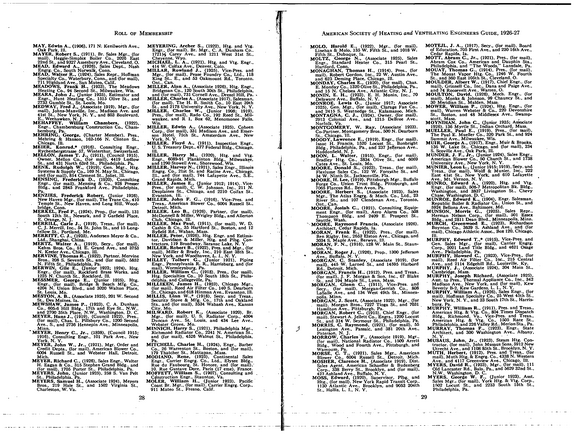
Roll of Membership MAY, Edwin A., (1906), 171 N: Kenilworth Ave., Oak Park, 111.
refid# Eq45QQbzbzvMm8vn110J63DLV1 page
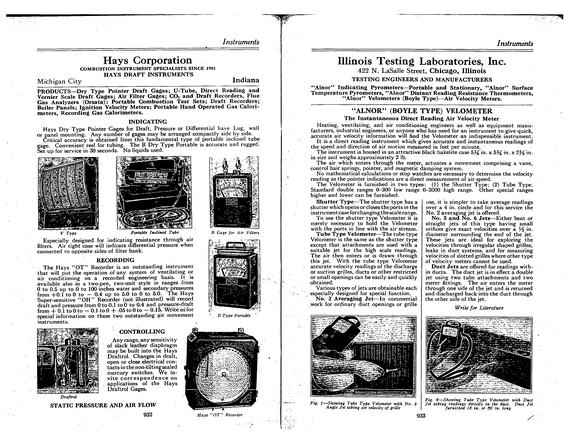
Instruments Hays Corporation COMBUSTION INSTRUMENT SPECIALISTS SINCE 1901 Michigan City HAYS DRAFT INSTRUMENTS Indiana PRODUCTS--Dry Type Pointer Draft Gages; U-Tube, Direct Reading and Vernier Scale Draft Gages; Air Filter Gages; C02 and Draft Recorders, Flue Gas Analyzers (Orsata): Portable Combustion Test Sets; Draft Recorders; Boiler Panels; Ignition Velocity Meters; Portable Hand Operated Gas Calori meters, Recording Gas Calorimeters.
refid# 6wKzr6LvLpDrgKMae068OmRpR1 page
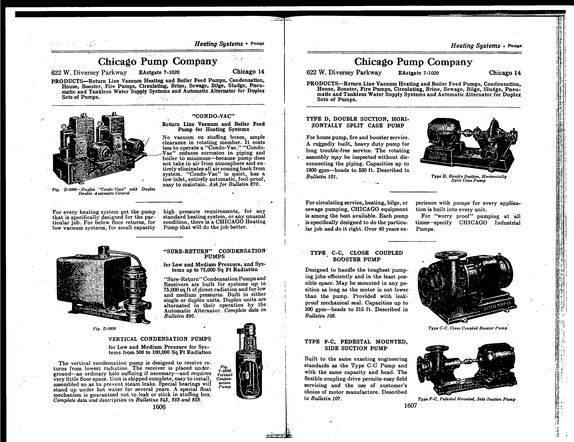
Heating Systems PuTMps Chicago Pump Company 622 W.
refid# GzoKG1xjNYzp7kXDbek3zRz371 page
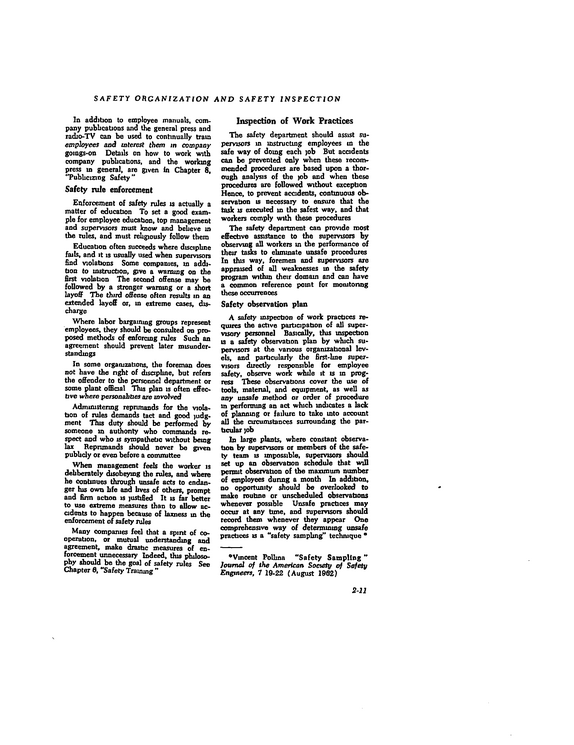
SAFETY ORGANIZATION AND SAFETY INSPECTION In addition to employee manuals, com pany publications and the general press and radio-TV can be used to continually train employees and interest them in company goings-on Details on how to work with company pubbcabons, and the working press in general, are given in Chapter 8, "Publicizing Safety" Safety rule enforcement Enforcement of safety rules is actually a matter of education To set a good exam ple for employee education, top management and supervisors must know and bebeve in the rules, and must religiously follow them Education often succeeds where discipline fails, and it is usually used when supervisors find violations Some companies, in addi tion to instruction, give a warning on the first violation The second offense may be followed by a stronger warning or a short layoff The third offense often results in an extended layoff or, in extreme cases, dis charge Where labor bargaining groups represent employees, they should be consulted on pro posed methods of enforcing rules Such an agreement should prevent later misunder standings In some organizations, the foreman does not have the right of discipline, but refers the offender to the personnel department or some plant official This plan is often effec tive where personalities are involved Administering reprimands for the viola tion of rules demands tact and good judg ment This duty should be performed by someone in authority who commands re spect and who is sympathetic without being lax Reprimands should never be given publicly or even before a committee When management feels the worker is deliberately disobeying the rules, and where he continues through unsafe acts to endan ger his own life and lives of others, prompt and firm action is justified It is far better to use extreme measures than to allow ac cidents to happen because of laxness in the enforcement of safety rules Many companies feel that a spirit of co operation, or mutual understanding and agreement, make drastic measures of en forcement unnecessary Indeed, this philoso phy should be the goal of safety rules See Chapter 8, "Safety Training " Inspection of Work Practices The safety department should assist su pervisors in instructing employees in the safe way of domg each job But accidents can be prevented only when these recom mended procedures are based upon a thor ough analysis of the job and when these procedures are followed without exception Hence, to prevent accidents, continuous ob servation is necessary to ensure that the task is executed in the safest way, and that workers comply with these procedures The safety department can provide most effective assistance to the supervisors by observing all workers in the performance of their tasks to eliminate unsafe procedures In this way, foremen and supervisors are appraised of all weaknesses in the safety program within their domain end can have a common reference point for monitoring these occurrences Safety observation plan A safety inspection of work practices re quires the active participation of all super visory personnel Basically, this inspection is a safety observation plan by which su pervisors at the various organizational lev els, and particularly the first-line super visors directly responsible for employee safety, observe work while it is in prog ress These observations cover the use of tools, material, and equipment, as well as any unsafe method or order of procedure in performing an act which indicates a lack of planning or failure to take into account all the circumstances surrounding the par ticular job In large plants, where constant observa tion by supervisors or members of the safe ty team is impossible, supervisors should set up an observation schedule that will permit observation of the maximum number of employees dunng a month In addition, no opportunity should be overlooked to make routine or unscheduled observations whenever possible Unsafe practices may occur at any time, and supervisors should record them whenever they appear One comprehensive way of determining unsafe practices is a "safety sampling" technique s Vincent Pollina "Safety Sampling " Journal of the American Society of Safety Engineers, 7 19-22 (August 1902) 2-11
refid# vev2d1Xk72L2ex1EEBnN67m81 page
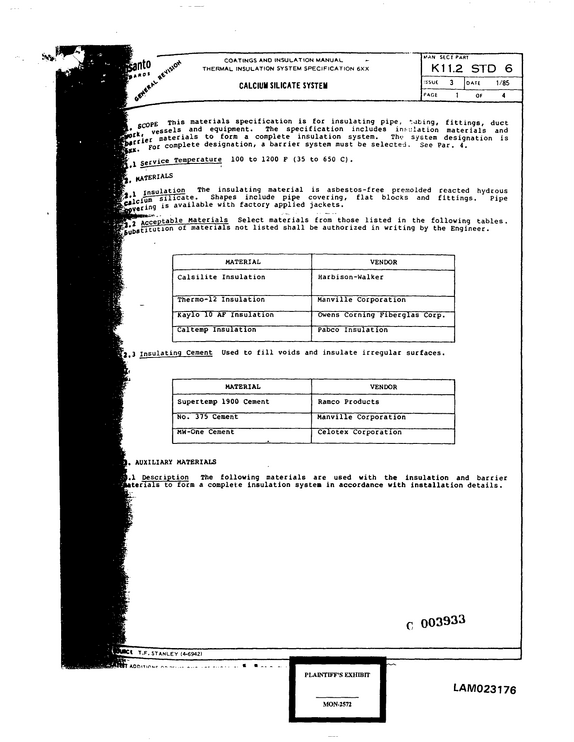
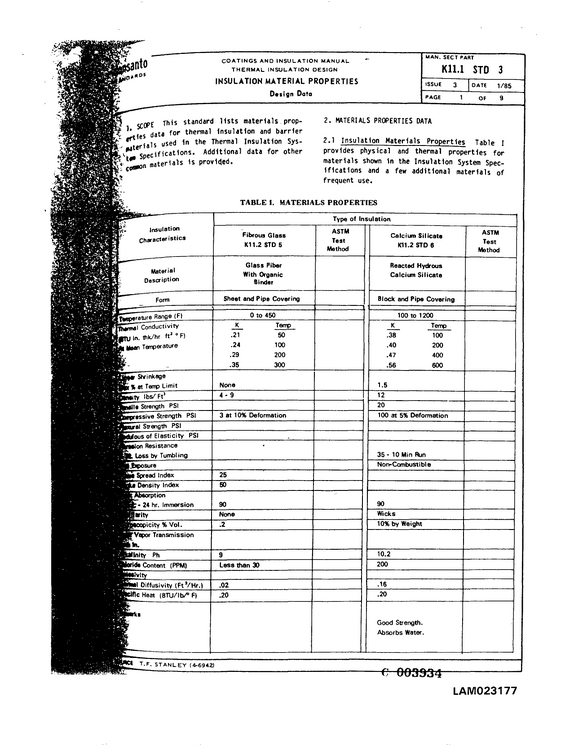
nto s O'*" o' COATINGS ANO INSULATION MANUAL THERMAL INSULATION SYSTEM SPECIFICATION 6XX CALCIUM SILICATE SYSTEM man stc r part K11.2 STD 6 :ssuc 3 0 ATE 1/85 PACE 1 OF 4 scope This materials specification is for insulating pipe, tubing, fittings, duct rk, vessels and equipment.
refid# jpDM0qOMapE7m5mbvGkRwxN2 pages
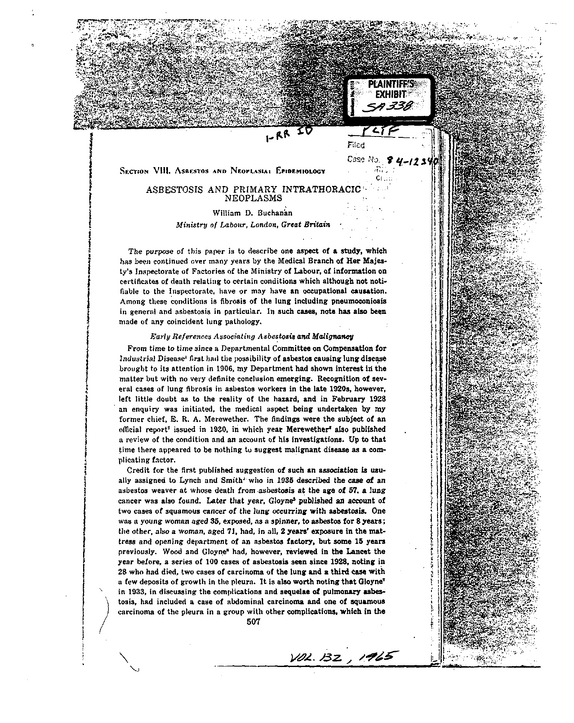
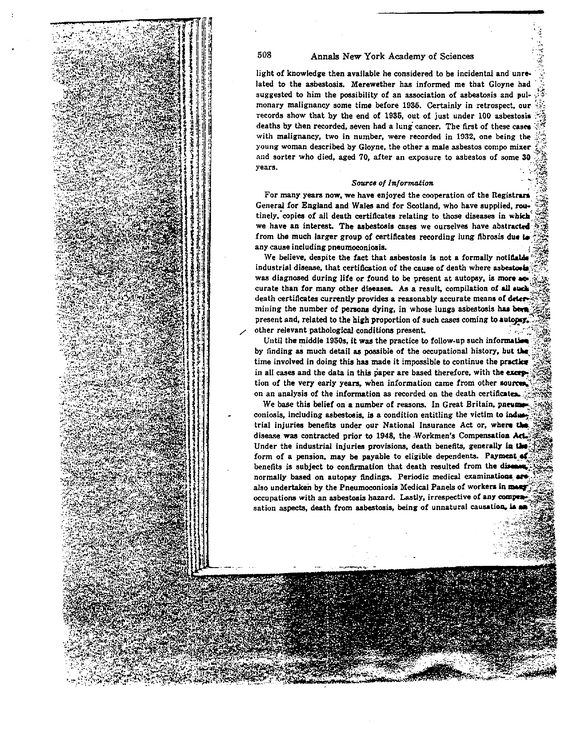
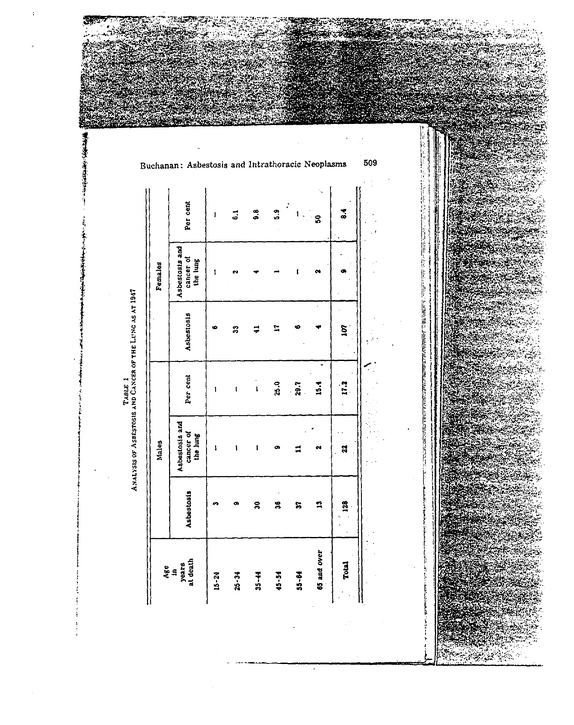
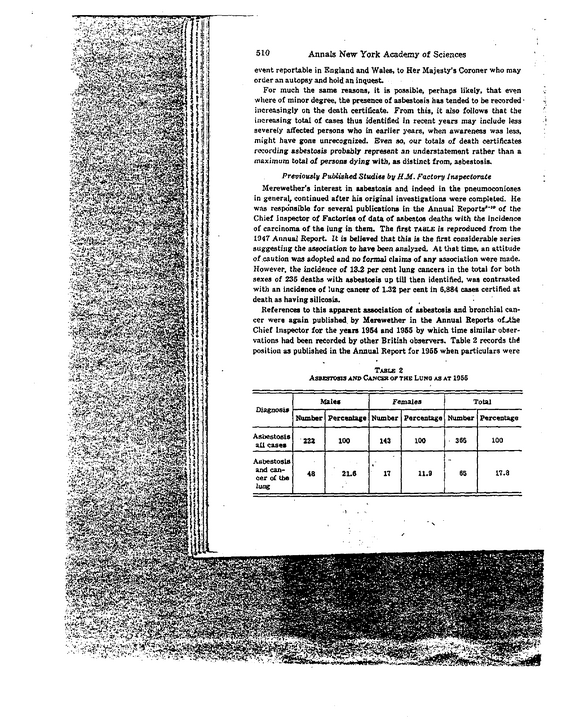
The purpose of this paper is to describe one aspect of a study, which has been continued over many years by the Medical Branch of Her Majes ty's Inspectorate of Factories of the Ministry of Labour, of information on certificates of death relating to certain conditions which although not noti fiable to the Inspectorate, have or may have an occupational causation.
refid# rpEJeMXVgKzY4maoBrRVokkZ012 pages
spring .
refid# VjyBEX6xZyQwk02oYMN3G4nYZ1 page