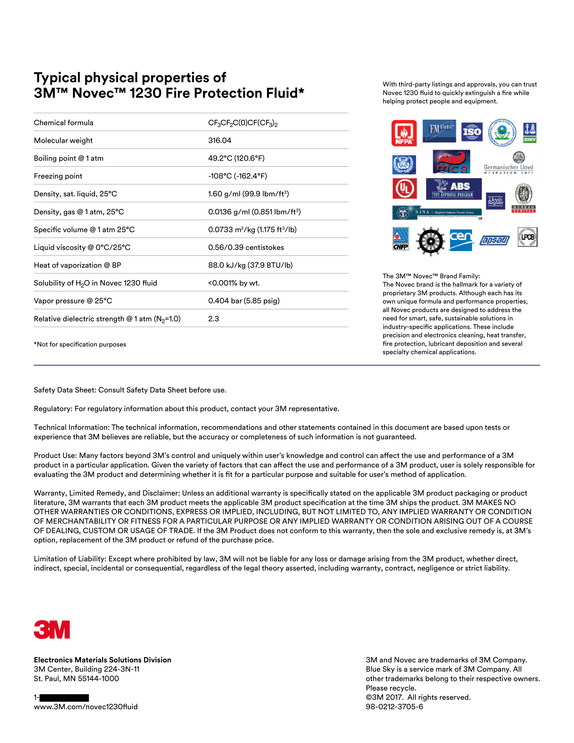
Pmraottteecrts.what 3MTM NovecTM 1230 Fire Protection Fluid You're not just safeguarding people, buildings, equipment and operations, you're helping preserve the world we live in.



refid# NG6e6Y4y7my0aQM5J5MrywVbR4 pages
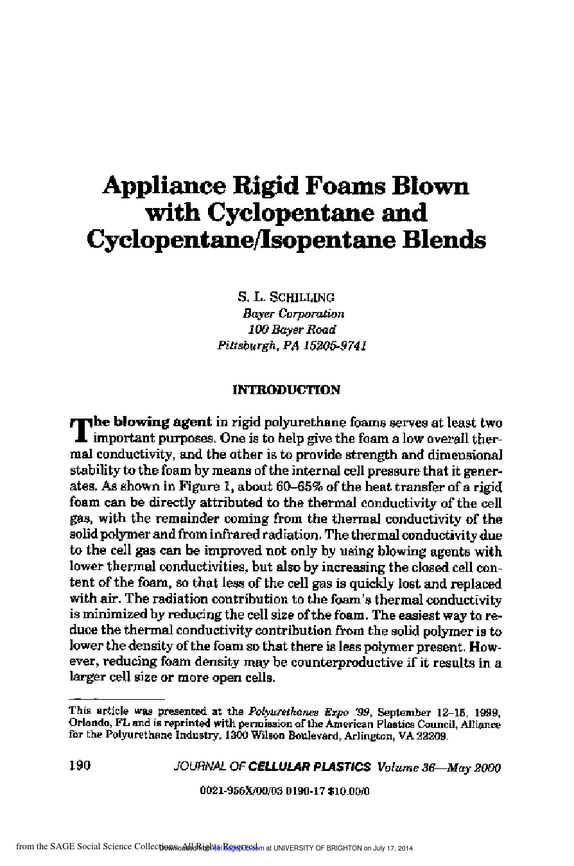
Journal of Cellular Plastics http://cel.sagepub.com/ Appliance Rigid Foams Blown with Cyclopentane and Cyclopentane/Isopentane Blends S.
refid# G5oaoGXye1O5e3Q7QmymL81vY18 pages
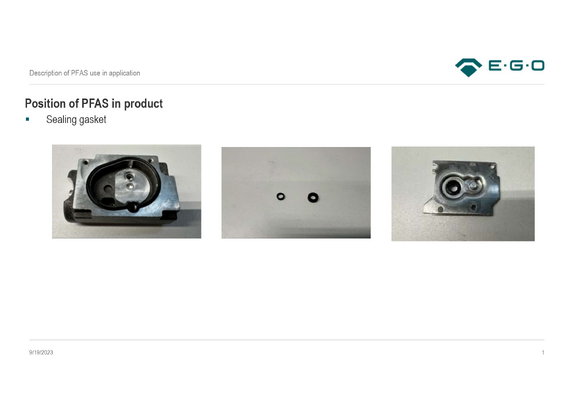
Description of PFAS use in application Position of PFAS in product Sealing gasket 9/19/2023 Confidential EGO information for internal use only, subject to NDA. 1
refid# B87Ox04vVYEba0NQaEVRqRLVm1 page
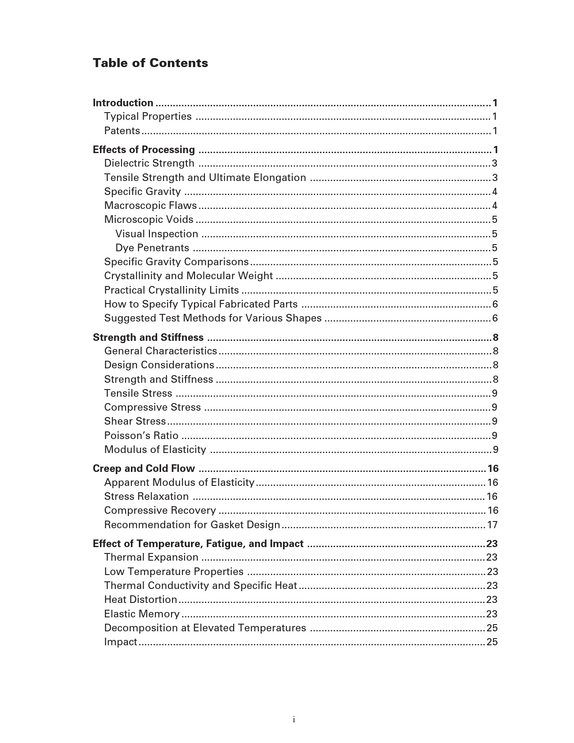
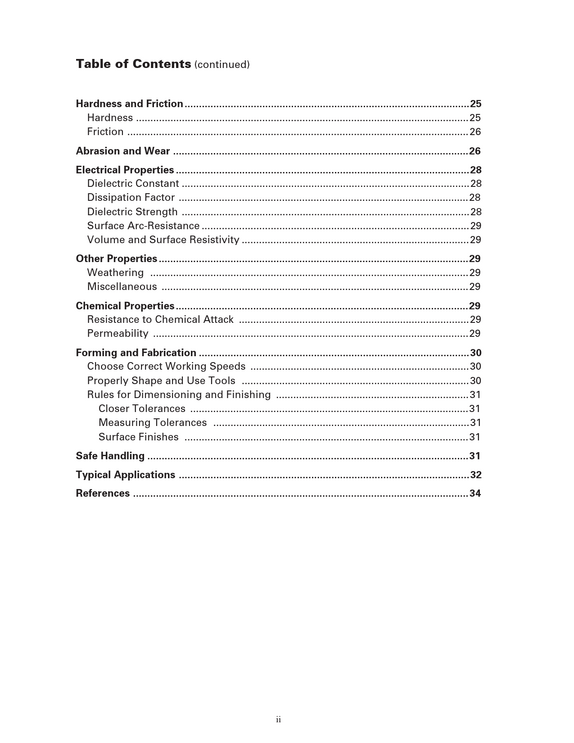
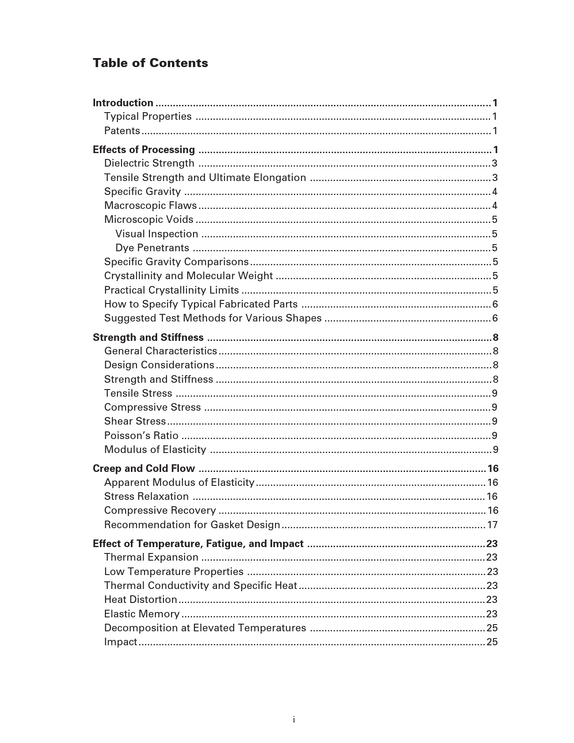
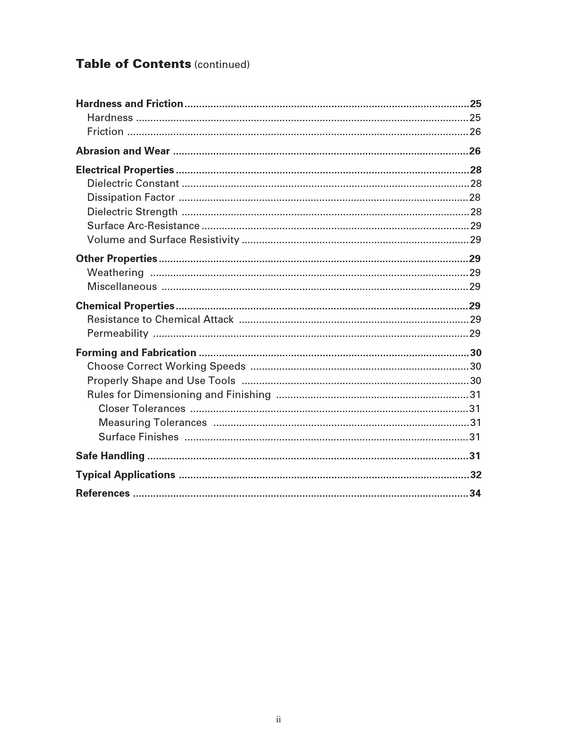
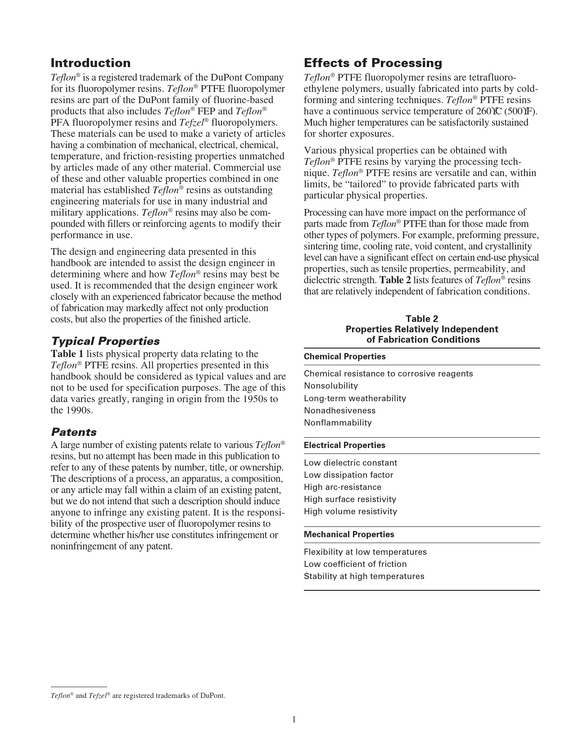
ANNEX VI Teflon PTFE Properties Handbook f Teflon PTFE fluoropolymer resin Properties Handbook Table of Contents Introduction .....................................................................................................................1 Typical Properties .......................................................................................................1 Patents ..........................................................................................................................1 Effects of Processing ......................................................................................................1 Dielectric Strength ......................................................................................................3 Tensile Strength and Ultimate Elongation ...............................................................3 Specific Gravity ...........................................................................................................4 Macroscopic Flaws ......................................................................................................4 Microscopic Voids .......................................................................................................5 Visual Inspection .....................................................................................................5 Dye Penetrants ........................................................................................................5 Specific Gravity Comparisons ....................................................................................5 Crystallinity and Molecular Weight ...........................................................................5 Practical Crystallinity Limits .......................................................................................5 How to Specify Typical Fabricated Parts ..................................................................6 Suggested Test Methods for Various Shapes ..........................................................6 Strength and Stiffness ...................................................................................................8 General Characteristics ...............................................................................................8 Design Considerations ................................................................................................8 Strength and Stiffness ................................................................................................8 Tensile Stress ..............................................................................................................9 Compressive Stress ....................................................................................................9 Shear Stress.................................................................................................................9 Poisson's Ratio ............................................................................................................9 Modulus of Elasticity ..................................................................................................9 Creep and Cold Flow ....................................................................................................16 Apparent Modulus of Elasticity ................................................................................16 Stress Relaxation ......................................................................................................16 Compressive Recovery .............................................................................................16 Recommendation for Gasket Design .......................................................................17 Effect of Temperature, Fatigue, and Impact ..............................................................23 Thermal Expansion ...................................................................................................23 Low Temperature Properties ...................................................................................23 Thermal Conductivity and Specific Heat .................................................................23 Heat Distortion...........................................................................................................23 Elastic Memory ..........................................................................................................23 Decomposition at Elevated Temperatures .............................................................25 Impact .........................................................................................................................25 i Table of Contents (continued) Hardness and Friction ...................................................................................................25 Hardness ....................................................................................................................25 Friction ....................................................................................................................... 26 Abrasion and Wear .......................................................................................................26 Electrical Properties ......................................................................................................28 Dielectric Constant ....................................................................................................28 Dissipation Factor .....................................................................................................28 Dielectric Strength ....................................................................................................28 Surface Arc-Resistance .............................................................................................29 Volume and Surface Resistivity ...............................................................................29 Other Properties ............................................................................................................29 Weathering ...............................................................................................................29 Miscellaneous ...........................................................................................................29 Chemical Properties ......................................................................................................29 Resistance to Chemical Attack ................................................................................29 Permeability ..............................................................................................................29 Forming and Fabrication ..............................................................................................30 Choose Correct Working Speeds ............................................................................30 Properly Shape and Use Tools ...............................................................................30 Rules for Dimensioning and Finishing ...................................................................31 Closer Tolerances .................................................................................................31 Measuring Tolerances .........................................................................................31 Surface Finishes ...................................................................................................31 Safe Handling ................................................................................................................31 Typical Applications .....................................................................................................32 References ..................................................................................................................... 34 ii Introduction Teflon is a registered trademark of the DuPont Company for its fluoropolymer resins.

refid# kmOm98Y4eqv0Gr4VN5xarjVvD39 pages
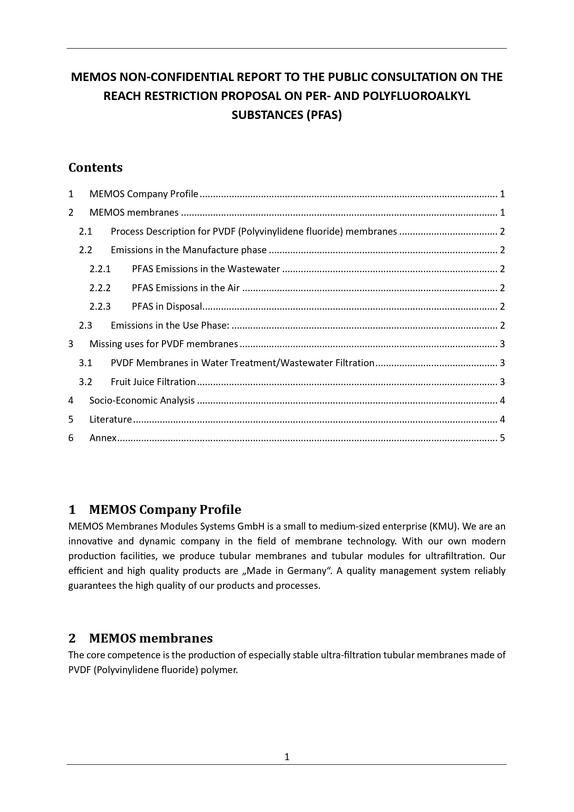
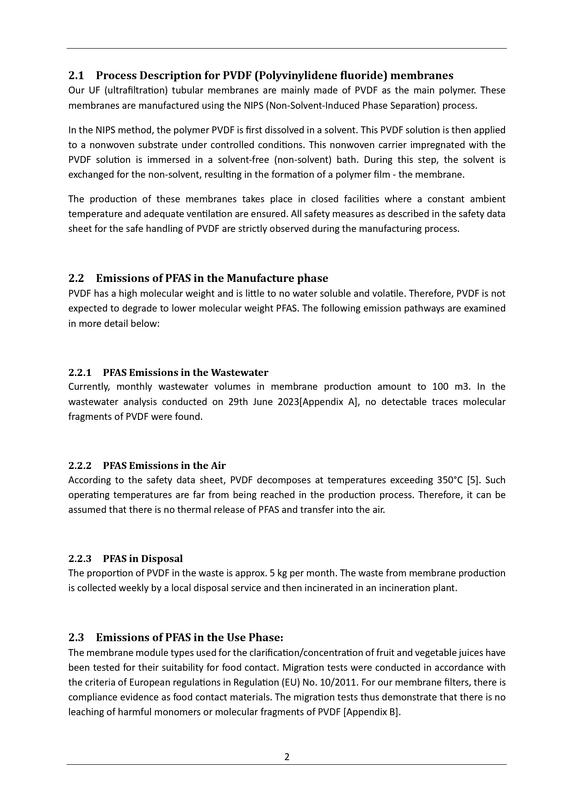
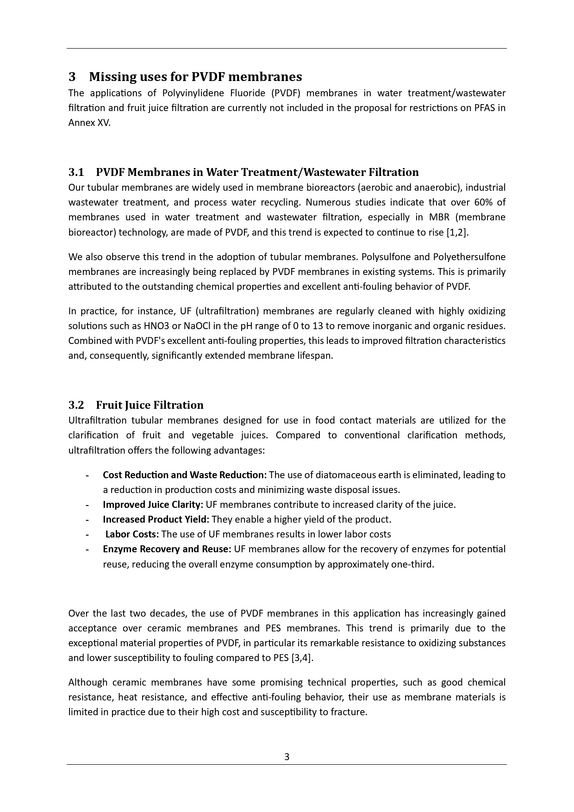
MEMOS NON-CONFIDENTIAL REPORT TO THE PUBLIC CONSULTATION ON THE REACH RESTRICTION PROPOSAL ON PER- AND POLYFLUOROALKYL SUBSTANCES (PFAS) Contents 1 MEMOS Company Profile ................................................................................................................ 1 2 MEMOS membranes ....................................................................................................................... 1 2.1 Process Description for PVDF (Polyvinylidene fluoride) membranes ..................................... 2 2.2 Emissions in the Manufacture phase ...................................................................................... 2 2.2.1 PFAS Emissions in the Wastewater ................................................................................. 2 2.2.2 PFAS Emissions in the Air ................................................................................................ 2 2.2.3 PFAS in Disposal............................................................................................................... 2 2.3 Emissions in the Use Phase: .................................................................................................... 2 3 Missing uses for PVDF membranes ................................................................................................. 3 3.1 PVDF Membranes in Water Treatment/Wastewater Filtration.............................................. 3 3.2 Fruit Juice Filtration................................................................................................................. 3 4 Socio-Economic Analysis ................................................................................................................. 4 5 Literature ......................................................................................................................................... 4 6 Annex............................................................................................................................................... 5 1 MEMOS Company Proile MEMOS Membranes Modules Systems GmbH is a small to medium-sized enterprise (KMU).
refid# p2pdazg8rNxBEN8eJxkrDwpaj7 pages
Courbevoie, 8th September 2023 Dear Sir or Madam, UITS (Union of Surface Treatment Industries) is the trade organization representing manufacturers working in the field of materials treatment.
refid# v1LYqEErMdMq5EQkMR1oYKydm2 pages
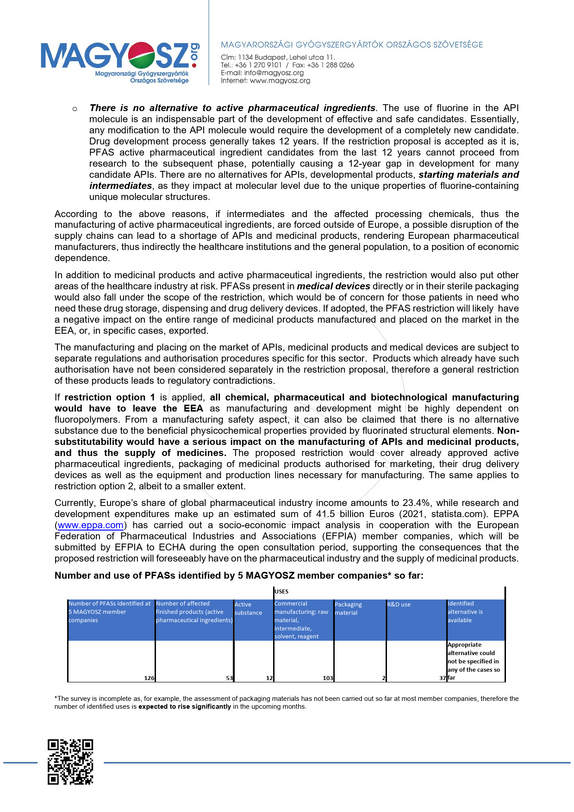
MAGYOSZ'S DETAILED POSITION STATEMENT ON THE EUROPEAN USE OF "PER- AND POLYFLUOROALKYL SUBSTANCES" (PFAS),1 CONSIDERING THE RESTRICTION PROPOSAL SET FORTH IN THE REACH2 REGULATION BACKGROUND AND BASELINE CONSIDERATIONS Founded in 1990 to represent the Hungarian pharmaceutical industry, the Hungarian Pharmaceutical Manufacturers' Association (MAGYOSZ) has been operating in strategic partnership with the Ministry of Foreign Affairs and Trade, and thus indirectly with the Government of Hungary, since 2020.
refid# Raamq2RZQkn53J2p25RJr2ad77 pages
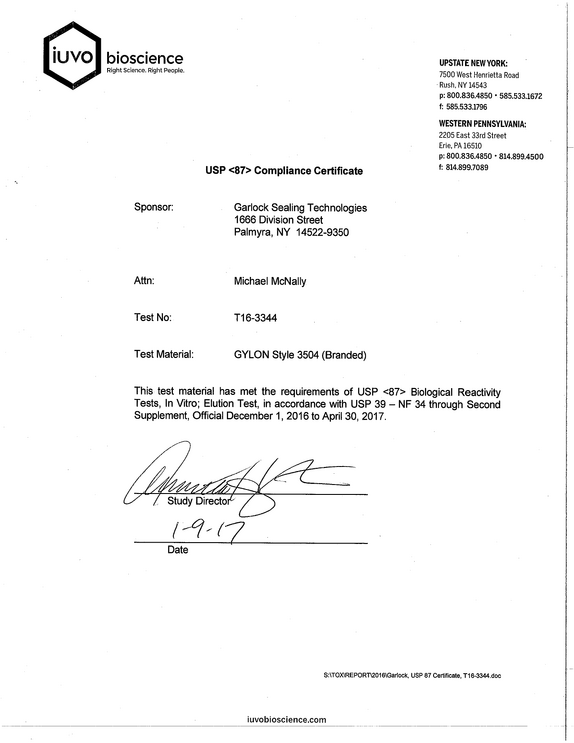
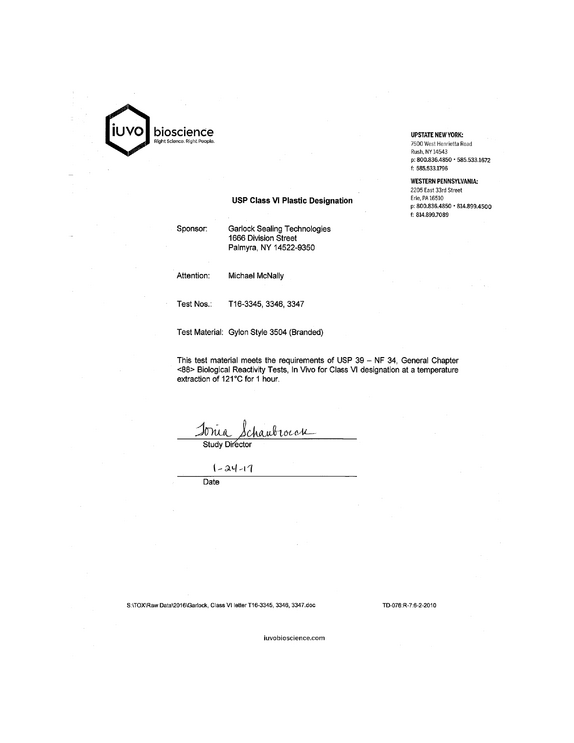
biBoossccaimenrcee `Sponsor: Attn: USP <87> Compliance Certificate Garlock Sealing Technologies 1666 Division Street Palmyra, NY 14522-9350 Michael McNally ||| 75UP0STWAeTsEtNErWiYOtRaK:ond un300s8e3y6-4588555031672 ssssawme W22E0S5TEsRtNaPEtNNSeYLYANI EPrBe0a0BlIeBsAESD 8148594500 #2450008 | | Test No: T16-3344 Test Material: GYLON Style 3504 (Branded) This test material has met the requirements of USP <87> Biological Reactivity Tests, In Vitro; Elution Test, in accordance with USP 39 -- NF 34 through Second `Supplement, Official December 1, 2016 to April 30, 2017. 4 eed > / -- Date SOREsoRUT8 a7CeGtiaTttck iuvobioscience.com bioscience wsNER USP ClVaPlsasst Designation erm CR Sponsor G$Faa6tm5aaD.SiiNnvng4S6rT2ee2ceh8r3l5o0gios Aeron, chanMealy TostNon: T1633, 3346, 347 Tet Mara Gyn Ste 2504 Ban) Sri5a0itooitnmcate2e1rRColmnactos thThoo.rvau, Imn VeonfrofGiaUSP 3d8onNaF 34,aGana clCrrattcs InSiya Jehasboe ol oe(aan
refid# 4JQVwNqJRxDvYvJXBGMk3XyOp2 pages
W.

refid# 2R7JxjeMO7MZNg6bdZzMybDYL3 pages
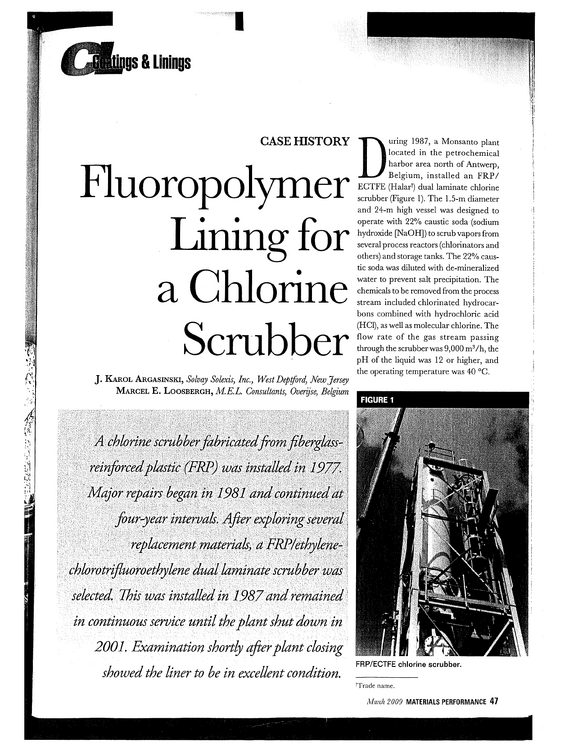
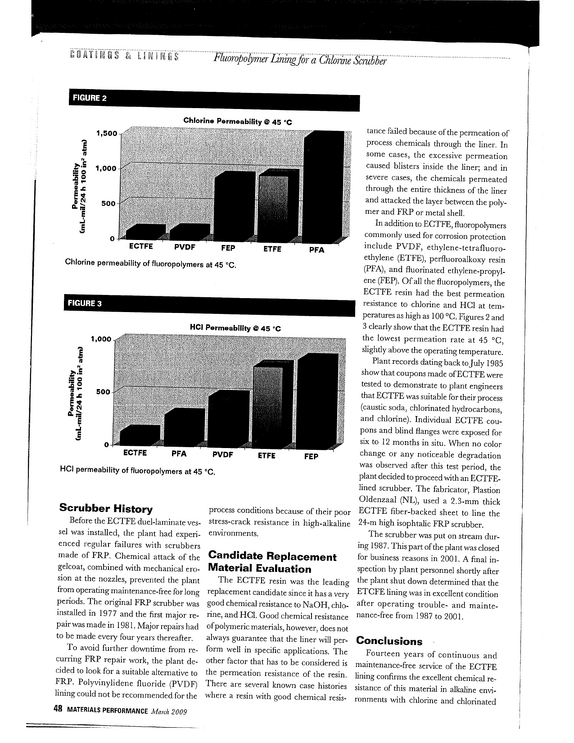
COATINGS & LININGS solvents at an operating temperature of 40 C.

refid# mmLbyeR6Op2oN31r2mZwB8KYB3 pages
1 (7) Technology Industries of Finland - Comments on the proposal for a restriction of per- and polyfluoroalkyl substances (PFAS) Finland's Technology Industry's companies are committed to reducing the presence of harmful substances in their products to promote a more circular economy and enhance human health.
refid# Ozm4jQVdNeN7zN1QndmEQz7MK7 pages
f Teflon PTFE fluoropolymer resin Properties Handbook Table of Contents Introduction .....................................................................................................................1 Typical Properties .......................................................................................................1 Patents ..........................................................................................................................1 Effects of Processing ......................................................................................................1 Dielectric Strength ......................................................................................................3 Tensile Strength and Ultimate Elongation ...............................................................3 Specific Gravity ...........................................................................................................4 Macroscopic Flaws ......................................................................................................4 Microscopic Voids .......................................................................................................5 Visual Inspection .....................................................................................................5 Dye Penetrants ........................................................................................................5 Specific Gravity Comparisons ....................................................................................5 Crystallinity and Molecular Weight ...........................................................................5 Practical Crystallinity Limits .......................................................................................5 How to Specify Typical Fabricated Parts ..................................................................6 Suggested Test Methods for Various Shapes ..........................................................6 Strength and Stiffness ...................................................................................................8 General Characteristics ...............................................................................................8 Design Considerations ................................................................................................8 Strength and Stiffness ................................................................................................8 Tensile Stress ..............................................................................................................9 Compressive Stress ....................................................................................................9 Shear Stress.................................................................................................................9 Poisson's Ratio ............................................................................................................9 Modulus of Elasticity ..................................................................................................9 Creep and Cold Flow ....................................................................................................16 Apparent Modulus of Elasticity ................................................................................16 Stress Relaxation ......................................................................................................16 Compressive Recovery .............................................................................................16 Recommendation for Gasket Design .......................................................................17 Effect of Temperature, Fatigue, and Impact ..............................................................23 Thermal Expansion ...................................................................................................23 Low Temperature Properties ...................................................................................23 Thermal Conductivity and Specific Heat .................................................................23 Heat Distortion...........................................................................................................23 Elastic Memory ..........................................................................................................23 Decomposition at Elevated Temperatures .............................................................25 Impact .........................................................................................................................25 i Table of Contents (continued) Hardness and Friction ...................................................................................................25 Hardness ....................................................................................................................25 Friction ....................................................................................................................... 26 Abrasion and Wear .......................................................................................................26 Electrical Properties ......................................................................................................28 Dielectric Constant ....................................................................................................28 Dissipation Factor .....................................................................................................28 Dielectric Strength ....................................................................................................28 Surface Arc-Resistance .............................................................................................29 Volume and Surface Resistivity ...............................................................................29 Other Properties ............................................................................................................29 Weathering ...............................................................................................................29 Miscellaneous ...........................................................................................................29 Chemical Properties ......................................................................................................29 Resistance to Chemical Attack ................................................................................29 Permeability ..............................................................................................................29 Forming and Fabrication ..............................................................................................30 Choose Correct Working Speeds ............................................................................30 Properly Shape and Use Tools ...............................................................................30 Rules for Dimensioning and Finishing ...................................................................31 Closer Tolerances .................................................................................................31 Measuring Tolerances .........................................................................................31 Surface Finishes ...................................................................................................31 Safe Handling ................................................................................................................31 Typical Applications .....................................................................................................32 References ..................................................................................................................... 34 ii Introduction Teflon is a registered trademark of the DuPont Company for its fluoropolymer resins.

refid# K6RD4NNj8dVar4pb7aORgak4X38 pages
SOURCES, FATES, TOXICITY, AND RISKS OF TRIFLUOROACETIC ACID AND ITS SALTS: RELEVANCE TO SUBSTANCES REGULATED UNDER THE MONTREAL AND KYOTO PROTOCOLS A report prepared by the UNEP Environmental Effects Assessment Panel and published in the Journal of Toxi- cology and Environmental Health B, 2016: DOI1 February, 2016 Report Number 2016-01 United Nations Environment Programme PO Box 30552 Nairobi, Kenya http://www.unep.org/ozone http://www.unep.ch/ozone 1 Solomon K, Velders G, Wilson S, Madronich S, Longstreth J, Aucamp P, Bornman J. 2016.
refid# QMLkyZyVMXy9EodMM8X2NXk1526 pages
Journal of Peptide Science J.
refid# 7Y9BBY94o1vOvQK6GBvEyaog6 pages
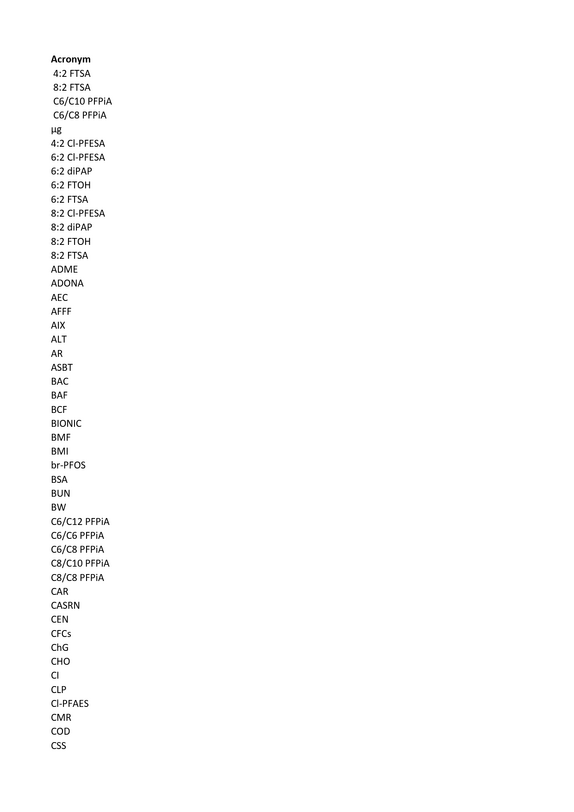
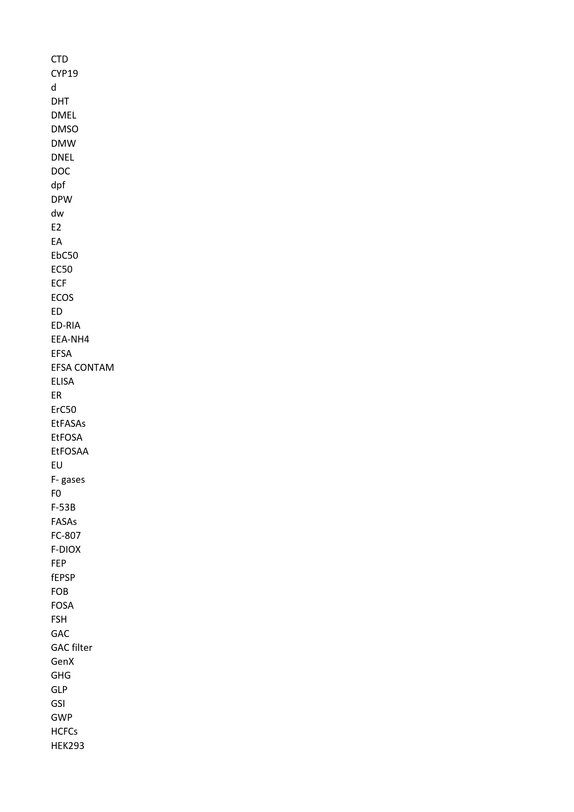
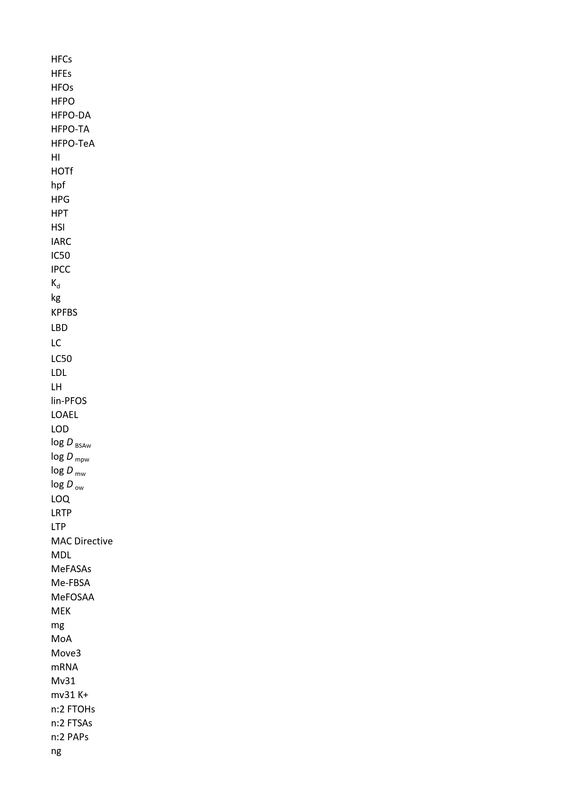
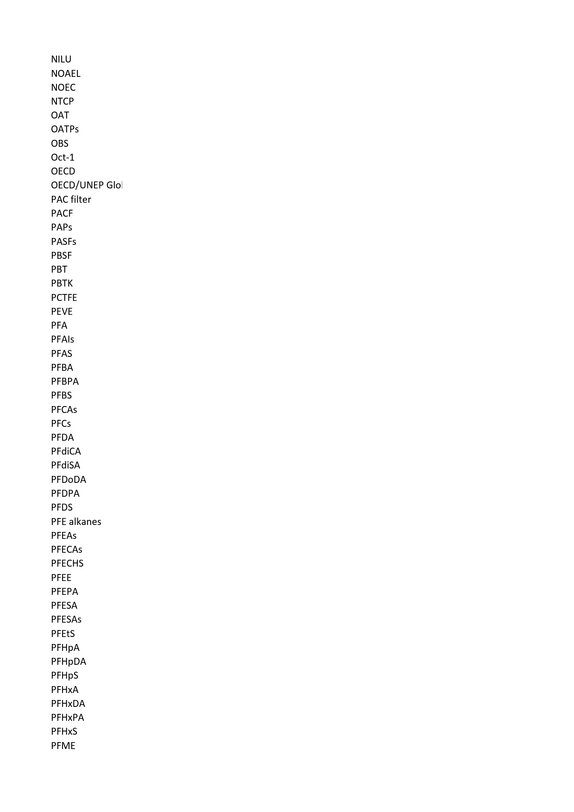
Acronym 4:2 FTSA 8:2 FTSA C6/C10 PFPiA C6/C8 PFPiA g 4:2 Cl-PFESA 6:2 Cl-PFESA 6:2 diPAP 6:2 FTOH 6:2 FTSA 8:2 Cl-PFESA 8:2 diPAP 8:2 FTOH 8:2 FTSA ADME ADONA AEC AFFF AIX ALT AR ASBT BAC BAF BCF BIONIC BMF BMI br-PFOS BSA BUN BW C6/C12 PFPiA C6/C6 PFPiA C6/C8 PFPiA C8/C10 PFPiA C8/C8 PFPiA CAR CASRN CEN CFCs ChG CHO CI CLP Cl-PFAES CMR COD CSS CTD CYP19 d DHT DMEL DMSO DMW DNEL DOC dpf DPW dw E2 EA EbC50 EC50 ECF ECOS ED ED-RIA EEA-NH4 EFSA EFSA CONTAM ELISA ER ErC50 EtFASAs EtFOSA EtFOSAA EU F- gases F0 F-53B FASAs FC-807 F-DIOX FEP fEPSP FOB FOSA FSH GAC GAC filter GenX GHG GLP GSI GWP HCFCs HEK293 HFCs HFEs HFOs HFPO HFPO-DA HFPO-TA HFPO-TeA HI HOTf hpf HPG HPT HSI IARC IC50 IPCC Kd kg KPFBS LBD LC LC50 LDL LH lin-PFOS LOAEL LOD log D BSAw log D mpw log D mw log D ow LOQ LRTP LTP MAC Directive MDL MeFASAs Me-FBSA MeFOSAA MEK mg MoA Move3 mRNA Mv31 mv31 K+ n:2 FTOHs n:2 FTSAs n:2 PAPs ng NILU NOAEL NOEC NTCP OAT OATPs OBS Oct-1 OECD OECD/UNEP Glob PAC filter PACF PAPs PASFs PBSF PBT PBTK PCTFE PEVE PFA PFAIs PFAS PFBA PFBPA PFBS PFCAs PFCs PFDA PFdiCA PFdiSA PFDoDA PFDPA PFDS PFE alkanes PFEAs PFECAs PFECHS PFEE PFEPA PFESA PFESAs PFEtS PFHpA PFHpDA PFHpS PFHxA PFHxDA PFHxPA PFHxS PFME PFMPA PFNA PFO4DA PFO5DoDA PFOA PFOcDA PFODA PFOPA PFOS PFOSA PFOSI PFPAs PFPeA PFPeDA PFPeS PFPiAs PFPPA PFPrA PFPrS PFSAs PFSIA PFSIAs PFTeDA PFTrDA PFUnDA PFAAs PMVE PolyFEAAs PolyFAAs POP POSE Pov PPAR PPVE PTFE PVDF PXR QSAR RAC RCF RMMs SAmPAP SC SEAC SFAs SOD STP SVHC T3 T4 TBG TF TFA TFMS TfOH TFSA TH TMF TNF- TSH TTR TWI US EPA vPvB VTG ww WWTP Explanation 4:2 fluorotelomer sulfonic acid 8:2 fluorotelomer sulfonic acid Perfluorohexylperfluorodecyl phosphinic acid Perfluorohexylperfluorooctyl phosphinate Microgram 4:2 Cl-polyfluorinated ether sulfonate 6:2 chlorinated polyfluorinated ether sulfonate 6:2 fluorotelomer phosphate diester 6:2 fluorotelomer alcohol 6:2 fluorotelomer sulfonic acid 8:2 Cl-polyfluorinated ether sulfonate Bis[2-(perfluorooctyl)ethyl] phosphate 8:2 fluorotelomer alcohol 8:2 fluorotelomer sulfonic acid Absorption, distribution, metabolism, and excretion Ammonium 4,8-dioxa-3H-perfluorononanoate, 3H-perfluoro-3-[(3-methoxy-propoxy)propanoic acid] Anion Exchange Capacity Aqueous Film-Forming Foam Anion Exchange Serum alanine transferase Androgen Receptor Apical Sodium-Dependent Bile Salt Transporter Biological activated carbon Bioaccumulation Factor Bioconcentration Factor Bioconcentration model for Ionogenic Organic Compounds Biomagnification Factor Bodymass Index Branched PFOS Bovine Serum Albumine Blood Urea Nitrogen Body Weight C6/C12 Perfluorophosphinic acids C6/C6 Perfluorophosphinic acids C6/C8 Perfluorophosphinic acids C8/C10 Perfluorophosphinic acids C8/C8 Perfluorophosphinic acids Constitutive Androstane Receptor Chemical Abstracts Service Registry Number Chicken Embryonic Neuronal Ozone depleting chlorofluorocarbons Choriogenin Chinese Hamster Ovary Confidence Interval Classification, Labelling and Packaging Chlorinated Polyfluorinated Ether Sulfonate Carcinogenic, mutagenic or toxic for reproduction Chemical Oxygen Demand Chemicals Strategy for Sustainability Characteristic Travel Distance Cytochrome P-19 Days Post Fertilization 5 Alpha-Androstan-17-Beta-Ol-3-One Derived minimal effect level Dimethylsulphoxide Distribution ratios for membrane-water Detected No-Effect Level Dissolved Organic Carbon Days Post Fertilization Distribution ratios for protein-water Dry Weight Estrogen/17-Beta-Estradiol Endocrine Activity Effect Concentration Algal Biomass Effect Concentration Electrochemical fluorination The Environmental Coalition on Standards Endocrine Disruption Direct Equilibrium Dialysis Followed By Radioimmunoassay Ammonium difluoro[1,1,2,2-tetrafluoro-2-(pentafluoroethoxy)ethoxy]acetate European Food Safety Authority European Food Safety Authority- Panel on Contaminants in the Food Chain Enzyme-Linked Immunosorbent Assay Estrogen Receptor Effect Concentration Algal Growth N-ethyl perfluoroalkane sulfonamides N-ethyl perfluorooctane sulfonamide N-ethyl perfluorooctane sulfonamidoacetic acid European Union Fluorinated gases Parental Generation 6:2 Cl-polyfluorinated ether sulfonate (6:2 Cl-PFESA) Perfluoroalkane sulfonamides Ammonium bis[2-[N-ethyl (heptadecafluorooctane) Ammonium difluoro{[2,2,4,5-tetrafluoro-5-(trifluoromethoxy)-1,3-dioxolan-4-yl]oxy}acetate Fluorinated ethylene propylene Field Excitatory Postsynaptic Potential Functional Observational Battery Perfluorooctane sulfonamide Follicle Stimulating Hormone Granular Acticated Carbon Granular activated carbon filter see HFPO-DA, 2,3,3,3-tetrafluoro-2-(heptafluoropropoxy)propanoic acid Greenhouse Gas Good Laboratory Practice Gonadosomatic Index Global Warming Potential Hydrochlorofluorocarbons Human Embryonic Kidney 293 Hydrofluorocarbons Hydrofluoroethers Hydrofluoroolefins Trifluoro(trifluoromethyl)oxirane; Hexafluoro-1,2-epoxypropane; 2,2,3-Trifluoro-3-(trifluoromethyl)oxirane Hexafluoropropylene oxide dimer acid, 2,3,3,3-tetrafluoro-2-(heptafluoropropoxy)propanoic acid, FRD-903, Ge Hexafluoropropylene oxide trimer acid, 2,3,3,3-tetrafluoro-2-[1,1,2,3,3,3-hexafluoro-2-(heptafluoropropoxy)p Hexafluoropropylene oxide tetramer acid Hazard Index Trifluoromethanesulfonic acid Hours Post Fertilization Hypothalamus-Pituitary-Gonad Hypothalamus-Pituitary-Thyroid Hepatosomatic Index The International Agency for Research on Cancer Inhibitory Concentration Intergovernmental Panel on Climate Change sediment/water distribution coefficients Kilogram Potassium Perfluorobutane Sulfonate Ligand Binding Domain Long-chain Lethal Concentration Low-density-lipoprotein Luteinizing Hormone Linear PFOS Lowest Observed Adverse Effect Level Limit Of Detection Base-10 logarithm of albumin-water distribution coefficients Base-10 logarithm of protein-water distribution coefficients Base-10 logarithm of of membrane-water distribution coefficients Base-10 logarithm of octanol-water distribution coefficients Limit Of Quantification Long-Range Transport Potential Long-Term Potentiation Mobile Air-Conditioning Directive Method Detection Limit N-methyl perfluoroalkane sulfonamides N-metylperfluorobutane Sulfonamide N-methyl perfluorooctane sulfonamidoacetic acid MAPK/ERK Kinase Milligram Mode of Action 1-[difluoro(trifluoromethoxy)methoxy]-1,2,2-trifluoroethylene Messenger-RNA 1,1,2,2,3,3-hexafluoro-1-trifluoromethoxy-3-trifluorovinyloxypropane Potassium 2-(3-trifluoromethoxy-1,1,2,2,3,3-hexafluoropropoxy)-2,3,3,3-tetrafluoropropionate n:2 fluorotelomer alcohols n:2 fluorotelomer sulfonic acids n:2 polyfluoroalkyl phosphoric acid esters (PAPs) Nanogram Norwegian Institute for Air Research No Observed Adverse Effect Level No Observed Effect Concentration Na+/Taurocholate Cotransporting Polypeptide Organic anion transporters Organic Anion Transporting Polypeptides p-perfluorous nonenoxybenzenesulfonate Octamer Motif-Binding Factor 1 Organisation for Economic Co operation and Development Organisation for Economic Co-operation and Development / United Nations Environment Programme Global P Powdered activated carbon filter Perfluoroalkanoyl fluoride Polyfluoroalkyl Phosphate Esters Perfluoroalkane sulfonyl fluorides Perfluorobutane Sulfonyl Fluoride Persistent, bioaccumulative and toxic Physiologically based toxicokinetic Polychlorotrifluoroethylene 1,1,2-Trifluoro-2-(pentafluoroethoxy)ethene Perfluoroalkoxyl polymer Perfluoroalkyl iodides Per- and Polyfluoroalkyl Substance Perfluorobutanoic acid Perfluorobutyl-phosphonic acid; (Nonafluorobutyl)phosphonic acid Perfluorobutane Sulfonic acid Perfluoroalkyl Carboxylic acid Polyfluorocarbons Perfluorodecanoic acid perfluoroalkyl dicarboxylic acid perfluoroalkane disulfonic acid Perfluorododecanoic acid perfluorodecylphosphonic acid perfluorodecane sulfonic acid Perfluoroether alkanes perfluoroether acids Perfluoroalkylether carboxylic acids perfluoro-4-(ethyl)cyclohexanesulfonate Perfluorodiethyl ether; Perfluoroethyl ether; 1,1,1,2,2-Pentafluoro-2-(pentafluoroethoxy)ethane Pentafluoroethyl-phosphonic acid; Perfluoroethyl phosponic acid; (Pentafluoroethyl)-phosphonic acid Polyfluorinated ether sulfonate, perfluoroalkylether sulfonic acid Perfluoroalkyl ether sulfonic acids pefluoroethane sulfonic acid perfluoroheptanoic acid Perfluroheptadecanoic acid perfluoroheptane sulfonic acid Perfluorohexanoic acid perfluorohexadecanoic acid; perfluorohexylphosphonic acid Perfluorohexane sulfonic acid Perfluorodimethyl ether; Perfluoromethyl ether; Trifluoro(trifluoromethoxy)methane; Trifluoromethyl-phosphic acid; Perfluoromethyl phosponic acid; (Trifluoromethyl)-phosphonic acid Perfluorononanoic acid Perfluoro-3,5,7,9-butaoxadecanoic acid Perfluoro-3,5,7,9,11-pentaoxadodecanoic acid Perfluorooctanoic acid Perfluorooctadecanoic acid Perfluorooctadecanoic acid PerfluorooctylPhosPhonic acid Perfluorooctane sulfonic acid Perfluorooctane sulfonamide Perfluorooctane sulfinic acid Perfluoroalkylphosphonic acids Perfluoropentanoic Perfluoropentadecanoic acid Perfluoropentane sulfonic acid Perfluorophosphinic acids Perfluoropentyl-phosphonic acid; (Undecafluoropenty)lphosphonic acid Prefluoropropanoic acid Perfluropropane sulfonic acid Perfluoroalkane sulfonic acids Perfluoroalkane sulfinic acid Perfluoroalkane sulfinic acids Perfluorotetradecanoic acid Perfluorotridecanoic acid Perfluoroundecanoic acid Perfluoroalkyl acids 1,1,2-Trifluoro-2-(trifluoromethoxy)ethene Polyfluoroalkylalkylether acids Polyfluoroalkyl acids Persistent Organic Pollutants Perfluorooctanesulfonyl fluoride Overall environmental persistence Peroxisome Proliferator-Activated Receptor 1,1,1,2,2,3,3-heptafluoro-3-[(trifluorovinyl)oxy]propane perfluorpropylvinylether Polytetrafluoroethylene Polyvinylidene fluoride Pregnane X-recePtor Quantitative Structure-Activity Relationship Risk Assessment Committee Root Concentration Factor Risk Management Measures Bis(2-{ethyl[(perfluorooctyl)sulfonyl]amino}ethyl) hydrogen phosphate Short-chain, Shorter chain
refid# 3eeGqkgzbxd9QGEVaRqbkDz4012 pages