Apr 25, 2023 Comment on Proposed Restriction of PFAS Conference of Fluoro-Chemical Product Japan (FCJ) On behalf of chemical manufacturers, we, Conference of Fluoro-Chemical Product Japan (FCJ), have been working tirelessly to comply with national chemical regulations.
refid# mbajBbLJjb3NYjR0n61gqaaoB9 pages
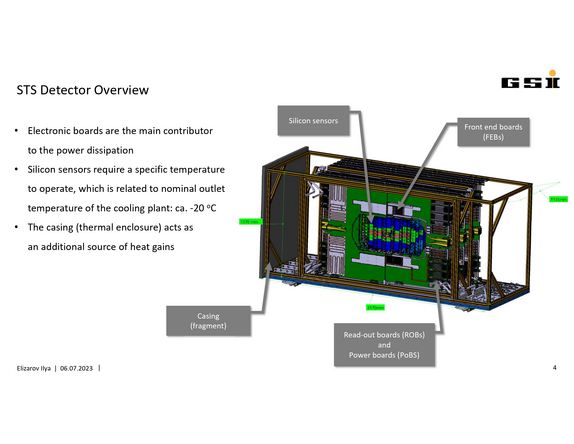
Cooling Supply for the STS Detector: Lessons Learned for the Future Engineering Design Report Elizarov Ilya CBM department GSI Helmholtzzentrum fr Schwerionenforschung GmbH 06.07.2023 Agenda 1.
refid# pE3YjaLjJVLMEr4LQmmwpyRd24 pages
PEEK vs PTFE Analysis as a viable alternative Date: 19-Sep-2023 Rev: 2 Page 1 of 15 PEEK vs PTFE polymer Report on the analysis as a viable alternative 1.
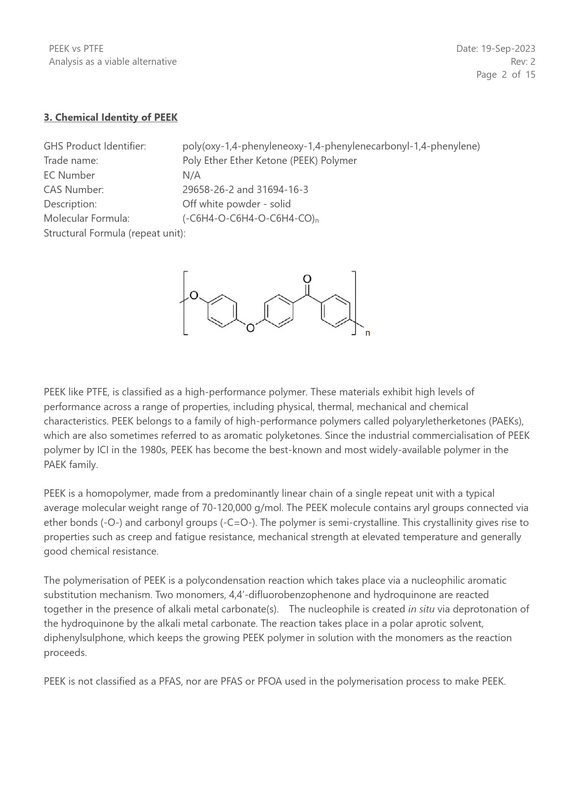
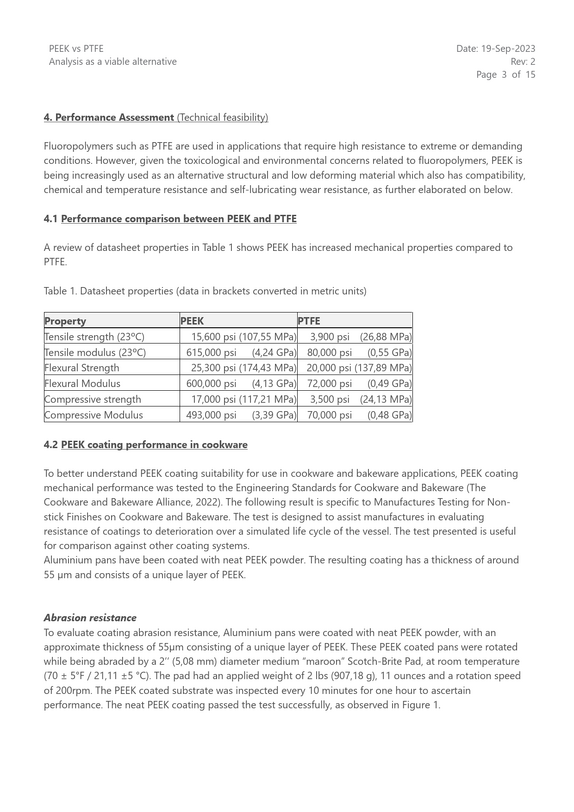
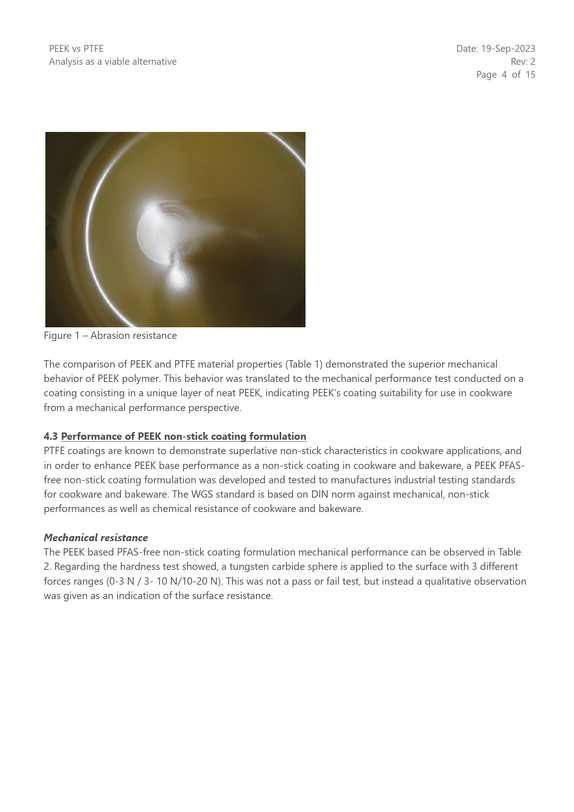
refid# k66Qqg1GGLKV8nQb9VLVQBk0015 pages
Tobu Building, 5-26, 1-chome, Moto-Akasaka, Minato-ku, Tokyo, 107-0051, Japan September 25,2023 Written comments on the Annex XV Restriction Report Restrictions on the manufacture, market placement, and use of PFAS, jointly proposed by Germany, the Netherlands, Sweden, Norway, and Denmark, have been published in the Annex XV Restriction Report.
refid# krGBQ9LLOnMq6EB3vNmQnKDq3 pages
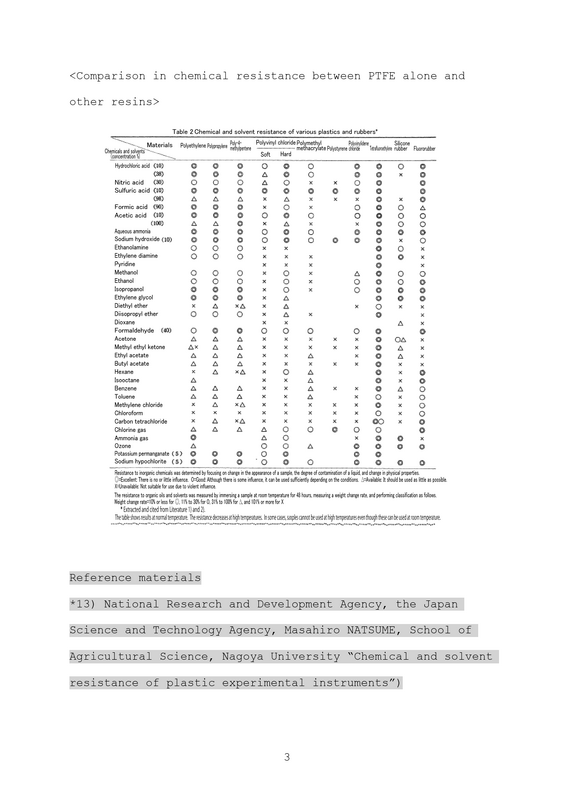
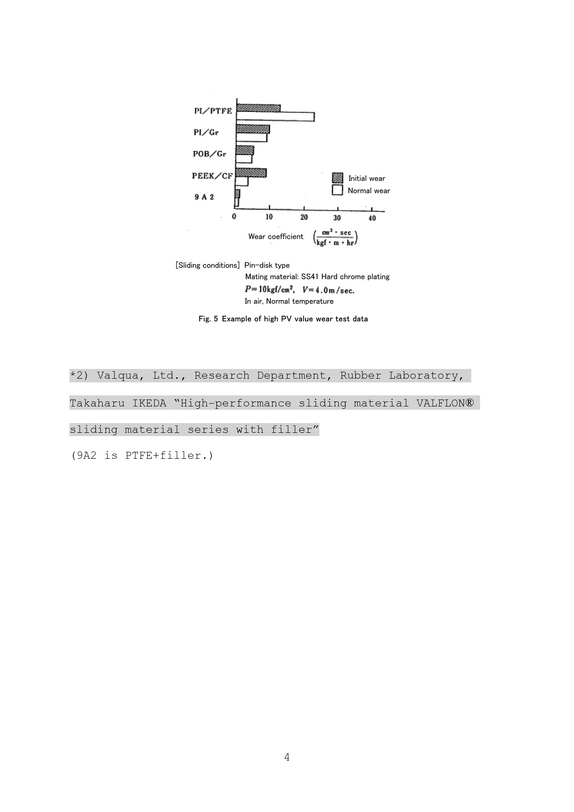
Bearing material & sliding material Application Number: Transportation (annex E.2.10), Electronics and semiconductors (annex E.2.11), Energy sector (annex E2.12) Application Name: Bearing material and sliding material Materials used in these products are PTFE (CAS No. 9002-84-0) alone, or inorganic and organic materials blended as a filler. *6) Subject to use: Bearings and sliding members *4), *5) Main fillers: There are glass fibers, carbon/graphite, carbon fibers, molybdenum disulfide, bronze, etc. *2), *3), *6) Chemicals used: Chemicals, oilless *2), *7) Use conditions: High temperature, high pressure, high speed. *2), *3) Essential conditions: To have a low friction coefficient. *1) Creep resistance, wear resistance, friction coefficient stability, seizure resistance, *2), *3) non-adhesiveness, and self-lubricity *2) Reference materials *1) Sumitomo Chemical Co., Ltd., Super Engineering Plastic "Sliding properties of Sumiploy" 1 *2) Valqua, Ltd., Research Department, Rubber Laboratory, Takaharu IKEDA "High-performance sliding material VALFLON sliding material series with filler" *3) Mitsubishi Cable Industries Review 101, April, 2004 "Influence of filler on friction and wear behavior of tetrafluoroethylene resin" *4) IIDA Co., Ltd.
refid# M4vbrVO8g2rrM545onpKgb99z9 pages
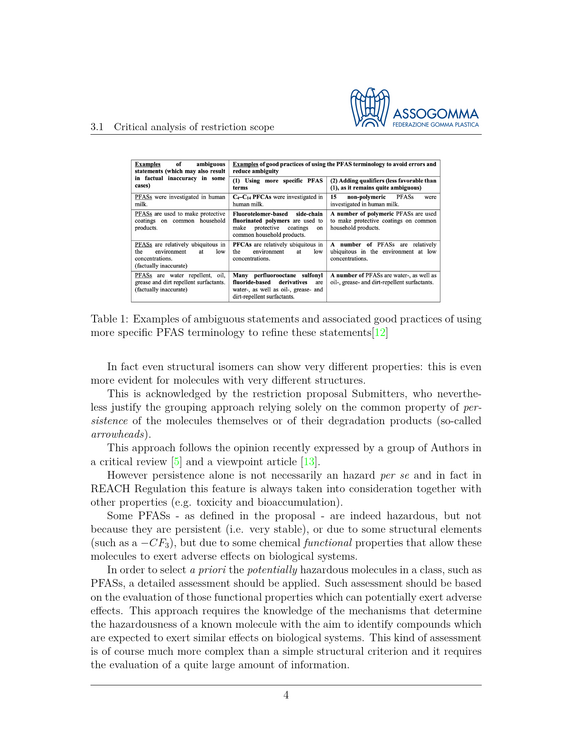
Assogomma comments on the Annex XV Dossier of the universal PFAS restriction proposal September, 6th 2023 1 1.
refid# O2GXGeBQwdBzBv2o8vVoNZpL35 pages
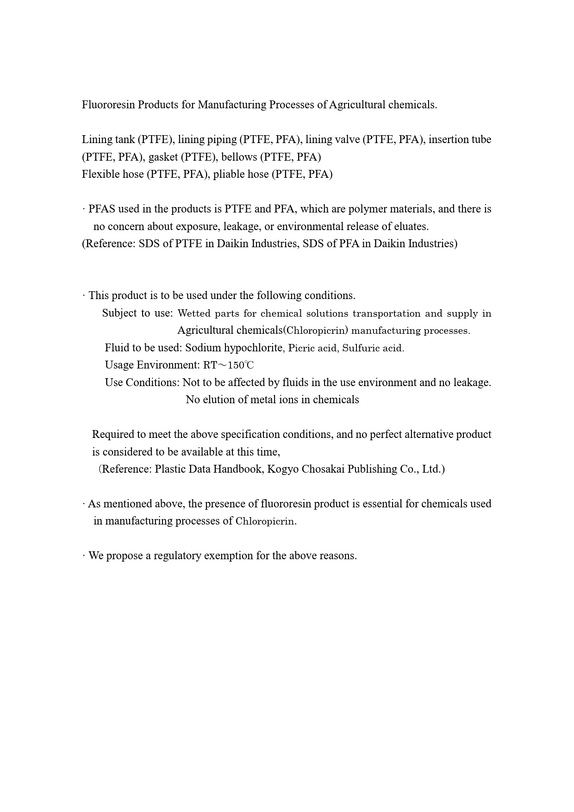
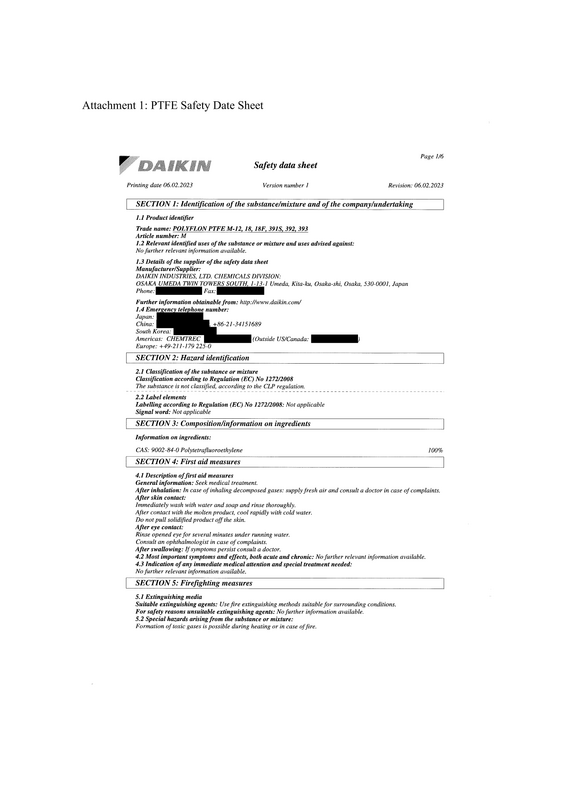
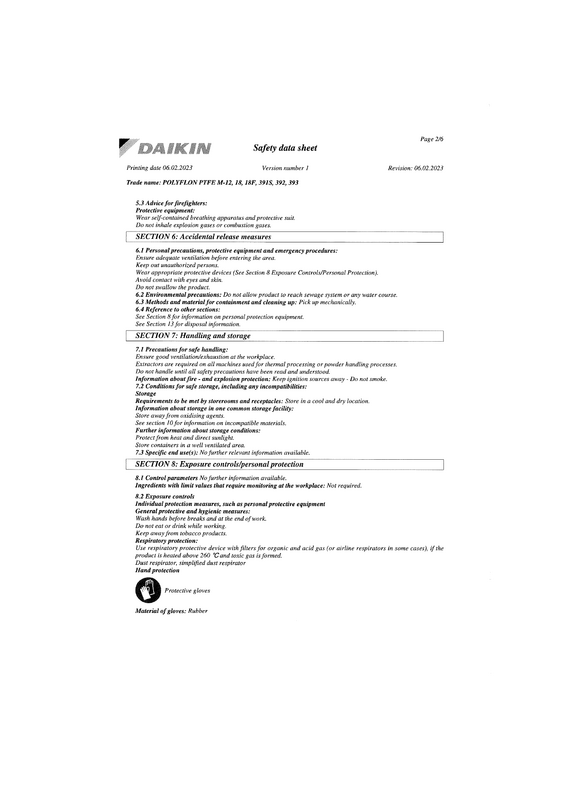
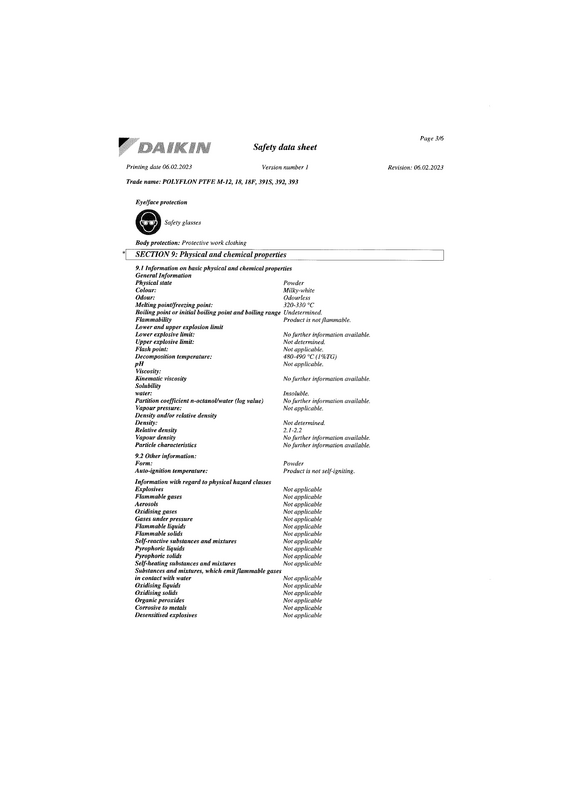
Fluororesin Products for Manufacturing Processes of Agricultural chemicals.
refid# rKdoZ0k34KRpNykvmeJk42Lr23 pages
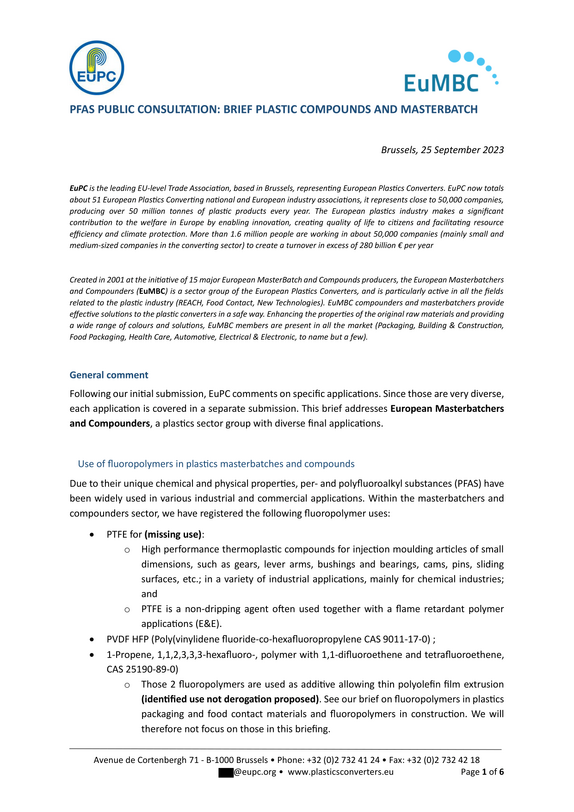
EuMBC PFAS PUBLIC CONSULTATION: BRIEF PLASTIC COMPOUNDS AND MASTERBATCH Brussels, 25 September 2023 EuPC is the leading EU-level Trade Association, based in Brussels, representing European Plastics Converters.
refid# xR8dOXjGpOp34RvXw2ZyEJbE6 pages
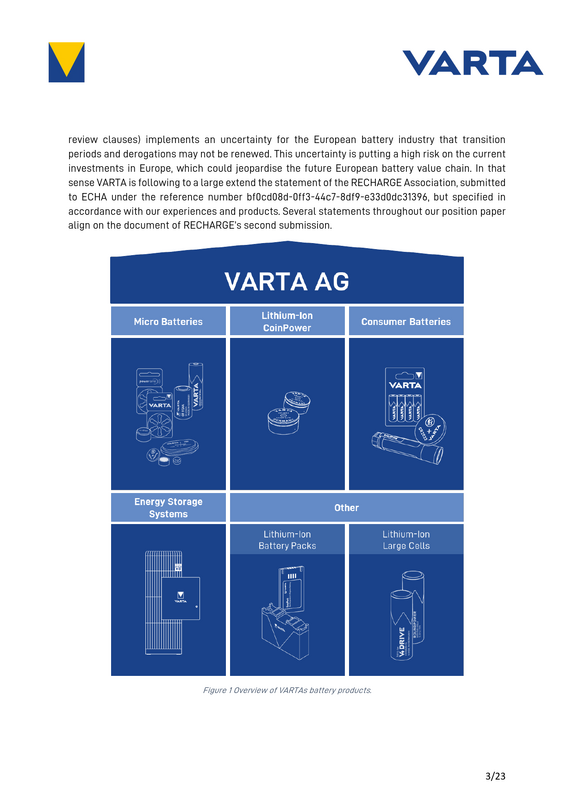
VARTA's position on the ECHA PFAS Restriction Consultation VARTA AG produces and markets a comprehensive battery portfolio ranging from micro batteries, household batteries, energy storage systems to customised battery solutions for a variety of applications and sets the industry standards as a technology leader in key areas.
refid# kKBxgXNK8anrJzdOXvoXrNnV23 pages
that there is an adequate commercial supply for all of DoD, contract for and schedule the change-out of the PFAS- free solution over all of DoDs facilities and equipment, and contract for the proper disposal of AFFF.
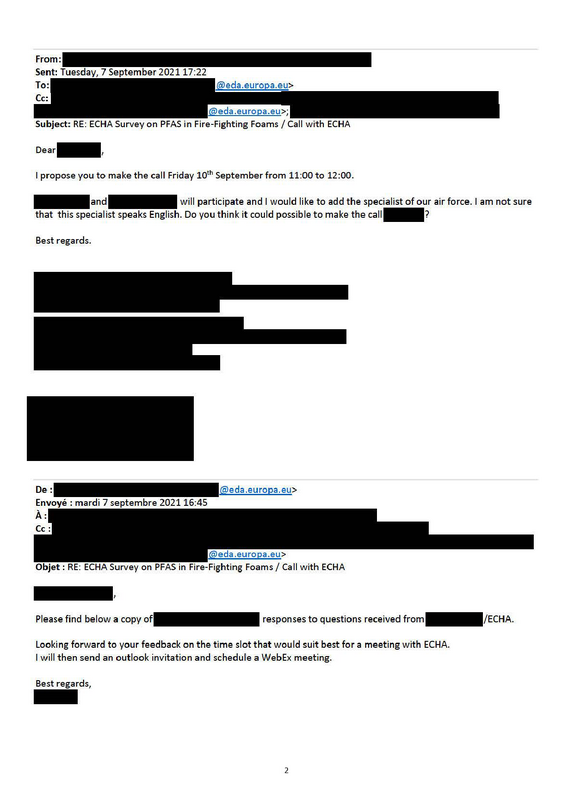
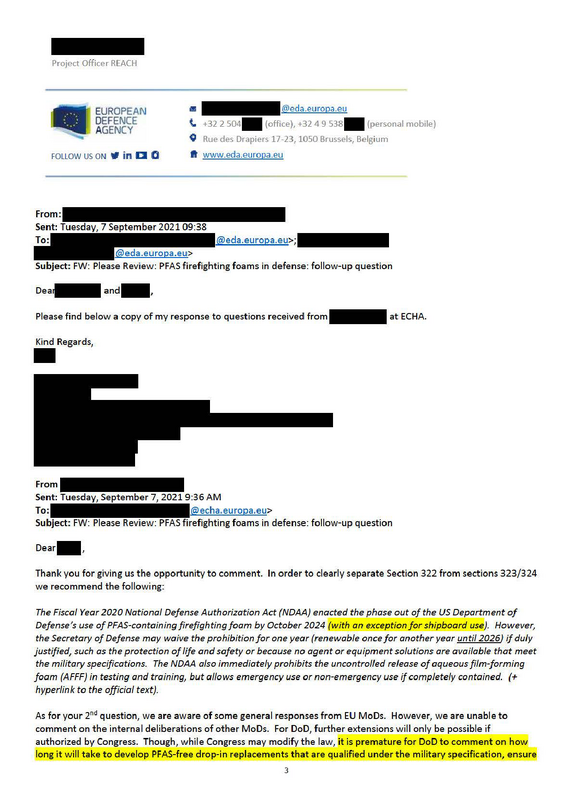
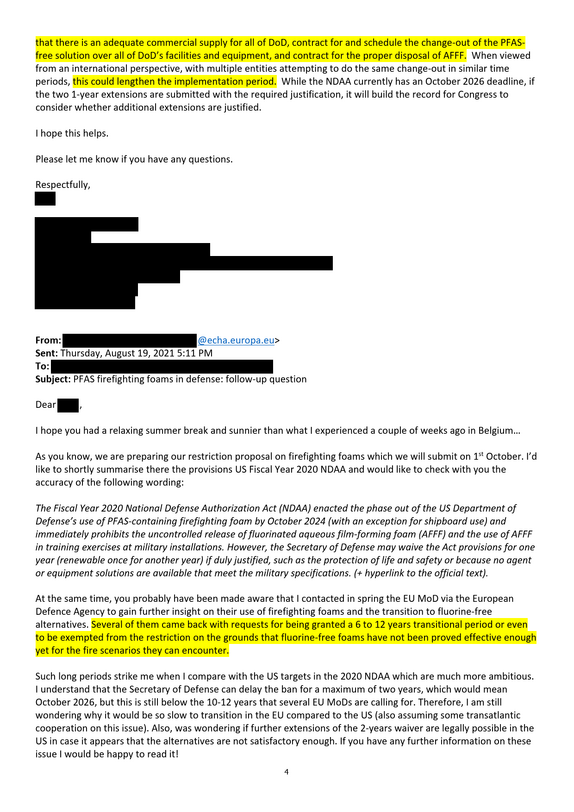
refid# g2NVaxNGR9knaZOGG59yqdreL17 pages
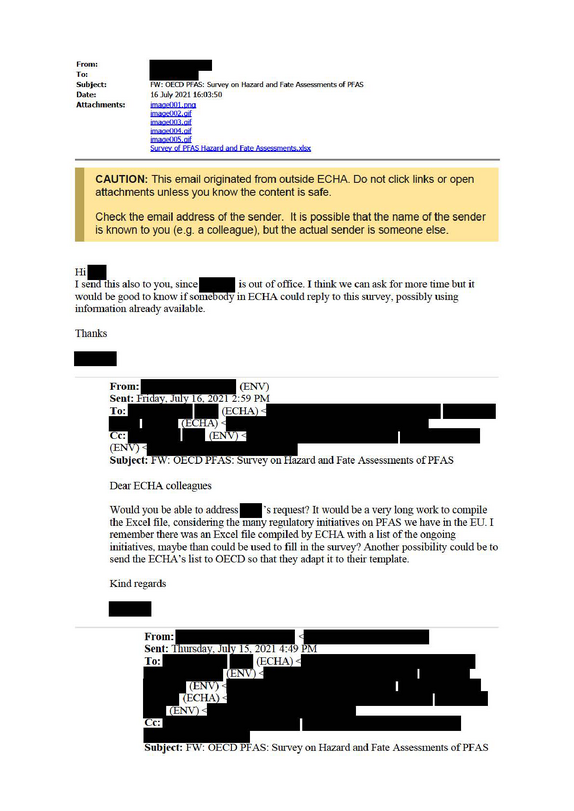
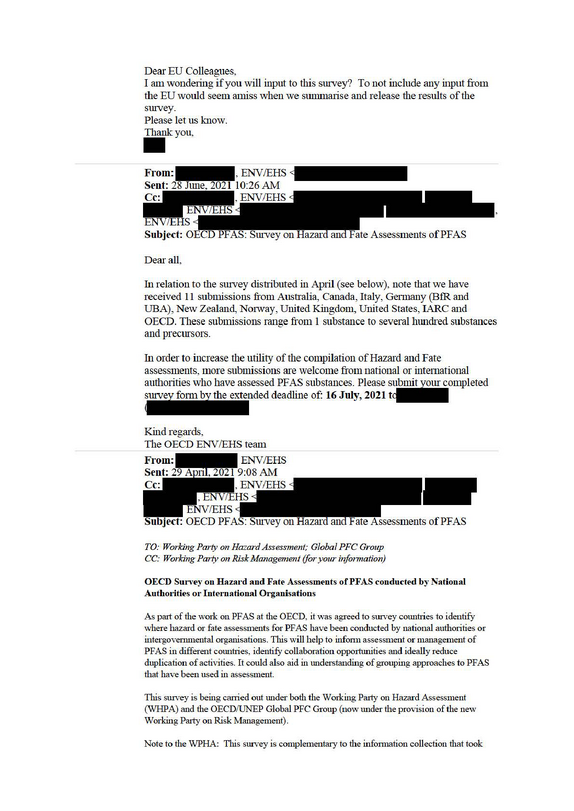
place on national activities for grouping of PFAS that has been carried out in the context of the WPHA.
refid# vV1ZZ8DqKwY77R8eVxZbv093Z3 pages
refid# 6B6obm6DQkOKgmmdkm9MB1xvE2 pages
What we knew at the start Microplastics: Typically refer to solid particles (including fibres) made from synthetic polymers < 5mm in size Secondary MPs formed as larger pieces of `plastic' degrade/abrade Litter (SUPs, fishing gear, bottles, nurdles), synthetic clothing, tyre abrasion Primary MPs in various types of products added for achieving specific functionalities Beads, encapsulates, flakes, powders, crumbs 2 Sector-specific impact assessment Quantities and emissions in scope Alternatives and costs to develop them Other costs (e.g. foreseeable profit losses) Cost/effectiveness ratios (comparing substitution cost vs emissions) Sectors very diverse in terms of substitutability Different restriction proposals for sectors (ban, conditional derogations, mandatory instructions, mandatory reporting, grace periods) 5 Overall proportionality argumentation Use volumes and emissions in scope Effectiveness of emission abatement Marginal abatement cost curve Theoretical considerations 8 Marginal abatement cost curve 10 Further theoretical arguments Option value theory `first act, then learn' rather than `first learn, then act' Builds on the justified assumption that emissions are irreversible we will learn a great deal more about the harmfulness of MPs in the environment in the near term future Option value is net value resulting from the avoidance of irreversible emissions conditional on learning about the actual harmfulness of MPs 11 Conclusions Clear definition of MPs has helped us Early identification of sectors/uses has helped us Providing an analysis of restricting infill material during opinion making was tedious Focus on C/E has made impact assessment comparable across uses Benefits hard to quantify, discussed qualitatively Good to have theoretical arguments that underpin proposed actions but did not get a lot of attention 12
refid# b5dO3w3dKE1gaEjL8nn9n98Mk13 pages
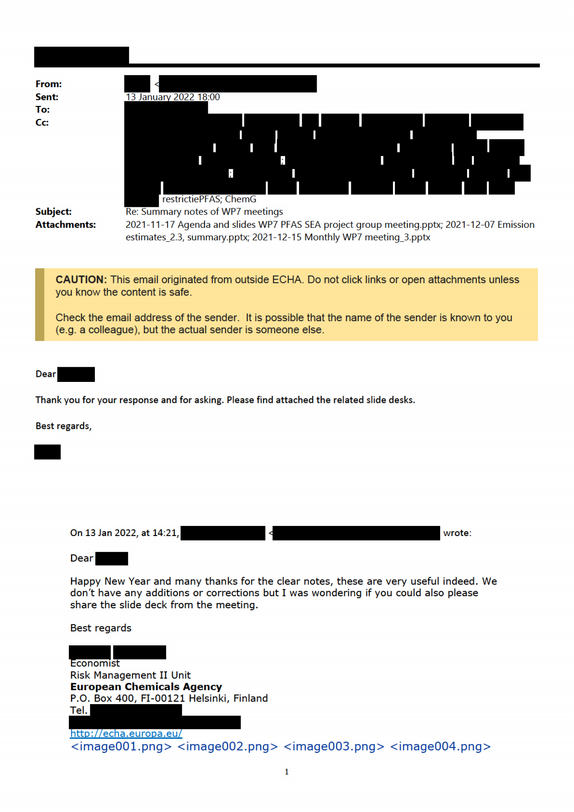
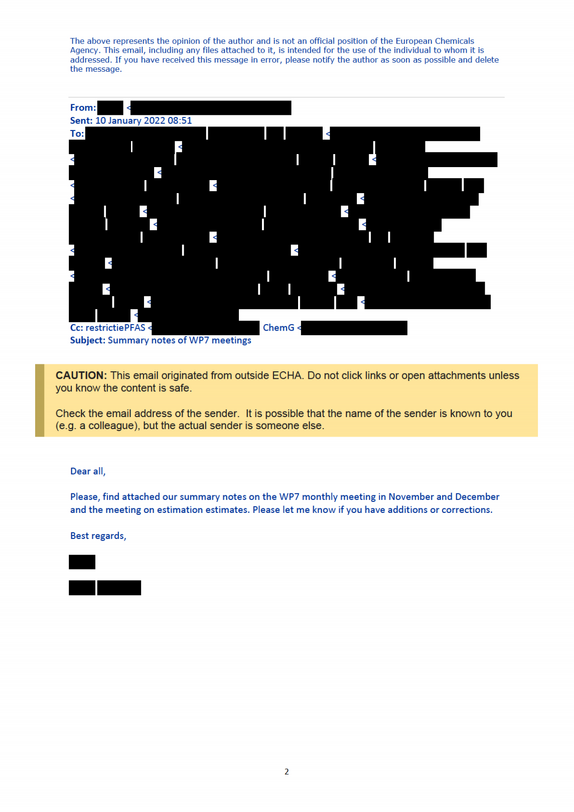
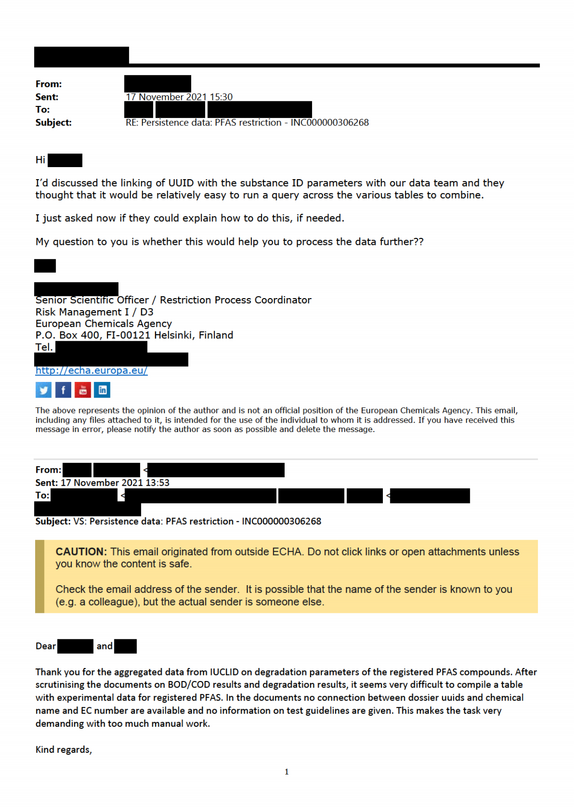
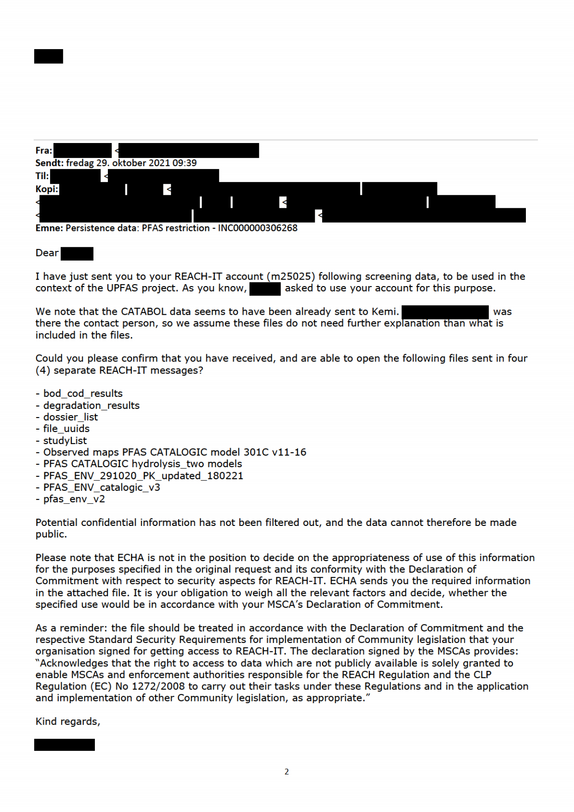
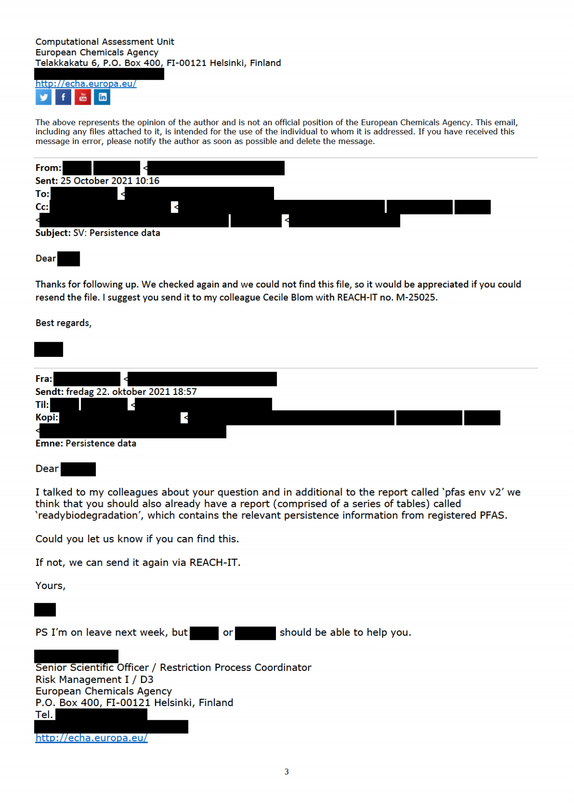
The above represents the opinion of the author and is not an official position of the European Chemicals Agency.

refid# 93kZLLpMvgw9VnGrKLMz1n8Yp4 pages
refid# 6weB7pN20ZdDj0kNzVRzZqLNd1 page