Refine
Estimated Years UndatedClear
1,187 results foundRefine Search
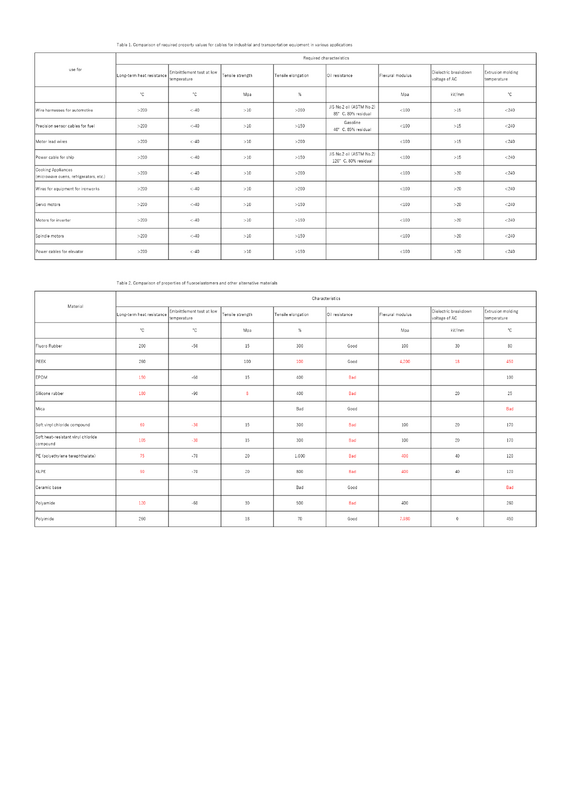
use for Table 1, Comparison of required property values for cables for industrial and transportation equipment in various applications Required characteristics Embrittlement test at low Long-term heat resistance temperature Tensile strength Tensile elongation Oil resistance Flexural modulus Wire harnesses for automotive Precision sensor cables for fuel Motor lead wires Power cable for ship Cooking Appliances (microwave ovens, refrigerators, etc.)
refid# BRmJOR843wZj1p0YkN2pZJVLm1 page
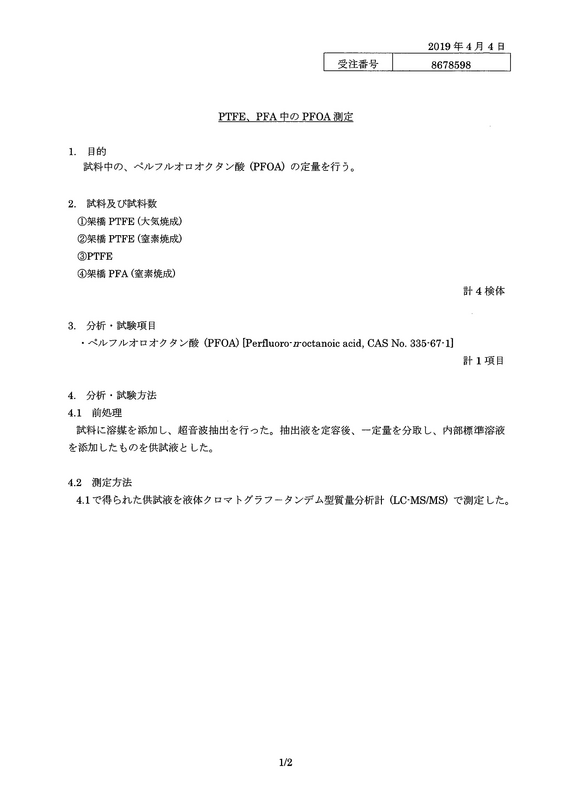
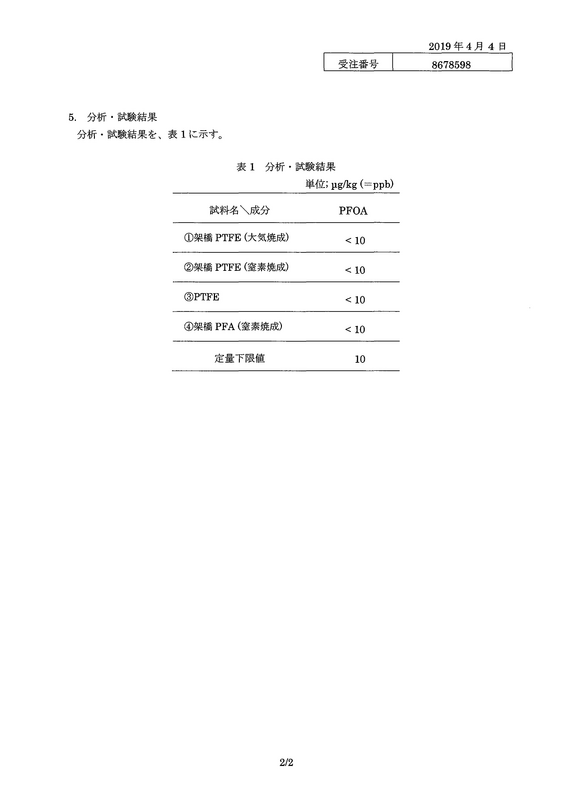
ERELT7 7A RY v~--trkett #HP 201944848 Sen BARMERFA-- FHEIKF PY -- T299-0266 FHI TEN 9 Fie 1 S~FT RBREHeE PTFE.
refid# jVBxDnNXekqdx0DQ39MQ70XN3 pages
JAF [Q] [A] FR4WD EVPHV FR4WD MTAT ATF FF FFFR4WD 2 ATF EVPHV JAF FF4WD MTATAT MT 201302 LINE Q&A JAFFacebook JAFTwitter Cookie 105-0012 1-1-30 2023 All rights reserved.

refid# 5b1bxROx6zKbj4Xo8R89wN3JV3 pages
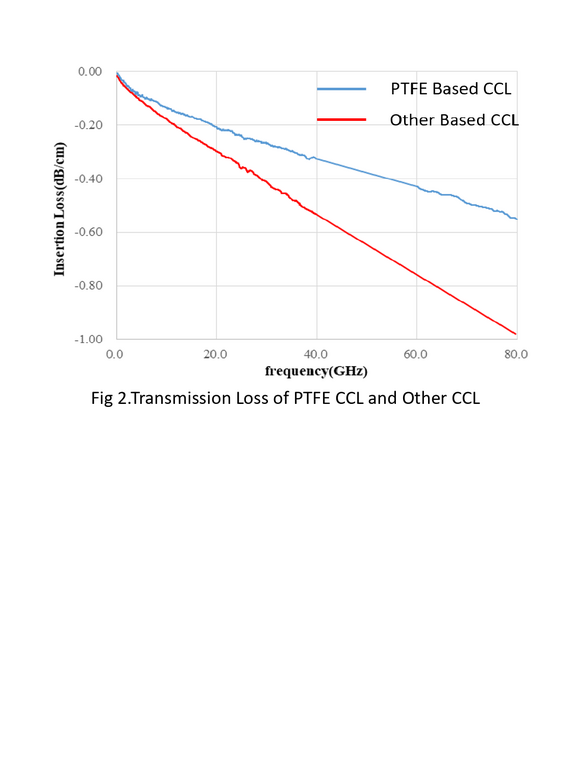
0.00 PTFE Based CCL -0.20 Other Based CCL Insertion Loss(dB/cm) -0A0 -0.60 -0.80 -1.00 0.0 20.0 40.0 60.0 frequency(GHz) SO 0 Fig 2.Transmission Loss of PTFE CCL and Other CCL
refid# jmGebM5O18VbKvMmeLa4V08Ek1 page
EN GREBLON INS SolGel GREBLON INS SolGel 100 is a ceramic coating that primarily excels with its hard surface and excellent abrasion resistance.


refid# Kj2qBLr8Lj9ymmVOzonzMdy22 pages
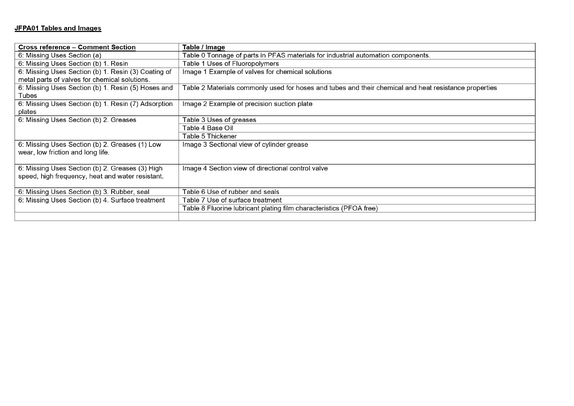
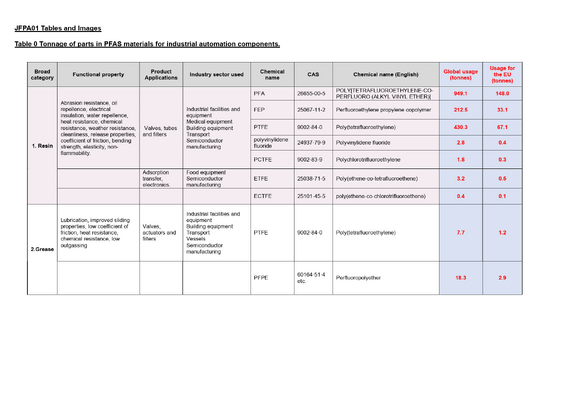
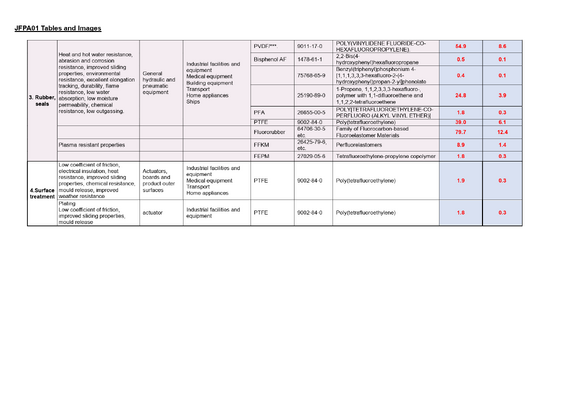
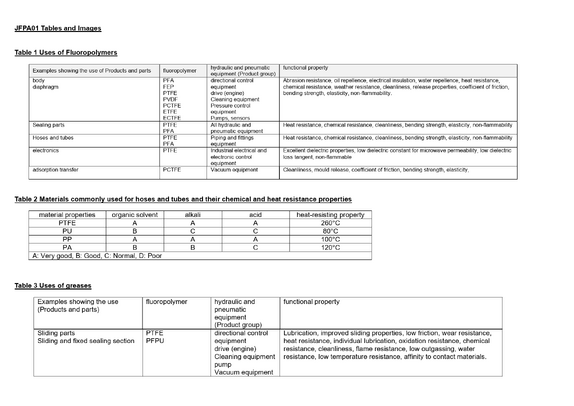
JFPA01 Tables and Images Cross reference - Comment Section 6: Missing Uses Section (a) 6: Missing Uses Section (b) 1.
refid# e15vo1qE5bDk6bKQw8Mxv1Kmq10 pages
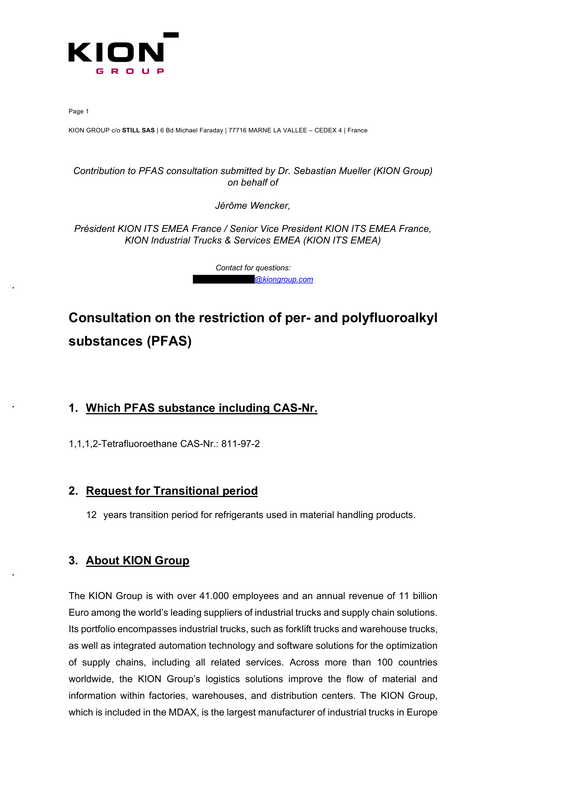
KION GROUP Page 1 KION GROUP do STILL SAS 16 Bd Michael Faraday I 77716 MARNE LA VALLEE -- CEDEX 4 I France Contribution to PFAS consultation submitted by Dr.
refid# dQJgJGgJYXD7BgY03G5nYmMy57 pages
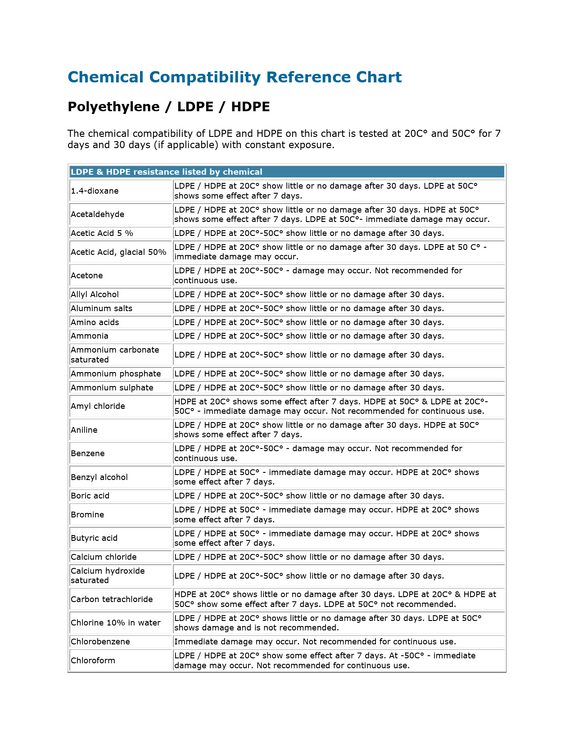
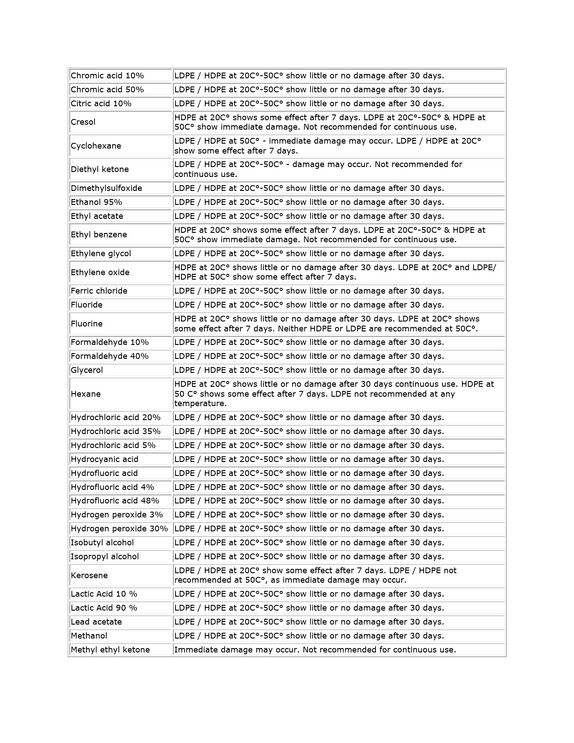
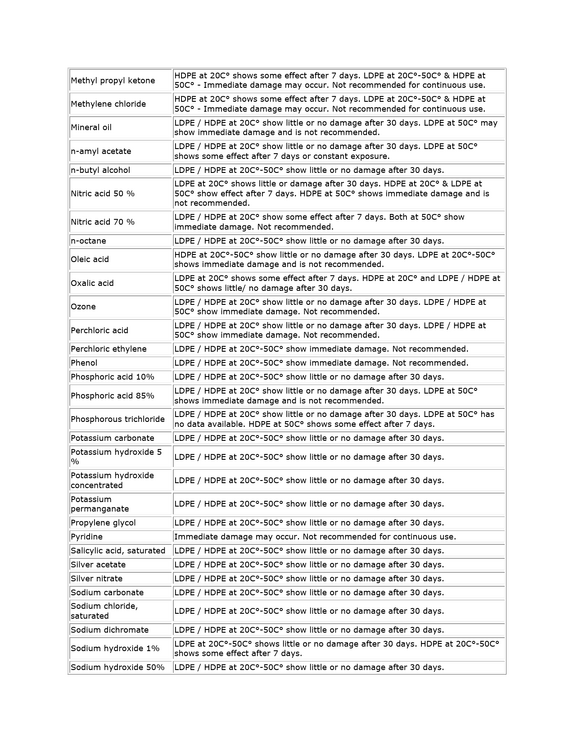
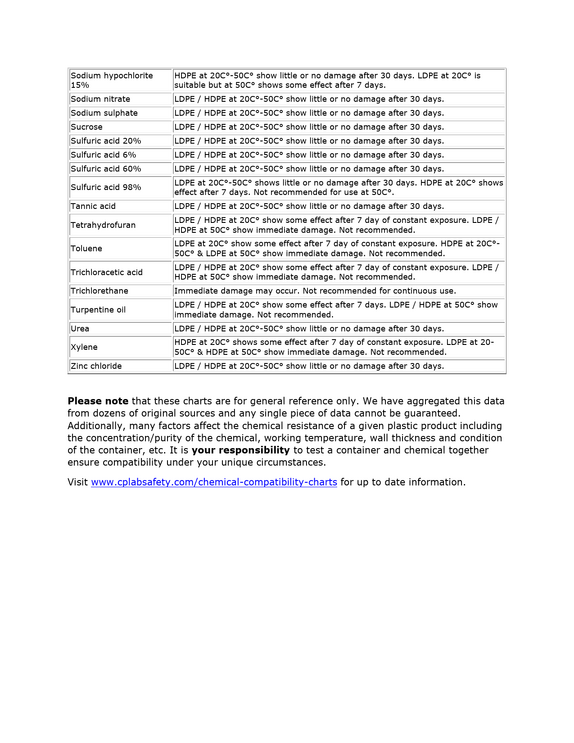
Chemical Compatibility Reference Chart Polyethylene / LDPE / HDPE The chemical compatibility of LDPE and HDPE on this chart is tested at 20C and 50C for 7 days and 30 days (if applicable) with constant exposure.
refid# EyZekeGELjnK8kyeaoJxygDL4 pages
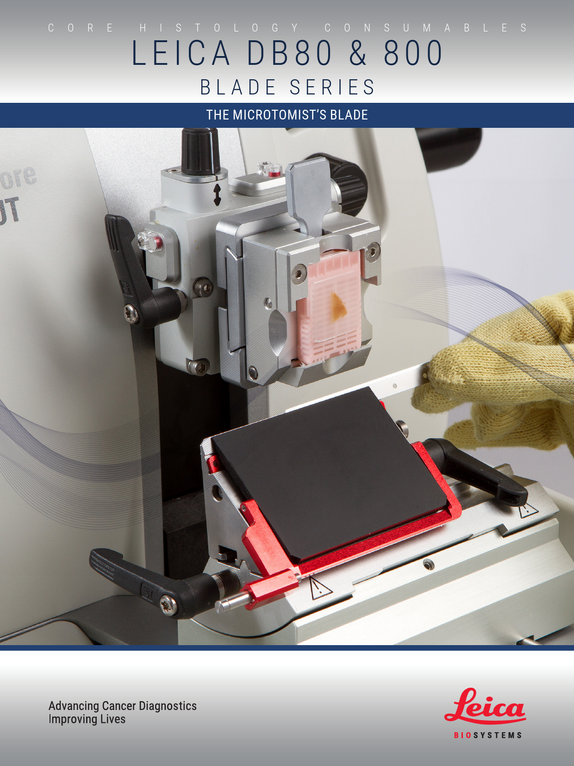
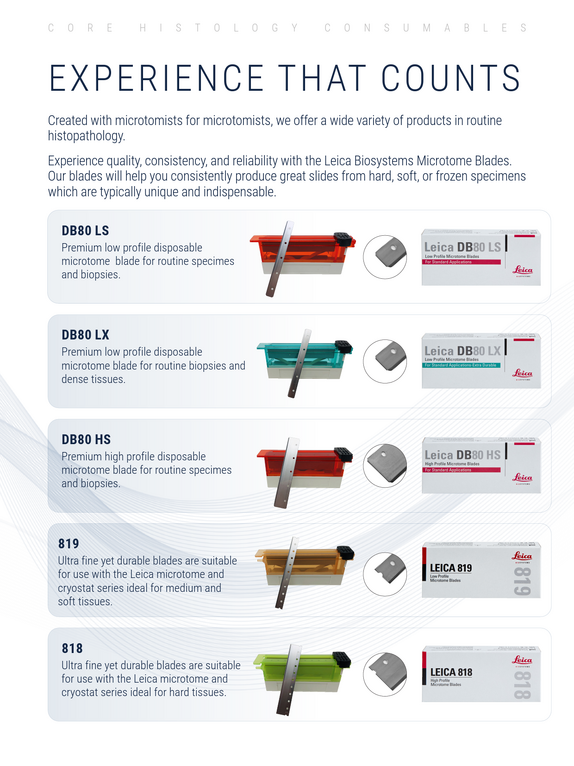
CORE HISTOLOGY CONSUMABLES LEICA DB80 & 800 BLADE SERIES THE MICROTOMIST'S BLADE CORE HISTOLOGY CONSUMABLES EXPERIENCE THAT COUNTS Created with microtomists for microtomists, we offer a wide variety of products in routine histopathology.


refid# zQy4EvEYvDjonQEQoJ8Lp0QEg4 pages

refid# 93eVdRMGnoqg9bm2xGyZVbbwq1 page
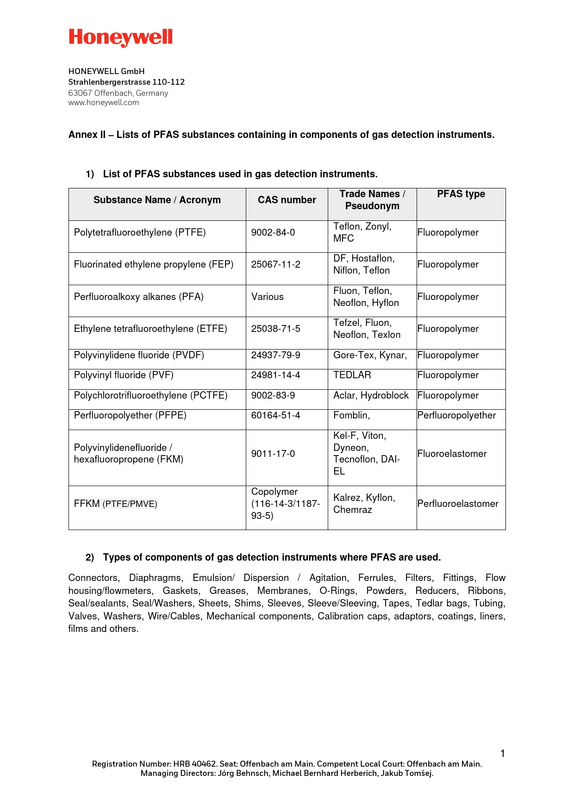
HONEYWELL GmbH Strahlenbergerstrasse 110-112 63067 Offenbach, Germany www.honeywell.com Annex II - Lists of PFAS substances containing in components of gas detection instruments. 1) List of PFAS substances used in gas detection instruments.
refid# B5nyX0xz6G4Gxr77XBV1eqvmJ1 page
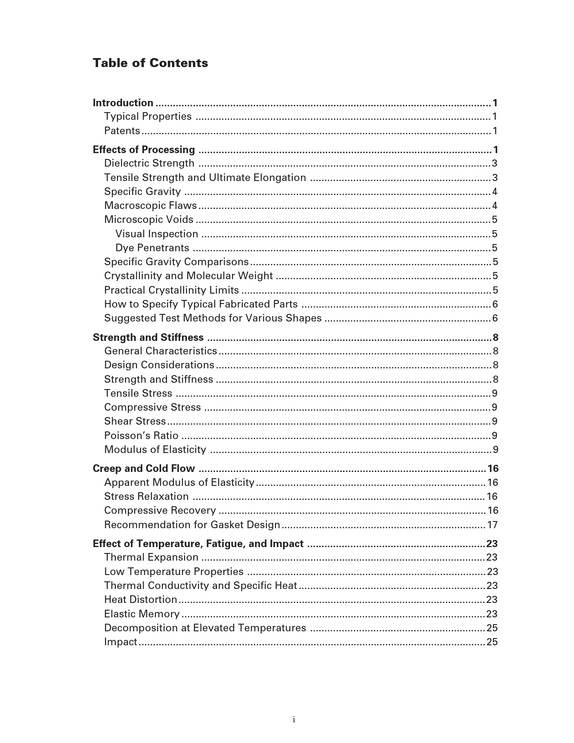
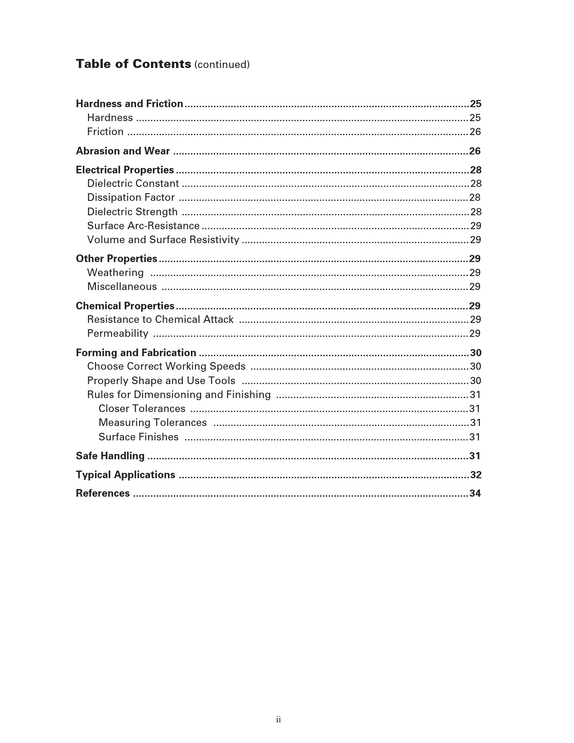
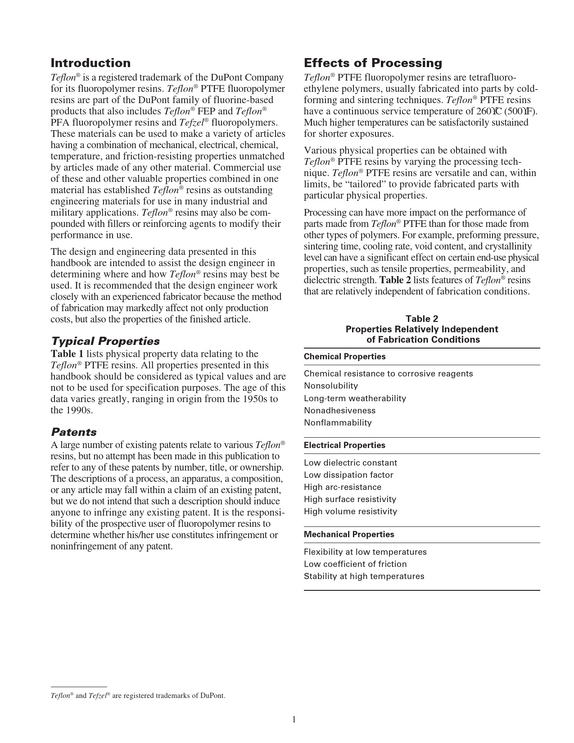
f Teflon PTFE fluoropolymer resin Properties Handbook Table of Contents Introduction .....................................................................................................................1 Typical Properties .......................................................................................................1 Patents ..........................................................................................................................1 Effects of Processing ......................................................................................................1 Dielectric Strength ......................................................................................................3 Tensile Strength and Ultimate Elongation ...............................................................3 Specific Gravity ...........................................................................................................4 Macroscopic Flaws ......................................................................................................4 Microscopic Voids .......................................................................................................5 Visual Inspection .....................................................................................................5 Dye Penetrants ........................................................................................................5 Specific Gravity Comparisons ....................................................................................5 Crystallinity and Molecular Weight ...........................................................................5 Practical Crystallinity Limits .......................................................................................5 How to Specify Typical Fabricated Parts ..................................................................6 Suggested Test Methods for Various Shapes ..........................................................6 Strength and Stiffness ...................................................................................................8 General Characteristics ...............................................................................................8 Design Considerations ................................................................................................8 Strength and Stiffness ................................................................................................8 Tensile Stress ..............................................................................................................9 Compressive Stress ....................................................................................................9 Shear Stress.................................................................................................................9 Poisson's Ratio ............................................................................................................9 Modulus of Elasticity ..................................................................................................9 Creep and Cold Flow ....................................................................................................16 Apparent Modulus of Elasticity ................................................................................16 Stress Relaxation ......................................................................................................16 Compressive Recovery .............................................................................................16 Recommendation for Gasket Design .......................................................................17 Effect of Temperature, Fatigue, and Impact ..............................................................23 Thermal Expansion ...................................................................................................23 Low Temperature Properties ...................................................................................23 Thermal Conductivity and Specific Heat .................................................................23 Heat Distortion...........................................................................................................23 Elastic Memory ..........................................................................................................23 Decomposition at Elevated Temperatures .............................................................25 Impact .........................................................................................................................25 i Table of Contents (continued) Hardness and Friction ...................................................................................................25 Hardness ....................................................................................................................25 Friction ....................................................................................................................... 26 Abrasion and Wear .......................................................................................................26 Electrical Properties ......................................................................................................28 Dielectric Constant ....................................................................................................28 Dissipation Factor .....................................................................................................28 Dielectric Strength ....................................................................................................28 Surface Arc-Resistance .............................................................................................29 Volume and Surface Resistivity ...............................................................................29 Other Properties ............................................................................................................29 Weathering ...............................................................................................................29 Miscellaneous ...........................................................................................................29 Chemical Properties ......................................................................................................29 Resistance to Chemical Attack ................................................................................29 Permeability ..............................................................................................................29 Forming and Fabrication ..............................................................................................30 Choose Correct Working Speeds ............................................................................30 Properly Shape and Use Tools ...............................................................................30 Rules for Dimensioning and Finishing ...................................................................31 Closer Tolerances .................................................................................................31 Measuring Tolerances .........................................................................................31 Surface Finishes ...................................................................................................31 Safe Handling ................................................................................................................31 Typical Applications .....................................................................................................32 References ..................................................................................................................... 34 ii Introduction Teflon is a registered trademark of the DuPont Company for its fluoropolymer resins.

refid# K6RD4NNj8dVar4pb7aORgak4X38 pages
Submitter : ICL Europe BV.
refid# 99Zxq4YgmzLQrYdpq6Ld5JywD6 pages
Please find attached the slides presented and discussed today.


refid# wqXVx1pLmDBrJ6qj7MpQEbzgE2 pages
What we knew at the start Microplastics: Typically refer to solid particles (including fibres) made from synthetic polymers < 5mm in size Secondary MPs formed as larger pieces of `plastic' degrade/abrade Litter (SUPs, fishing gear, bottles, nurdles), synthetic clothing, tyre abrasion Primary MPs in various types of products added for achieving specific functionalities Beads, encapsulates, flakes, powders, crumbs 2 Sector-specific impact assessment Quantities and emissions in scope Alternatives and costs to develop them Other costs (e.g. foreseeable profit losses) Cost/effectiveness ratios (comparing substitution cost vs emissions) Sectors very diverse in terms of substitutability Different restriction proposals for sectors (ban, conditional derogations, mandatory instructions, mandatory reporting, grace periods) 5 Overall proportionality argumentation Use volumes and emissions in scope Effectiveness of emission abatement Marginal abatement cost curve Theoretical considerations 8 Marginal abatement cost curve 10 Further theoretical arguments Option value theory `first act, then learn' rather than `first learn, then act' Builds on the justified assumption that emissions are irreversible we will learn a great deal more about the harmfulness of MPs in the environment in the near term future Option value is net value resulting from the avoidance of irreversible emissions conditional on learning about the actual harmfulness of MPs 11 Conclusions Clear definition of MPs has helped us Early identification of sectors/uses has helped us Providing an analysis of restricting infill material during opinion making was tedious Focus on C/E has made impact assessment comparable across uses Benefits hard to quantify, discussed qualitatively Good to have theoretical arguments that underpin proposed actions but did not get a lot of attention 12

refid# b5dO3w3dKE1gaEjL8nn9n98Mk13 pages