Refine
Estimated Years 2000-2009Clear
95 results foundRefine Search
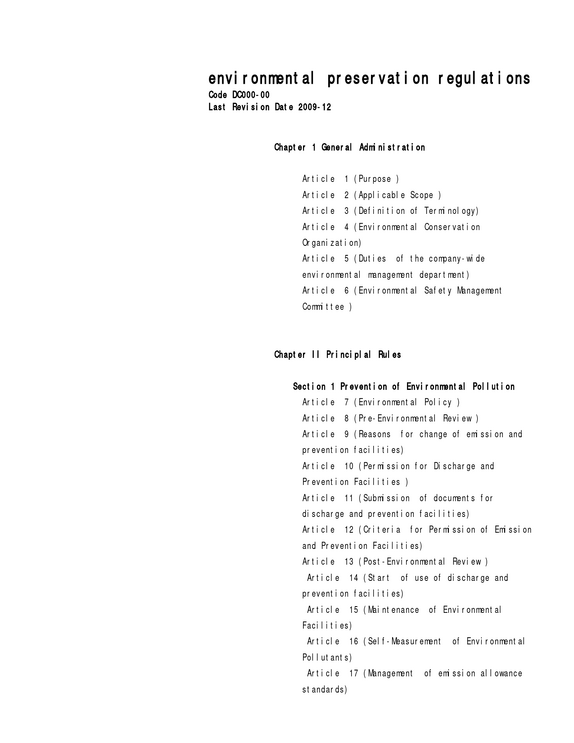
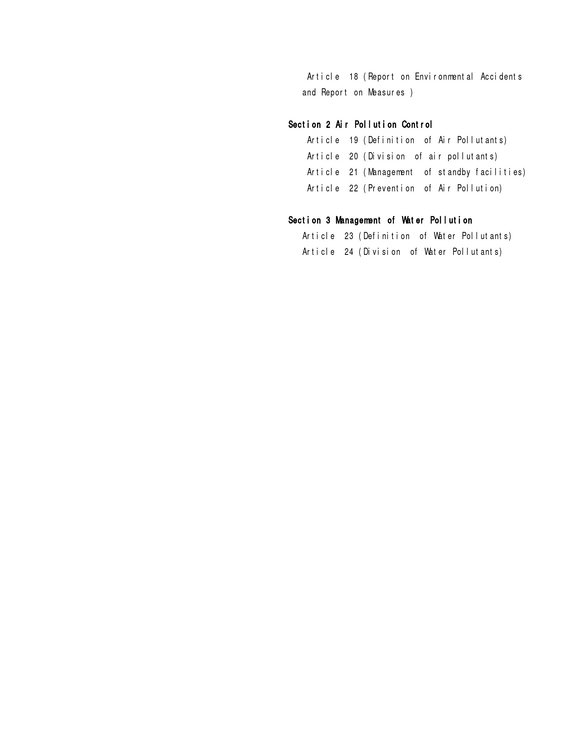
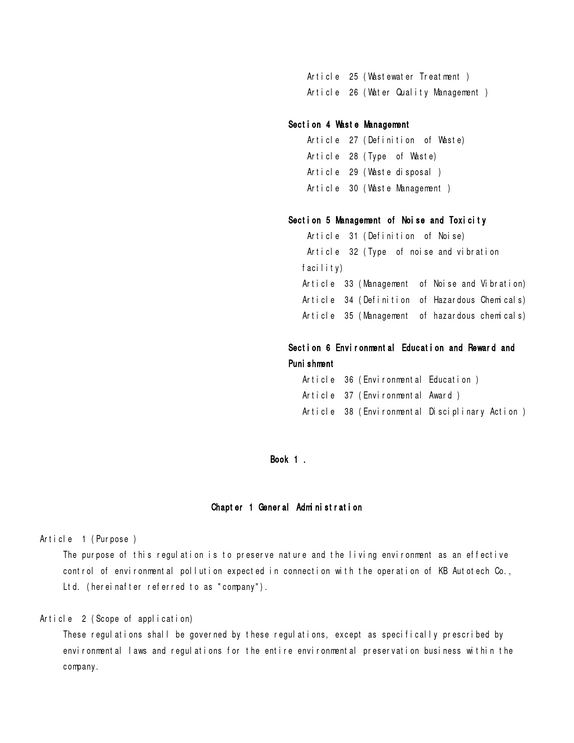
environmental preservation regulations Code DC000-00 Last Revision Date 2009-12 Chapter 1 General Administration Article 1 (Purpose ) Article 2 (Applicable Scope ) Article 3 (Definition of Terminology) Article 4 (Environmental Conservation Organization) Article 5 (Duties of the company-wide environmental management department) Article 6 (Environmental Safety Management Committee ) Chapter II Principlal Rules Section 1 Prevention of Environmental Pollution Article 7 (Environmental Policy ) Article 8 (Pre-Environmental Review ) Article 9 (Reasons for change of emission and prevention facilities) Article 10 (Permission for Discharge and Prevention Facilities ) Article 11 (Submission of documents for discharge and prevention facilities) Article 12 (Criteria for Permission of Emission and Prevention Facilities) Article 13 (Post-Environmental Review ) Article 14 (Start of use of discharge and prevention facilities) Article 15 (Maintenance of Environmental Facilities) Article 16 (Self-Measurement of Environmental Pollutants) Article 17 (Management of emission allowance standards) Article 18 (Report on Environmental Accidents and Report on Measures ) Section 2 Air Pollution Control Article 19 (Definition of Air Pollutants) Article 20 (Division of air pollutants) Article 21 (Management of standby facilities) Article 22 (Prevention of Air Pollution) Section 3 Management of Water Pollution Article 23 (Definition of Water Pollutants) Article 24 (Division of Water Pollutants) Article 25 (Wastewater Treatment ) Article 26 (Water Quality Management ) Section 4 Waste Management Article 27 (Definition of Waste) Article 28 (Type of Waste) Article 29 (Waste disposal ) Article 30 (Waste Management ) Section 5 Management of Noise and Toxicity Article 31 (Definition of Noise) Article 32 (Type of noise and vibration facility) Article 33 (Management of Noise and Vibration) Article 34 (Definition of Hazardous Chemicals) Article 35 (Management of hazardous chemicals) Section 6 Environmental Education and Reward and Punishment Article 36 (Environmental Education ) Article 37 (Environmental Award ) Article 38 (Environmental Disciplinary Action ) Book 1 .

refid# K65LZQrv02Dmr2GKQdGxb0pD212 pages
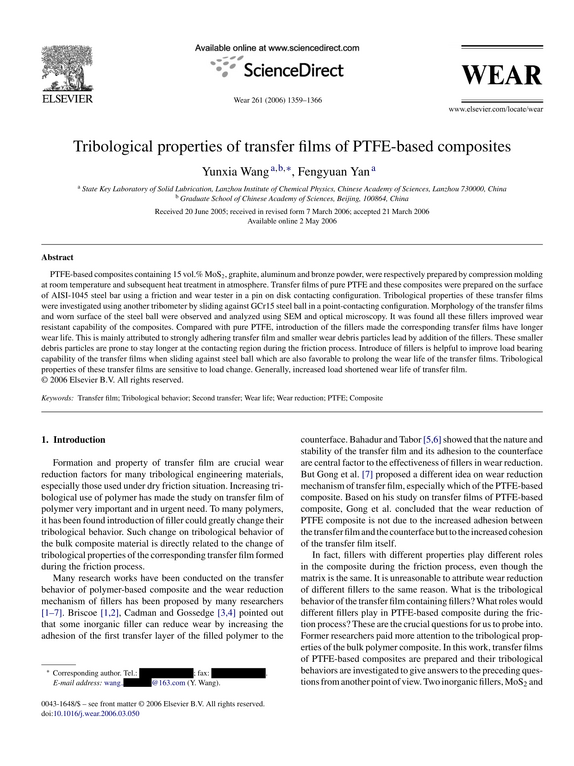
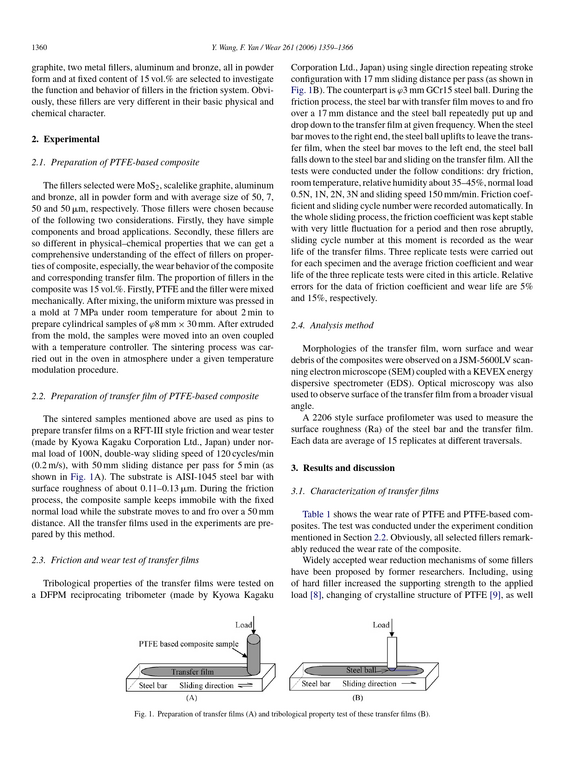
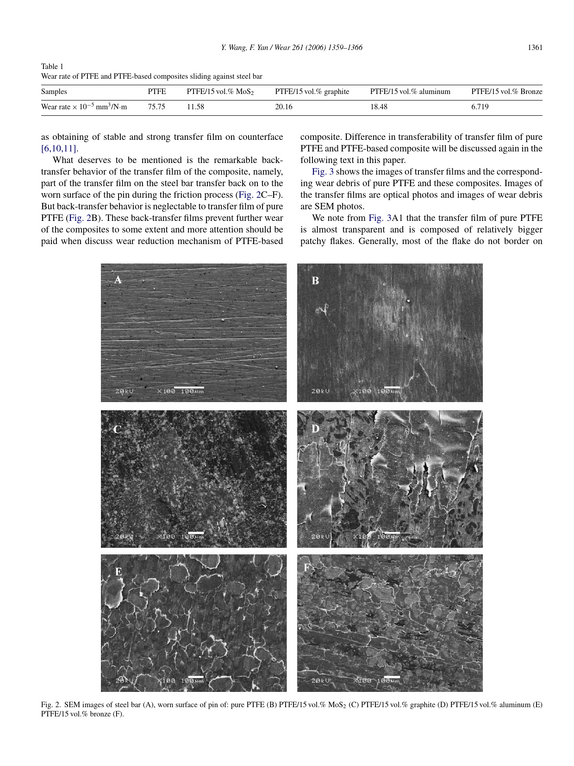
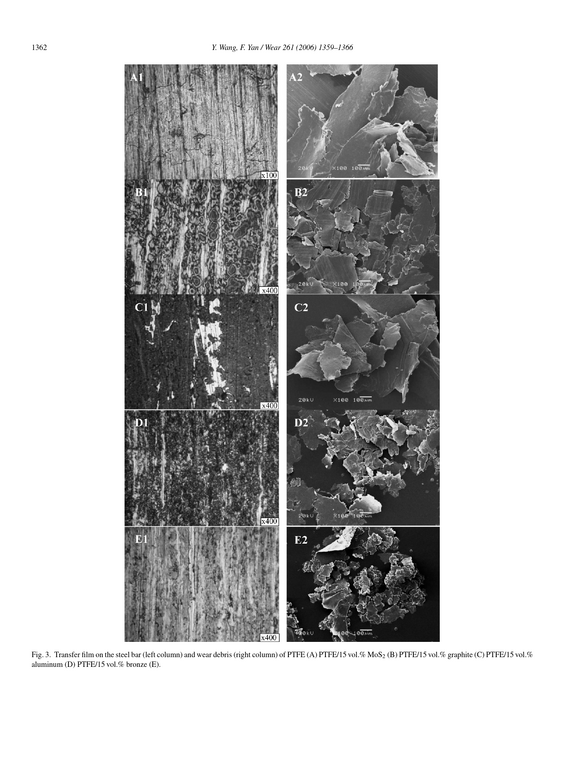
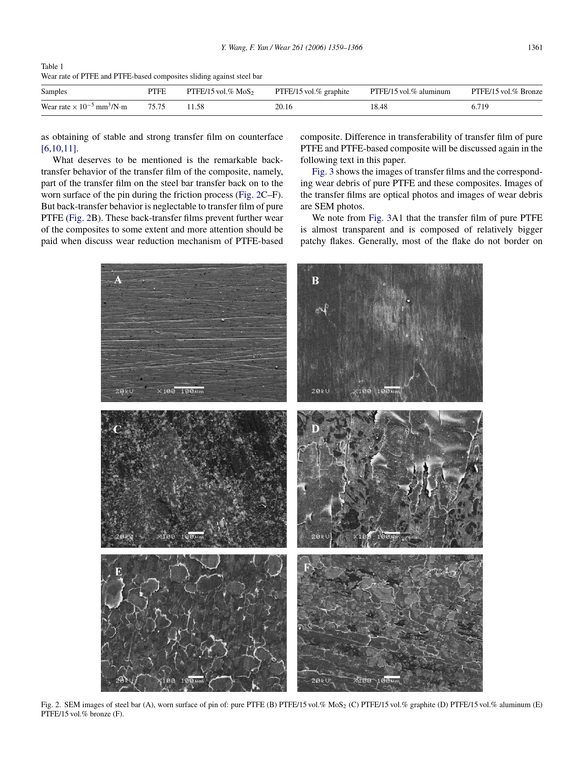
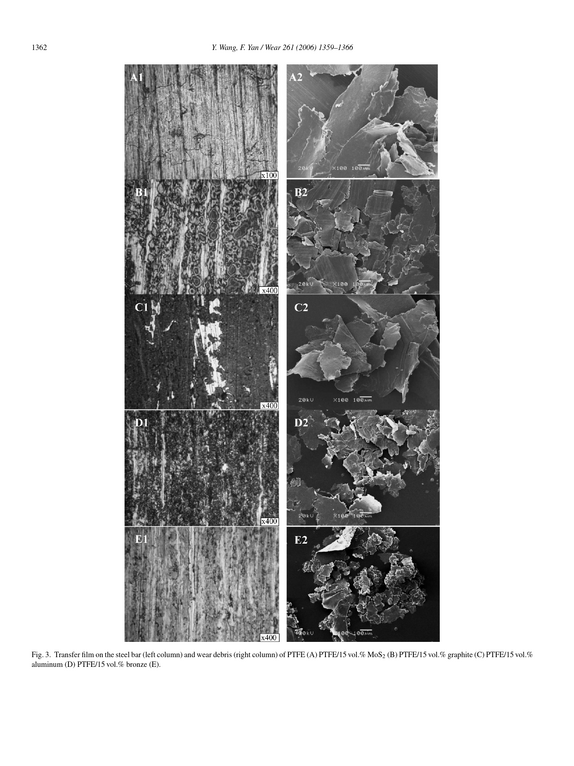
ELSEVIER Available online at www.scienced irect.com ScienceDirect Wear 261 (2006) 1359-1366 WEAR www.elsevier.com/locate/wear Tribological properties of transfer films of PTFE-based composites Yunxia Wang a' b'*, Fengyuan Yan a a State Key Laboratory of Solid Lubrication, Lanzhou Institute of Chemical Physics, Chinese Academy of Sciences, Lanzhou 730000, China b Graduate School of Chinese Academy of Sciences, Beijing, 100864, China Received 20 June 2005; received in revised form 7 March 2006; accepted 21 March 2006 Available online 2 May 2006 Abstract PTFE-based composites containing 15 vol.% MoS2, graphite, aluminum and bronze powder, were respectively prepared by compression molding at room temperature and subsequent heat treatment in atmosphere.
refid# 96y4rQx38DampNZ8KnwEXKBR8 pages
Perfluoropolyether (PFPE) Section I: Personal Information Section II: Zhejiang Chuangfu High Tech New Materials Co., Ltd Section III: General Information Perfluoropolyether (PFPE) is widely used in the fields of chemical, electronic, electrical, mechanical, nuclear engineering, and aerospace due to its high temperature resistance, oxidation resistance, radiation resistance, corrosion resistance and chemical inertness.
refid# QJvOyraJpe9bgbGNBrLm9onZv3 pages
9.5.2003 EN Official Journal of the European Union I (Acts whose publication is obligatory) L 115/1 REGULATION (EC) No 782/2003 OF THE EUROPEAN PARLIAMENT AND OF THE COUNCIL of 14 April 2003 on the prohibition of organotin compounds on ships THE EUROPEAN PARLIAMENT AND THE COUNCIL OF THE EUROPEAN UNION, Having regard to the Treaty establishing the European Community, and in particular Article 80(2) thereof, Having regard to the proposal from the Commission (1), Having regard to the opinion of the European Economic and Social Committee (2), Having consulted the Committee of the Regions, Acting in accordance with the procedure laid down in Article 251 of the Treaty (3), Whereas: (1) The Community is seriously concerned by the harmful environmental effects of organotin compounds used as anti-fouling systems on ships, and in particular of tributyltin (TBT) coatings. (2) An International Convention on the control of harmful anti-fouling systems on ships (AFS-Convention) was adopted on 5 October 2001 at a Diplomatic Conference (AFS-Conference) held under the aegis of the International Maritime Organisation (IMO) with the attendance of Member States of the Community. (3) The AFS-Convention is a framework convention allowing the prohibition of harmful anti-fouling systems used on ships in accordance with well-defined procedures and having due regard to the precautionary principle expressed in the Rio Declaration on Environment and Development. (4) The AFS-Convention, at this stage, only prohibits the application of organotin compounds on ships. (5) Fixed application dates have been included in the AFSConvention: 1 January 2003 for the prohibition of the application of organotin compounds on ships and 1 January 2008 for the elimination of the presence of organotin compounds on ships. (1) OJ C 262 E, 29.10.2002, p. 492. (2) Opinion delivered on 11 December 2002 (not yet published in the Official Journal). (3) Opinion of the European Parliament of 20 November 2002 (not yet published in the Official Journal) and Decision of the Council of 17 March 2003
refid# byDb5O6NQaNdJ4wqb8w6Dn06011 pages
Check for updates Best Practices in Monitoring CO2 at Krechba Field-Algeria AGI CO2 Tracer Gases Detection Technique Faycal Zeboudji'2(12I) and Lakhdar Bahi2 1 SNR Reservoir Engineer Sonatrach, Algerian National Oil Company, Algiers, Algeria corn 2 University Mentouri Constantine, Constantine, Algeria gmail. corn Abstract.
refid# Xz2Q4dB48jv1NXex1VV6pEQvJ16 pages
Crop Protection socio economic argumentation - maintaining sufficient modes of action are fundamental to sustain weed management in important European agricultural cropping systems Table of Contents The role of fluorinated agrochemicals in resistance management ...................................... 1 The agronomic impact of a loss of fluorinated agrochemicals in the EU............................. 1 Cereal Herbicides .............................................................................................................. 2 Corn Herbicides ................................................................................................................. 3 Literature ........................................................................................................................... 4 The role of fluorinated agrochemicals in resistance management Fluorinated active substances cover different indications such as herbicides, insecticides/acaricides, fungicides and nematicides and offer potent modes of action that are critical in effective and complementary pest management.
refid# jmaEy7mwKp3meoNXOgeqmEBXR4 pages
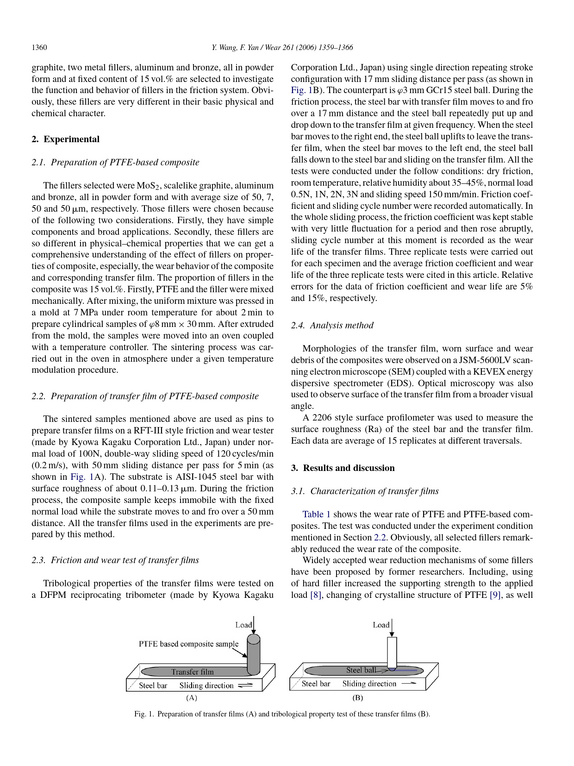
ELSEVIER Available online at www.scienced irect.com ScienceDirect Wear 261 (2006) 1359-1366 WEAR www.elsevier.com/locate/wear Tribological properties of transfer films of PTFE-based composites Yunxia Wang a' b'*, Fengyuan Yan a a State Key Laboratory of Solid Lubrication, Lanzhou Institute of Chemical Physics, Chinese Academy of Sciences, Lanzhou 730000, China b Graduate School of Chinese Academy of Sciences, Beijing, 100864, China Received 20 June 2005; received in revised form 7 March 2006; accepted 21 March 2006 Available online 2 May 2006 Abstract PTFE-based composites containing 15 vol.% MoS2, graphite, aluminum and bronze powder, were respectively prepared by compression molding at room temperature and subsequent heat treatment in atmosphere.
refid# 2jN7JrBN3OvN2VvoYo4x5QQ178 pages
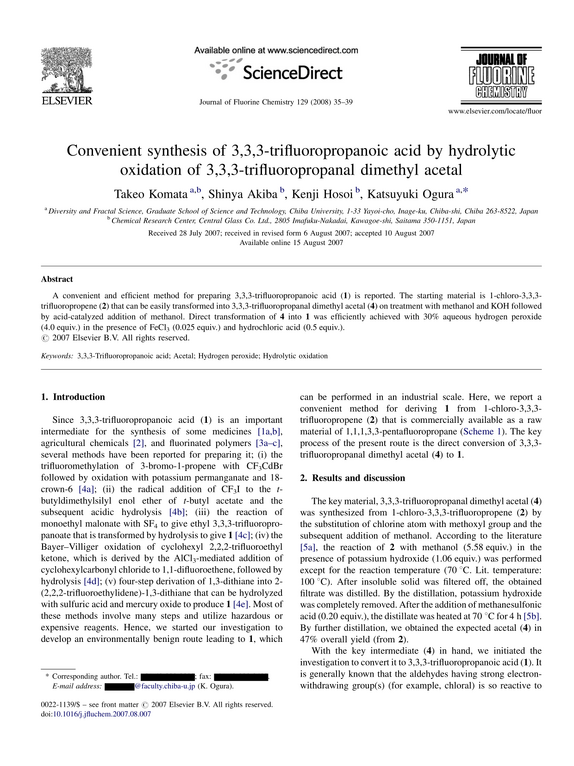
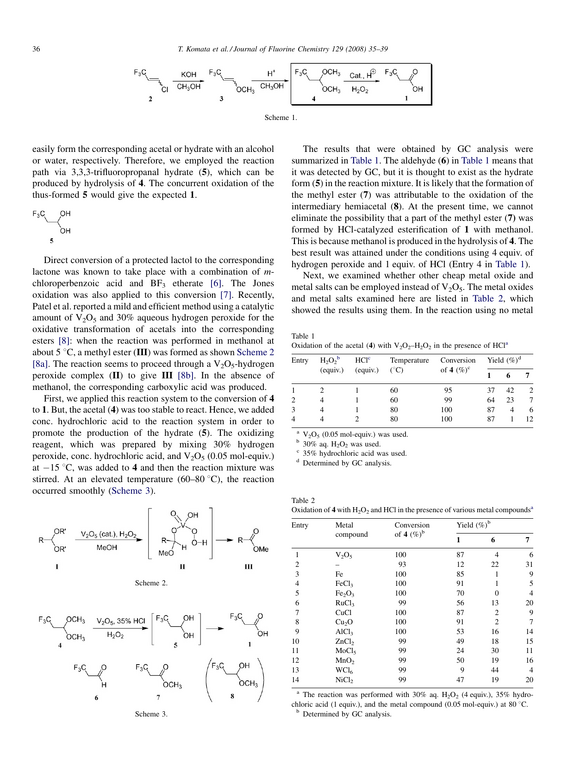
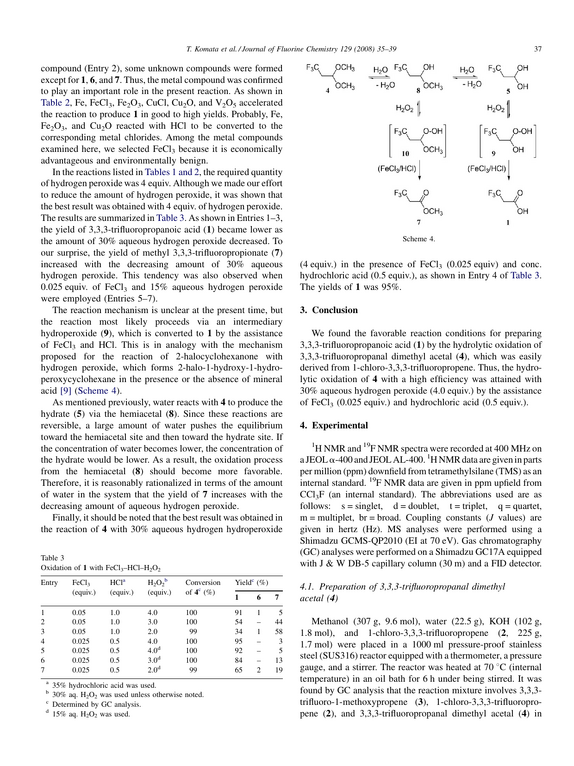
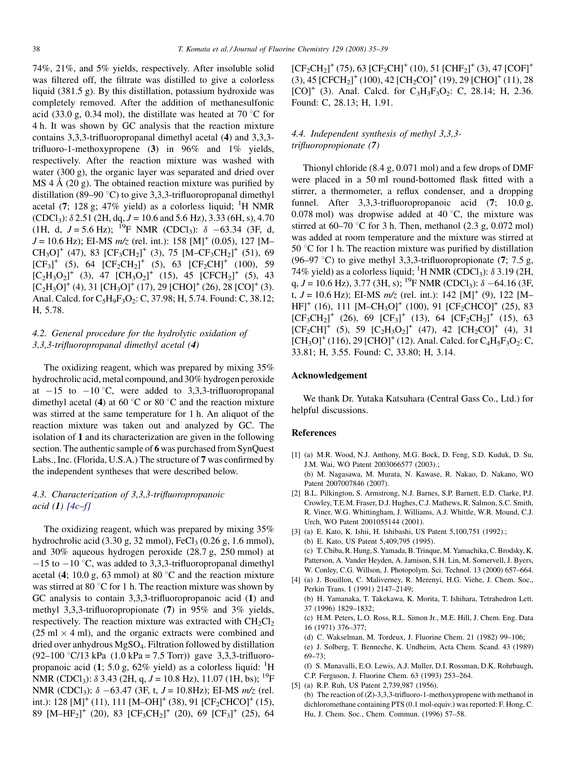
ELSEVIER Available online at www.sciencedirect.com ,' ScienceDirect Journal of Fluorine Chemistry 129 (2008) 35-39 JOURNAL Of E THI] %TEO1127 www.elsevier.com/locate/fluor Convenient synthesis of 3,3,3-trifluoropropanoic acid by hydrolytic oxidation of 3,3,3-trifluoropropanal dimethyl acetal Takeo Komata a'b, Shinya Akiba b, Kenji Hosoi b, Katsuyuki Ogura a'* 'Diversity and Fractal Science, Graduate School of Science and Technology, Chiba University, 1-33 Yayoi-cho, Inage-ku, Chiba-shi, Chiba 263-8522, Japan b Chemical Research Center, Central Glass Co.
refid# jBq4Yv9Gp83zwXO91MKXZ0JQ25 pages
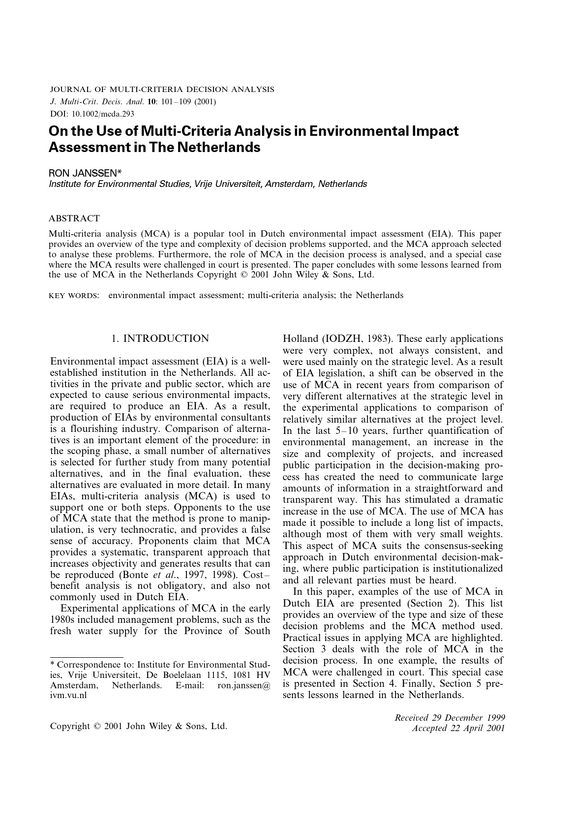
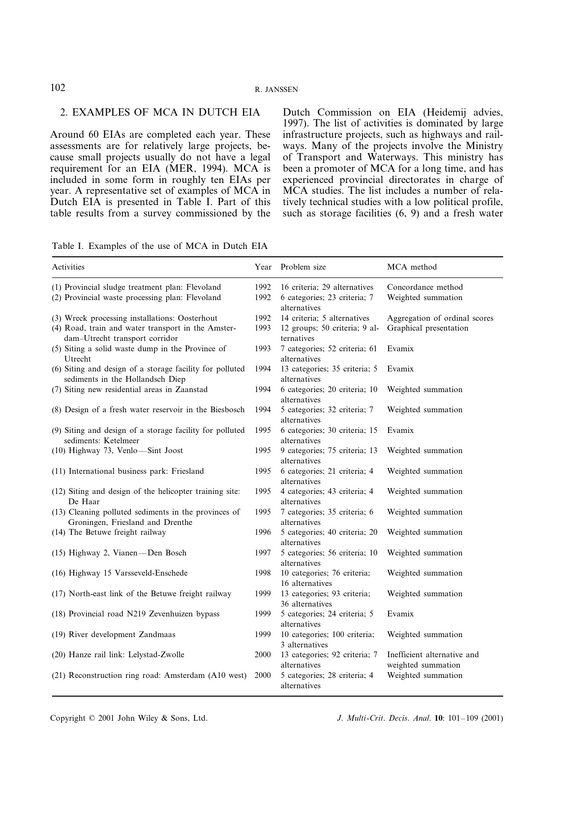
JOURNAL OF MULTI-CRITERIA DECISION ANALYSIS J.
refid# Yjb6XYQaMdeaqx70KGJz6y5nD9 pages
Mol.
refid# qaxGq2zKR0GLQQXzJzmrLnMjn11 pages
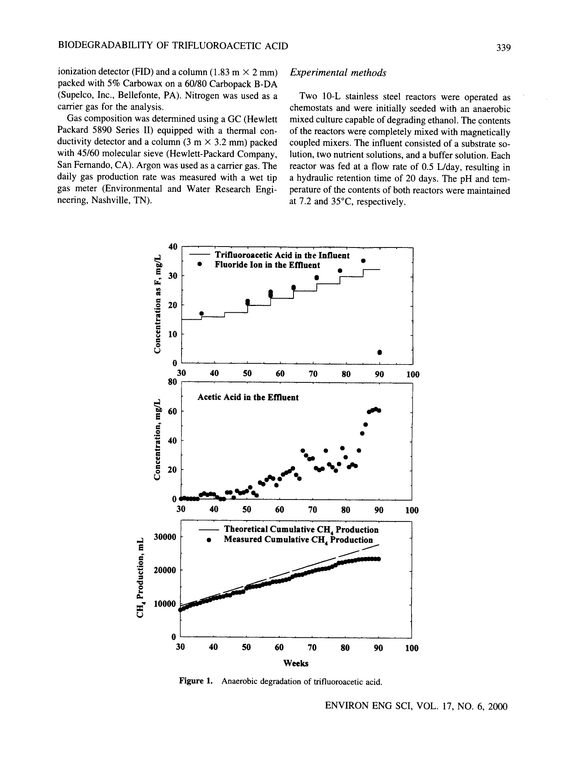
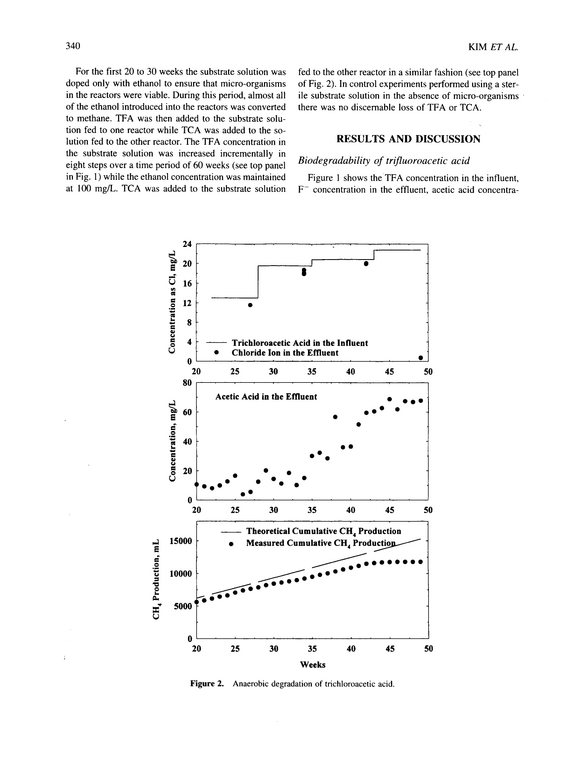
ENVIRONMENTAL ENGINEERING SCIENCE Volume 17, Number 6, 2000 Mary Ann Liebert, Inc.
refid# 4axzv1oejB96kO3pq23vDBr0x6 pages
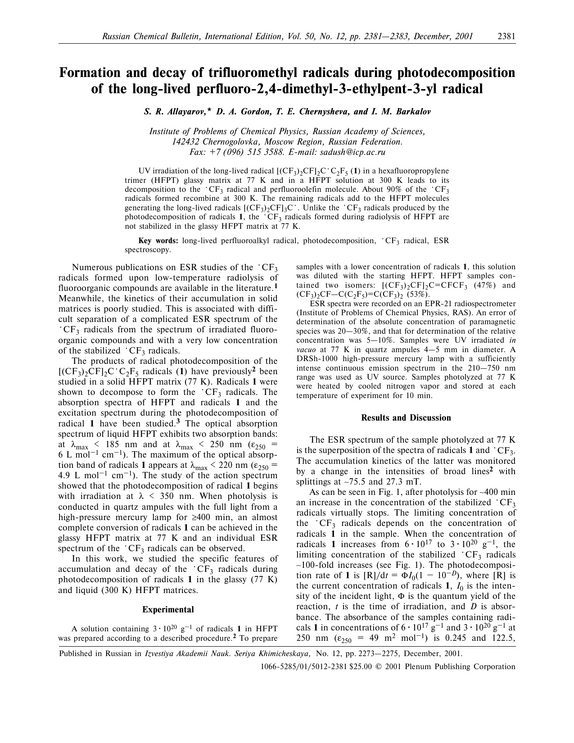
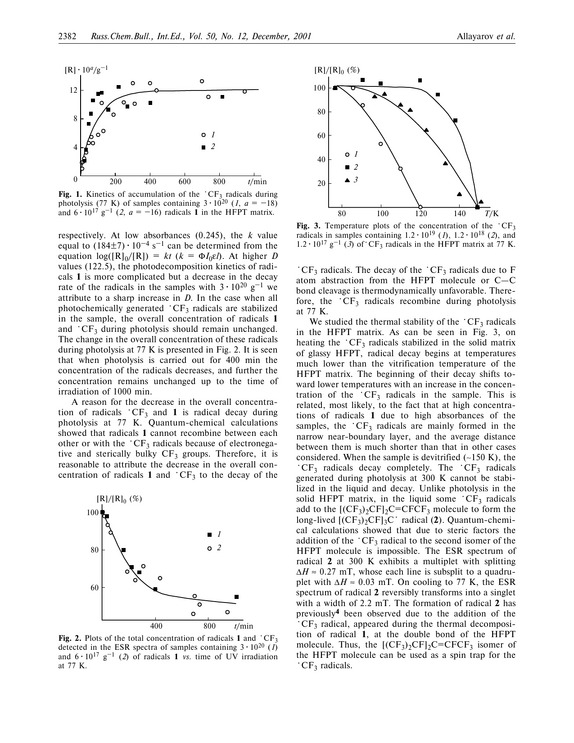
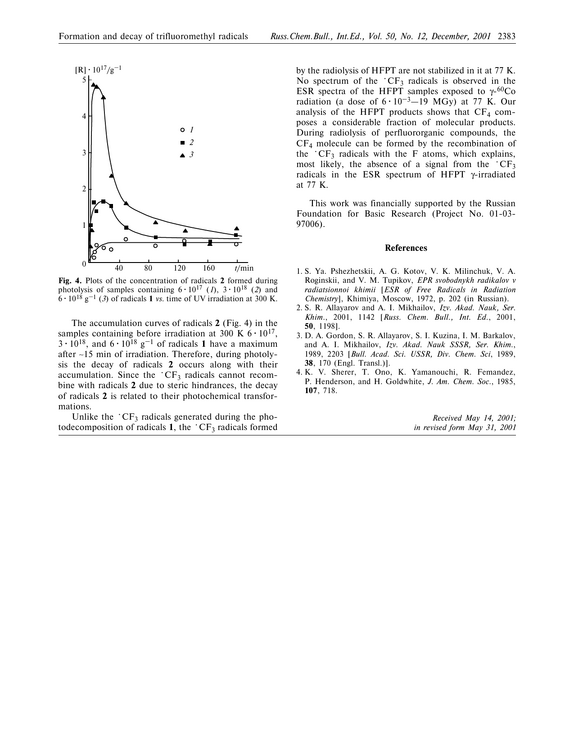
Russian Chemical Bulletin, International Edition, Vol. 50, No. 12, pp. 23812383, December, 2001 2381 Formation and decay of trifluoromethyl radicals during photodecomposition of the long-lived perfluoro-2,4-dimethyl-3-ethylpent-3-yl radical S.
refid# B6bVO3Z00nE9E7qVgQ5oarZE3 pages
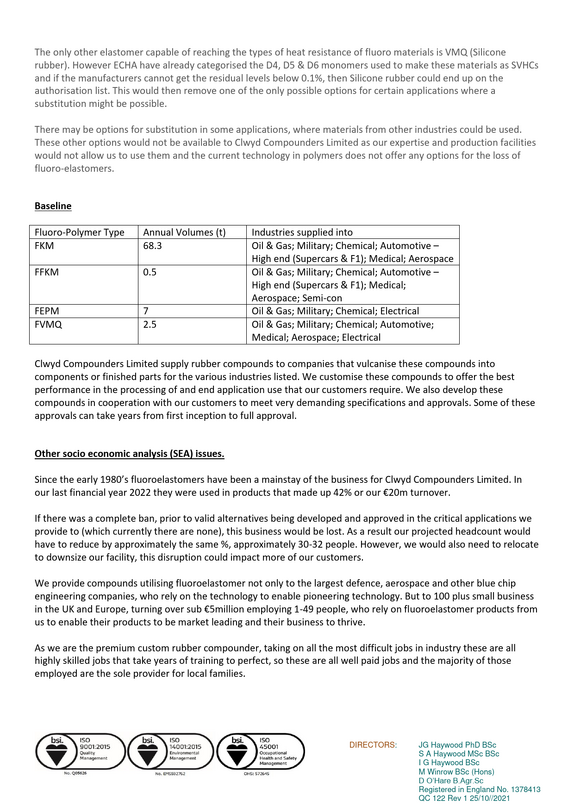
COMPOUNDERS LTO Clwyd Compounders Ltd 1 Elm Point, Abbey Road North Wrexham Industrial Estate Wrexham, LL13 9UE Tel: 01978 810551 E-mail: clwydcompounders.com Website: www.clwydcompounders.com Scope or restriction option analysis.
refid# YGExNLqQrOeVBr7K1eM1mwj6V2 pages
EU PFAS restriction proposal: Umicore's position Umicore supports a science-based approach to environmental concerns and risk mitigation/management.
refid# EqV5djrma79NRwx9jo73V29OR2 pages
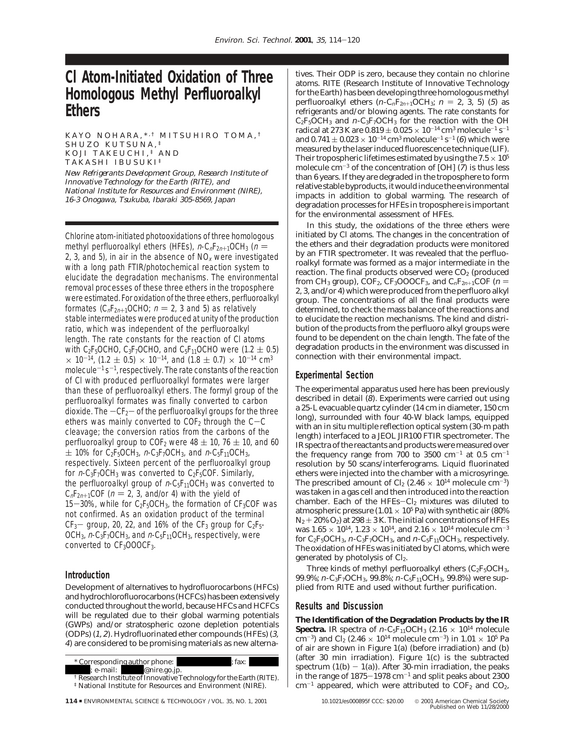
Environ.
refid# XpNVzqMNJpdGKVGYQJ4R6XgR7 pages